

Wellness and Recovery After 30: A Complete Guide to Better Health
Table of Contents
ToggleHave you ever wondered why your body doesn’t recover the way it should?
If you’re over 30, you may have noticed that muscle soreness lasts longer, stressful days leave you feeling more drained, or a poor night’s sleep affects your energy more than it once did. I experienced the same thing.
For years, I believed that making progress meant training harder. While regular exercise is important, I eventually realized that recovery was the missing piece. No matter how much I worked out, I wasn’t getting the results I wanted because I wasn’t giving my body the support it needed to recover properly.
Once I started paying closer attention to my sleep, nutrition, hydration, stress management, and recovery habits, everything began to change. My workouts felt stronger, my energy improved, and I wasn’t constantly dealing with soreness or fatigue.
The truth is that turning 30 doesn’t mean your best years are behind you. It simply means your body responds differently, and recovery becomes just as important as exercise itself. By making small, consistent improvements to your daily habits, you can continue to build strength, maintain your health, and feel your best for years to come.
In this guide, you’ll learn why wellness and recovery matter more after 30, the habits that support better health, common recovery mistakes to avoid, and practical strategies to help you recover more effectively and live a healthier, more active life.
What Is Wellness and Recovery After 30?
Many people think recovery means taking a day off from exercise. While rest is certainly important, true wellness and recovery go far beyond taking a break from the gym.
They involve the daily habits that help your body and mind recover from physical activity, stress, poor sleep, and the demands of everyday life.
After the age of 30, your body naturally begins to change. Muscle repair become slightly slower, stress can have a greater impact on your overall well-being, and neglecting healthy habits often becomes more noticeable than it did in your twenties.
These changes are a normal part of aging, but they also highlight why recovery deserves just as much attention as exercise and nutrition.
Why Recovery Becomes More Important After 30
Getting older doesn’t mean you have to give up on your fitness goals, but it does mean your body may respond differently to exercise, stress, and daily life.
Many adults notice that they don’t bounce back as quickly after intense workouts, late nights, or busy weeks. While these changes are a normal part of aging, they also highlight the importance of prioritizing recovery.
Recovery isn’t about taking a day off from the gym. It’s the process that allows your body to repair muscle tissue, restore energy, adapt to training, and prepare for the next challenge. Without adequate recovery, even the best workout routine or nutrition plan may not deliver the results you’re hoping for.
As I’ve gotten older, I’ve realized that progress isn’t measured only by how hard I train. It’s also influenced by how well I recover. There were times when I thought pushing through fatigue or skipping rest days would help me improve faster. Instead, I felt constantly tired, my workouts suffered, and I wasn’t making the progress I expected.
The moment I started treating recovery as an essential part of my fitness routine, not optional, I noticed better workout performance, more consistent energy, and fewer days where I felt completely worn out.
That experience taught me that recovery isn’t a setback; it’s part of the process that helps you stay healthy and active over the long term.
According to the American College of Sports Medicine (ACSM), balancing training with adequate recovery allows your body to repair, adapt, and build strength and endurance over time.
If you’d like a deeper explanation of why recovery becomes increasingly important as you get older, I recommend reading Why Recovery Matters More After 30 (What I Learned), where I share the lessons that completely changed how I approach fitness and long-term health.
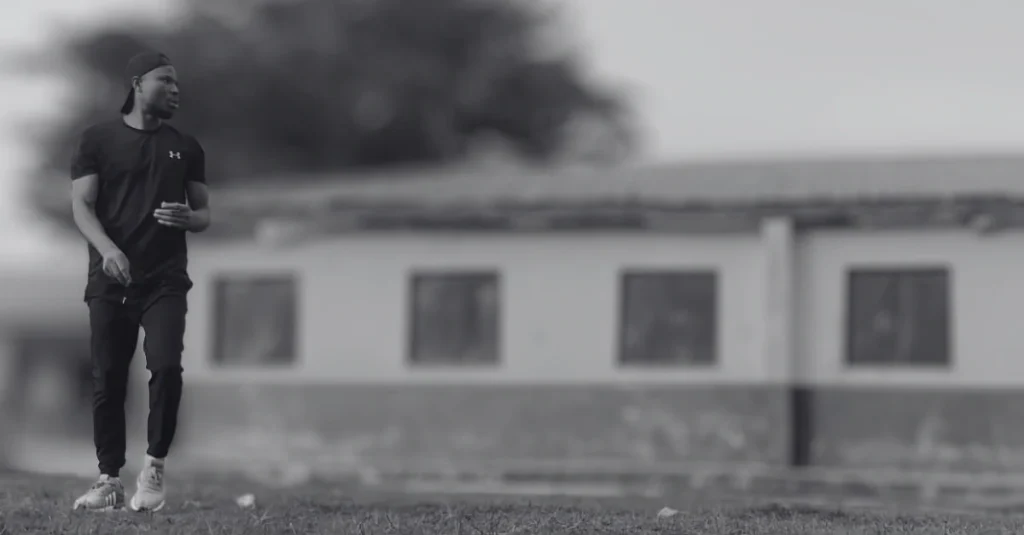
The Six Pillars of Wellness and Recovery After 30
Recovery isn’t built on one healthy habit; it’s the result of several habits working together.
You can have a great workout routine, but if you’re sleeping poorly, eating an unbalanced diet, or constantly feeling stressed, your body won’t recover as efficiently.
Over the years, I’ve learned that improving my recovery wasn’t about making one dramatic change. It came from making small improvements in different areas of my lifestyle.
The following six pillars have had the biggest impact on my health, energy, and workout performance after 30.
1. Prioritize Quality Sleep
If I could give one piece of recovery advice, it would be this: don’t underestimate the power of a good night’s sleep.
Sleep is when your body performs many of its most important recovery processes. It repairs muscle tissue, regulates hormones, restores energy, and prepares both your body and mind for the next day.
Unfortunately, sleep is often the first thing many of us sacrifice when life gets busy.
I’ve experienced the difference firsthand. There were weeks when I trained consistently but stayed up late working or scrolling through my phone. My workouts felt harder, I had less energy during the day, and recovery took much longer than it should have.
Making sleep a priority doesn’t mean you have to be perfect every night. Even small improvements, such as following a consistent bedtime, reducing screen time before bed, and aiming for 7–9 hours of sleep, can make a noticeable difference over time.
If you’d like practical tips for improving your sleep, read my guides on Sleep After 30: How Poor Sleep Affects Weight Gain and My Sleep Mistakes After 30: What I Learned.
According to the Sleep Foundation, adults need 7–9 hours of sleep each night to support overall health, recovery, and daily performance.
2. Eat to Support Recovery
It’s easy to focus on what happens during a workout, but what you eat afterward is just as important. Exercise challenges your muscles, while nutrition provides the building blocks they need to recover and adapt.
After 30, I became more intentional about the foods I eat. Instead of relying on convenience meals or skipping meals after a busy day, I started paying more attention to getting enough protein, eating more whole foods, and staying hydrated. I wasn’t aiming for a perfect diet; I wanted to give my body what it needed to recover.
A recovery-friendly diet doesn’t have to be complicated. Prioritize lean protein to support muscle repair, include complex carbohydrates to replenish energy stores, choose healthy fats for overall health, and eat plenty of fruits and vegetables for vitamins, minerals, and antioxidants.
Drinking enough water throughout the day is equally important, as even mild dehydration can affect energy levels and physical performance.
Rather than looking for quick fixes or trendy diets, focus on building eating habits you can maintain consistently. Small improvements made over time often lead to better results than short-term changes that are difficult to sustain.
If you’re looking for practical meal ideas and nutrient-rich foods to support recovery, be sure to read my guide on Best Foods for Recovery After 30.
According to the Mayo Clinic, a balanced diet that emphasizes nutrient-rich foods helps support overall health, maintain energy levels, and provide the nutrients your body needs to function at its best.
3. Exercise Regularly, But Make Recovery Part of the Plan
One mistake I made for years was thinking that more workouts always meant better results. If I missed a session, I’d try to make up for it by training harder the next day.
Over time, I realized that constantly pushing myself without enough recovery left me feeling exhausted instead of stronger.
Regular exercise is one of the best things you can do for your health after the age of 30. It helps build muscle, strengthen bones, improve heart health, and support a healthy body weight. However, your body still needs time to recover between challenging workouts.
Recovery doesn’t mean sitting on the couch all day. In fact, light activities such as walking, stretching, mobility exercises, or gentle yoga can improve blood flow, reduce muscle stiffness, and help you feel refreshed without placing additional stress on your body.
It’s also important to pay attention to how your body feels. If you’re constantly sore, unusually tired, or your workout performance starts declining, it may be a sign that you need an extra recovery day rather than another intense training session.
If you’re unsure how to recover effectively after exercise, read my guide on Best Recovery Tips After 30, where I share practical strategies that have helped me stay consistent during fatigue and improve workout performance.
4. Manage Stress Before It Manages You
Stress is a part of life, but when it becomes constant, it can affect much more than your mood. It can leave you feeling mentally drained, disrupt your sleep, reduce your motivation to exercise, and make recovery feel slower than it should.
I’ve experienced periods where work and daily responsibilities became overwhelming. Even though I was eating reasonably well and staying active, I still felt tired and struggled to perform at my best.
It wasn’t until I started managing my stress more intentionally that I noticed a real difference in both my energy levels and overall well-being.
Managing stress doesn’t always require major lifestyle changes. Sometimes the simplest habits make the biggest impact. Taking a short walk, spending time outdoors, practicing deep breathing, reading a book, or setting aside a few minutes to relax each day can help you recharge mentally and physically.
According to the American Psychological Association (APA), chronic stress can affect both physical and mental health, making effective stress management an important part of maintaining overall wellness.
If stress has been affecting your health or recovery, I encourage you to read How to Manage Stress After 30: What I Learned, where I share practical lessons and strategies that helped me develop healthier daily habits.
5. Build Healthy Habits You Can Maintain
One of the biggest lessons I’ve learned after turning 30 is that good health isn’t built by occasional bursts of motivation; it’s built by consistent daily habits.
It’s easy to become excited about a new workout plan or diet, but lasting results come from the small choices you make every day.
Drinking enough water, preparing balanced meals, taking regular walks, getting enough sleep, and making time to relax may not seem dramatic, but they have a significant impact on your overall health.
I’ve also learned that trying to be perfect doesn’t last. There were times when I followed a strict routine for a few weeks, only to abandon it because it felt impossible to maintain.
What worked better was creating realistic habits that fit my lifestyle. Missing one workout or having an unhealthy meal didn’t ruin my progress; I got back on track the next day.
The goal isn’t perfection; it’s consistency. Healthy habits become easier over time, and the benefits often extend beyond fitness. You may notice improved energy, better focus, a more positive mood, and greater confidence in your ability to take care of yourself.
If you’re trying to improve your wellness after 30, start with one or two habits you can practice consistently. As those habits become part of your routine, you’ll find it much easier to build on them and create a healthier lifestyle that lasts.
6. Take a Proactive Approach to Your Health
Recovery isn’t only about bouncing back after a workout; it’s also about taking care of your health before small problems become bigger ones.
As we get older, it’s worth paying closer attention to things we may have overlooked in our twenties. Regular health check-ups, monitoring your blood pressure, maintaining a healthy weight, and staying up to date with recommended health screenings can all play an important role in your long-term well-being.
I’ve come to realize that staying healthy isn’t just about looking fit. It’s about having the energy to work, spend time with family, enjoy hobbies, and continue doing the activities you love.
That perspective has changed the way I think about wellness. Instead of focusing on today’s workout, I also think about how the choices I make today will affect my health years from now.
You don’t have to overhaul your lifestyle overnight. Scheduling routine medical check-ups, paying attention to changes in your body, and addressing health concerns early can make a meaningful difference over time.
According to the Centers for Disease Control and Prevention (CDC), healthy lifestyle habits and preventive care, including recommended health screenings, can help reduce the risk of chronic diseases and support long-term health.
When you combine preventive healthcare with quality sleep, balanced nutrition, regular exercise, effective stress management, and consistent healthy habits, you create a strong foundation for lifelong wellness.
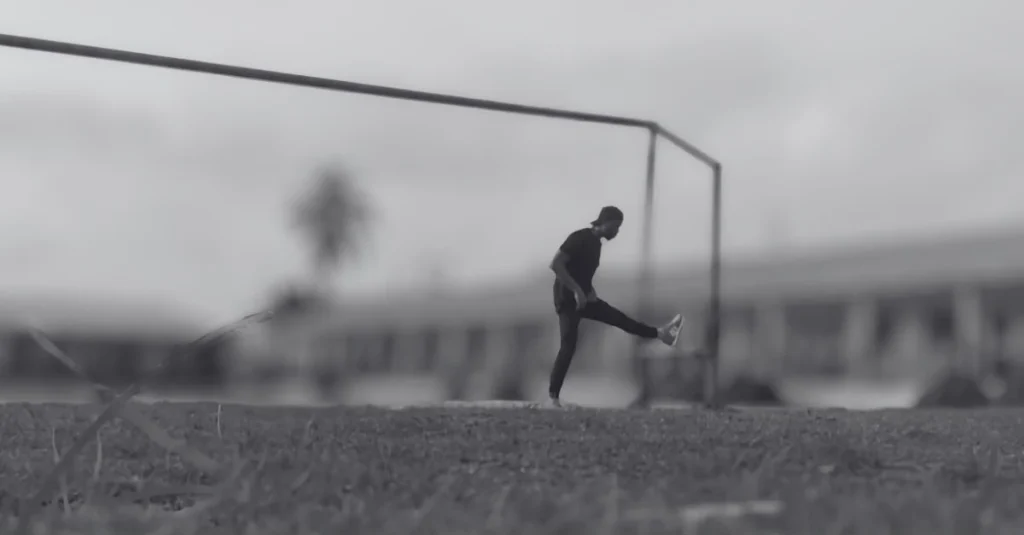
Signs Your Body Needs More Recovery
Your body is good at telling you when something isn’t right; you have to pay attention to the signals.
Many people assume that feeling constantly tired or sore is simply part of aging. While occasional fatigue after a challenging workout is normal, regularly feeling run-down may indicate that your body isn’t recovering as well as it should.
Here are some common signs that you may need to slow down and prioritize recovery:
- Persistent Muscle Soreness: It’s normal to experience muscle soreness after trying a new exercise or increasing your workout intensity. However, if soreness lasts for several days or doesn’t seem to improve, your body may need more time to recover.
- Low Energy Throughout the Day: If you wake up feeling tired despite getting what should be enough sleep, or you struggle to stay energized during the day, poor recovery could be one of the contributing factors. Sleep quality, nutrition, hydration, and stress all play a role in maintaining your energy levels.
- Declining Workout Performance: Are you lifting less weight than usual? Do workouts feel harder even though your routine hasn’t changed? A noticeable drop in strength, endurance, or motivation can sometimes indicate that your body needs additional rest rather than more training.
- Frequent Illness or Minor Injuries: Recovery also supports your immune system. Constantly pushing yourself without enough rest may leave your body more vulnerable to illnesses or overuse injuries that interrupt your fitness routine.
- Trouble Sleeping: It may sound surprising, but inadequate recovery can sometimes make it harder to sleep well. High stress levels, overtraining, and poor daily habits can all interfere with getting the quality sleep your body needs.
- Feeling Mentally Drained: Recovery isn’t only physical. If you constantly feel irritable, unmotivated, overwhelmed, or mentally exhausted, it may be time to step back, reduce stress where possible, and permit yourself to recover.
I’ve learned that ignoring these warning signs rarely leads to better results. In the past, I often believed I needed to train harder whenever progress slowed.
Looking back, what I really needed was more recovery, not more effort. The moment I started listening to my body instead of fighting against it, I became more consistent and enjoyed my workouts much more.
If several of these signs sound familiar, I recommend reading Why You’re Not Recovering Properly After 30, where I explain the most common causes of poor recovery and practical steps you can take to get back on track.
Common Recovery Mistakes to Avoid After 30
Recovery doesn’t usually suffer because of one major mistake. More often, it’s the result of several small habits that gradually catch up with you.
I’ve made many of these mistakes myself, and fixing them helped me recover better and stay more consistent with my fitness routine.
- Skipping Sleep to Get More Done: Whether it’s working late, watching another episode of your favorite show, or scrolling through your phone, sacrificing sleep can make recovery more difficult. Consistently getting enough quality sleep gives your body the time it needs to repair and prepare for the next day.
- Training Hard Every Day: Exercise is important, but your body also needs time to adapt. Training intensely without allowing enough recovery can increase fatigue, reduce performance, and raise your risk of injury. Remember, progress happens during recovery, not just during workouts.
- Ignoring Nutrition: You can’t expect your body to recover well if you skip meals or rely heavily on processed foods. A balanced diet that includes adequate protein, whole grains, fruits, vegetables, and healthy fats provides the nutrients your body needs to repair muscle tissue and maintain energy.
- Letting Stress Build Up: Stress affects more than your mental health. Left unmanaged, it can interfere with sleep, reduce motivation, and slow your recovery. Finding healthy ways to manage everyday stress is just as important as following a good workout plan.
- Believing More Is Always Better: One of the biggest lessons I’ve learned is that pushing harder isn’t always the answer. Sometimes the smartest thing you can do is take a rest day, go for a walk, or give your body the time it needs to recover.
Mistakes are part of the learning process, but recognizing them early can help you stay healthier and make more consistent progress over time.
If you’d like to learn from my personal experience, read My Recovery Mistakes After 30: What I Learned, where I share the habits that held me back and the changes that helped me recover more effectively.
A Simple Weekly Wellness and Recovery Routine
You don’t need a complicated routine to recover well after 30. In my experience, staying consistent with a few healthy habits is far more effective than trying to do everything perfectly for a week and then giving up.
Here’s a simple routine you can use as a starting point.
Every Day
- Aim for 7–9 hours of quality sleep each night.
- Drink enough water to stay hydrated throughout the day.
- Eat balanced meals that include lean protein, whole grains, healthy fats, fruits, and vegetables.
- Spend at least 20–30 minutes walking or being physically active.
- Take a few minutes to unwind, whether that’s stretching, reading, deep breathing, or simply taking a break from your phone.
Throughout the Week
- Perform 2–4 strength training sessions to help maintain muscle and bone health.
- Include 2–3 mobility or stretching sessions to improve flexibility and reduce stiffness.
- Schedule at least one full recovery day each week, especially after challenging workouts.
- Spend time outdoors whenever possible. Fresh air and natural sunlight can support both your physical and mental well-being.
- Make time for hobbies, family, or activities that help you relax and recharge.
Remember, this routine isn’t about being perfect. Some weeks will be busier than others, and that’s okay. The goal is to build habits you can maintain over the long term rather than following a routine that’s impossible to sustain.
I’ve found that focusing on consistency instead of perfection has made the biggest difference in my health. Missing one workout or having one late night doesn’t erase your progress. What matters most is getting back to your healthy habits as soon as you can.
Frequently Asked Questions
Is it normal to recover more slowly after 30?
Yes. As you age, your body may take longer to recover from exercise, poor sleep, or stressful periods. While this is a natural part of aging, healthy habits such as getting enough sleep, eating a balanced diet, staying active, and managing stress can help support recovery and keep you feeling your best.
How much sleep do adults over 30 need?
Most adults should aim for 7–9 hours of quality sleep each night. Good sleep supports muscle recovery, hormone regulation, brain function, and overall health. Maintaining a consistent sleep schedule can also improve sleep quality.
What foods help with recovery after 30?
Focus on whole, nutrient-rich foods that support muscle repair and overall health. Lean proteins, whole grains, healthy fats, fruits, vegetables, and plenty of water are excellent choices. These foods provide the protein, vitamins, minerals, and energy your body needs to recover effectively.
How many rest days should I take each week?
The number of rest days depends on your fitness level, workout intensity, and recovery needs. Most people benefit from at least one or two recovery days each week. On those days, light activities such as walking, stretching, or mobility exercises can help you stay active while giving your body time to recover.
Can stress affect recovery?
Yes. Chronic stress can affect sleep, reduce motivation, and make it difficult for your body to recover from exercise and daily activities. Finding healthy ways to manage stress is an important part of supporting both your physical and mental well-being.
What’s the most important recovery habit after 30?
There’s no single habit that works on its own. Recovery is most effective when you combine quality sleep, balanced nutrition, regular physical activity, stress management, hydration, and consistent healthy habits.
Rather than looking for one quick fix, focus on building a routine that you can maintain over the long term.
Final Thought
Your health after 30 isn’t determined by one workout, one healthy meal, or one good night’s sleep. It’s the result of the choices you make consistently over time.
One of the biggest lessons I’ve learned is that recovery isn’t a sign of slowing down; it’s what allows you to keep moving forward.
When I stopped treating sleep, nutrition, stress management, and rest as optional, I noticed more consistent energy, better workouts, and an overall improvement in how I felt each day.
The good news is that you don’t have to change everything overnight. Start with one habit. Go to bed a little earlier, drink more water, plan healthier meals, or schedule a recovery day each week.
Those small changes may seem insignificant at first, but over time they can make a meaningful difference to your health and quality of life.
Remember, wellness isn’t about perfection. It’s about building sustainable habits that help you stay strong, active, and healthy for years to come.
Join the Conversation
I’d also love to hear from you.
What’s been the biggest challenge you’ve faced with recovery after 30? Share your experience in the comments below.





One Comment