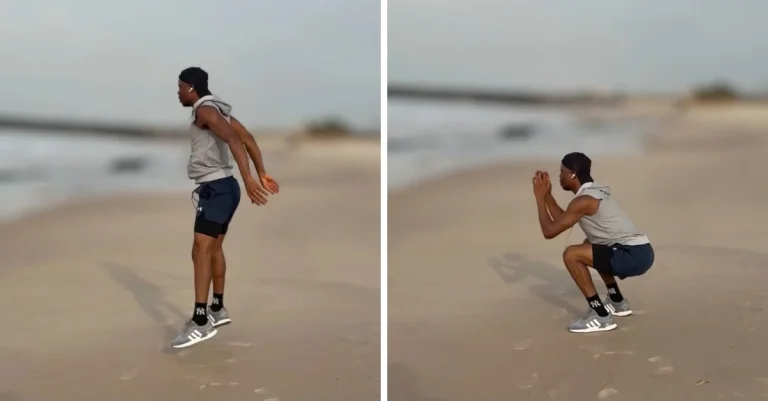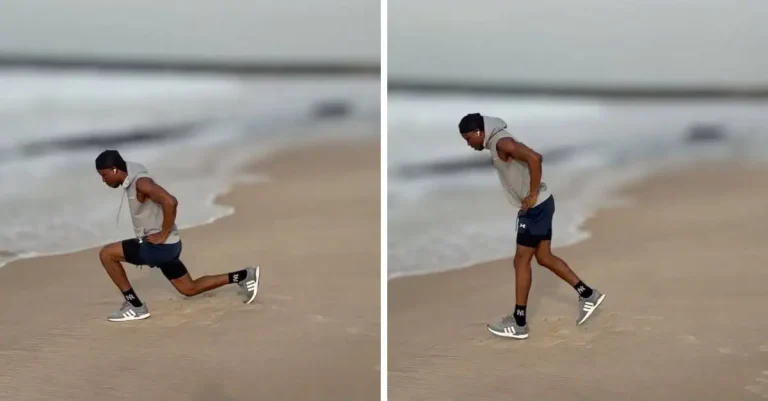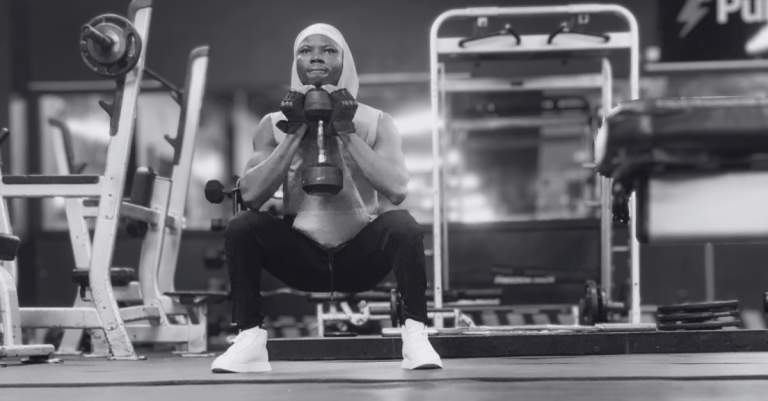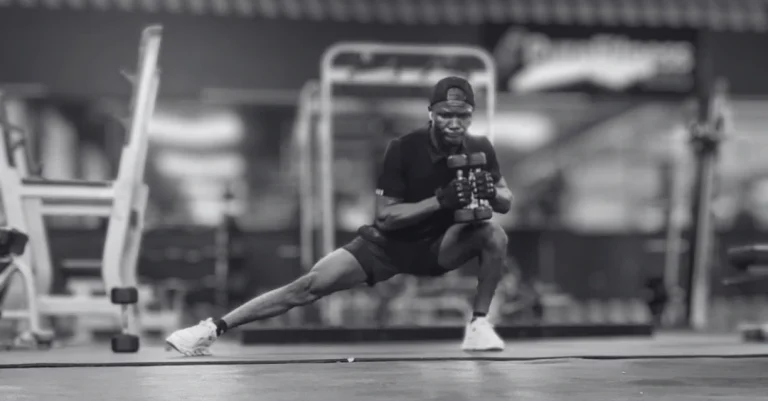
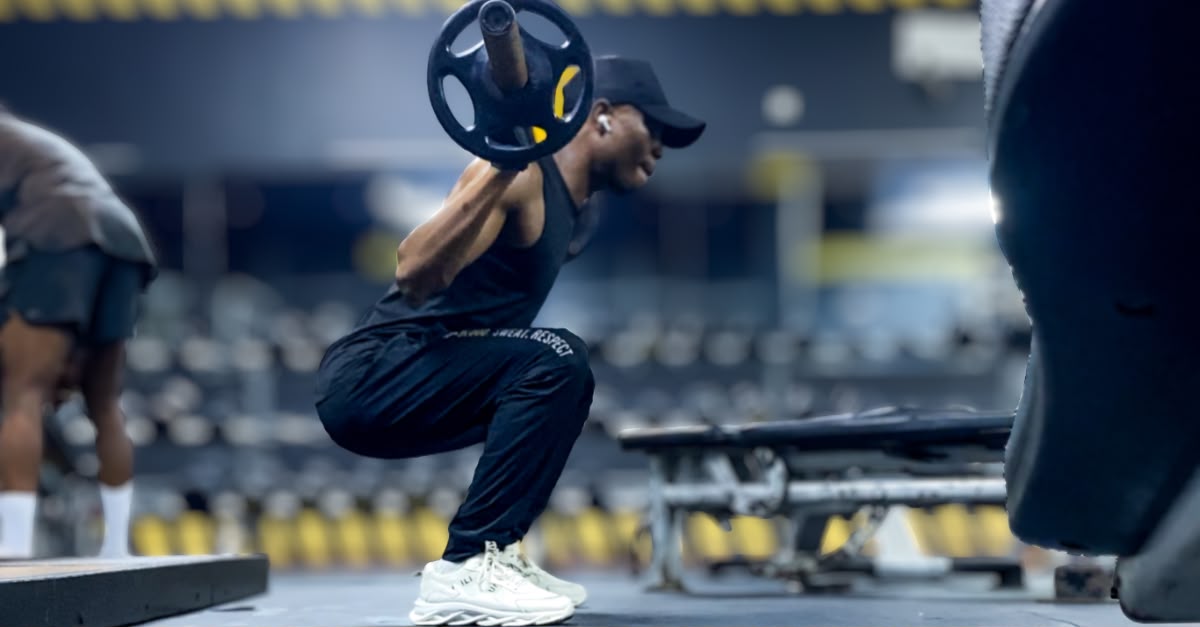
Why Do My Knees Hurt When I Squat? 5 Causes & What to Do
Table of Contents
ToggleHave you ever finished a set of squats and noticed that your knees hurt when you stand back up?
I’ve experienced how easy it is to assume that knee discomfort during squats means something is wrong with your form or that your body isn’t recovering as quickly as it used to.
But the truth is, knee pain when squatting can have several possible causes, and getting older doesn’t automatically mean you have to accept painful squats.
After 30, factors such as training volume, recovery, strength, mobility, previous injuries, and how you progress your workouts can all influence how your body responds to exercise. That’s why it’s worth paying attention to when the pain occurs, what movements trigger it, and whether it improves when you modify your training.
In this guide, we’ll look at five possible causes of knee pain when squatting, explain why your knees may hurt when squatting with or without weights, and discuss practical ways to modify your training. We’ll also cover when knee pain is a reason to stop exercising and seek professional evaluation.
Why Do My Knees Hurt When I Squat?
Knee pain during a squat can happen for several reasons, and the cause isn’t always obvious from the pain alone. Squatting places significant demands on the lower-body muscles and joints, so changes in training volume, technique, depth, mobility, strength, or prior injuries can affect how your knees respond.
For some people, discomfort may appear only when they squat deeply. For others, it may occur when lowering into the squat, standing back up, adding weight, or repeating squats for several sets. The fact that your knees hurt doesn’t automatically mean squats are damaging your knees, but it is a signal worth paying attention to.
Some common factors that may contribute to knee pain when squatting include:
- Increasing your training load or volume too quickly
- Changes in your squat technique or movement pattern
- Limited ankle or hip mobility
- Strength or conditioning that hasn’t caught up with your training demands
- An existing knee condition or previous injury
The important thing is to observe the pattern of your pain rather than assuming there is one universal cause. Where you feel the pain, when it starts, how severe it is, and whether it improves when you reduce the load or modify the movement can all provide useful clues.
Important tip: An online article can’t determine the specific cause of your knee pain. If your pain is severe, persistent, worsening, or associated with swelling, instability, locking, or an injury, consider seeing a qualified healthcare professional.
5 Common Reasons Why Your Knees Hurt During or After Squatting
1. Increasing Your Squat Training Too Quickly
One possible reason your knees hurt when you squat is that you’ve increased your training load faster than your body has had time to adapt.
This can happen when you suddenly:
- Add more weight to your squats
- Increase your sets or repetitions
- Start squatting more frequently
- Increase your squat depth
- Return to training after a long break
- Add several demanding leg exercises to the same workout
Squatting is a demanding lower-body exercise, and increasing your training volume or intensity can place greater demands on your muscles, tendons, and joints. Gradual progression is especially important when you’re returning to exercise or changing your routine. The American Academy of Orthopaedic Surgeons AAOS recommends starting slowly and gradually increasing repetitions or adding weight as you get stronger.
For example, if you normally squat twice a week with a moderate weight and suddenly increase both the weight and number of sets, your knees may not tolerate the additional workload as they did before.
What to Do
If your knees begin hurting after you’ve increased your squat training, don’t automatically stop all lower-body exercise. Instead, consider temporarily reducing the weight, sets, repetitions, frequency, or depth of your squats and see whether your symptoms improve.
You can also review your squat technique and form to make sure you’re performing the movement with control rather than adding more weight.
When you return to your previous training level, increase the workload gradually rather than trying to make up for lost time in one session.
The goal isn’t to avoid challenging your body; it’s to give your body enough time to adapt to increasing demands.
2. Your Squat Technique or Movement Pattern May Be Contributing
Another possible reason your knees hurt when you squat is how your body moves during the exercise.
Squatting isn’t about keeping your knees in one particular position. Your ankles, knees, hips, feet, and trunk all work together to control the movement. Differences in mobility, strength, stance, squat depth, and movement pattern can affect how the exercise feels.
For example, if your ankle mobility is limited, you may naturally adjust your body’s movement to reach the depth you want. Changing your stance or suddenly squatting deeper than usual can also change the demands placed on your knees.
But that doesn’t mean there is “perfect” squat technique that works for everyone. Your body proportions, mobility, training experience, and the type of squat you’re performing all matter.
What to Do
Start by paying attention to when your knees begin to hurt.
Does the discomfort appear as you lower into the squat? Does it become noticeable at the bottom? Does it hurt more when you push back up? Does reducing the weight or depth make a difference?
These details can help you understand which parts of the movement may be contributing to your discomfort.
You can temporarily reduce the load or squat to a depth you can perform with good control without significantly increasing your symptoms. As your tolerance improves, you can gradually progress again.
If you’re unsure about your technique, review a proper squat technique guide or consider having a qualified fitness professional assess your movement rather than trying to correct every small detail yourself.
Most importantly, knee discomfort doesn’t automatically mean your squat technique is “bad.” Knee pain can have multiple contributing factors, and some people can experience pain even when their movement appears technically sound.
3. Your Muscles May Not Be Ready for the Demands of Squatting
Your knees don’t work alone during a squat. Your quadriceps, glutes, hamstrings, calves, and other muscles around your hips and legs all contribute to the movement.
If you’ve taken a long break from exercise, recently changed your routine, or haven’t trained your legs consistently, your muscles may not yet be prepared for the demands you’re placing on them. This can make certain movements feel more difficult and may contribute to discomfort around the knees.
This doesn’t necessarily mean you have “weak knees.” It may mean that your current training level is higher than what your body has adapted to.
What to Do
Instead of adding more weight, focus on gradually building your lower-body strength. You can start with manageable exercises and increase the resistance or the repetitions as you become more comfortable.
Exercises such as bodyweight squats, step-ups, split squats, glute bridges, and calf raises can help you build strength for everyday movement and lower-body training.
If you’re new to resistance training, you can also learn more about strength training after 30 and how to progress gradually.
If an exercise consistently causes knee pain, don’t force yourself to complete it simply because it’s part of your workout. Modify the movement or choose another exercise you can perform comfortably while you work on your strength and tolerance.
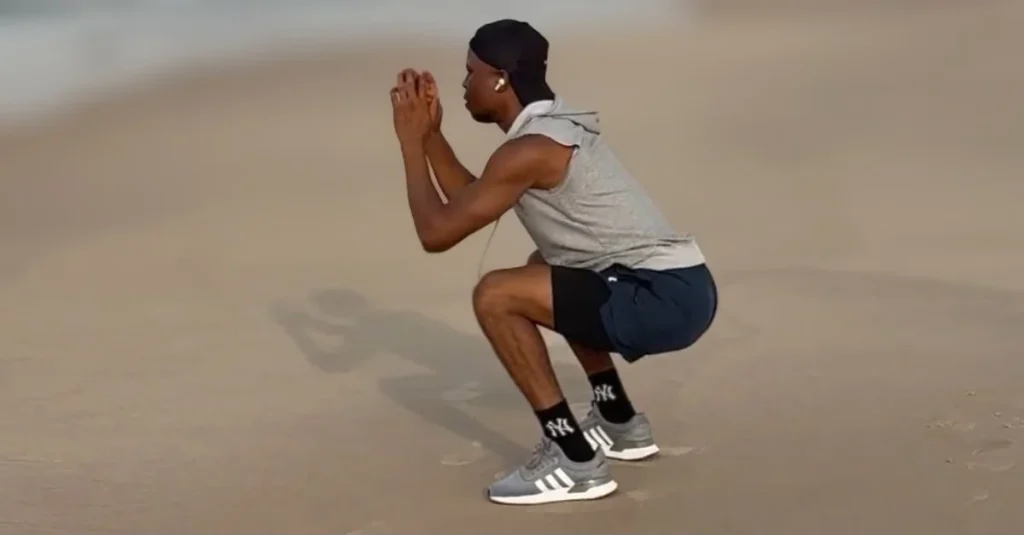
4. Limited Mobility May Affect Your Squat
Your ability to move comfortably through a squat can also influence how your knees feel. In particular, limited mobility in your ankles or hips can change the way you perform the movement.
For example, if your ankles are tight, your body may adjust the way you move so you can squat deeper. Changing your stance or suddenly squatting deeper than usual can also change the demands placed on your knees.
This doesn’t mean you need perfect mobility to squat. Everyone has different body proportions and movement patterns, and you don’t necessarily need to force yourself into a particular squat depth.
What to Do
Start by working within a comfortable range of motion rather than forcing yourself to squat deeper than your body currently allows.
You can also incorporate simple mobility exercises for your ankles and hips as your warm-up or regular training routine. If improving your mobility makes the squat feel more comfortable, you can gradually work toward a deeper range of motion.
However, don’t assume that limited mobility is always the reason for your knee pain. If your knees continue to hurt after modifying your squat, consider other possible causes rather than simply stretching more.
5. You May Have an Existing Knee Problem
Sometimes, knee pain isn’t caused by your current training routine. An existing knee problem or previous injury can also make squatting uncomfortable.
Knee pain can have many possible causes, including problems involving the kneecap, tendons, cartilage, or other structures around the joint. A previous injury may also affect how your knee responds to certain movements, even after you have returned to your normal activities.
This is one reason you shouldn’t try to diagnose the cause of your knee pain based on symptoms alone. Where the pain occurs or when you feel it doesn’t always tell you exactly what’s happening inside the knee.
What to Do
If your knee pain keeps returning despite reducing your training load or modifying your squats, don’t continue pushing through it without addressing the problem.
Consider getting your knee assessed by a qualified healthcare professional, especially if the pain started after an injury or you also have swelling, instability, locking, or difficulty putting weight on the leg.
You may still be able to exercise, but the appropriate modifications will depend on what’s causing your symptoms. A healthcare professional can help determine which activities are suitable for you and whether you need further evaluation or rehabilitation.
Remember: Knee pain doesn’t always mean you need to stop exercising completely, but persistent or worsening symptoms shouldn’t be ignored.
Why Do My Knees Hurt When I Squat With or Without Weights?
You might assume that knee pain only happens when you’re lifting heavy, but that’s not always the case. A bodyweight squat still places a load on your knees, even though you’re not holding additional weight.
If your knees hurt during bodyweight squats, the discomfort may be related to your current tolerance for the movement, squat depth, training volume, mobility, or another underlying problem. Removing the weights can reduce the demand, but it doesn’t necessarily remove the movement that causes your discomfort.
On the other hand, if your knees hurt after adding weight, the additional resistance may be more than your body is currently prepared to handle.
What to Do
If squats hurt, try reducing the weight, depth, or number of repetitions and perform the movement slowly with control. Pay attention to whether these changes make the discomfort better or worse.
If bodyweight squats continue to cause pain, don’t assume that adding weight will make the problem go away. Instead, consider temporarily choosing another lower-body exercise you can perform comfortably while you determine what’s contributing to the discomfort.
Knee pain during a bodyweight or weighted squat doesn’t automatically mean you’ve damaged your knees. However, persistent or worsening pain is a reason to have it assessed rather than repeatedly pushing through it.
Why Do My Knees Hurt When I Squat and Stand Back Up?
Some people notice knee pain more when they stand back up from the bottom of a squat than when they lower themselves. This part of the movement requires your legs and hips to produce force to return you to a standing position.
If discomfort appears mainly during this part of the squat, pay attention to how deep you’re squatting, how much weight you’re using, and whether the pain changes when you slow down or reduce the load.
What to do: Try reducing the weight and squatting to a comfortable depth while keeping the movement controlled. Also notice whether the pain happens immediately or becomes more noticeable after several repetitions. If it continues despite modifying the exercise, consider having your knee evaluated by a qualified healthcare professional.
Why Do My Knees Hurt When I Squat or Lunge?
If your knees hurt during both squats and lunges, the issue may not be limited to one exercise. Both movements require your knees, hips, and ankles to work together while supporting your body weight, although they place different demands on your body.
If you’ve recently added lunges or increased your repetitions, the additional workload may contribute to discomfort.
What to do: If squats feel comfortable but lunges cause pain, temporarily reduce the depth, repetitions, or resistance and focus on controlled movement. You can also try a supported split squat if it feels more comfortable.
If both squats and lunges consistently cause knee pain, especially if the discomfort is getting worse or affecting everyday activities, consider having your knee examined by a qualified healthcare professional.
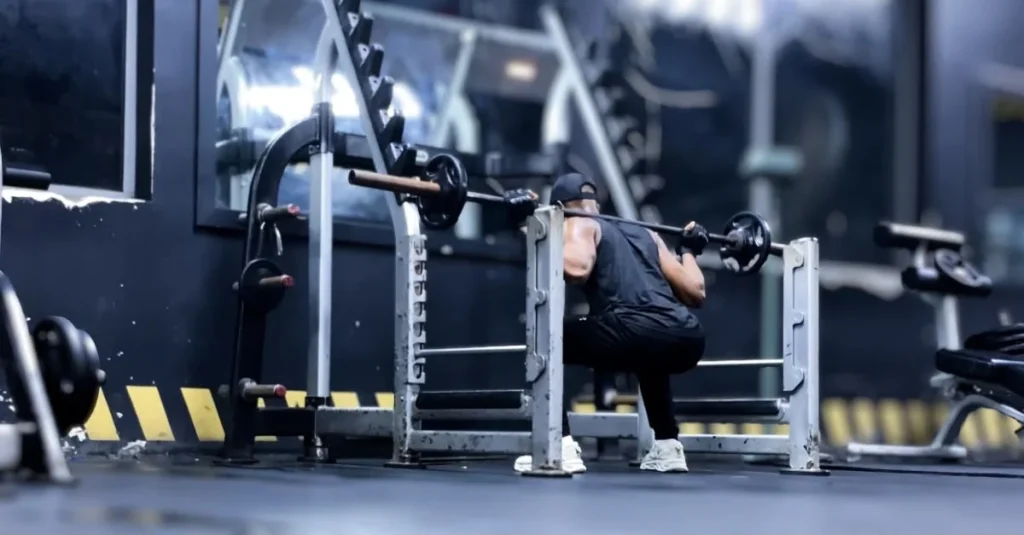
What to Do If Your Knees Hurt When You Squat
If squats are causing knee discomfort, you don’t necessarily have to give up lower-body training completely. The first step is to reduce the demands of the movement and pay attention to how your knees respond.
Try these adjustments:
- Reduce the weight: If you’re using resistance, lower the load and focus on controlled repetitions.
- Reduce your squat depth: Work within a range of motion that feels comfortable rather than forcing yourself deeper.
- Reduce your training volume: Temporarily decrease your sets or repetitions if pain worsens during the workout.
- Review your technique: Check your stance, foot position, balance, and control throughout the movement.
- Progress gradually: Once you’re able to squat comfortably, increase your training demands slowly rather than making a large jump.
- Don’t ignore persistent pain: If discomfort continues despite modifying your training, consider having your knee evaluated.
You can also temporarily use a different lower-body exercise if squatting consistently causes discomfort. The goal isn’t to avoid exercise altogether; it’s to find a level of activity that your body can tolerate while you work out what may be contributing to the pain.
Should You Push Through Knee Pain?
A little muscle fatigue or the effort of a challenging set is different from sharp, worsening, or significant joint pain. If an exercise consistently causes pain, pushing through it isn’t necessarily the best way to improve.
If you experience significant swelling, instability, locking, inability to bear weight, or pain following an injury, stop the activity and seek appropriate medical evaluation.
How to Strengthen Your Legs for Better Squatting
If squatting causes knee discomfort, strengthening the muscles involved in the movement can help you build better control and confidence over time. The goal isn’t to train through pain but to gradually improve your ability to handle the demands of squatting.
Start with exercises that can allow you to control the movement comfortably, such as glute bridges, step-ups, split squats, and bodyweight squats. These exercises can help strengthen your glutes, quadriceps, and other muscles that contribute to lower-body stability.
You can also begin with a chair or box squat. Sit back toward a stable surface, lightly touch it, and stand again. This can help you practice your squat pattern while controlling your depth.
As your strength and confidence improve, gradually increase your repetitions, range of motion, or resistance. Avoid increasing everything at once.
Most importantly, pay attention to how your knees respond during and after training. Mild muscle fatigue is expected, but pain that gets worse, persists, or changes the way you move is a reason to reduce the exercise or seek professional advice.
Building stronger legs takes time, so focus on consistent, controlled progress rather than rushing back to heavy squats.
When Should You Stop Squatting and Seek Professional Help?
Not every case of knee pain when squatting means you need to stop exercising completely. However, some symptoms should not be ignored.
Stop squatting and consider speaking with a doctor or physical therapist if you experience sharp or severe knee pain, significant swelling, instability, or a feeling that your knee is locking or giving way. You should also seek professional advice if the pain continues despite reducing your training or modifying your squat technique.
Pain that develops after an injury, such as a fall, sudden twist, or direct impact, is another reason to get your knee assessed rather than trying to train through it.
If your knee pain is mild but keeps returning every time you squat, it may also be worth having professional guidance. A qualified professional can help identify possible contributing factors and determine which exercises and movements are appropriate for you.
In the meantime, avoid pushing through significant pain to complete your workout. Taking a short break and addressing the problem early is usually better than allowing a manageable issue to become a bigger training setback.
FAQs About Knee Pain When Squatting
Is it normal for my knees to hurt when I squat?
Knee pain shouldn’t be something you routinely push through. If squatting consistently causes pain, reduce the load or depth and consider having the problem assessed if it persists.
Should I stop squatting if my knees hurt?
If you experience sharp, severe, or worsening pain, stop the exercise. For mild discomfort, you may be able to modify the weight, depth, or squat variation. Persistent pain should be evaluated by a qualified healthcare professional.
Can squats damage your knees?
Squats aren’t inherently bad for your knees. When performed appropriately and progressed gradually, they can help build lower-body strength. Problems may occur when the demands of the exercise exceed what your body can currently tolerate.
How can I squat without hurting my knees?
Use a comfortable range of motion, choose a load you can control, and increase your training demands gradually. If a particular squat variation consistently causes pain, modify it rather than forcing yourself to continue.
Should I squat if I already have knee pain?
It depends on the cause and severity of your symptoms. Significant pain, swelling, instability, or a recent injury are reasons to seek professional advice before continuing. Persistent symptoms should also be assessed.
Final Thoughts
Knee pain when squatting doesn’t always mean you have to give up lower-body training. In many cases, adjusting your squat depth, reducing the load, improving your technique, and building strength gradually can make the movement more comfortable.
The key is to listen to your body and avoid treating pain as something you have to push through. If your knee pain is severe, persistent, or accompanied by swelling or instability, consider seeking professional advice.
Remember, getting stronger is a gradual process. Focus on controlled movements, consistent training, and steady progress rather than trying to do too much too soon.
Join the Conversation
Have you ever experienced knee pain when squatting? What adjustment helped you most? Share your experience in the comments below.