

10 Best Muscle Recovery Tips After a Workout
Table of Contents
ToggleMost people think muscle growth is all about having a good workout, but they don’t realize that their body still has work to do.
I’ve learned that recovery is just as important as the workout itself. Pushing through every session without giving your body enough time to recover can leave you feeling constantly sore, tired, or unable to perform at your best.
This becomes especially important after 30, when your training, sleep, nutrition, stress, and daily responsibilities can all affect how well you recover between workouts. The goal isn’t to stop training hard. It’s to learn how to balance challenging workouts with the recovery your body needs.
In this guide, I’ll share practical muscle recovery tips after a workout, including how sleep, protein, hydration, active recovery, rest days, nutrition, and supplements can support your recovery and help you stay consistent with your fitness goals.
What Is Muscle Recovery?
Muscle recovery is the process your body goes through after exercise to repair and adapt to the stress placed on your muscles during training. When you strength train or do a challenging workout, your muscles experience stress that your body needs time and resources to address.
Recovery is not simply about waiting until your muscles stop feeling sore. Your body is also working to restore energy, repair and rebuild muscle tissue, and prepare you for your next workout.
Nutrition plays an important role in this process. Sleep and rest matter too.
That is why you should treat recovery as part of your training, not something you think about only when you’re sore or tired. A well-planned workout challenges your body, while adequate recovery lets it adapt.
If you’re also working on building strength after 30, recovery becomes an important part of staying consistent with your strength training routine.
Why Muscle Recovery Matters After 30
As you get older, recovery deserves more attention, not because your body suddenly stops responding to exercise after 30, but because your ability to recover can be influenced by several factors, including sleep, nutrition, stress, training load, and your overall lifestyle. If you want to understand this in more detail, read my guide on why recovery matters more after 30.
A demanding workout adds stress to your muscles and other tissues. Your body then needs time to repair and replenish what was used during exercise.
This is one reason you shouldn’t judge a workout only by how hard you can push yourself. If you train hard today but consistently neglect sleep, nutrition, hydration, or rest, you may find it harder to perform well in your next session.
Your lifestyle also matters. After 30, you may be balancing work, family responsibilities, stress, and other commitments alongside your training. These factors can affect how consistently you sleep, eat, hydrate, and recover.
That doesn’t mean you need a complicated recovery routine. In many cases, getting the basics right provides the foundation for recovering between workouts. Protein, for example, provides amino acids that support muscle maintenance and repair as part of an adequate diet.
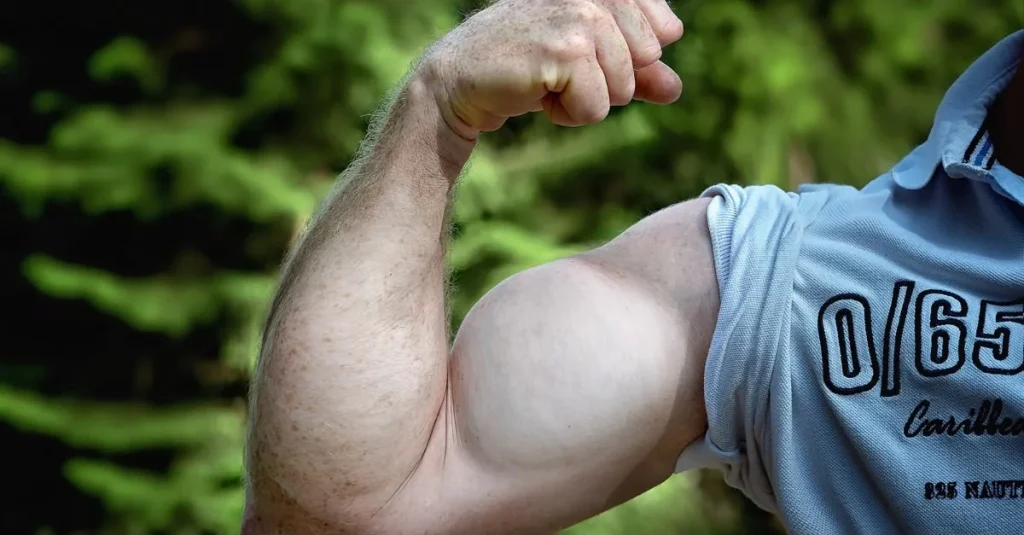
10 Best Muscle Recovery Tips After a Workout
Knowing that recovery matters is one thing. Putting it into practice is another.
You don’t need an expensive recovery routine or a cabinet full of supplements to support your body after exercise. Some of the most useful recovery habits are simple and consistent.
Here are 10 practical muscle recovery tips you can use after your workouts.
1. Prioritize Quality Sleep
Sleep is one of the most important parts of recovery. While you sleep, your body gets time away from the demands of exercise and daily activity to carry out important repair and recovery processes.
If you’re regularly cutting your sleep short, adding more training may not solve the problem. Instead, aim to make quality sleep part of your training routine.
Try to keep a consistent sleep schedule, create a relaxing bedtime routine, and give yourself enough time in bed to get the sleep your body needs.
2. Eat Enough Protein
Your muscles need protein to repair and maintain muscle tissue after exercise. If you want to understand more about how protein supports muscle and fat loss, read my guide on why protein matters for muscle and fat loss.
Instead of focusing on one large protein-rich meal after your workout, aim to include good sources throughout the day. Foods such as eggs, fish, chicken, lean meat, beans, yogurt, milk, and other protein-rich foods can all contribute to your daily intake.
If you’re already following a strength training routine, paying attention to your overall nutrition can help support the work you’re putting into your workouts.
3. Eat a Balanced Meal After Training
Protein isn’t the only nutrient your body needs after exercise. A balanced meal can provide protein, carbohydrates, fluids, vitamins, and minerals that support your overall recovery.
For example, you could combine rice with fish and vegetables, eggs with whole-grain bread and fruit, or beans with rice and vegetables.
The goal isn’t to find one magical post-workout food. It’s to consistently give your body enough nutritious food to meet your needs.
4. Stay Hydrated
You lose fluid through sweat during exercise, especially when training in hot or humid conditions.
Replacing those fluids is an important part of recovery. Drink water regularly throughout the day and pay attention to your thirst, exercise duration, and how much you sweat.
For longer or sweaty training sessions, your fluid and electrolyte needs may be greater.
5. Use Active Recovery
Recovery doesn’t always mean lying on the couch all day.
Light activities such as walking, gentle cycling, or easy mobility work can help you stay moving without placing the same demands on your body as a hard workout.
The key is to keep the activity easy enough that it doesn’t become another demanding training session.
For example, an easy walk the day after a challenging leg workout may be more appropriate than another intense leg session.
6. Give Sore Muscles Time to Recover
It’s tempting to train through soreness because you don’t want to lose momentum. But more training isn’t always better.
If a muscle group is still significantly sore from a demanding workout, consider giving it more time before training it hard again.
You can target another muscle group or choose a lighter activity while the sore muscles recover.
7. Don’t Increase Your Training Load Too Quickly
Your body needs time to adapt when you increase the amount, intensity, or frequency of your training.
Instead of suddenly doubling your workload, make changes gradually and pay attention to how your body responds.
This is especially useful if you’re returning to exercise after a long break or starting a new training program.
8. Try Gentle Mobility or Stretching
Gentle mobility exercises can help you move comfortably after training and maintain your normal range of motion.
Stretching can also be part of a cool-down routine if you enjoy it. However, you don’t need to force a deep stretch or assume that stretching alone will speed up muscle repair.
Keep the movements controlled and comfortable.
9. Manage Stress Outside the Gym
Your recovery doesn’t stop when you leave the gym.
Work, family responsibilities, poor sleep, and other stressors can all affect your daily routine and make it harder to maintain healthy recovery habits. If stress is making it harder to stay consistent with your recovery, you can also read my guide on “how to manage stress for practical strategies.
You don’t need to eliminate every source of stress. Instead, look for practical ways to manage it, such as taking a walk, getting enough sleep, spending time doing something you enjoy, or creating some quiet time during your day.
10. Make Recovery Part of Your Training Plan
One of the biggest mistakes you can make is treating recovery as an afterthought.
Your training plan should include challenging workouts, easier sessions, rest, and enough time for your body to adapt.
If you constantly feel exhausted, your performance keeps declining, or you’re struggling to recover between workouts, it may be time to reassess your training volume, intensity, sleep, nutrition, and rest.
Recovery isn’t a sign that you’re training less seriously. It’s part of making your training sustainable.
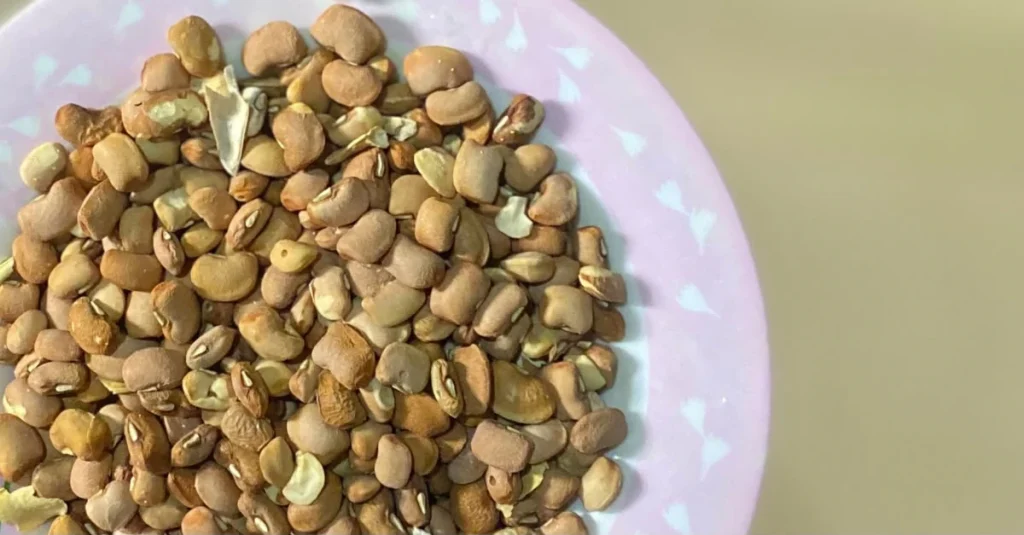
What Are the Best Foods for Muscle Recovery?
What you eat after training can support your body’s recovery by providing protein, carbohydrates, vitamins, minerals, and fluids. You don’t need a complicated post-workout meal. The goal is to choose nutritious foods that help you meet your overall needs.
If you are looking for practical meal ideas, read my guide to the best foods for recovery.
Protein-rich foods such as eggs, fish, chicken, lean meat, beans, yogurt, and milk can help you meet your protein needs. Carbohydrate-rich foods such as potatoes, rice, oats, fruits, and whole grains can also help replenish energy after exercise.
Fruits and vegetables add vitamins, minerals, and other nutrients, while healthy fats from foods such as nuts, seeds, avocado, and oily fish can be part of a balanced diet.
You also shouldn’t overlook fluids. Replacing fluids lost through sweat is an important part of recovering after exercise, especially after longer or more intense sessions.
How to Speed Up Muscle Recovery
You can’t completely eliminate the time your body needs to recover after exercise, but you can support the process and avoid habits that may slow you down.
Start with the basics:
- Get enough sleep: Your body uses sleep as an important part of recovery.
- Eat enough protein and carbohydrates: A balanced meal after training provides nutrients your body needs to repair tissue and replenish energy.
- Stay hydrated: Replace fluids lost during exercise, especially after longer or more intense workouts.
- Keep moving gently: An easy walk or light activity can help you stay mobile without adding another demanding workout.
- Give your muscles time: Training hard again before you’re ready can make it harder to recover.
You also don’t need to rely on expensive supplements or complicated recovery techniques. Consistent sleep, good nutrition, hydration, sensible training, and adequate rest provide the foundation.
If you’re regularly struggling to recover between workouts, look at your overall training load and lifestyle rather than simply trying to find a faster recovery method.

Does Magnesium Help With Muscle Recovery?
Magnesium is an important mineral for normal muscle and nerve function. It is involved in hundreds of biochemical reactions in the body, including processes related to energy production, protein synthesis, and muscle contraction.
But does taking extra magnesium automatically improve muscle recovery after a workout?
Not necessarily.
Research on magnesium supplementation and exercise recovery is still limited. A 2024 systematic review found some evidence that magnesium supplementation may reduce muscle soreness and support recovery in physically active people, but the researchers also noted that the ideal form, timing, and dosage were not yet well established.
Another systematic review and meta-analysis found that magnesium supplementation didn’t significantly improve measures of muscle strength or power in most athletes and physically active people who already had adequate magnesium status. This suggests that supplementation may be more relevant when someone has inadequate magnesium intake or a deficiency rather than as a general recovery shortcut.
Which Magnesium Is Best for Muscle Recovery?
There isn’t enough evidence to say that one particular form of magnesium is the best choice specifically for muscle recovery.
Magnesium supplements come in several forms, including magnesium citrate, chloride, lactate, and aspartate.
Before reaching for a supplement, consider your diet. Magnesium is naturally found in foods such as beans and other legumes, nuts, seeds, whole grains, and green leafy vegetables.
For most people, the goal should be to meet their nutritional needs through a balanced diet. If you think you may have a magnesium deficiency or are considering a supplement, it’s worth discussing it with a qualified healthcare professional, particularly if you take medications or have a health condition.
Magnesium can be part of a healthy diet, but it shouldn’t replace the fundamentals of muscle recovery: adequate sleep, sufficient nutrition, hydration, appropriate training, and enough time between demanding workouts.
Do Muscle Recovery Supplements Work?
Muscle recovery supplements are everywhere, and it’s easy to assume that taking the right powder or capsule will help you recover faster after every workout. But supplements aren’t a replacement for the basics of recovery.
The National Institutes of Health notes that a nutritionally adequate diet and sufficient hydration are important for exercise performance and recovery, while the effectiveness of individual supplements can vary depending on the person, type of exercise, intensity, and duration.
Some supplements have stronger evidence than others.
Protein Supplements
Protein supplements can be useful when it’s difficult to get enough protein from your regular meals. Protein provides the amino acids your body needs to build, maintain, and repair muscle.
However, you don’t need a protein powder simply because you’ve finished a workout. If you’re already getting enough protein from foods such as eggs, fish, chicken, dairy, beans, and other protein-rich foods, a supplement may not provide much additional benefit.
Creatine
Creatine is one of the most extensively studied sports supplements. It can improve strength, power, and performance during repeated bouts of high-intensity exercise, and regular supplementation can support adaptations to resistance training.
Its main role isn’t to act like a quick recovery remedy after a single workout. Instead, creatine can be useful as part of a longer-term training and nutrition strategy for people whose activities benefit from repeated high-intensity effort.
BCAA Supplements
Branched-chain amino acids, or BCAAs, are often marketed for muscle recovery. However, the NIH reports that there isn’t much scientific evidence that BCAA supplements improve performance, build muscle, or help tired and sore muscles recover after exercise. Getting adequate complete protein from food already provides BCAAs.
What About Other Recovery Supplements?
You may also see products containing ingredients such as HMB, amino acids, antioxidants, or combinations of several ingredients marketed as muscle recovery supplements.
The evidence isn’t equally strong for all of them. Some ingredients have limited or conflicting research, and many supplement products combine several ingredients in amounts that may not have been well studied together.
So, before buying a supplement, ask a simple question: Is there a clear reason I need this supplement, or do I need to improve my basic recovery habits first?
For most people, the foundation should remain adequate food, enough protein, hydration, quality sleep, sensible training, and sufficient rest. Supplements can sometimes complement that foundation, but they shouldn’t replace it.

How Long Does Muscle Recovery Take?
There isn’t one exact amount of time that everyone needs to recover after a workout.
Your recovery time depends on the type and intensity of exercise, how accustomed you are to the workout, the muscles you trained, your sleep, nutrition, stress levels, and your overall training routine.
You may also experience delayed-onset muscle soreness (DOMS) after a workout that your body isn’t used to. According to the American College of Sports Medicine, DOMS can begin about 12 to 24 hours after exercise and may be most noticeable between 24 and 72 hours afterward.
But that doesn’t mean your muscles always need 72 hours before you can exercise again. Soreness and muscle recovery aren’t the same thing. You may be able to perform another workout while experiencing mild soreness, depending on the activity and how you feel.
For example, if you trained your legs hard on Monday, you might choose an easier upper-body workout or a light walk on Tuesday rather than immediately putting your legs through another demanding session.
Factors That Can Affect Recovery Time
Several things can influence how quickly you feel ready for your next challenging workout:
- Training intensity: Harder or unfamiliar workouts can create greater fatigue and soreness.
- Exercise selection: Some movements, particularly those involving a lot of eccentric muscle action, can produce more soreness.
- Training experience: Your body can adapt to exercises you perform regularly, while a new workout may leave you more sore.
- Sleep: Consistently poor sleep can make it harder to maintain good recovery habits.
- Nutrition: Your body needs adequate energy and nutrients to support the recovery process.
- Stress: Recovery isn’t determined by exercise alone. Your overall physical and mental demands matter too.
Instead of following a strict recovery clock, pay attention to how you’re performing and feeling. If your soreness is mild and you’re moving normally, you may be able to continue training with appropriate adjustments.
If you’re experiencing significant pain, weakness, or a noticeable drop in performance, giving yourself more time or seeking professional advice may be more appropriate.
The goal isn’t to wait until you feel absolutely perfect after every workout. It’s to give your body enough time and resources to recover while managing your training in a way you can sustain.
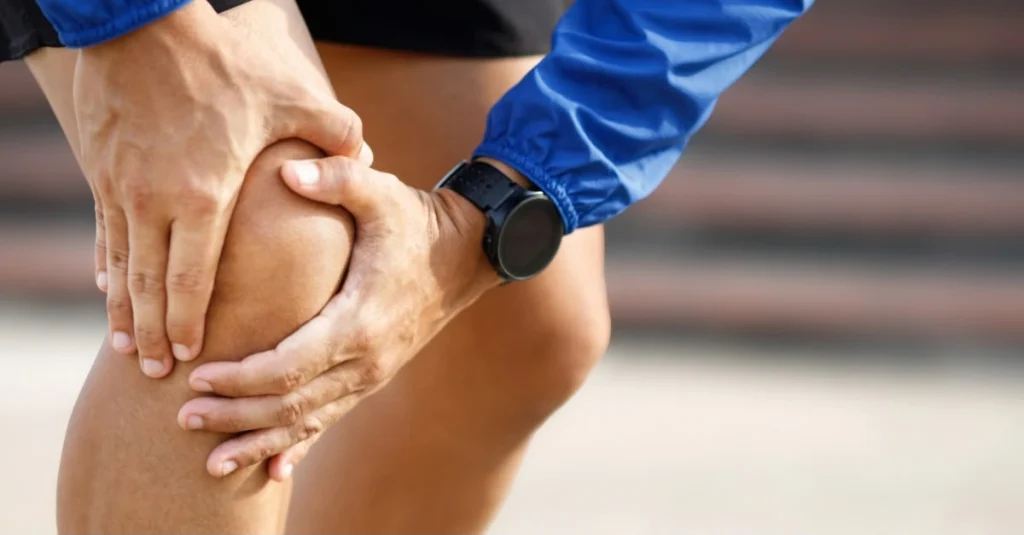
Muscle Soreness vs. Pain: When Should You Be Concerned?
Feeling some soreness after a challenging or unfamiliar workout can be normal. Delayed-onset muscle soreness (DOMS) often develops within the first day or two after exercise and can last for several days. It may include tenderness, stiffness, and temporary reductions in muscle strength or range of motion.
But soreness isn’t the same as pain from an injury.
If you feel sharp or significant pain during an exercise, don’t assume you need to push through it to make progress.
Signs That You May Need to Back Off
Pay attention if you experience:
- Sharp or severe pain rather than ordinary muscle soreness
- Significant swelling
- Pain that makes normal movement difficult
- A noticeable loss of strength or function
- Symptoms that continue to worsen instead of gradually improving
- Dark or cola-colored urine after very strenuous exercise
Severe muscle pain, substantial swelling, weakness, or dark urine can sometimes indicate a more serious problem and shouldn’t be treated as normal post-workout soreness
Don’t Use Pain as a Measure of a Good Workout
You don’t need to be extremely sore after every workout for your training to be effective.
In fact, trying to create as much soreness as possible can work against your ability to train consistently.
If something doesn’t feel right, don’t be afraid to modify the exercise, reduce the intensity, or take additional recovery time. When you’re unsure whether a symptom is normal soreness or an injury, a qualified healthcare professional can help you determine what is happening.
A Simple Muscle Recovery Routine After a Workout
You don’t need a complicated routine to support recovery. A few simple habits after training can make a difference.
- Right after your workout: Cool down with a few minutes of easy movement and drink some water.
- Within the next few hours: Have a balanced meal containing protein and carbohydrates to provide nutrients and energy.
- Later that day: Keep moving normally or take an easy walk rather than staying completely inactive.
- That night: Prioritize a good night’s sleep so your body has time to recover.
- The next day: Pay attention to how you feel before training again. If you’re still very sore or unusually tired, consider reducing the intensity or giving yourself more recovery time.
The goal isn’t to find a perfect recovery routine. It’s to build simple habits you can follow consistently.
Final Thoughts
A good workout is only one part of making progress. What you do after that workout matters too.
Getting enough sleep, eating enough protein and nutritious foods, staying hydrated, moving gently on recovery days, and giving tired muscles time to recover can all help you stay consistent with your training.
You don’t need an expensive recovery routine or a cabinet full of supplements. Start with the basics and pay attention to how your body responds.
And remember, being sore is not the goal. The goal is to recover well enough to come back stronger, move better, and keep making progress.
If you’re training after 30, make recovery part of your workout plan—not something you think about only when you feel exhausted.
Join the Conversation
What recovery habit has helped you most? Join the conversation in the comments.