Hydration After 30: Mistakes Slowing Fat Loss
Table of Contents
ToggleHave you ever felt like you’re doing everything right, eating healthier, exercising consistently, and cutting back on unhealthy snacks, yet your fat loss progress seems slower than expected?
I know that feeling because I’ve experienced it myself.
I remember when I focused almost entirely on workouts and nutrition. I planned my meals, prioritized protein, and stayed committed to strength training. But there was one habit I overlooked for far too long: staying properly hydrated.
At first, I thought drinking water was easy. But I later realized it was more than just grabbing a glass of water. On days when I drank very little, my workouts felt harder, and I sometimes mistook thirst for hunger, leading to unnecessary snacking.
While increasing your water intake won’t magically burn body fat, staying well hydrated supports many of the habits that make successful fat loss possible. It helps maintain exercise performance, supports normal body functions, and can make it easier to stick with healthy eating habits over the long term.
If you’re over 30 and working toward a healthier body, avoiding common hydration mistakes may help you stay more consistent with your fitness journey.
In this guide, I’ll walk you through the biggest hydration mistakes that can slow your progress and share practical ways to build better hydration habits.
Why Hydration Matters After 30
As we age, our bodies undergo natural changes that can affect both hydration and weight management. Muscle mass gradually declines with age; if we don’t engage in regular strength training, our sense of thirst may become less noticeable, and busy work and family schedules often cause us to forget to drink enough water throughout the day.
These changes don’t mean staying hydrated becomes difficult; they mean we need to be more intentional about it.
Water plays a vital role in almost every function of the body. It helps transport nutrients to your cells, regulates body temperature, lubricates your joints, supports digestion, and allows your muscles to function properly during exercise. Even mild dehydration can reduce physical performance, making workouts feel more challenging than they should.
For anyone trying to lose fat after 30, proper hydration truly matters because consistency is everything. If dehydration leaves you feeling sluggish or fatigued, you’re more likely to skip workouts or struggle to maintain your usual training intensity.
Hydration also supports recovery after exercise, helping your body replace fluids lost through sweat and preparing you for your next workout.
It’s important to remember that water itself doesn’t directly burn fat. Sustainable fat loss still involves maintaining a calorie deficit, eating a balanced diet, exercising regularly, getting adequate sleep, and managing stress. However, proper hydration supports all of these healthy habits, making it easier to stay consistent over time.
If you’re building a healthier lifestyle after 30, hydration should be viewed as one piece of the bigger picture rather than a quick fix.
For a broader understanding of nutrition habits, see Nutrition After 30: A Complete Guide to Healthy Eating
10 Hydration Mistakes After 30 That Slow Fat Loss
Below are the top 10 hydration mistakes after 30 that may be slowing your fat-loss progress without you even realizing it. These small daily habits can affect your metabolism, energy levels, and overall results more than most people think.
Understanding and correcting them can make a noticeable difference in how your body responds to diet and exercise.
1: Waiting Until You’re Thirsty to Drink Water
One of the biggest hydration mistakes I made was waiting until I felt thirsty before reaching for a glass of water. I assumed that if I wasn’t thirsty, my body didn’t need fluids.
Over time, I realized that wasn’t the best approach. On days when I drank very little water, my workouts felt more challenging, and I often felt less energized than usual.
The truth is, thirst isn’t always the earliest sign that your body needs water.
According to the U.S. National Academies of Sciences, Engineering, and Medicine, water is essential for regulating body temperature, transporting nutrients, lubricating joints, and supporting many other normal body functions. By the time you notice you’re thirsty, your body may already be experiencing mild dehydration.
Instead of waiting to get thirsty, make hydration part of your daily routine. Keep a reusable water bottle nearby, drink water regularly throughout the day, and remember to hydrate before your workouts rather than trying to catch up afterward.
How to Avoid This Mistake
- Start your day with a glass of water.
- Keep a reusable water bottle within easy reach.
- Sip water consistently throughout the day rather than drinking large amounts at once.
- Drink water before and after exercise to replace fluids lost through sweat.
Related Reading: My Hydration Mistakes After 30: What I Learned

2: Confusing Thirst With Hunger
Have you ever reached for a snack shortly after a meal because you still felt unsatisfied? I’ve done that more times than I’d like to admit.
As I became more mindful of my hydration, I noticed that some of those cravings disappeared after I drank a glass of water. While thirst and hunger are different sensations, it’s easy to mistake one for the other, especially when you’re busy or distracted.
The next time you feel hungry between meals, try drinking a glass of water and waiting 15 to 20 minutes. If you’re still hungry afterward, enjoy a balanced snack. This simple habit can help you better understand your body’s signals and may reduce unnecessary snacking.
How to Avoid This Mistake
- Drink water consistently throughout the day.
- Have a glass of water before reaching for a snack.
- Wait 15–20 minutes to see if you’re truly hungry.
- Choose nutritious snacks if you’re still hungry.
Related reading: Weight Loss After 30: The Ultimate Guide to Fat Loss
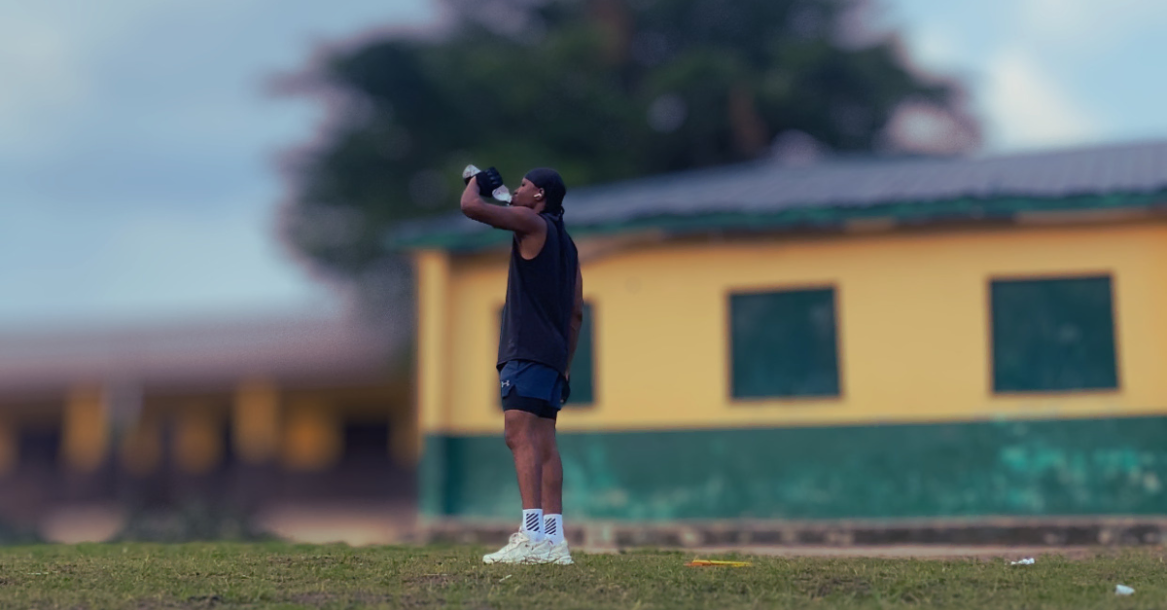
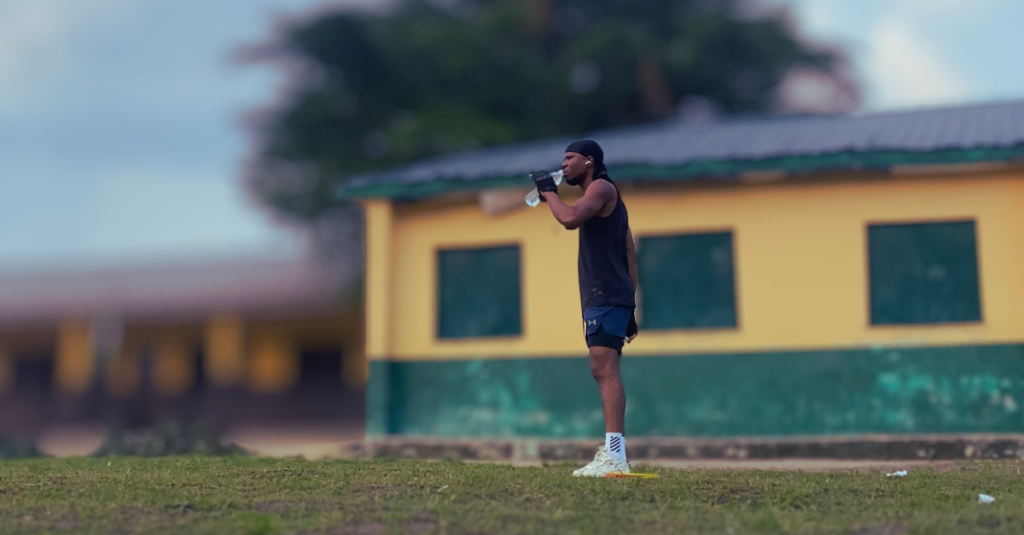
3: Not Drinking Enough Around Your Workouts
Exercise increases fluid loss through sweat, and starting a workout dehydrated can make it feel more difficult than it needs to.
I’ve noticed this myself. On days when I didn’t drink enough water, I became tired more quickly, and my workouts felt harder even when I was doing the same routine.
The American College of Sports Medicine (ACSM) recommends replacing fluids before, during, and after exercise to support performance and reduce the risk of dehydration, particularly during longer or more intense workouts.
You don’t need to drink excessive amounts of water all at once. Instead, stay hydrated throughout the day, and replace fluids afterward. If you exercise for more than an hour or sweat heavily, you may also benefit from replacing electrolytes.
How to Avoid This Mistake
- Drink water regularly throughout the day.
- Hydrate before and after every workout.
- Replace fluids lost through sweat.
- Consider electrolytes after prolonged or intense exercise.
Related reading: 30-Minute Beginner Workout Plan After 30 (Internal Link)
4: Replacing Water With Sugary Drinks
One mistake that can quietly slow your fat loss progress is relying on sugary drinks instead of water. Soft drinks, sweetened coffees, energy drinks, and some fruit juices can add more sugar and calories to your diet.
I used to think that any drink would keep me hydrated, but I later realized that regularly choosing sugary beverages made it harder to stay within my calorie goals. Switching to water more often was a simple change that supported my overall nutrition plan.
The Centers for Disease Control and Prevention (CDC) recommends choosing water instead of sugar-sweetened beverages to reduce added sugar intake.
If plain water isn’t your favorite, try adding slices of lemon, cucumber, mint, or berries for flavor. Having a moderate amount of unsweetened tea and black coffee is also a good alternative.
How to Avoid This Mistake
- Make water your primary beverage.
- Limit sugar-sweetened drinks.
- Flavor water naturally with fruit or herbs.
- Choose unsweetened tea or black coffee when possible.
5: Ignoring Electrolytes After Heavy Sweating
Hydration isn’t just about replacing the water you lose through sweat. During long or intense workouts, especially in hot weather, your body also loses electrolytes such as sodium and potassium.
For most people, a balanced diet and regular water intake are enough to replace these losses. However, if you exercise for extended periods or sweat heavily, replenishing electrolytes can help maintain normal fluid balance and support muscle function.
This doesn’t mean you need a sports drink after every workout. Foods like bananas, potatoes, yogurt, leafy greens, and oranges naturally provide important electrolytes while also supplying other valuable nutrients.
The key is to match your hydration strategy to your activity level rather than assuming the same approach works for every workout.
How to Avoid This Mistake
- Drink water before, during, and after exercise.
- Replace electrolytes after prolonged or intense workouts.
- Eat potassium-rich fruits and vegetables regularly.
- Increase your fluid intake when exercising in hot weather.
6: Increasing Protein Without Increasing Your Water Intake
Protein is essential for maintaining muscle mass, supporting recovery, and helping you feel full, especially after age 30. As I became more intentional about strength training, I increased my protein intake but didn’t pay much attention to my hydration.
Over time, I realized that drinking enough water is as important as eating enough protein. Staying hydrated helped me feel better throughout the day and made it easier to stay with my nutrition plan.
The International Society of Sports Nutrition (ISSN) recommends that physically active individuals consume adequate protein to support muscle maintenance, recovery, and overall performance.
As you increase your protein intake, it’s also important to maintain good hydration as part of a balanced diet.
How to Avoid This Mistake
- Drink water regularly throughout the day.
- Include fluids with your meals and snacks.
- Increase your protein intake gradually.
- Pair high-protein meals with a balanced diet and healthy hydration habits.
Related reading: Protein After 30: Why It Matters for Muscle and Fat-Loss
7: Believing Coffee Always Causes Dehydration
Have you ever heard someone say that every cup of coffee dehydrates you?
I used to believe that too, so I worried that drinking coffee meant I wasn’t staying hydrated. After conducting research, I discovered that the story is more nuanced.
While caffeine has a mild diuretic effect, regular coffee drinkers generally develop a tolerance, meaning coffee doesn’t automatically cause dehydration.
That doesn’t mean you should replace water with coffee. Instead, enjoy your coffee in moderation while continuing to drink water throughout the day.
How to Avoid This Mistake
- Enjoy coffee in moderation.
- Continue drinking water regularly.
- Stop relying on caffeinated drinks as your source of hydration.
- Adjust your caffeine intake if you’re sensitive to its effects.
8: Drinking Most of Your Water at Night
There was a time when I’d get to the end of the day and realize I had barely drunk any water. To make up for it, I’d drink several glasses before bed.
The problem is that I often woke up during the night to use the bathroom, which disrupted my sleep. Since quality sleep plays an important role in recovery and overall health, I realized that trying to “catch up” on water at night wasn’t the best strategy.
Now, I spread my water intake throughout the day. It helps me stay hydrated without interfering with my sleep.
How to Avoid This Mistake
- Drink water consistently throughout the day.
- Carry a reusable water bottle as a reminder.
- Avoid drinking large amounts of water right before bed.
- Build hydration into your daily routine instead of waiting until night.
9: Forgetting That Foods Can Also Keep You Hydrated
Drinking water is the best way to stay hydrated, but it’s not the only source of fluids. Many fruits and vegetables have a high water content, which can help with your daily hydration.
Foods such as watermelon, cucumbers, oranges, strawberries, tomatoes, and lettuce are excellent choices. They not only provide water but also supply vitamins, minerals, antioxidants, and fiber that support your overall health.
Adding a serving of fruit or vegetables to each meal is a simple way to support hydration while improving the quality of your diet.
How to Avoid This Mistake
- Include fruits or vegetables with every meal.
- Snack on water-rich produce.
- Eat a variety of colorful fruits and vegetables each week.
- Continue drinking water even when eating hydrating foods.
10: Assuming More Water Automatically Means Faster Fat Loss
One of the biggest misconceptions about hydration is that drinking more water will automatically help you lose more body fat.
The truth is, water doesn’t directly burn fat. However, staying hydrated can support your fat-loss efforts by helping you perform better during workouts, supporting normal body functions, and making it easier to maintain healthy eating habits.
Successful fat loss still comes down to maintaining a calorie deficit, exercising regularly, getting enough sleep, and staying consistent over time. Hydration supports these habits, but it doesn’t replace them.
Instead of focusing on drinking as much water as possible, focus on drinking enough to meet your body’s needs. Consistency will always produce better long-term results than chasing quick fixes.
How to Avoid This Mistake
- Don’t expect water alone to burn body fat.
- Stay hydrated as part of a balanced lifestyle.
- Combine proper hydration with nutritious eating and regular exercise.
- Focus on sustainable habits rather than shortcuts.
How Much Water Should You Drink After 30?
One common question people ask is, “How much water should I drink each day?” The truth is that there isn’t a one-size-fits-all answer.
Your daily fluid needs depend on several factors, including your age, body size, activity level, climate, and overall health. If you exercise regularly, spend time outdoors in hot weather, or sweat heavily, you’ll likely need more fluids than someone less active.
Instead of focusing on a specific number of glasses each day, pay attention to your body’s hydration needs.
Drinking water consistently throughout the day, staying hydrated during workouts, and aiming for pale yellow urine are practical ways to monitor your hydration.
If you have a medical condition such as kidney disease or heart failure that affects your fluid intake, speak with your healthcare provider for personalized advice.
Frequently Asked Questions
Does drinking more water help you lose weight?
Drinking water doesn’t directly burn body fat. However, staying hydrated can support exercise performance, help you distinguish thirst from hunger, and make it easier to maintain healthy habits that contribute to long-term fat loss.
Is coffee as hydrating as water?
Water should be your primary source of hydration. However, research suggests that moderate coffee consumption can still contribute to daily fluid intake for most healthy adults.
Can I drink too much water?
Yes. Although uncommon, drinking excessive amounts of water in a short period can lead to a condition called hyponatremia, where the sodium levels in your blood become dangerously low. Focus on drinking enough to meet your body’s needs rather than forcing excessive amounts.
Final Thoughts
Looking back, hydration was one of the simplest habits I underestimated. I spent so much time focusing on workouts and nutrition that I overlooked how much staying hydrated could support my overall fitness routine.
While drinking more water isn’t a magic solution for fat loss, it can help you stay energized, perform better during workouts, support recovery, and make it easier to build healthy habits that last.
If you’re over 30, don’t overlook the basics. Pair proper hydration with regular exercise, balanced nutrition, quality sleep, and consistency. Those small daily choices may not produce overnight results, but they can make a meaningful difference over time.
Join the Conversation
Have you made any of these hydration mistakes, or do you have a tip that’s helped you stay hydrated after 30? I’d love to hear about your experience.
Leave a comment below and join the conversation. Your story or advice could encourage someone else on their fitness journey.
If you found this guide helpful, consider sharing it with a friend or family member who’s working toward better health after 30.