Protein After 30: Why It Matters for Muscle and Fat Loss
Table of Contents
ToggleHave you ever wondered why building muscle and losing fat seem harder after 30, even when you’re exercising consistently?
I asked myself the same question during my own fitness journey. Although I stayed committed to my workouts, I later realized that training alone wasn’t enough.
It wasn’t until I started paying closer attention to my protein intake that I noticed a real difference in my recovery, strength, and overall progress.
The truth is, as we age, maintaining muscle becomes essential, not just for being fit, but also for supporting metabolism, staying strong, and making fat loss more sustainable. Protein provides the building blocks your body needs to repair muscle, recover from exercise, and support your overall health.
In this guide, you’ll learn why protein matters more after 30, how much you need, the best protein-rich foods to eat, and practical tips to help you build muscle, lose fat, and stay healthy.
Why Protein Matters More After 30
Turning 30 doesn’t suddenly slow your metabolism overnight or cause your muscles to disappear. However, small changes may begin to take place that can gradually affect your body composition if you don’t adapt your nutrition and exercise habits.
Many adults notice changes such as:
- Building muscle becomes slower than it was in their 20s.
- Recovery after workouts takes longer.
- Losing body fat requires more consistency.
- Maintaining muscle becomes more difficult during weight loss.
- Energy levels may fluctuate more throughout the day.
While these changes vary from person to person, they are influenced by factors such as lifestyle, activity level, sleep quality, stress, and gradual age-related changes in muscle metabolism.
One important concept researchers discuss is anabolic resistance.
Anabolic resistance refers to the reduced sensitivity of aging muscle to the signals that stimulate muscle protein synthesis, the process your body uses to repair and build muscle after eating protein or exercising.
Although this becomes more noticeable later in life, evidence suggests that maintaining regular resistance training and consuming enough high-quality protein can help offset its effects.
According to the International Society of Sports Nutrition (ISSN), adequate protein intake combined with resistance exercise plays a key role in maximizing muscle protein synthesis and supporting recovery in physically active adults.
Protein doesn’t help bodybuilders build bigger muscles.
It supports nearly every tissue in your body and contributes to numerous functions that become increasingly important as you age.
What Exactly Does Protein Do?
Protein is one of the three major macronutrients, alongside carbohydrates and fats.
It is made up of smaller compounds called amino acids, often referred to as the building blocks of life.
Your body uses these amino acids to:
- Repair muscle tissue after exercise
- Build new muscle fibers
- Produce enzymes and hormones
- Support immune function
- Maintain healthy skin, hair, and nails
- Help transport oxygen and nutrients throughout the body
- Support healthy bones and connective tissues
Unlike carbohydrates and fats, your body doesn’t store large amounts of protein for future use. That means you need a regular intake of these essential nutrients from your daily diet to support these functions continuously.
This becomes even more important if you exercise regularly or are trying to lose weight.
Why Protein Is Essential for Muscle Maintenance After 30
Many people think muscle loss becomes a concern after retirement.
In reality, adults lose small amounts of muscle mass as they age, particularly if they become inactive or consume little protein.
This gradual loss of muscle is associated with a condition known as sarcopenia, which becomes more common with advancing age.
While sarcopenia is typically seen in older adults, building healthy habits in your 30s and 40s can help support long-term muscle health.
Maintaining muscle isn’t just about appearance.
Lean muscle contributes to:
- Everyday strength
- Better posture
- Improved balance
- Joint support
- Physical independence later in life
- A healthier metabolism
Every time you perform resistance exercises such as squats, push-ups, rows, or lunges, tiny amounts of muscle damage occur. Your body repairs those muscle fibers during recovery, allowing them to become stronger over time.
However, this repair process depends on having enough amino acids available.
Without adequate protein, your body doesn’t have the raw materials it needs to optimize muscle repair and growth.
This is one reason why strength training and protein work hand in hand.
If you’re just getting started with resistance exercise, check out our guide on Strength Training After 30: The Complete Guide for Beginners, where you’ll learn how to build muscle safely and effectively without spending hours in the gym.
Protein and Fat Loss: Why They’re Connected
One of the biggest misconceptions about fat loss is that eating less automatically leads to better results.
While creating a calorie deficit is essential for losing weight, the quality of the food you eat is just as important as the quantity. That’s because the foods you choose affect your hunger, energy levels, recovery, and the amount of muscle you maintain during your weight-loss journey.
This is where protein stands out.
Protein supports fat loss in several ways, making it one of the most valuable nutrients to include in your diet after 30.
1. Protein Helps You Feel Fuller for Longer
Have you ever eaten a breakfast of toast or sugary cereal, only to feel hungry again before lunchtime?
I’ve experienced that myself. On days when my meals were mostly carbohydrates, I found myself reaching for snacks much sooner. But when I started including protein-rich foods like eggs or Greek yogurt at breakfast, I stayed satisfied for much longer.
There’s science behind that experience.
Protein is considered the most filling, or most satiating, of the three macronutrients. It slows digestion and influences hormones that regulate hunger and fullness, which may help reduce unnecessary snacking and make it easier to stick to a calorie deficit.
The Harvard T.H. Chan School of Public Health explains that protein plays an important role in appetite regulation and can support healthy weight management.
While protein won’t eliminate hunger, including a good source at each meal can help you feel satisfied for longer and make healthy eating more sustainable.
2. Protein Helps Preserve Muscle During Weight Loss
When you lose weight, your goal shouldn’t be to make the number on the scale smaller.
Ideally, you want to lose body fat while keeping as much lean muscle as possible.
Without enough protein, especially when you’re eating fewer calories, your body may break down muscle tissue along with stored body fat.
This matters because lean muscle contributes to:
- Strength and physical performance
- Better mobility and balance
- Improved exercise recovery
- A healthier metabolism
- Long-term functional health
Combining adequate protein intake with regular strength training provides your body with the nutrients and stimulus needed to preserve muscle while reducing body fat.
If your goal is sustainable fat loss, protecting your muscle is just as important as burning calories.
For practical strategies, you may also enjoy our guide on Weight Loss After 30: The Ultimate Guide to Fat Loss, where we cover sustainable fat-loss habits in greater detail.
Related reading:
3. Protein Has a Higher Thermic Effect
Every time you eat, your body burns calories digesting, absorbing, and processing the food you’ve consumed. This is known as the Thermic Effect of Food (TEF).
Protein has a higher thermic effect than carbohydrates and fats. In simple terms, your body uses more energy to digest protein-rich foods.
Although this doesn’t mean eating protein will dramatically increase your calorie burn, it does provide a small metabolic advantage as part of a balanced diet and active lifestyle.
Think of it as another reason protein supports a healthy body composition, not because it’s a magic fat-burning nutrient, but because it works together with regular exercise, good nutrition, and consistent healthy habits.
How Much Protein Do You Need After 30?
One of the questions I hear most often is:
“How much protein should I actually eat each day?”
The answer depends on your body weight, activity level, and fitness goals.
The Recommended Dietary Allowance (RDA) for healthy adults is 0.8 grams of protein per kilogram of body weight per day. This amount is designed to prevent protein deficiency in the general population.
However, if you’re strength training regularly or trying to build muscle while losing fat, you may benefit from consuming more than the minimum recommendation.
According to the International Society of Sports Nutrition (ISSN), physically active adults generally benefit from consuming 1.4 to 2.0 grams of protein per kilogram of body weight per day to support muscle growth, recovery, and exercise performance.
Instead of focusing on a perfect number, your protein intake should be based on your goal.
- For general health, aim for 0.8 grams per kilogram of body weight each day.
- If you’re physically active, targeting 1.2 to 1.6 grams per kilogram is a good idea.
- If your goal is building muscle, aim for approximately 1.6 to 2.2 grams per kilogram.
- If you’re trying to lose fat while preserving muscle, targeting 1.6 to 2.4 grams per kilogram may provide additional benefits.
These recommendations are intended as general guidelines. Your ideal intake depends on age, body weight, activity level, training intensity, and overall health.
A Simple Example
Suppose you weigh 70 kg (154 lb) and your goal is to build muscle while reducing body fat.
If you choose a target of 1.6 grams of protein per kilogram, your daily protein goal would be: 70 kg × 1.6 g = 112 grams of protein per day. That doesn’t mean you should eat 112 grams in one sitting.
Instead, try spreading your protein intake across breakfast, lunch, dinner, and snacks. Research suggests that distributing protein more evenly throughout the day supports muscle protein synthesis while helping you stay fuller between meals.
If you have kidney disease or another medical condition that affects protein metabolism, speak with your healthcare provider before significantly increasing your protein intake.
Best Sources of Protein After 30
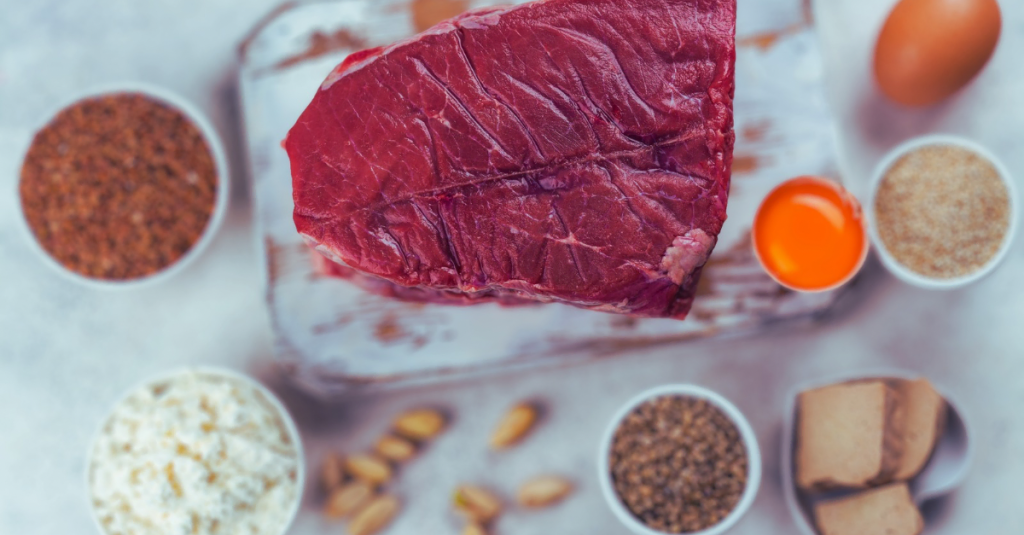
Meeting your daily protein needs doesn’t have to be complicated or expensive. In most cases, you can get plenty of high-quality protein from everyday foods.
The key is to include a variety of protein sources throughout the week. This not only helps you meet your protein target but also provides your body with important vitamins, minerals, and other nutrients that support overall health.
1. Animal-Based Protein Sources
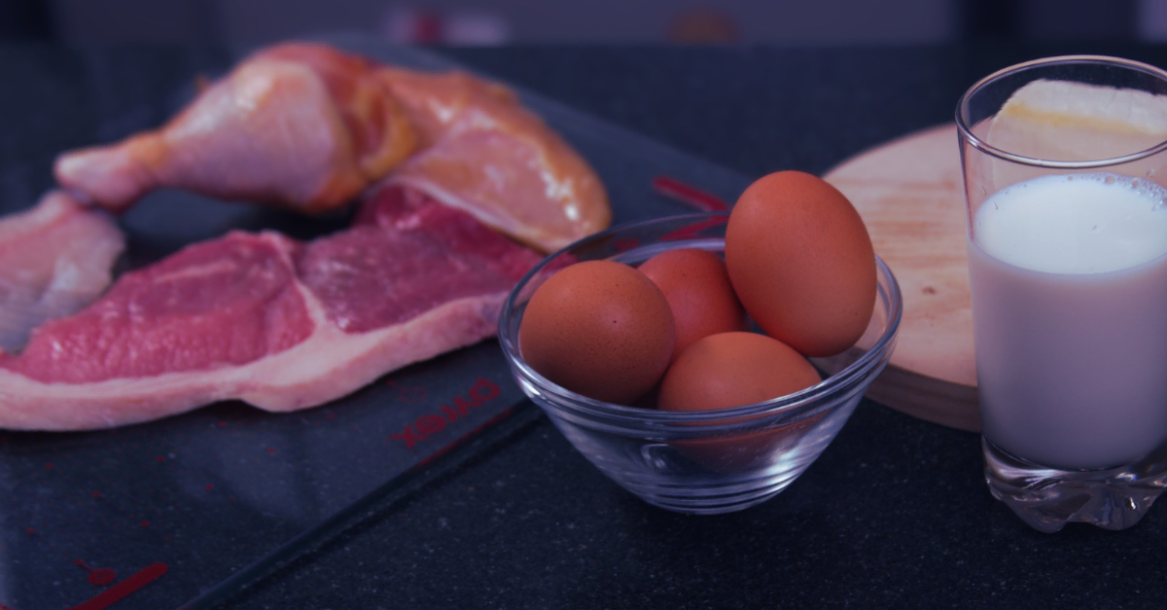
Animal foods provide complete proteins, meaning they contain all nine essential amino acids your body cannot produce on its own.
Some excellent choices include:
- Chicken breast
- Turkey
- Lean beef
- Eggs
- Greek yogurt
- Cottage cheese
- Salmon
- Tuna
- Sardines
- Mackerel
- Shrimp
Many of these foods are also rich in nutrients like vitamin B12, iron, zinc, calcium, and omega-3 fatty acids, depending on the source.
2. Plant-Based Protein Sources
If you follow a vegetarian or vegan diet, or want to eat more plant-based meals, you can still meet your protein needs.
Some nutritious plant protein sources include:
- Lentils
- Chickpeas
- Black beans
- Kidney beans
- Tofu
- Tempeh
- Edamame
- Quinoa
- Soy milk
- Pumpkin seeds
- Chia seeds
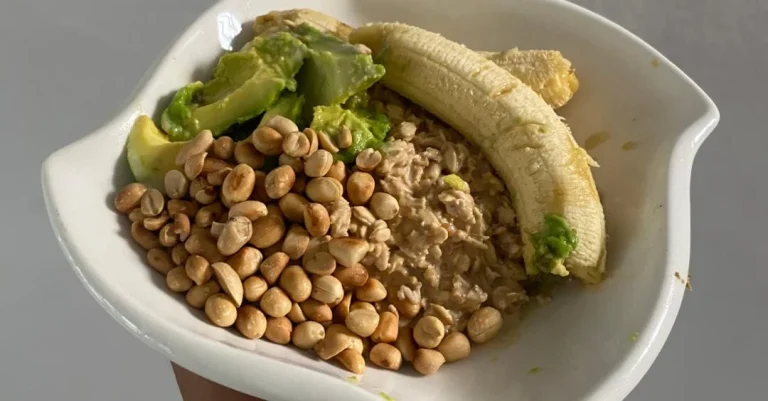
- Peanuts
- Almonds
Unlike most animal proteins, many plant proteins are also naturally high in fiber, which can support digestive health and help you feel fuller after meals.
If you’d like to explore more options, check out our guide on Best Plant-Based Protein Sources After 30, where we cover the nutritional benefits of each food and practical ways to include them in your meals.
Should You Use Protein Powder?
One of the biggest myths in fitness is that everyone needs protein powder to build muscle.
The truth is, protein powder is a supplement, not a requirement.
If you can meet your daily protein needs through whole foods, there’s no nutritional reason you must use protein supplements.
However, protein powder can be a convenient option if you:
- Have a busy schedule.
- Train regularly and need a quick post-workout meal.
- Struggle to eat enough protein from food alone.
- Travel frequently.
- Need an easy breakfast or snack.
Popular options include:
- Whey protein
- Casein protein
- Soy protein
- Pea protein
- Brown rice protein
When choosing a protein powder, look for products with minimal added sugar and ingredients. It’s also a good idea to choose supplements that have been independently tested for quality whenever possible.
Remember, supplements are designed to supplement a healthy diet, not replace balanced meals.
Common Protein Mistakes After 30
Even if you’re eating protein regularly, a few common habits may prevent you from getting the full benefits.
I cover these in more detail in our guide on My Protein Mistakes After 30, but here are some of the biggest mistakes to avoid.
1. Not Eating Enough Protein Overall
Many adults consume most of their daily protein at dinner while eating very little at breakfast or lunch.
As a result, they may miss opportunities to support muscle repair and stay satisfied throughout the day.
Try including a source of protein with every meal rather than saving it all for the evening.
2. Relying Too Much on Protein Supplements
Protein shakes are convenient, but they shouldn’t replace nutritious whole foods regularly.
Whole-food protein sources provide additional nutrients like vitamins, minerals, healthy fats, and fiber that many supplements don’t contain.
Think of protein powder as a backup plan, not your primary source of protein.
3. Ignoring Strength Training
Protein alone won’t build muscle.
Your muscles need a reason to grow, and that stimulus comes from resistance training.
Even simple exercises such as bodyweight squats, push-ups, resistance band workouts, or lifting dumbbells can help stimulate muscle growth when combined with adequate protein intake.
If you’re looking for beginner-friendly workouts, explore our 30-Minute Full-Body Home Workout After 30 to get started.
4. Forgetting About Hydration
Protein supports muscle repair, but hydration also plays an important role in exercise performance and recovery.
Drinking enough water helps regulate body temperature, transport nutrients, and replace fluids lost through sweat during exercise.
For more on this topic, read our guide Hydration After 30: Mistakes Slowing Your Fat Loss.
Frequently Asked Questions
Can eating more protein damage healthy kidneys?
For healthy individuals, current research shows that higher-protein diets are generally safe. However, people with existing kidney disease should follow the advice of their healthcare provider regarding protein intake.
Is protein important if I’m only trying to lose weight?
Yes. Adequate protein helps preserve lean muscle while you’re losing body fat. It also promotes fullness, which may help reduce overall calorie intake and make healthy eating easier to maintain.
Is animal protein better than plant protein?
Both can be part of a healthy diet.
Animal proteins naturally contain all essential amino acids, while plant-based diets can also provide adequate protein when they include a variety of protein-rich foods throughout the day.
Do I need to eat protein immediately after a workout?
While eating protein after exercise can support recovery, your total daily protein intake is generally more important than consuming protein at an exact time.
Aim to include protein consistently throughout the day rather than worrying about a narrow post-workout window.
Final Thoughts
After 30, fitness becomes less about chasing quick results and more about building habits you can maintain for years to come.
One of the biggest lessons I’ve learned on my own fitness journey is that nutrition deserves just as much attention as exercise.
The moment I became more intentional about eating enough protein each day, I noticed improvements in my recovery, energy levels, and overall workout performance. While it wasn’t an overnight transformation, those small, consistent changes made a meaningful difference over time.
Whether your goal is to build muscle, lose fat, or stay strong and active as you age, protein is one of the most important nutrients you can prioritize.
Start by including a quality source of protein with each meal, combine it with regular strength training, stay hydrated, and focus on consistency rather than perfection.
Those simple habits can help you build a stronger, healthier body, not just in your 30s, but for many years to come.
Join the Conversation
Do you find it challenging to get enough protein after age 30, or have you noticed a difference since increasing your protein intake?
Share your experience or your favorite high-protein foods in the comments below. I’d love to hear from you!