High-Calorie Foods for Weight Gain After 30: Healthy Options
Table of Contents
ToggleHave you ever tried to gain weight after 30 but struggled to eat enough food to make it happen?
I know how frustrating it can feel when you’re trying to increase your calorie intake but don’t want to spend the entire day eating huge portions. Choosing the right foods can make it easier to eat enough calories, especially when your goal is to gain weight or build muscle.
High-calorie foods can help because they provide more energy. But that doesn’t mean you need to fill your diet with fast food, sugary snacks, or other highly processed foods. There are plenty of nutritious options that provide calories along with protein, healthy fats, carbohydrates, vitamins, and minerals.
In this guide, I’ll share some of the best high-calorie foods for weight gain after 30, explain how to add them to your meals, and show you how to increase your calorie intake without making every meal feel overwhelming.
If you’re trying to gain healthy weight, build muscle, or eat more calories, let’s get started.
What Are High-Calorie Foods?
High-calorie foods are foods that provide a large amount of energy in a small serving. They can make it easier to increase your daily calorie intake without having to eat very large portions at every meal.
This can be useful if you’re trying to gain weight after 30, especially when your appetite doesn’t always match the food you need to eat. Instead of forcing yourself to add another large meal, you can make your existing meals more calorie-dense.
For example, adding peanut butter to oatmeal, avocado to a meal, nuts to yogurt, or olive oil to vegetables can increase calories in your meal without dramatically increasing its volume.
However, high-calorie doesn’t automatically mean healthy. Some highly processed foods can contain a lot of calories while providing relatively little nutritional value. For healthy weight gain, it’s generally more useful to focus on nutrient-dense high-calorie foods that also provide protein, healthy fats, carbohydrates, vitamins, and minerals.
The goal isn’t to eat as many calories as possible. It’s to find nutritious foods that help you consistently consume enough energy to support your weight-gain goal.
Healthy High-Calorie Foods for Weight Gain
If your goal is to gain weight, you don’t necessarily need to eat enormous portions or rely on junk food. A better approach is to choose foods that provide plenty of calories while also supplying nutrients your body can use.
Here are some practical options to consider:
1. Peanut Butter
Peanut butter is an easy way to add calories to meals and snacks without adding too much to your food. You can spread it on whole-grain toast, mix it into oatmeal, add it to smoothies, or eat it with fruit.
It also provides protein and fat, making it useful when you’re trying to increase both your calorie intake and the nutritional value of your meals.
2. Whole Eggs
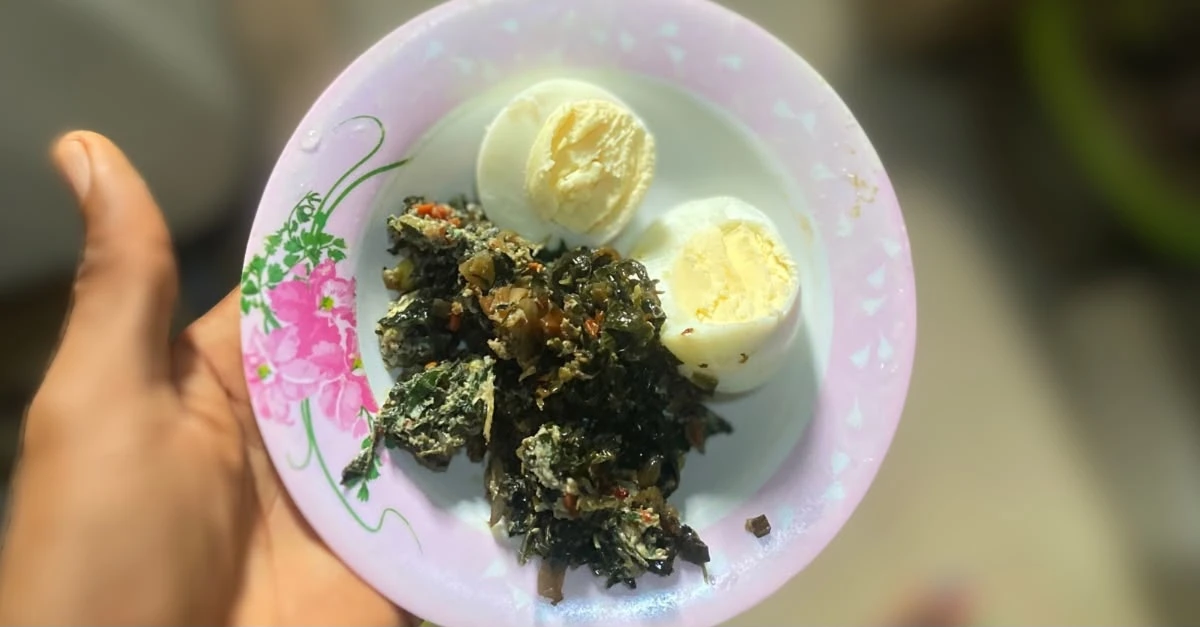
Eggs are a convenient source of protein and calories. They can be added to breakfast, rice dishes, sandwiches, or eaten as a snack.
I particularly like eggs as a practical option because they’re easy to prepare and can fit into meals you may already be eating rather than requiring you to change your diet.
3. Oats
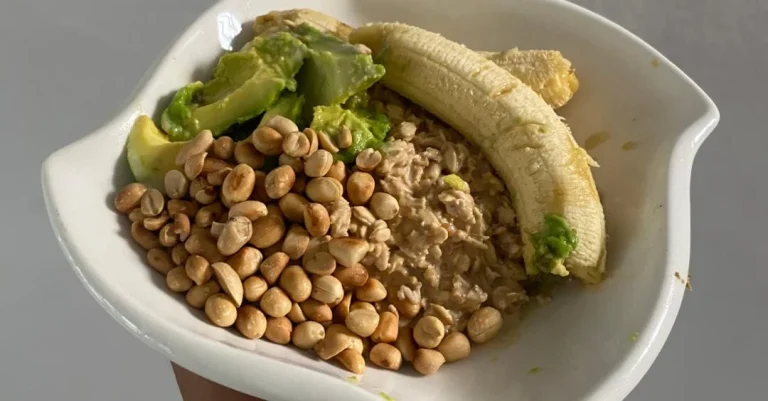
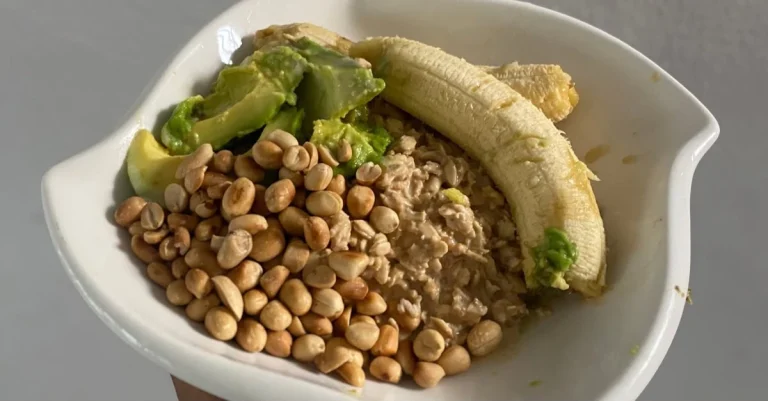
Oats can be a useful base for a higher-calorie breakfast. Instead of eating plain oats, you can combine them with whole milk, peanut butter, bananas, nuts, or seeds to increase both calories and nutrients.
If you’re already struggling to eat enough, turning one bowl of oats into a more substantial meal can be easier than adding another meal later in the day.
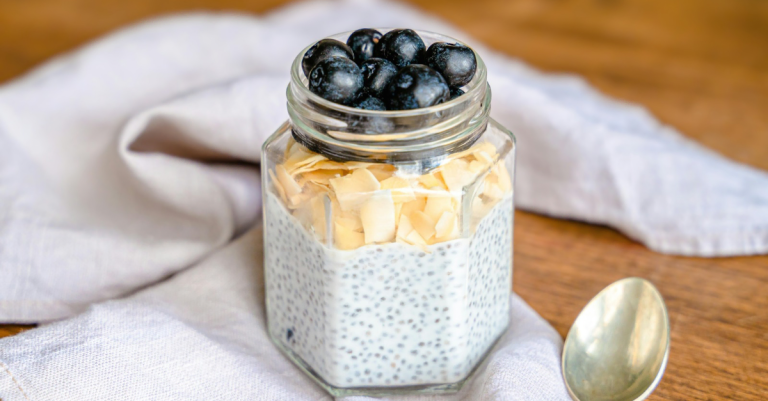
If you want a convenient option, try this high-protein overnight oats recipe for adults over 30.
4. Nuts and Seeds
Nuts and seeds are calorie-dense because they contain a significant amount of fat, while also providing protein, fiber, vitamins, minerals, and other nutrients.
Almonds, peanuts, cashews, walnuts, chia seeds, and pumpkin seeds can be added to oatmeal, yogurt, smoothies, salads, or eaten on their own.
5. Avocado
Avocado provides calories primarily from fat and can be an easy addition to meals. You can add it to toast, eggs, sandwiches, salads, rice dishes, or blend it into a smoothie.
Its creamy texture also makes it easy to incorporate without substantially increasing the volume of your meal.
6. Whole-Milk Dairy
Whole milk, Greek yogurt, and other full-fat dairy products can help increase your calorie intake while providing protein and other nutrients.
For example, you could use whole milk in oatmeal or smoothies, or combine Greek yogurt with fruit, oats, nuts, and seeds for a more substantial snack.
7. Rice
Rice is a convenient carbohydrate source that can form the base of a calorie-rich meal. Combining it with a protein source, vegetables, and a healthy fat can give you a more balanced meal while making it easier to increase your overall calorie intake.
If you’re trying to gain weight, you don’t necessarily need to abandon familiar meals. Sometimes, simply adjusting the portions and adding nutritious calorie-dense ingredients is enough to move you toward your goal.
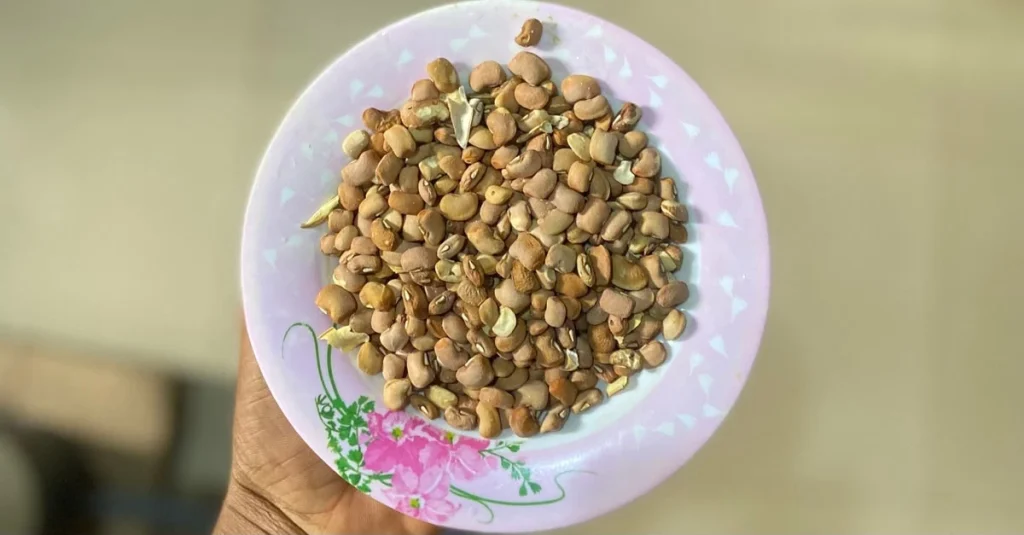
8. Beans
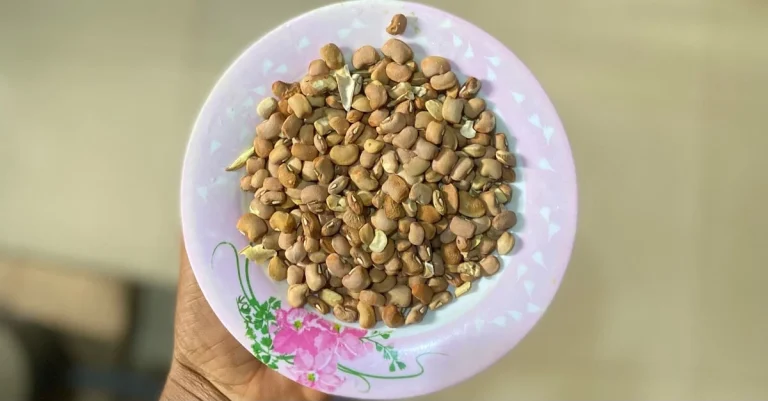
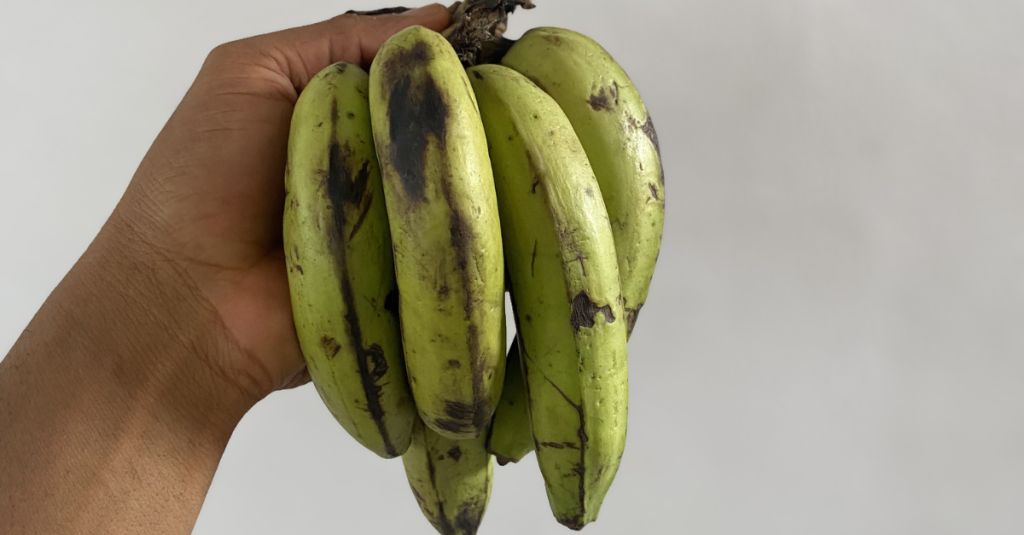
Beans provide carbohydrates, protein, fiber, and several micronutrients. They can be combined with rice, potatoes, plantain, or other carbohydrate sources to create a filling meal.
Because beans are relatively filling, however, they may not be the easiest choice for someone with a very low appetite. Pairing them with other calorie-dense foods can help increase the overall energy content of the meal.
9. Olive Oil
Olive oil is an easy way to add calories without substantially increasing the amount of food on your plate. You can drizzle it over vegetables, rice, potatoes, salads, or use it when cooking.
Because oils are almost entirely fat, a small amount can add a meaningful amount of energy to a meal.
10. Dried Fruit
Dried fruit contains less water than fresh fruit, which makes it more calorie-dense by weight. Raisins, dates, apricots, and other dried fruits can therefore be convenient additions to snacks, oatmeal, yogurt, or smoothies.
They’re also easy to carry, making them useful when you need to snack between meals.
Choosing the Right High-Calorie Foods
The best high-calorie foods for weight gain aren’t necessarily the foods with the most calories. Nutritional quality matters too.
Try building your meals around a combination of carbohydrates, protein, healthy fats, fruits or vegetables, and other nutrient-rich foods. This gives you a better foundation for gaining weight while supporting your overall health.
If you’re also strength training, getting enough protein and total calories becomes particularly important because gaining muscle requires more than simply eating high-calorie foods. Your training, recovery, sleep, and overall diet all work together.
How to Add More Calories to Your Meals
Knowing which high-calorie foods to eat is one thing. Actually eating enough of them consistently is another.
When I was focused on improving my nutrition, I found that increasing portion sizes wasn’t always the easiest approach. Adding calorie-dense ingredients to meals I already enjoyed felt much more manageable.
Here are a few simple ways to increase your calorie intake without making your meals unnecessarily large.
1. Add Healthy Fats to Your Meals
Healthy fats are one of the easiest ways to increase calories because they provide more calories per gram than protein or carbohydrates.
You can add foods such as peanut butter, nuts, seeds, avocado, or olive oil to meals you already eat.
For example, you could add peanut butter to oatmeal, avocado to eggs, or a little olive oil to vegetables or rice.
2. Make Your Breakfast More Calorie-Dense
Breakfast doesn’t have to be complicated. If you’re already eating oats, eggs, toast, or fruit, you can increase your calories by combining several of them into a balanced meal.
For example, oatmeal made with whole milk and topped with banana, peanut butter, and nuts can provide considerably more calories than plain oatmeal.
4. Use Smoothies When You Struggle With Large Meals
Drinking some of your calories can be useful if you have a low appetite or find large meals difficult to finish.
A homemade smoothie can combine several calorie-containing ingredients in one drink. You could use whole milk or yogurt as a base and add oats, banana, peanut butter, and other ingredients you enjoy.
The advantage is that you can increase your calorie intake without having to chew through another large plate of food.
5. Add Snacks Between Meals
You don’t have to get all your calories from breakfast, lunch, and dinner.
Adding one or two nutritious snacks between meals can make it easier to increase your total daily intake. Nuts, peanut butter on toast, Greek yogurt with fruit, eggs, or dried fruit are examples of options you could rotate throughout the week.
6. Increase Portions Gradually
If you’re currently eating too little, don’t feel that you have to double your portions.
Start by adding a little more rice, oats, potatoes, or another carbohydrate source to a meal. You can then gradually increase your portions as your appetite and eating habits adjust.
This can be much more sustainable than forcing yourself to eat an uncomfortable amount of food from the beginning.
7. Don’t Forget Protein
Increasing calories is important for weight gain, but protein matters too, particularly if you’re combining your diet with strength training and want some of the weight you gain to be muscle.
Foods such as eggs, dairy, beans, fish, lean meat, nuts, and seeds can help you build meals that provide both calories and protein.
The goal isn’t to make every meal enormous. Instead, look for small opportunities to make your existing meals more nutritious and calorie-dense so that it’s easier to reach your daily calorie target.

How to Get 3000 Calories a Day
If you’re trying to gain weight, you may have heard that eating 3,000 calories a day can help you increase your calorie intake. But 3,000 calories isn’t a magic number that everyone needs.
Your calorie needs depend on factors such as your age, body size, activity level, and goals. If 3,000 calories is above what your body uses, consistently eating around that amount may lead to weight gain over time. However, someone else may need considerably more or less.
If 3,000 calories is appropriate for your goal, the easiest approach is usually to spread your food across the day rather than trying to eat thousands of calories in one or two meals.
For example, you could structure your day around:
- Breakfast: Oatmeal made with whole milk, banana, peanut butter, and eggs
- Snack: Greek yogurt with nuts and dried fruit
- Lunch: Rice, beans, vegetables, and your preferred protein source
- Snack: A homemade high-calorie smoothie
- Dinner: Rice, potatoes, pasta, or another carbohydrate source with protein and vegetables
- Evening snack: Toast with peanut butter or yogurt with fruit and nuts
You don’t have to follow this exact combination. The idea is to combine calorie-dense foods with protein and other nutrient-rich foods throughout the day.
If you find it difficult to reach your calorie target through large meals, adding snacks or drinking a homemade smoothie between meals can make it easier.
And remember, more calories isn’t automatically better. The quality of your diet still matters. The NHS recommends gaining weight gradually by adding healthy calories while maintaining a balanced diet with foods from a variety of food groups.
If you’re consistently struggling to gain weight despite increasing your food intake, or you’re losing weight without intending to, it’s worth speaking with a healthcare professional to find out what’s going on.
High-Calorie Foods to Limit or Avoid
Not every high-calorie food is a bad choice. In fact, many nutritious foods are naturally high in calories and can be helpful when you’re trying to gain weight.
The bigger issue is where those calories come from.
Some foods and drinks can provide a lot of calories while offering relatively little protein, fiber, vitamins, or minerals. Relying heavily on these foods may help you gain weight, but they aren’t necessarily the best foundation for a healthy diet.
Foods and drinks to limit can include:
- Sugary soft drinks and other sugar-sweetened beverages
- Candy and other sweets
- Cakes, pastries, and similar baked goods
- Deep-fried foods
- Highly processed snack foods
- Foods containing large amounts of added sugar or saturated fat
That doesn’t mean you have to eliminate these foods. If you enjoy a burger, pastry, or dessert, there’s no need to feel guilty about it.
The key is balance.
For healthy weight gain, most of your calories should ideally come from nutritious foods such as eggs, dairy, beans, whole grains, nuts, seeds, avocado, fruits, vegetables, and other protein-rich foods. You can then enjoy less nutritious high-calorie foods in moderation.
This is particularly important if your goal isn’t to increase your body weight but to build muscle and improve your overall fitness after 30. Calories provide the energy needed for weight gain, but your overall diet still needs to provide the nutrients that support training, recovery, and general health.
So instead of asking, “What is the highest-calorie food I can eat?”, a better question is:
“Which high-calorie foods can help me increase my calories while still supporting my health and fitness goals?”
That shift can make your approach to weight gain much more sustainable.
Frequently Asked Questions About High-Calorie Foods
What foods are highest in calories?
Foods that are high in fat tend to be particularly calorie-dense because fat provides more calories per gram than protein or carbohydrates. Examples include oils, nuts, nut butters, seeds, and some full-fat dairy products. Foods such as dried fruit and certain grain-based foods can also provide substantial calories.
What foods help a skinny person gain weight?
If you’re trying to gain weight, focus on foods that provide both calories and useful nutrients. Eggs, whole milk, Greek yogurt, oats, rice, beans, nuts, peanut butter, avocado, and dried fruit are examples that can be incorporated into balanced meals and snacks.
If you have always been naturally slim, remember that gaining weight doesn’t have to mean eating unhealthy foods. Increasing your calorie intake gradually while following a balanced diet and strength-training program can be a more useful approach.
How many calories should I eat to gain weight?
There isn’t one calorie target that works for everyone. Your needs depend on factors such as your body size, activity level, current weight, and goal. Instead of automatically aiming for a specific number such as 3,000 calories, consider your individual energy needs and adjust your intake based on how your weight changes over time.
If you’re unsure how much you should eat or you’re losing weight without trying, a registered dietitian or other qualified healthcare professional can help you determine an appropriate approach.
Final Thoughts
Gaining weight after 30 doesn’t mean you have to force yourself to eat huge portions or rely on unhealthy foods. Choosing calorie-dense, nutritious foods can make it easier to increase your daily calorie intake while still supporting your overall health and fitness goals.
Foods such as eggs, oats, peanut butter, nuts, avocado, whole-milk dairy, rice, beans, and dried fruit can all have a place in a balanced diet. You can also make your meals more calorie-dense by adding nutritious ingredients, increasing portions, and including snacks or homemade smoothies between meals.
If you’re also strength training, remember that calories are only part of the equation. Getting enough protein, training consistently, recovering well, and getting adequate sleep all matter when your goal is to build muscle.
Most importantly, don’t feel pressured to change everything at once. Start with a few practical changes that you can maintain consistently. Over time, those small adjustments can make it much easier to reach the calorie intake you need to support healthy weight gain.
Join the Conversation
What’s your biggest challenge when trying to gain weight after 30?
Is it eating enough calories, finding the right foods, or staying consistent? Share your experience in the comments. I’d love to hear what has worked for you.