Low Carb Breakfast: Easy Ideas to Try After 30
Table of Contents
ToggleWhat is a low-carb breakfast, and what can you actually eat in the morning without loading up on carbohydrates?
If you’re over 30 and looking for better breakfast options, a low-carb breakfast can be a simple place to start. But that doesn’t mean you have to eat the same thing every morning or spend a lot of time preparing complicated meals.
In this guide, I’ll share some of the best low-carb breakfast ideas you can prepare at home or take with you when you’re on the go. You’ll also find egg-free options, ideas for busy mornings, and tips for building a balanced low-carb breakfast after 30.
What Is a Low Carb Breakfast?
A low-carb breakfast is a morning meal with fewer carbohydrates than a typical breakfast, focusing more on protein, vegetables, healthy fats, and other nutrient-rich choices.
That doesn’t necessarily mean eating a breakfast with zero carbohydrates. Foods such as vegetables, dairy, nuts, seeds, and fruit can contain carbohydrates while still providing important nutrients.
The amount of carbohydrate that works for you can also depend on your overall eating pattern, activity level, health needs, and goals. Carbohydrates are found in foods containing sugars, starches, and fiber, so choosing lower-carb foods does not mean you need to eliminate every source of carbohydrate from your diet.
For example, instead of starting your morning with a breakfast built mainly around sugary cereal, pastries, or sweetened drinks, you might choose eggs with vegetables, unsweetened Greek yogurt with nuts, or cottage cheese with a small serving of berries.
If your goal is weight management after 30, your breakfast is only one part of the bigger picture. Your overall eating pattern, physical activity, sleep, and other daily habits also matter. You can learn more about putting these habits together in my guide to Weight Loss After 30.
When choosing packaged foods, don’t rely only on the words “low carb” on the front of the package. Checking the nutrition label can help you see the serving size, total carbohydrate, fiber, and added sugar more clearly.
What Makes a Good Low Carb Breakfast?
A good low-carb breakfast should be more than removing bread, cereal, or other carbohydrate-rich foods from your plate.
The goal is to create a meal that is satisfying, nutritious, and practical enough to fit into your morning. A simple way to do that is to combine protein with fiber-rich foods and healthy fats.
Here are a few things to consider when building your breakfast:
Include a Source of Protein
Protein can make a meal more satisfying and plays an important role in maintaining and building muscle. If you’re working on maintaining muscle as you get older, combining adequate protein with regular strength training can support your overall fitness routine. Learn more about why protein matters for muscle and fat loss in my related guide.
Add Fiber-Rich Foods
Fiber can help add volume and texture to a meal while supporting digestive health. Depending on your eating pattern, you can get fiber from foods such as vegetables, chia seeds, nuts, seeds, berries, and other plant foods.
Include Healthy Fats
Foods such as avocado, nuts, seeds, and nut butters can add healthy fats and make a simple breakfast more satisfying.
You don’t need to add large amounts. A small portion can be enough to complement the rest of your meal.
Keep It Practical
The best breakfast is one you can actually stick with.
If you leave home early, choose something you can prepare the night before. If you have more time in the morning, you might prefer a cooked breakfast with eggs and vegetables.
You also don’t have to eat the same foods every day. Having several simple low-carb breakfast options can make it easier to keep your meals interesting and fit them into your routine.

10 Low Carb Breakfast Ideas
Once you understand what makes a good low-carb breakfast, choosing what to eat becomes much easier. You don’t need complicated recipes or special ingredients. You can combine many simple foods into a satisfying breakfast that fits your routine.
Here are 10 low-carb breakfast ideas to try.
1. Eggs With Vegetables
Eggs are a simple way to add protein to breakfast. You can scramble, boil, or fry them and pair them with vegetables such as spinach, tomatoes, mushrooms, or peppers. If you’re curious about how much protein an egg provides, see my guide to how much protein is in an egg.
2. Greek Yogurt With Berries and Nuts
Plain Greek yogurt can provide protein, while a small serving of berries adds flavor and nutrients. Top it with almonds, walnuts, chia seeds, or another type of nut or seed for additional texture.
Choose plain yogurt rather than heavily sweetened varieties if you’re trying to keep added sugars lower.
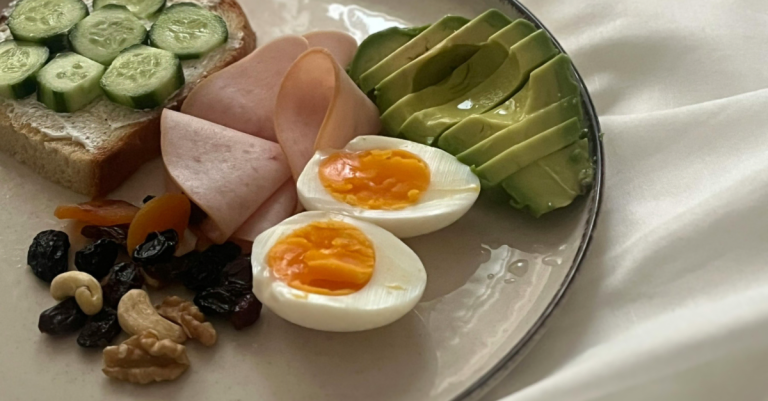
3. Avocado and Eggs
Avocado and eggs make a simple combination when you want something filling without relying heavily on bread or other refined carbohydrates.
You can serve sliced avocado alongside boiled or scrambled eggs and add vegetables or herbs for extra flavor.
4. Cottage Cheese With Berries
Cottage cheese can be combined with a small portion of berries for a quick breakfast that requires little preparation.
You can also add chia seeds, ground flaxseed, or a few nuts if they fit your eating pattern.
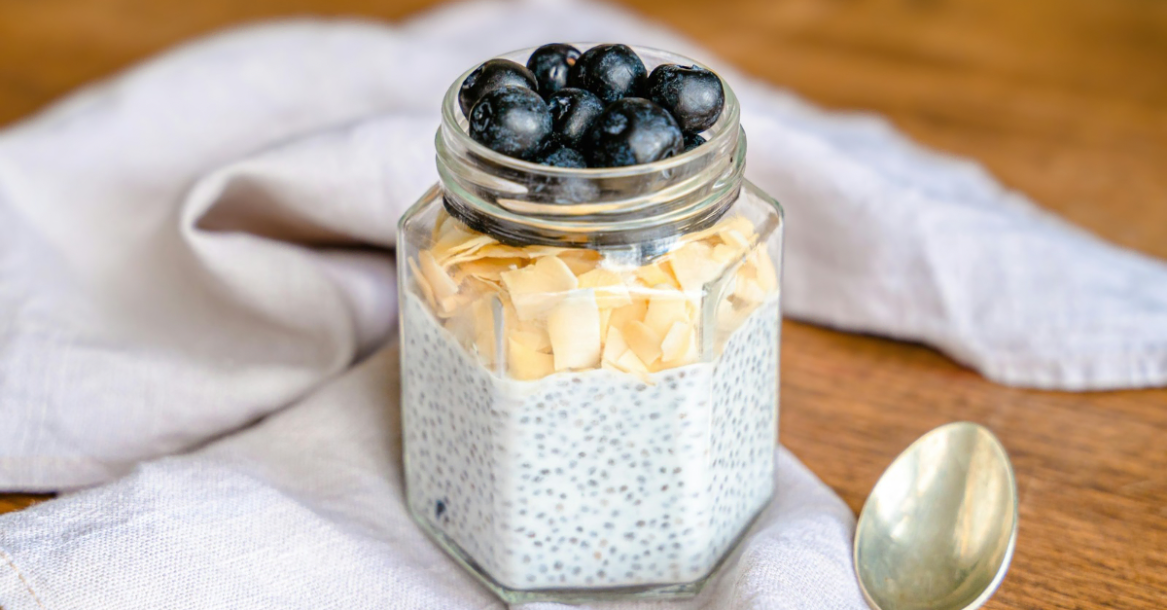
5. Chia Seed Pudding
Chia seed pudding is useful when you want something you can prepare ahead of time.
Mix chia seeds with an unsweetened milk of your choice and allow the mixture to thicken in the refrigerator. Add cinnamon, nuts, seeds, or a small amount of berries before eating.
Preparing it the night before can make it especially convenient on busy mornings.
6. Vegetable Omelet
An omelet gives you an easy way to combine eggs with several vegetables in one meal.
Try spinach, mushrooms, peppers, tomatoes, or onions. You can also add a small amount of cheese if you enjoy it.
7. Low Carb Breakfast Casserole
A breakfast casserole can be prepared in advance and divided into portions for several mornings.
You can make one with eggs, vegetables, and a protein source such as chicken or another suitable ingredient. Preparing several portions at once can save time during the week.
8. Egg Muffins With Vegetables
Egg muffins are another convenient option when you want a portable breakfast.
Beat eggs with chopped vegetables, pour the mixture into a muffin tin, and bake until set. Once cooled, they can be stored and taken with you when you’re heading out.
9. Greek Yogurt With Nut Butter and Seeds
For another quick option, combine plain Greek yogurt with a small amount of natural nut butter and seeds.
This can be prepared in a few minutes and doesn’t require cooking, making it useful when you’re short on time.
10. A Simple Low Carb Breakfast Bowl
You don’t always need a recipe to make breakfast.
Start with a protein source such as eggs, Greek yogurt, or cottage cheese. Add vegetables or a small serving of lower-carb fruit, then include a source of healthy fat such as avocado, nuts, or seeds.
This gives you a flexible breakfast that you can change depending on what you have available.
Low Carb Breakfast Ideas Without Eggs
Eggs are a popular choice for a low-carb breakfast, but they aren’t your only option. If you don’t eat eggs, don’t like them, or want more variety, you can still put together a satisfying breakfast with other foods.
Here are some simple low-carb breakfast ideas without eggs:
1. Greek Yogurt With Nuts and Berries
Plain Greek yogurt can be a quick option when you don’t have time to cook. Add a small portion of berries along with almonds, walnuts, chia seeds, or another seed you enjoy.
2. Cottage Cheese With Berries
Cottage cheese can work well as a quick breakfast on its own or with a small serving of berries. Add some nuts or seeds if you want more texture.
3. Chia Seed Pudding
Chia pudding can be prepared the night before, making it useful for busy mornings. Combine chia seeds with an unsweetened milk of your choice and refrigerate overnight.
In the morning, add cinnamon, nuts, seeds, or a small portion of berries.
4. Avocado With Cottage Cheese
For a simple savory option, combine sliced avocado with cottage cheese. You can add herbs, pepper, tomatoes, or other vegetables for extra flavor.
5. Greek Yogurt With Nut Butter
Plain Greek yogurt and a small amount of natural nut butter can make a quick breakfast when you want something that requires little preparation.
6. A Simple Low Carb Smoothie
A smoothie can be another option, but be mindful of what goes into it. Instead of relying mainly on fruit or sweetened ingredients, build your smoothie around a protein-rich base and include lower-sugar ingredients such as leafy greens or a small portion of berries.
The important thing is that you don’t need eggs at every breakfast to eat lower-carb. Having several options can make it easier to find meals that fit your preferences and keep your morning routine interesting.

Low Carb Breakfast Ideas You Can Take on the Go
A busy morning doesn’t always leave you enough time to sit down for a full breakfast. Work, school, family responsibilities, or an early workout can make it tempting to grab whatever is quickest.
The good news is that a low-carb breakfast doesn’t have to take long to prepare. A little planning can give you several easy options to carry with you.
Prepare Breakfast the Night Before
One of the simplest ways to make mornings easier is to prepare breakfast before you go to bed.
Chia seed pudding, Greek yogurt with nuts, cottage cheese, and prepared egg muffins can all be portioned into a container and stored in the refrigerator.
That way, you can grab your breakfast and leave instead of trying to cook when you’re already in a hurry.
Keep Simple Foods Ready
You don’t always need a complete recipe. Keeping convenient foods available can help you put together breakfast quickly.
For example, you could keep plain Greek yogurt, nuts, seeds, avocados, eggs, and suitable vegetables available so you have something to work with when you’re short on time.
Choose Portable Options
Some breakfasts are easier to carry than others.
Egg muffins, chia pudding, Greek yogurt, cottage cheese, and prepared breakfast bowls can be placed in suitable containers and taken with you.
If you’re carrying food to work or spending several hours away from home, use appropriate food storage and refrigeration when needed.
Don’t Forget Your Overall Routine
You don’t need a different breakfast every morning. Choose two or three options that you enjoy and rotate them throughout the week.
For example, you might prepare chia pudding the night before, make egg muffins in batches, or keep Greek yogurt and nuts ready for mornings when you have very little time.
The goal isn’t to make every morning perfect. It’s to have a few reliable low-carb breakfast options that you can prepare ahead of time and take with you when life gets busy.
Are Low Carb Breakfast Cereals a Good Option?
Breakfast cereal can be convenient, but not every cereal marketed as low carb is necessarily a good fit for your breakfast.
If you enjoy cereal, look beyond the words “low carb” on the front of the package. Check the nutrition label to see how much carbohydrate, fiber, protein, and added sugar the cereal provides per serving.
Check the Serving Size
A cereal may appear low in carbohydrates based on a small serving size, but you may normally eat more than the listed portion.
Check the serving size first, then consider how much you would actually put in your bowl.
Look at Added Sugars
Some cereals can contain added sugars even when they are marketed toward people following lower-carbohydrate diets.
Choosing a cereal with less added sugar can help you keep your breakfast from becoming heavily dependent on sweetened foods.
Consider What You Eat With It
Cereal doesn’t have to be eaten by itself.
You could pair a suitable cereal with plain Greek yogurt, nuts, or seeds to add protein and other nutrients to the meal.
You can also add a small portion of berries if they fit your overall eating pattern.
Don’t Rely Only on the Marketing
The term “low carb” can make a product sound automatically healthy, but the label gives you more useful information.
Look at the full nutrition information and consider the ingredients, serving size, carbohydrate content, fiber, protein, and added sugars before deciding whether a cereal works for you.
If you’re trying to make better food choices after 30, learning how to read nutrition labels can be just as useful as finding individual foods to add to your breakfast.

What Is a Good Low-Carb Breakfast for Someone With Diabetes?
If you have diabetes, choosing a lower-carb breakfast can help you manage your carbohydrate intake. But there isn’t one breakfast that is right for everyone with diabetes.
Your carbohydrate needs can depend on factors such as your medications, activity level, eating pattern, and individual blood sugar goals. The CDC recommends working with your healthcare team to determine an eating plan that fits your needs.
A practical breakfast can focus on a combination of protein, non-starchy vegetables, healthy fats, and an appropriate amount of carbohydrate.
For example, you might choose:
- Eggs with spinach, tomatoes, or other non-starchy vegetables
- Plain Greek yogurt with nuts and a small serving of berries
- Cottage cheese with vegetables or a small serving of berries
- Avocado with eggs and vegetables
- Chia seeds with unsweetened yogurt or milk
The goal isn’t necessarily to remove carbohydrates completely. Carbohydrates can still be part of a healthy eating pattern for people with diabetes. Choosing nutrient-rich carbohydrate sources and paying attention to portions can be more useful than trying to avoid all carbs.
It’s also worth remembering that what you eat with carbohydrates can affect how quickly your blood sugar rises. The CDC notes that eating carbohydrates together with protein, fat, or fiber can slow the rise in blood sugar compared with eating carbohydrates alone.
If you have diabetes and you’re unsure how many carbohydrates to include at breakfast, speak with your doctor, dietitian, or diabetes care and education specialist. Your breakfast should fit your individual meal plan rather than following a generic number from the internet.
How to Build Your Own Low Carb Breakfast
You don’t always need a recipe to make a good low-carb breakfast. Once you understand the basic components, you can mix and match foods based on what you have available and how much time you have.
A simple approach is to start with a protein source, add fiber-rich foods or vegetables, and include a small amount of healthy fat. Depending on your eating pattern and individual needs, you can also include a suitable portion of carbohydrate-containing foods.
Start With Protein
Choose a protein-rich food such as eggs, plain Greek yogurt, cottage cheese, fish, chicken, nuts, seeds, or another option that fits your diet.
Protein can make breakfast more satisfying and give you plenty of options when you don’t want to rely on the same food every morning.
Add Vegetables or Other Fiber-Rich Foods
Next, add vegetables such as spinach, tomatoes, mushrooms, peppers, or other non-starchy vegetables.
If you prefer a sweeter breakfast, you could use a small serving of berries, chia seeds, or nuts instead.
Fiber is found in plant foods such as vegetables, fruits, nuts, and seeds, and can help you feel fuller for longer.
Include a Source of Healthy Fat
Avocado, nuts, seeds, and nut butter can add healthy fats to your breakfast.
You don’t need a large amount. A small portion can complement the rest of the meal and add flavor and texture.
Keep Your Breakfast Practical
Finally, think about your schedule.
If you have time to cook, you might make eggs with vegetables and avocado. If you’re rushing out the door, Greek yogurt with nuts and berries or chia pudding may be easier.
For example:
- Egg-based: Eggs + spinach + avocado
- Quick and cold: Greek yogurt + chia seeds + berries + nuts
- Egg-free: Cottage cheese + berries + nuts
- Prepare-ahead: Chia pudding + nuts + a small serving of berries
The idea is not to follow one perfect formula every morning. It’s to have enough simple combinations that you can make a lower-carb breakfast without thinking too much about it.
If you have diabetes or another condition that affects your dietary needs, your ideal carbohydrate intake may be different from someone else’s. The CDC recommends working with your healthcare team to determine an eating plan that fits your individual needs.
Final Thoughts
Finding a good low-carb breakfast doesn’t have to mean following complicated recipes or removing every source of carbohydrates from your diet.
Simple options such as eggs and vegetables, Greek yogurt with nuts and berries, cottage cheese, chia pudding, or a prepared breakfast bowl can give you variety while fitting into a lower-carb eating pattern.
If you’re over 30 and trying to build healthier habits, focus on finding breakfast options that you enjoy and can realistically maintain. Preparing a few meals ahead of time can also make it easier to stay consistent when your mornings get busy.
And remember, your breakfast is only one part of your overall eating pattern. What you eat throughout the day, your physical activity, sleep, and other lifestyle habits all contribute to your health and fitness.
Join the Conversation
Which low-carb breakfast do you enjoy most? Join the conversation and share your favorite in the comments.