
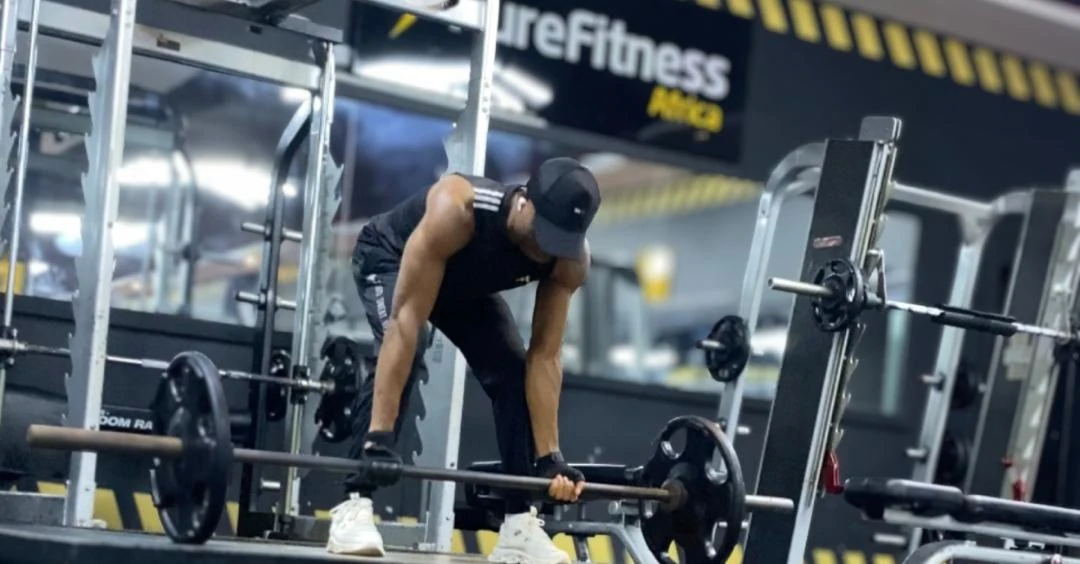
The Ultimate Strength Training Guide for Adults Over 30
Table of Contents
ToggleHave you ever wanted to start strength training but weren’t sure where to begin after turning 30?
I remember having similar questions when I decided to take strength training more seriously. At first, I believed the only way to get stronger was to lift the heaviest weights possible. But as I gained more experience, I realized strength training wasn’t about proving how much I could lift; it was about building a stronger, healthier body that could support me in everyday life.
That experience taught me that strength training after 30 isn’t just about building muscle. It’s about protecting your joints, improving your posture, supporting your metabolism, maintaining bone health, and staying strong enough to enjoy life for years to come.
Whether you’re completely new to strength training or looking to improve your current routine, this guide will walk you through everything you need to know to build strength safely and effectively after 30.
What Is Strength Training?
Strength training, also known as resistance training, is a form of exercise that challenges your muscles by working against resistance. This resistance can come from your own body weight, free weights such as dumbbells and barbells, resistance bands, weight machines, or even everyday household objects.
Every time your muscles work against resistance, tiny muscle fibers experience stress. During recovery, your body repairs these fibers, making them stronger and more resilient. Over time, this process leads to increased muscle strength, improved endurance, stronger bones, better balance, and enhanced overall fitness.
Many people mistakenly believe that strength training is only for athletes or people who want large muscles. In reality, it benefits almost everyone, especially adults over 30. Whether you want to carry your children more comfortably, climb stairs without fatigue, improve your posture while working at a desk, or remain independent as you age, strength training can help.
Unlike cardiovascular exercise, which primarily improves heart and lung health, strength training focuses on building and maintaining muscle while supporting healthy joints and bones. Combining both forms of exercise creates a balanced fitness routine that supports long-term health.
Why Strength Training Becomes More Important After 30
After age 30, the body gradually loses muscle mass through a natural process known as age-related muscle loss. At the same time, metabolism often slows, making it easier to gain body fat if physical activity decreases. Bone density may also begin to decline, increasing the importance of activities that strengthen the musculoskeletal system.
Fortunately, regular strength training can help counter many of these age-related changes. Research has shown that resistance exercise supports muscle preservation, improves functional strength, enhances insulin sensitivity, and promotes healthy aging.
According to the World Health Organization, adults should perform muscle-strengthening activities involving all major muscle groups on at least two days each week as part of a healthy lifestyle. Similarly, the American College of Sports Medicine recommends regular resistance training to maintain muscle strength, improve physical function, and support overall health throughout adulthood.
Rather than viewing strength training as something reserved for younger adults, consider it an investment in your future health. The stronger you become today, the better prepared your body will be for the years ahead.

Benefits of Strength Training After 30
- Helps Preserve Lean Muscle Mass: Muscle plays a vital role in movement, metabolism, and everyday function. Without regular resistance exercise, adults gradually lose muscle as they age. Strength training stimulates muscle growth and helps preserve the lean muscle you already have.
- Supports a Healthy Metabolism: Muscle tissue requires more energy than fat tissue, even while you’re resting. By maintaining or increasing muscle mass, strength training can support a healthier metabolism and complement long-term weight management goals. If losing body fat is one of your priorities, you may also enjoy reading Why You’re Not Losing Weight After 30, where we explore common reasons progress may slow and practical ways to overcome those challenges.
- Improves Bone Health: As we age, maintaining strong bones becomes increasingly important. Weight-bearing and resistance exercises place healthy stress on bones, encouraging them to remain strong and reducing the risk of osteoporosis later in life.
- Makes Everyday Activities Easier: Simple tasks such as lifting groceries, carrying luggage, gardening, climbing stairs, or playing with your children all require muscular strength. Building stronger muscles can make these daily activities feel easier while reducing the risk of strains and injuries.
- Supports Better Balance and Stability: Strong muscles contribute to improved balance and coordination. This becomes increasingly valuable with age, helping reduce the likelihood of falls and supporting confident movement throughout daily life.
- Helps Improve Posture: Many adults spend long hours sitting at desks or looking down at phones. Strengthening your back, shoulders, and core muscles can improve posture and reduce discomfort associated with prolonged sitting.
- Promotes Better Mental Well-Being: Exercise not only strengthens your body. Regular strength training may also help reduce stress, improve mood, increase self-confidence, and support better sleep, all of which contribute to overall well-being.
Getting Started Safely
Beginning a strength training program doesn’t require expensive equipment or advanced experience. Start with exercises you can perform with proper form and gradually increase the difficulty as your strength improves. Focus on learning movement patterns before adding resistance.
If you’re training at home, bodyweight exercises such as squats, push-ups, lunges, glute bridges, and planks provide an excellent foundation. As you become more confident, you can introduce resistance bands or dumbbells to continue progressing.
In the next section of this guide, we’ll explore the best strength training exercises for adults over 30, how to structure an effective weekly workout plan, and the nutrition and recovery strategies that will help you build strength safely and consistently.
The Best Strength Training Exercises After 30
Choosing the right exercises is just as important as training consistently. The best strength training exercises are those that target multiple muscle groups, improve functional movement, and can be adjusted as your fitness level improves.
If you’re new to strength training, start by mastering bodyweight movements before adding resistance. Focus on proper technique, controlled movements, and gradual progression rather than lifting the heaviest weight possible.
Some of the most effective strength training exercises include:
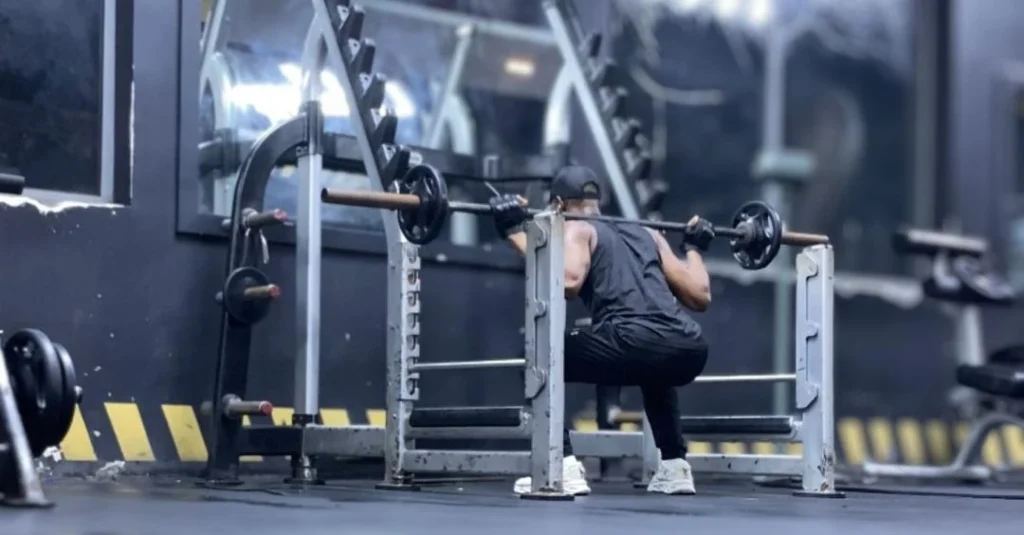
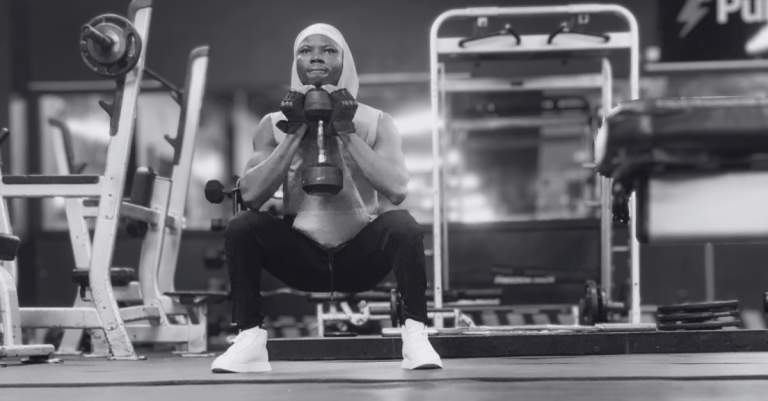
- Squats: Squats are one of the most valuable lower-body exercises you can perform. They strengthen your quadriceps, hamstrings, glutes, calves, and core while improving balance and mobility. Squats also make everyday activities such as sitting, standing, climbing stairs, and lifting objects much easier.
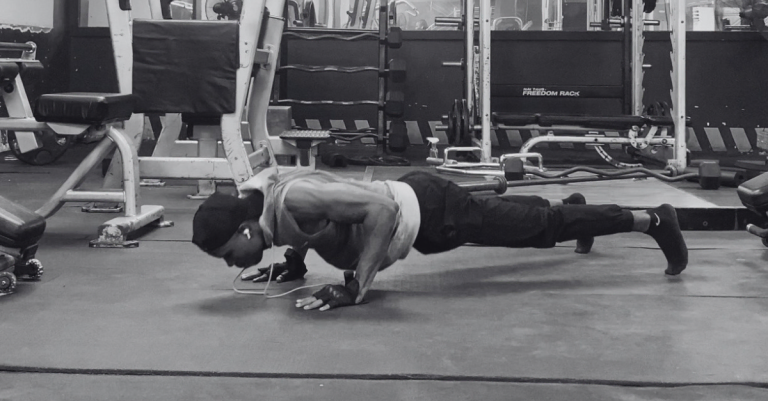
- Push-Ups: Push-ups strengthen the chest, shoulders, triceps, and core while improving upper-body stability. If standard push-ups are too difficult, start with incline or knee push-ups before progressing to the traditional variation.
- Lunges: Lunges help develop leg strength, improve balance, and correct muscle imbalances between both sides of the body.
- Glute Bridges: Strong glutes support the lower back and hips while improving posture and athletic performance.
- Planks: Planks strengthen the entire core, helping reduce lower back pain and improve posture.
- Resistance Band Exercises: Resistance bands are inexpensive, portable, and suitable for beginners. They provide excellent resistance without placing excessive stress on the joints.
For a detailed explanation of these and other effective movements, read The Best Strength Training Exercises After 30: A Complete Guide.
Sample Weekly Strength Training Routine
One of the biggest mistakes beginners make is training too much too soon. Your muscles grow during recovery, not while you’re exercising.
A simple weekly schedule could look like this:
- Monday: Full-body strength workout
- Tuesday: Brisk walk or light cardio
- Wednesday: Upper-body strength training
- Thursday: Mobility and stretching
- Friday: Lower-body strength workout
- Saturday: Active recovery, such as walking, cycling, or yoga
- Sunday Complete rest
If you’re unsure how many days you should train each week, check out How Often Should You Strength Train After 30? for a detailed breakdown based on your experience level and goals.
Progressive Overload: The Secret to Getting Stronger
One reason people stop seeing results is that they continue performing the same workout without increasing the challenge.
Progressive overload simply means gradually asking your muscles to do a little more over time.
You can do this by:
- Increasing the weight
- Performing more repetitions
- Adding another set
- Improving exercise technique
- Reducing rest time between sets
- Using more challenging exercise variations
Small improvements over weeks and months produce significant long-term results.
Nutrition Supports Muscle Growth
Exercise provides the stimulus for muscle growth, but nutrition provides the building blocks your body needs to recover.
Prioritize Protein
Protein helps repair damaged muscle tissue after workouts.
Good protein sources include:
- Eggs
- Chicken breast
- Fish
- Greek yogurt
- Beans
- Lentils
- Lean beef
- Cottage cheese
To learn how much protein you need and why it’s essential for building muscle and supporting fat loss after 30, read our Protein After 30: Why It Matters for Muscle and Fat Loss guide.
Eat Quality Carbohydrates
Carbohydrates provide energy for workouts.
Choose foods such as:
- Oats
- Brown rice
- Sweet potatoes
- Whole grains
- Fruits
- Vegetables
Include Healthy Fats
Healthy fats support hormone production and overall health.
Examples include:
- Avocados
- Olive oil
- Nuts
- Seeds
- Fatty fish
Stay Hydrated
Even mild dehydration can affect workout performance and recovery.
Drink water consistently throughout the day, especially before and after training.
If you’re not seeing the results you expect, dehydration could be a factor.
Learn more in our guide, Hydration After 30: Mistakes Slowing Fat Loss, where we explain how proper hydration supports metabolism, exercise performance, and healthy weight management.
Recovery Is Just as Important as Training
Many adults over 30 believe they should train every day to see faster results.
In reality, recovery is when your muscles repair themselves and become stronger.
Make recovery a priority by:
- Sleeping seven to nine hours each night
- Eating enough protein
- Drinking plenty of water
- Taking rest days
- Stretching regularly
- Managing stress
Ignoring recovery often leads to fatigue, soreness, poor performance, and an increased risk of injury.
To learn more about optimizing your recovery, read our Wellness and Recovery After 30: A Guide to Better Health, where we cover sleep, mobility, stress management, hydration, and other strategies to help you recover faster and perform at your best.
Common Strength Training Mistakes
Everyone makes mistakes when starting. Fortunately, most are easy to correct.
- Skipping Warm-Ups: Always prepare your muscles before lifting. A dynamic warm-up or a few minutes of light cardio can increase blood flow and improve performance. You can include movements like your High Knees Exercise in your warm-up routine before beginning strength training.
- Using Too Much Weight: Heavy weights with poor form increase the risk of injury. Master the technique first.
- Being Inconsistent: Results come from consistent effort over months, not occasional intense workouts.
- Ignoring Recovery: More workouts don’t always mean better results. Rest is part of progress.
- Comparing Yourself to Others: Everyone starts somewhere. Focus on becoming stronger than you were yesterday.
If you’d like to avoid some of the most common beginner errors, read My Strength Training Mistakes After 30: What I Learned.
Frequently Asked Questions
Can I build muscle after 30?
Absolutely. Adults can build muscle at almost any age by combining resistance training with proper nutrition and adequate recovery.
How many days should I strength train?
Most beginners do well with two to three sessions each week. Intermediate exercisers often benefit from three to four sessions.
Do I need a gym?
No. Many effective workouts can be performed at home using bodyweight exercises, resistance bands, or a pair of dumbbells. If you’re training at home, don’t miss How to Build Muscle at Home After 30 and your 30-Minute Full-Body Bodyweight Workout for practical routines.
How long before I notice results?
Many people notice an improvement in energy and strength within a few weeks. Visible muscle development typically becomes noticeable after several months of consistent training and proper nutrition.
Final Thoughts
Strength training after 30 isn’t about chasing perfection or trying to compete with your younger self. It’s about building a stronger, healthier body that supports you through every stage of life.
Every workout you complete is an investment in your future health, helping you maintain muscle, strengthen your bones, improve your balance, and perform everyday activities with greater ease.
Remember that progress doesn’t happen overnight. Focus on learning proper technique, staying consistent with your workouts, eating nutritious foods, and allowing your body enough time to recover. Small improvements made week after week can lead to remarkable changes over time.
Whether you’re just beginning or returning to exercise after a long break, the best time to start is today. Stay patient, trust the process, and celebrate every milestone along the way.
Join the Conversation
What are your biggest strength training goals after 30? Share your thoughts or experiences in the comments below. I’d love to hear about your journey and answer any questions you may have.





7 Comments