Leg Swings Exercise After 30: Benefits & Proper Form
Table of Contents
ToggleHave you ever started a workout and noticed that your hips or legs feel stiff before you begin?
After 30, preparing your body before exercise becomes more important. Simple mobility exercises like leg swings can help improve hip movement, prepare your lower body for training, and make your workouts feel more comfortable.
Leg swings are a dynamic warm-up exercise that requires no equipment and can be added before strength training, walking, running, or sports activities.
I learned that fitness after 30 is not only about training harder. It is also about moving better, recovering properly, and building habits that support long-term progress.
In this guide, we will explore the benefits of leg swings after 30, muscles worked, proper form, common mistakes, and how to add them to your fitness routine.
What Are Leg Swings Exercise?
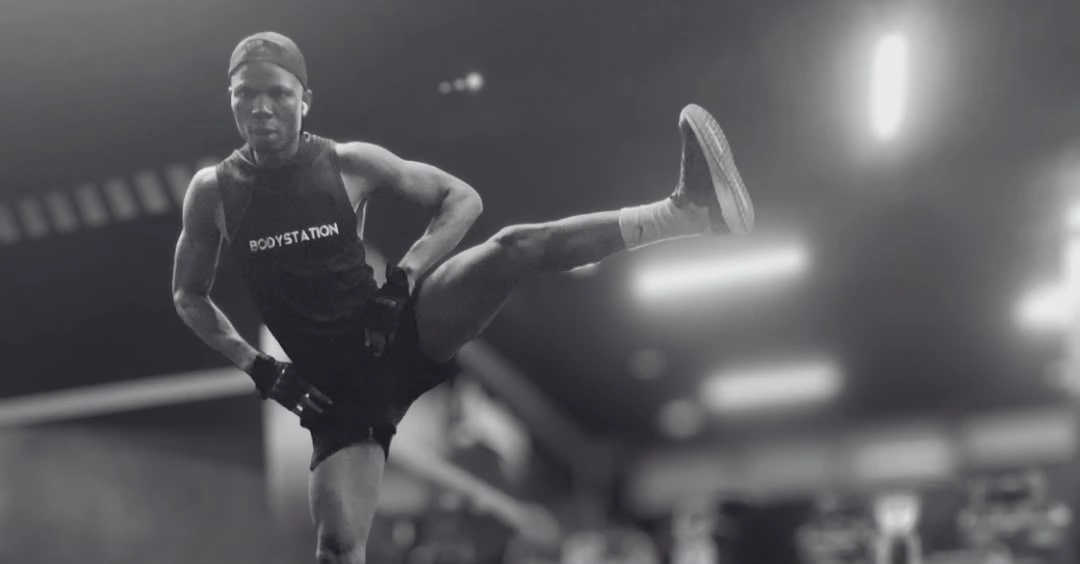
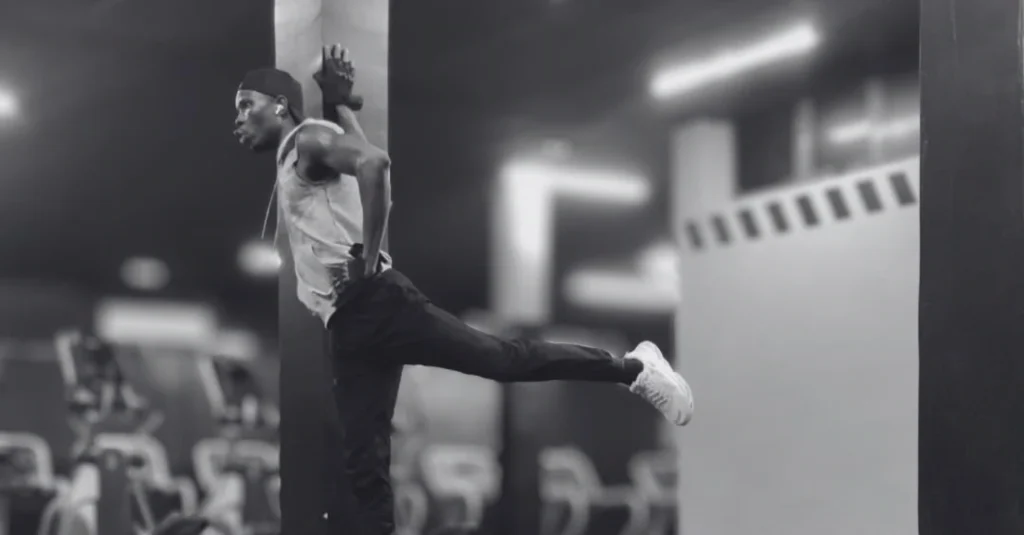
Leg swings are a type of dynamic mobility exercise where you move one leg through a controlled range of motion.
Unlike static stretches, where you hold a position for a period of time, leg swings involve continuous movement. They are commonly used before exercise because they help prepare your muscles and joints for activity.
There are two main types of leg swings:
1. Forward and Backward Leg Swings
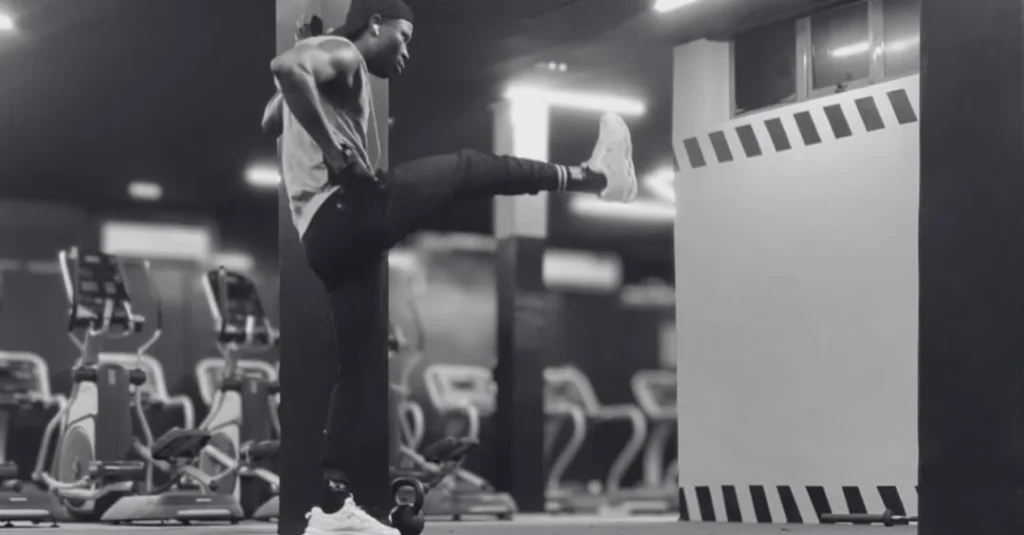
This variation involves swinging your leg forward and backward while your body is stable.
It mainly targets:
- Hip flexors
- Hamstrings
- Glutes
- Quadriceps
Forward and backward leg swings are commonly used before lower-body workouts because they prepare the muscles involved in movements like squats, lunges, and running.
2. Side-to-Side Leg Swings
This variation involves moving your leg across your body and then outward.
It mainly targets:
- Hip abductors
- Hip adductors
- Glutes
Side-to-side leg swings help prepare the muscles responsible for controlling side-to-side movement and hip stability.
This can be especially useful for activities that require balance, coordination, and lower-body control.
Why Leg Swings Become More Important After 30
As we age, maintaining good mobility becomes an important part of staying active.
Many adults experience increased stiffness due to factors such as:
- Spending long hours sitting
- Reduced daily movement
- Previous injuries
- Lack of mobility training
- Poor warm-up habits
While strength training is important for maintaining muscle and physical ability, mobility helps your body perform those movements effectively.
For example, exercises like squats and lunges require your hips, knees, and ankles to move through a healthy range of motion.
A combination of strength, mobility, and recovery creates a more balanced approach to fitness after 30.
If you are building your fitness foundation, read: Fitness After 30: A Complete Guide
Benefits of Leg Swings Exercise After 30
When I first started doing them, i thought it was just another basic exercise.
As time goes on, I started feeling the impact.
1. Improves Hip Mobility
One of the main benefits of leg swings is improving hip mobility.
Your hips play an important role in many everyday movements, including:
- Walking
- Climbing stairs
- Squatting
- Bending
- Running
When your hips move well, your body can perform these movements more efficiently.
Limited hip mobility can affect your exercise technique and make certain movements feel more difficult.
Adding leg swings before training can help prepare your hips for movement.
2. Helps Prepare Your Body Before Exercise
A proper warm-up prepares your muscles, joints, and nervous system for physical activity.
Leg swings are considered a dynamic warm-up movement because they involve active motion rather than holding a stretch.
According to the American College of Sports Medicine, including an appropriate warm-up as part of your exercise routine can help prepare your body for physical activity and is an important component of a well-designed exercise program.
Adding leg swings before lower-body training can help you transition from rest to exercise more effectively.
Try adding them before exercises such as:
- Squats
- Lunges
- Deadlifts
- Walking workouts
3. Supports Better Movement Quality
Fitness is not only about how much weight you lift. It is also about how well your body moves.
Leg swings help you practice controlled hip movement and prepare your body for exercises that require coordination and stability.
This makes them a useful addition to a balanced fitness routine, especially for adults who want to stay active and reduce stiffness.
4. Improves Balance and Coordination
Leg swings are like a simple movement, but they require control, stability, and coordination.
When you perform a leg swing, one leg supports your body while the other moves through a controlled range of motion. This challenges your balance and helps improve your awareness of how your body moves.
Maintaining balance becomes increasingly important as we age because it supports everyday activities such as walking, climbing stairs, and moving confidently.
Adding mobility exercises such as leg swings alongside strength training can help create a more complete fitness routine.
5. Helps Activate Lower-Body Muscles
Leg swings can help prepare the muscles involved in lower-body movement before exercise.
They encourage your hips and surrounding muscles to become more active before activities such as:
- Squats
- Lunges
- Running
- Walking workouts
This does not mean leg swings replace strength training. Instead, they get your body ready for more demanding movements.
For complete strength building after 30, check out: Strength Training After 30: A Complete Guide
6. Reduces Feeling of Stiffness Before Workouts
Many people notice that their body feels less flexible after sitting for a long time.
A few minutes of controlled leg swings can help your lower body feel more prepared before exercise.
This is especially useful if you:
- Work at a desk
- Sit for long periods
- Train early in the morning
- Feel stiff when starting workouts
Remember, the goal is not to force your body into extreme positions. The goal is to prepare your joints and muscles for movement.
Muscles Worked During Leg Swings
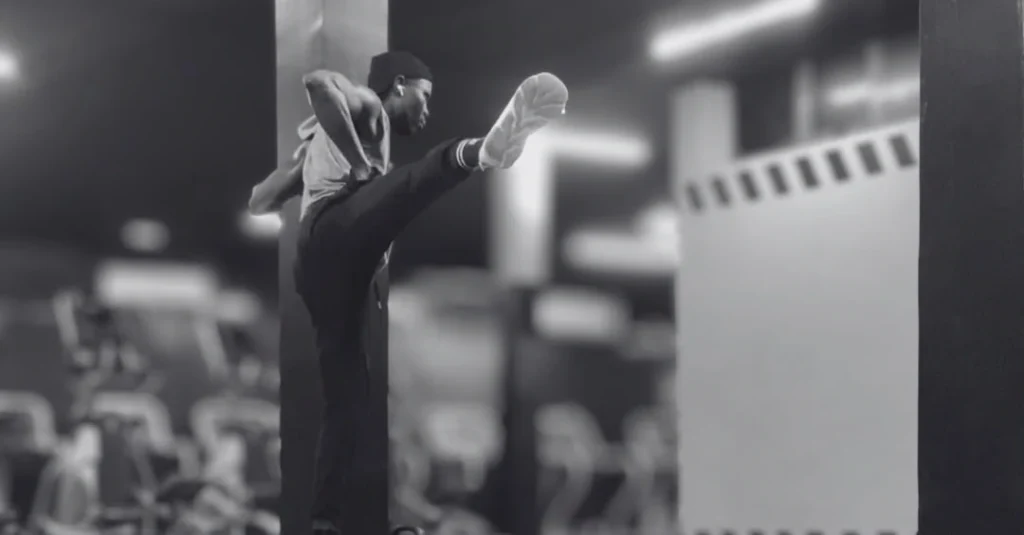
Although leg swings are mainly considered a mobility exercise, several muscles work together to control the movement.
Forward and Backward Leg Swings
- Hip Flexors: Your hip flexors help lift your leg forward and are involved in walking, running, and many lower-body exercises.
- Hamstrings: Your hamstrings help control the backward movement and support hip extension.
- Glutes: Your glutes help stabilize the hips and control movement. Strong glutes are important for exercises like squats, lunges, and deadlifts.
- Quadriceps: Your quadriceps help control the front of your thigh and contribute to knee stability.
Side-to-Side Leg Swings
- Hip Abductors: These muscles help move your leg away from your body and support hip stability.
- Hip Adductors: These muscles control movement toward the middle of your body and help with balance.
- Glutes: Your glutes help maintain control and stability during side-to-side movement.
How to Do Leg Swings Correctly
Proper form is important because leg swings should improve movement, not create unnecessary stress.
Forward and Backward Leg Swings
Follow these steps:
Step 1: Find Support
Stand next to a wall, chair, or stable surface. Place one hand on it for balance.
Step 2: Maintain Good Posture
Keep:
- Chest upright
- Core engaged
- Back straight
Avoid leaning too far forward or backward.
Step 3: Swing Your Leg
Move one leg forward and backward in a smooth, controlled motion.
Start with a comfortable range of motion and gradually increase it as your body feels ready.
Step 4: Switch Legs
Perform the movement on both sides.
A good starting point:
- 10–15 swings per leg
- 1–2 sets
Side-to-Side Leg Swings
Follow these steps:
- Stand sideways next to a stable surface.
- Keep your standing leg slightly bent.
- Swing your free leg across your body and outward.
- Maintain control throughout the movement.
- Repeat on both sides.
The movement should come from your hip, not from twisting your entire body.
Important Form Tips
To get the most benefits from leg swings:
- Keep the movement controlled
- Maintain good posture
- Start with a smaller range of motion
- Increase movement gradually
- Focus on quality instead of speed
Leg swings are not about how high you can swing your leg. They are about preparing your body for better movement.
Common Leg Swing Mistakes to Avoid
Leg swings are a simple exercise, but performing them incorrectly can reduce their benefits. The goal is to improve mobility, prepare your body for movement, and help your lower body feel ready for exercise.
Here are some common mistakes to avoid.
1. Swinging Too Fast
One of the most common mistakes people make is using too much speed and momentum.
When you swing your leg too aggressively, you lose control of the movement and reduce the ability of your muscles to engage properly.
Instead, focus on:
- Smooth and controlled movements
- Maintaining good posture
- Moving through a comfortable range of motion
Remember, leg swings are not about how high you can swing your leg. They are about preparing your body for better movement.
2. Using Poor Posture
Your body position plays an important role in performing leg swings correctly.
Avoid:
- Leaning too far forward or backward
- Rotating your entire body with each swing
- Arching your lower back excessively
Keep your chest upright, engage your core, and allow the movement to come mainly from your hip.
Good posture helps you get more benefits while reducing unnecessary stress on your joints.
3. Forcing Your Range of Motion
A common mistake is trying to swing your leg higher than your current mobility allows.
Mobility improves gradually through consistent practice. Forcing a deeper range of motion can create unnecessary strain.
Start with a comfortable movement range and slowly increase your control and mobility over time.
4. Treating Leg Swings as a Replacement for Strength Training
Leg swings are an excellent mobility exercise, but they do not replace strength training.
Mobility and strength work together.
For example:
- Leg swings can prepare your hips before squats.
- Squats help strengthen the muscles that support your hips and legs.
- Lunges improve lower-body strength and balance.
A complete fitness routine after 30 should include strength training, mobility work, recovery, and proper nutrition.
Related articles:
Leg Swings vs Static Stretching: Understanding the Difference
Although leg swings and static stretching are both used to improve flexibility and movement, they serve different purposes.
Leg swings are a form of dynamic movement, meaning you actively move your joints and muscles through a controlled range of motion. They are commonly used before workouts because they help prepare your body for physical activity.
For example, performing leg swings before squats, lunges, or running can help your hips and lower body feel more prepared for movement.
Static stretching, on the other hand, involves holding a stretch position for a period of time. It is often used to improve flexibility and can be useful as a cool-down routine or a dedicated mobility session.
Both approaches can be valuable, but they have different roles. Leg swings are useful for preparing your body before exercise, while static stretching is often used when your goal is improving flexibility.
For a balanced fitness routine after 30, consider incorporating mobility exercises and stretching based on your goals and the type of activity you are performing.
When Should You Do Leg Swings?
Leg swings work best before activities that involve lower-body movement.
You can include them before:
Strength Training
Leg swings can be a useful warm-up before exercises such as:
- Squats
- Lunges
- Deadlifts
- Step-ups
They help prepare your hips and legs before more demanding movements.
Walking or Running
If you enjoy walking, jogging, or running, leg swings can help prepare your lower body before activity.
They are especially useful if you have been sitting for long periods and need a simple way to transition into movement.
Home Workouts
Leg swings are a great addition to home workouts because they require:
- No equipment
- Minimal space
- Only a few minutes
If you train at home, check out: Home Workouts After 30
How Many Leg Swings Should You Do Before a Workout?
There is no exact number that works for everyone, but a good starting point is:
- 10–15 swings per leg
- 1–2 sets
- Controlled movement
The goal is to prepare your muscles and joints, not fatigue them before your workout.
Pay attention to how your body feels and adjust based on your fitness level and activity.
Are Leg Swings Good After 30?
Yes, leg swings can be a useful addition to a fitness routine after 30.
They are simple, require no equipment, and can help improve movement preparation before exercise.
As I became more focused on long-term fitness, I realized that small habits often make a big difference. Taking a few extra minutes to prepare my body before training helped me approach workouts with more control and awareness.
Fitness after 30 is not only about intense workouts. It is about creating habits that support your body and help you stay active for years.
Frequently Asked Questions
Are leg swings good before squats?
Yes. Leg swings can be a useful warm-up exercise before squats because they help prepare your hips and lower body for movement.
However, they should support your strength training routine, not replace exercises that build muscle and strength.
How many leg swings should I do before exercise?
A good starting point is 10–15 controlled swings per leg. You can adjust the number depending on your body, workout intensity, and mobility level.
What muscles do leg swings work?
Leg swings work the hip flexors, hamstrings, glutes, quadriceps, hip abductors, and hip adductors, depending on the variation performed.
Can leg swings improve hip mobility?
Yes. Leg swings can help improve dynamic hip mobility by moving your hips through a controlled range of motion.
Should I do leg swings before or after a workout?
Leg swings are usually best performed before exercise as part of a dynamic warm-up. They help prepare your body for movement.
Final Thoughts
Leg swings may seem like a simple exercise, but they can be a valuable part of staying active after age 30.
They can help improve hip mobility, prepare your lower body before training, and create a better foundation for movement.
However, long-term fitness is built through a combination of habits:
- Consistent strength training
- Proper recovery
- Good nutrition
- Regular mobility work
A strong body is not built only during workouts. It is built through the choices you make before, during, and after exercise.
Before your next lower-body workout, try adding a few controlled leg swings to your warm-up and notice how your body feels.
Join the Conversation
Have you ever used leg swings before a workout?
Do they help your hips and legs feel more prepared, or do you have another warm-up exercise you prefer?
Share your experience in the comments below.