Strength Training: A Complete Guide for Beginners
Table of Contents
ToggleWhat is strength training, and how can you start if you’re new to it?
Strength training is a type of exercise that uses resistance to challenge your muscles and help improve muscular strength and fitness. That resistance can come from your body weight, resistance bands, dumbbells, barbells, machines, or other equipment.
As a fitness trainer, strength training has become an important part of how I approach fitness. I’ve learned that you don’t need a complicated gym routine or expensive equipment to start building strength. What matters is learning the basics, using good technique, progressing gradually, and giving your body enough time to recover.
In this guide, I’ll explain what strength training is, its benefits, the best exercises to start with, how often you should train, what equipment you may need, and how strength training can fit into your overall fitness routine.
What Is Strength Training?
What exactly is strength training, and what makes an exercise a strength-training exercise?
Strength training is a type of physical activity that makes your muscles work against resistance. The resistance challenges your muscles, which can help you build strength, improve muscle endurance, and support everyday movement.
You can use many different forms of resistance, including:
- Your own body weight
- Resistance bands
- Dumbbells
- Barbells
- Kettlebells
- Weight machines
- Other equipment that provides resistance
For example, squats, push-ups, lunges, rows, and deadlifts can all be used as strength-training exercises. The specific exercise matters, but so does how you perform it and how you gradually increase the challenge over time.
Strength training is not limited to lifting heavy weights in a gym. A beginner can start with bodyweight exercises or light resistance and gradually progress as their strength and confidence improve.
The goal is not to move a weight from one place to another. Good strength training involves controlled movements, appropriate resistance, proper technique, and enough recovery between challenging sessions.
As you become stronger, you can gradually increase the difficulty by adding resistance, doing more repetitions, changing an exercise, or improving your control and technique. This gradual approach is often called progressive overload, and it is an important part of making continued progress with strength training.

What Are the Benefits of Strength Training?
Why should you include strength training in your fitness routine?
Strength training can do more than help you build muscle. When performed consistently, it can support your overall physical fitness and make everyday activities easier.
Some of the potential benefits include:
1. It Helps Build Muscular Strength
One of the main reasons people strength train is to become stronger.
Regular resistance training challenges your muscles and encourages them to adapt. Over time, you may find everyday movements such as carrying groceries, climbing stairs, lifting objects, or getting up from a chair easier to perform.
2. It Can Help Build and Maintain Muscle
Your body needs regular resistance to maintain and develop muscle tissue. This becomes particularly important as you get older, when maintaining muscle and physical function becomes increasingly valuable.
You do not have to lift extremely heavy weights to benefit. Beginners can start with manageable resistance and gradually increase the challenge as they become more comfortable.
3. It Can Support Bone Health
Strength training places a controlled load on your body, which can support bone health as part of an overall active lifestyle.
Weight-bearing and muscle-strengthening activities can be particularly useful as you work to maintain physical function throughout adulthood.
4. It Supports Everyday Movement
Strength is not only useful inside a gym.
Strong muscles can help you perform everyday activities such as walking, lifting, carrying, bending, and climbing stairs. Strength training can also help you develop better control and stability during movement.
5. It Can Support Body Composition Goals
Strength training can be useful when your goal is to change your body composition.
Building or maintaining muscle while staying physically active can support a healthier body composition. However, strength training does not specifically remove fat from one area of the body.
If your goal is to reduce abdominal fat, you can learn more about how to lose belly fat in our detailed guide.
6. It Can Improve Muscular Endurance
Strength training can also help your muscles work for longer before becoming tired.
For example, as your muscular endurance improves, activities such as carrying bags, performing repeated movements, or completing a workout may become easier.
7. It Can Support Healthy Aging
Strength is an important part of remaining physically capable as you age.
Maintaining muscle strength can help you continue performing everyday activities independently and stay active throughout different stages of adulthood.
You do not need a complicated routine to experience these benefits. Consistency, appropriate resistance, good technique, and gradual progression are more important than trying to make every workout extremely difficult.
What Are the 5 Basic Strength Training Exercises?
What are the five basic exercises you can use to build a well-rounded strength-training routine?
There are many strength-training exercises to choose from, but beginners can start by learning a few basic movement patterns. These exercises work different muscle groups and can be adapted to your fitness level.
1. Squats
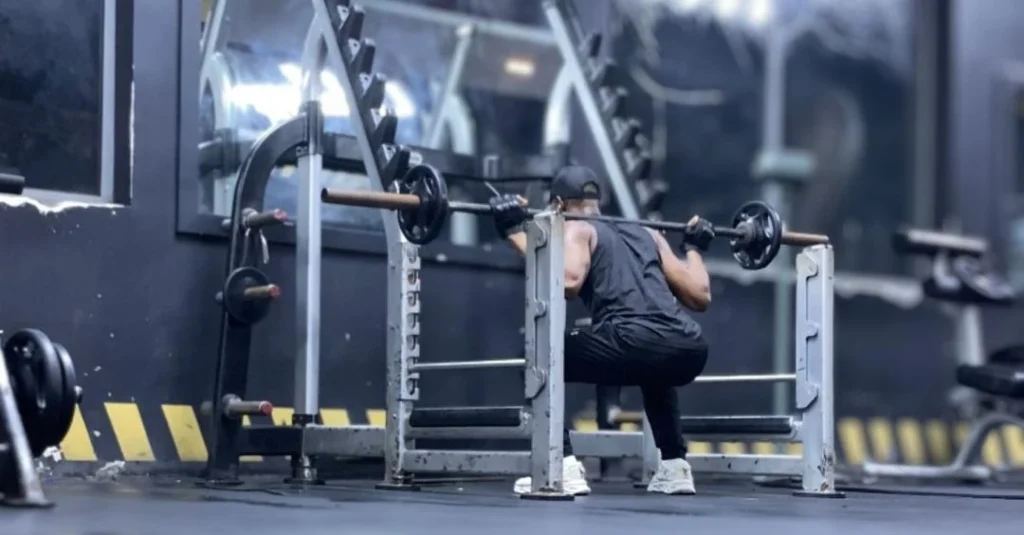
Squats primarily train the muscles of your lower body, including your thighs and glutes. If you want to learn more about the muscles worked by squats, see our detailed guide.
They also require your core to work to help you maintain control and stability.
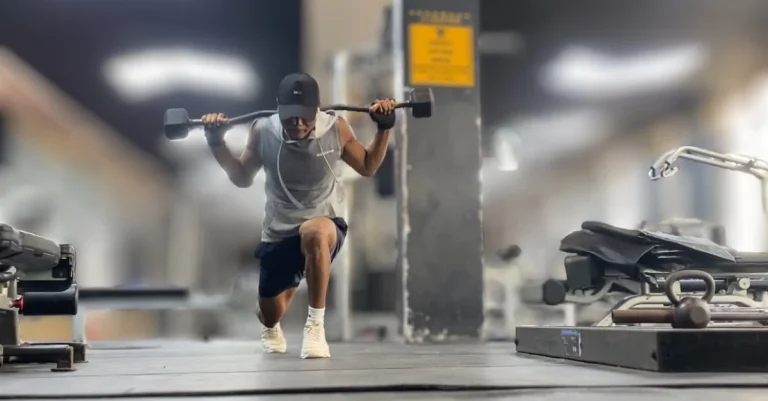
You can start with bodyweight squats before progressing to exercises such as goblet squats or barbell squats.
2. Push-Ups
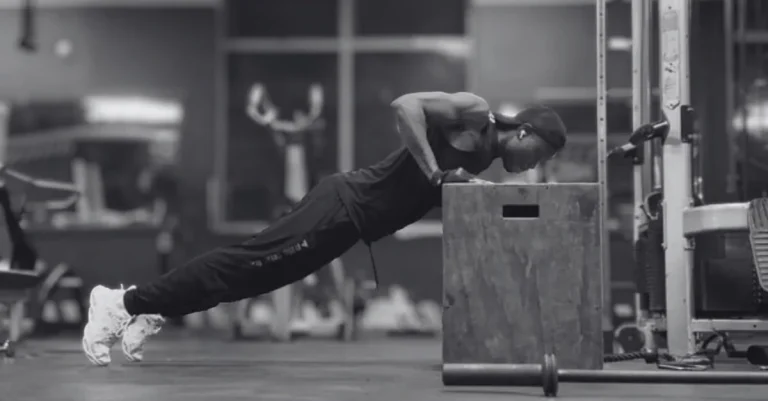
Push-ups are a bodyweight exercise that mainly trains your chest, shoulders, and triceps while also requiring your core to help stabilize your body. If you want to know more about the muscles worked by push-ups, see our detailed guide.
If standard push-ups are difficult at first, you can modify them by performing them against a wall or elevated surface.
3. Rows
Rows involve pulling resistance toward your body and primarily work muscles in your upper back and arms.
You can perform rows with dumbbells, resistance bands, cables, or other equipment. Learning both pushing and pulling movements can help you create a more balanced routine.
4. Lunges
Lunges are a lower-body exercise that challenges your legs and glutes while also requiring balance and coordination.
There are several variations, including forward, reverse, and walking lunges. Beginners can start with bodyweight lunges and add resistance as they become stronger.
5. Hip-Hinge Exercises
Hip-hinge movements train the muscles on the back of your body, including your glutes and hamstrings.
Examples include Romanian deadlifts, conventional deadlifts, and kettlebell deadlifts. Because technique is important with these movements, beginners should focus on learning the movement pattern before adding heavier resistance.
These five movement patterns give you a useful starting point, but they are not the only strength-training exercises you can perform. Your routine can include many variations depending on your goals, fitness level, available equipment, and experience.
For more exercise ideas and examples, see our guide to the best strength training exercises.

What Are Good Examples of Strength Training?
What are some good examples of strength training if you are just getting started?
Strength training can take many forms. You do not need to use a barbell or belong to a gym to make your muscles work against resistance.
Some common examples include:
- Bodyweight exercises: Push-ups, squats, lunges, planks, and other exercises that use your body as resistance.
- Free weights: Dumbbells, barbells, and kettlebells can be used for exercises such as presses, rows, squats, and deadlifts.
- Resistance bands: Bands provide resistance throughout many exercises and are convenient for home workouts or when traveling.
- Weight machines: Gym machines can provide guided resistance and allow you to target specific muscle groups.
- Functional strength exercises: Movements such as carrying, pushing, pulling, squatting, and lifting can help develop strength that transfers to everyday activities.
The best option depends on your experience, goals, available equipment, and personal preferences.
If you are new to strength training, you can start with simple exercises that you can perform safely and with good control. As you become more comfortable, you can gradually increase the resistance or difficulty.
Strength training also doesn’t have to look the same for everyone. A beginner exercising at home may use bodyweight movements and resistance bands, while someone training in a gym may use dumbbells, barbells, or machines.
The important thing is to choose exercises that challenge your muscles appropriately and allow you to progress over time.
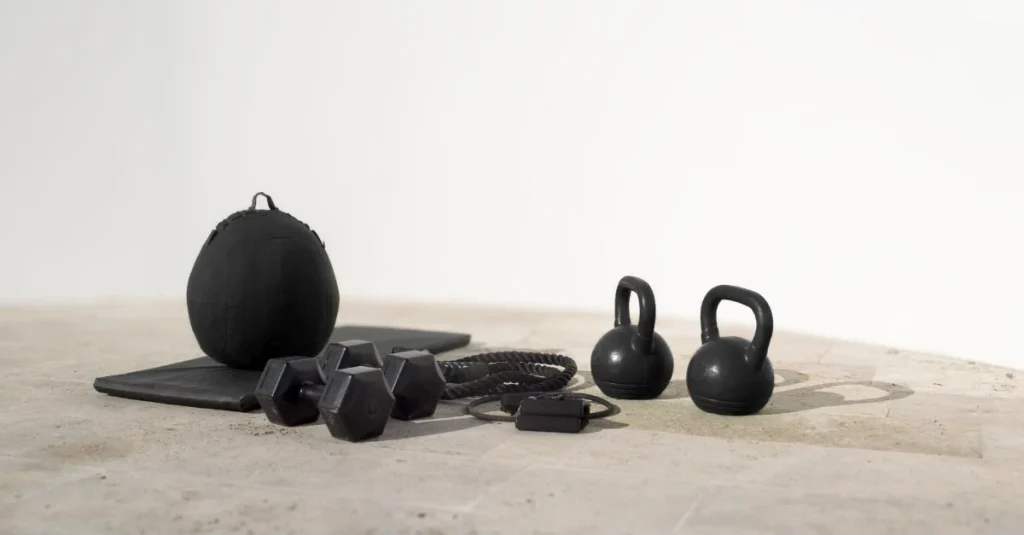
How to Start Strength Training
How do you start strength training if you have little or no experience?
You do not need to jump into a complicated workout routine. Starting with simple exercises, manageable resistance, and good technique can help you build confidence while giving your body time to adapt.
1. Start With the Basics
Begin with exercises that train the major movement patterns, such as squatting, pushing, pulling, lunging, and hinging.
Bodyweight exercises can be enough when you are starting. You can also use resistance bands or light dumbbells if you have access to them.
Focus on learning how each exercise should feel and performing each repetition with control rather than trying to lift as much weight as possible.
2. Choose a Manageable Routine
You do not need to train every day to make progress.
A beginner can start with a few strength-training sessions each week, allowing enough recovery between challenging sessions. Your schedule should be realistic enough that you can follow it consistently.
If you prefer exercising at home, you can also build an effective routine without a traditional gym setup. Our guide to beginner at-home strength training after 30 can help you get started.
3. Focus on Good Technique
Good technique is more important than lifting heavy weights.
Learn the basic movement of each exercise and use a range of motion that you can control. If an exercise causes sharp or unusual pain, stop and reassess rather than pushing through it.
4. Progress Gradually
Once an exercise becomes easier, you can gradually increase the challenge.
This might mean adding a little resistance, performing additional repetitions, increasing the difficulty of the exercise, or improving your control.
You do not need to make every workout harder. Progress should be gradual and appropriate for your current fitness level.
5. Give Your Body Time to Recover
Your muscles need time to recover and adapt between challenging workouts.
Getting enough sleep, eating well, staying hydrated, and allowing appropriate rest between training sessions can all support your recovery.
Most importantly, give yourself time to learn. Strength training is a skill as well as a form of exercise, and you will become more comfortable as you practice consistently.

How Much Strength Training Should You Do Per Week?
How often should you strength train to see the benefits without overdoing it?
For most adults, a good starting point is to include muscle-strengthening activities on at least 2 days per week, while working the major muscle groups.
The CDC’s physical activity guidelines recommend that adults include muscle-strengthening activities on 2 or more days each week, in addition to regular aerobic physical activity.
You don’t necessarily need to train every muscle group during every workout. You could use full-body workouts that train several major muscle groups or organize your training around different muscle groups and movement patterns.
How Often Should Beginners Strength Train?
If you are new to strength training, starting with two sessions per week can be a practical approach. This allows you to practice the basic movements while allowing recovery between sessions.
As you become more experienced, you may choose to train more frequently depending on your goals, schedule, recovery, and overall fitness routine.
More training is not automatically better. Your muscles need time to recover, especially after challenging workouts.
If you’re wondering how often you should train, our guide explains how to choose a training frequency that fits your goals and recovery needs.
How Long Should a Strength Workout Last?
There is no single workout length that everyone needs.
The amount of time you spend training can depend on how many exercises you perform, your training goals, your rest periods, and your experience level. A shorter, focused workout can still be useful if you consistently train the major muscle groups and gradually progress.
The key is to create a routine that you can perform consistently rather than choosing a schedule that is difficult to maintain.
If you are increasing your training frequency or intensity, pay attention to how your body responds and make recovery part of your routine.
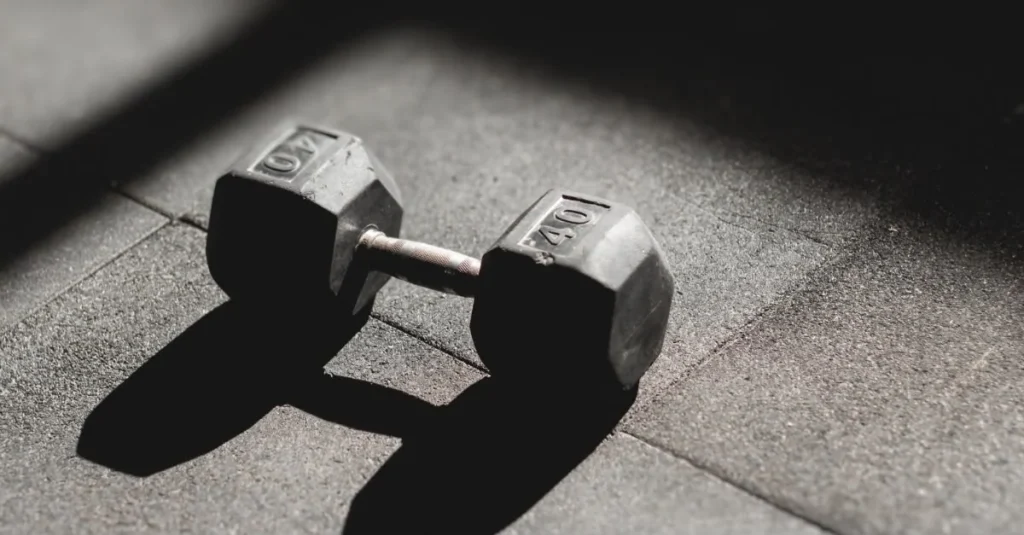
What Equipment Do You Need for Strength Training?
Do you need a gym full of equipment to start strength training?
No. The equipment you need depends on your goals, experience, budget, and where you plan to exercise.
Bodyweight
Your body can provide enough resistance for many beginner exercises.
Squats, push-ups, lunges, planks, glute bridges, and other bodyweight movements can help you develop strength without buying equipment.
This can make bodyweight training a practical starting point if you are exercising at home.
2. Resistance Bands
Resistance bands are another simple option. They are lightweight, easy to store, and can be used for exercises that train different muscle groups.
They can also be useful when traveling or when you have limited space for exercise equipment.
3. Dumbbells
Dumbbells allow you to add resistance to many basic exercises.
You can use them for movements such as rows, presses, squats, lunges, and curls. Beginners can start with a manageable weight and gradually increase the resistance as they become stronger.
5. Kettlebells
Kettlebells can be used for a variety of strength and conditioning exercises. They are particularly useful for movements that involve the hips, legs, shoulders, and core.
However, learning proper technique is important, particularly with more technical kettlebell exercises.
6. Barbells and Weight Machines
Barbells and machines can provide additional options as you become more experienced.
Barbells allow you to progressively load exercises such as squats, presses, and deadlifts, while machines can provide more guided movement for certain exercises.
You do not need all of these options to get started.
A beginner can build a useful strength-training routine with bodyweight exercises alone or combine them with simple equipment such as resistance bands or dumbbells.
The best equipment is ultimately equipment that allows you to train safely, progressively, and consistently.
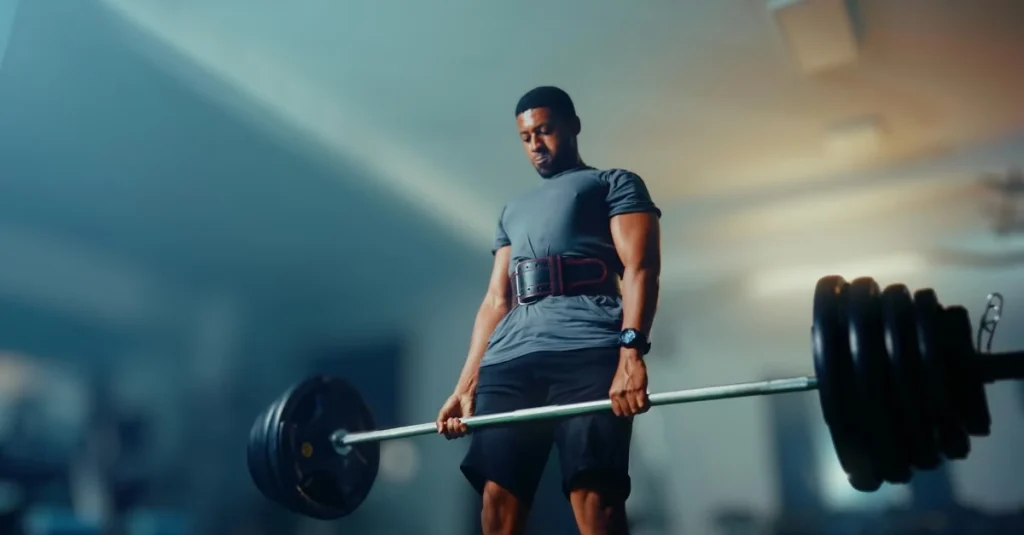
What Is Functional Strength Training?
What is functional strength training, and how is it different from regular strength training?
Functional strength training focuses on movements that can help you perform everyday activities more effectively. Instead of only training individual muscles, many functional exercises involve several muscles and joints working together.
For example, everyday activities such as lifting an object from the floor, carrying groceries, climbing stairs, getting up from a chair, or reaching overhead all require coordinated movement and strength.
Exercises that train these types of movements can include:
- Squats
- Lunges
- Deadlifts and hip-hinge movements
- Rows
- Push-ups
- Loaded carries
- Step-ups
Functional strength training can also involve balance, coordination, stability, and control.
However, functional training doesn’t mean that every exercise needs to imitate something you do in daily life. Traditional strength exercises can also improve your ability to perform everyday movements by making your muscles stronger.
For adults over 30, functional strength training can be a practical way to include strength work that supports both exercise performance and everyday physical activity.
The key is to choose movements that match your current ability, use appropriate resistance, and gradually increase the challenge as you become stronger.
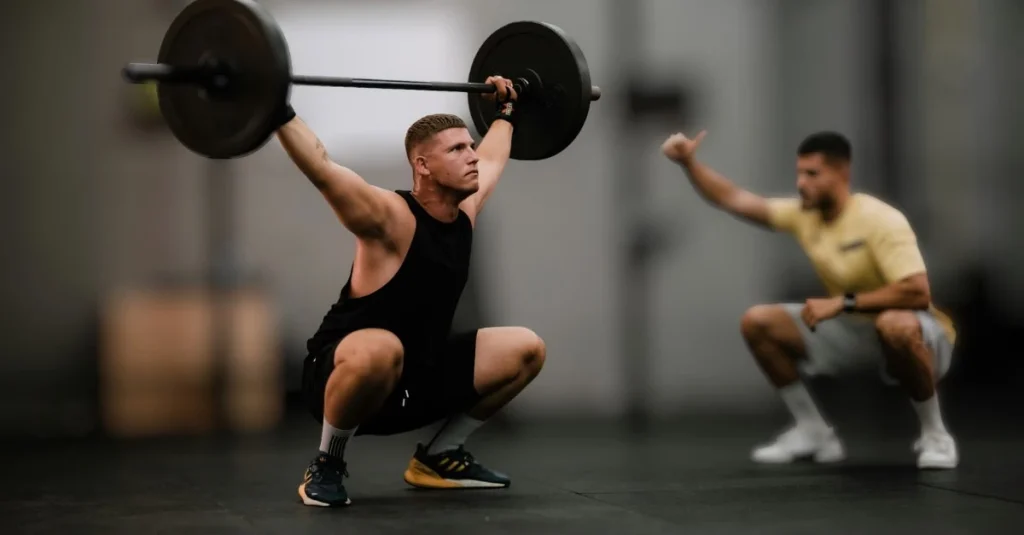
Does Strength Training Burn Fat and Help You Lose Belly Fat?
Can strength training help you burn fat and lose belly fat?
Strength training can be part of an effective fat-loss routine, but it is important to understand what it can and cannot do.
When you strength train, your muscles work against resistance, and your body uses energy during the workout. Regular strength training can also help you build and maintain muscle while you work toward reducing body fat.
However, strength training does not specifically target fat from your stomach.
Can Strength Training Reduce Belly Fat?
If your overall body fat decreases, you may eventually lose fat around your abdomen as well. However, you cannot choose exactly where your body loses fat first.
Your eating habits, overall physical activity, sleep, and consistency can all influence your progress. Strength training can work alongside activities such as walking, running, cycling, or other forms of cardio as part of an active lifestyle.
It is also worth remembering that doing more abdominal exercises does not automatically mean you will lose the fat covering your stomach. Exercises such as planks and crunches can strengthen your abdominal muscles, but they do not specifically burn belly fat.
If reducing abdominal fat is one of your goals, you can learn more about the bigger picture in our guide on how to lose belly fat.
Why Strength Training Still Matters During Fat Loss
Strength training should not be viewed only as a way to burn calories.
It can help you develop strength, maintain muscle, improve physical function, and stay active while working toward your body-composition goals.
A balanced approach that combines strength training, aerobic activity, nutritious eating, adequate sleep, and recovery can support your overall fitness and fat-loss goals.
Strength Training and Cardio: Which Should You Do First?
Should you do cardio before or after strength training?
There is no single answer that works for everyone. The better order depends on your main fitness goal and what you want to get the most out of during your workout.
If building strength or muscle is your main goal, doing strength training first can help you approach your resistance exercises with more energy and focus.
If improving your cardiovascular fitness is your main goal, you may choose to do cardio first.
You can also perform cardio and strength training at different times of the day or on different days if that fits your schedule better.
For general fitness, consistency is more important than finding a perfect workout order. Both strength training and aerobic activity can contribute to a well-rounded fitness routine.
If you’re unsure which approach fits your goals, read our detailed guide on cardio before or after weight training for a closer look at the differences.
How Important Is Recovery After Strength Training?
Why is recovery important if your goal is to become stronger?
Recovery is an important part of strength training because your body needs time to adapt after being challenged by exercise. Training hard every day without allowing enough recovery can make it harder to maintain good performance and may leave you feeling constantly tired or sore.
Recovery involves more than simply taking a day off. Getting enough sleep, eating a balanced diet, staying hydrated, and allowing enough time between challenging workouts can all support your ability to recover.
How Often Should You Rest From Strength Training?
The amount of recovery you need depends on factors such as your training experience, workout intensity, exercise selection, sleep, nutrition, and overall activity level.
Beginners may need more recovery as their bodies adjust to a new training routine. You can also avoid repeatedly training the same muscles hard on consecutive days if they have not had enough time to recover.
Pay attention to how you feel and how you perform. Persistent fatigue, declining performance, or soreness that does not improve can be signs that you may need to adjust your training or recovery.
Recovery does not mean you have to be completely inactive. Light activities such as walking or gentle movement can still fit into your routine when appropriate.
For more practical advice, read our guide to strength training recovery tips.

Strength Training for Adults Over 30
Does strength training become more important after 30?
Strength training can be valuable at any age, and there is no specific age at which you need to start. For adults over 30, maintaining strength and muscle can become an important part of staying active and physically capable as the years go by.
You also do not need to train like a competitive athlete to benefit.
Here are a few things you can start with;
1. Start at Your Current Fitness Level
If you have not exercised consistently for a while, start with exercises and resistance that you can control comfortably.
Your starting point might be bodyweight squats, modified push-ups, resistance-band exercises, or light dumbbells. As you become stronger, you can gradually increase the challenge.
2. Focus on Technique
Good technique matters more than trying to impress yourself or someone else with heavy weights.
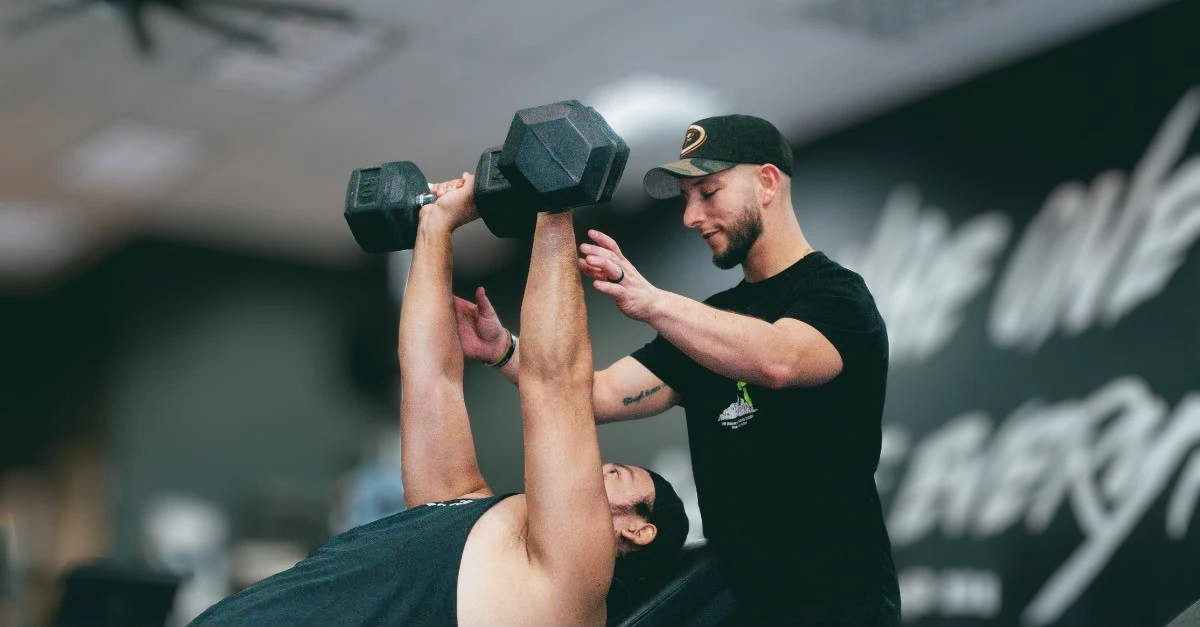
Take time to learn the basic movement patterns and maintain control throughout each exercise. If you are unsure how to perform a movement, consider working with a qualified fitness professional who can guide you.
3. Give Recovery More Attention
Recovery is part of making progress.
Your training schedule should leave enough time for your body to recover between challenging sessions. Sleep, nutrition, hydration, and managing your overall activity level can all contribute to recovery.
If you are returning to exercise after a long break, it can also help to increase your training gradually rather than trying to make up for lost time.
4. Make Strength Training Fit Your Life
Your routine needs to work with your schedule.
You might train at a gym, exercise at home, or combine both. You can use bodyweight exercises, resistance bands, dumbbells, or other equipment depending on what is available to you.
The goal is not to create the most complicated workout possible. It is to build a routine that you can perform consistently and progress over time.
Strength training after 30 is not about trying to turn back the clock. It is about building and maintaining the strength you need to stay active, capable, and independent throughout adulthood.

How to Progress With Strength Training
How do you keep getting stronger once your workouts start to feel easier?
Your body adapts to the demands you place on it. Once an exercise becomes easier, you may need to gradually increase the challenge to continue making progress.
This is commonly referred to as progressive overload.
You do not have to increase the weight every workout. There are several ways to make an exercise more challenging.
1. Increase the Resistance
Adding a small amount of weight can make an exercise more challenging.
For example, if you can comfortably perform dumbbell squats with a particular weight while maintaining good technique, you may eventually increase the resistance.
2. Perform More Repetitions
You can also increase the number of repetitions when appropriate.
If you previously performed 8 repetitions with good control, gradually working toward 10 or 12 repetitions can provide an additional challenge.
3. Increase the Difficulty
Sometimes progression does not require heavier equipment.
You might move from a modified push-up to a standard push-up, progress from a basic squat to a more challenging variation, or use a movement that requires greater stability and control.
4. Improve Your Technique
Progress is not always about doing more.
Better control, a smoother range of motion, and improved technique can also represent meaningful progress. Before increasing resistance, make sure you can perform the exercise safely and consistently.
5. Progress Gradually
Avoid trying to increase everything at once.
You can change one variable at a time and give your body an opportunity to adapt. If your technique starts breaking down or an exercise becomes painful, the resistance or difficulty may be too high.
The goal of progressive overload is to provide your muscles with an appropriate challenge over time—not to make every workout harder than the previous one.
Common Strength Training Mistakes to Avoid
Strength training doesn’t have to be complicated, but a few common mistakes can make it harder to progress or stay consistent.
1. Trying to Lift Too Much Too Soon
One of the biggest mistakes is choosing more weight than you can control.
Lifting heavier is not automatically better. Start with a resistance that allows you to perform the exercise with good technique, then increase the challenge gradually.
2. Ignoring Technique
Moving through an exercise quickly or using poor form can reduce your control and make the movement less effective.
Take time to learn the basic technique before worrying about how much weight you can lift.
3. Doing Too Much Too Soon
You do not need to train hard every day to make progress.
Increasing your training volume, intensity, and frequency too quickly can make recovery more difficult. Give your body time to adapt as you build your routine.
4. Changing Your Routine Constantly
It is easy to assume that you need a completely different workout every few weeks.
In reality, repeating key exercises allows you to practice your technique and measure your progress. You can make gradual changes when you need a new challenge or when your goals change.
5. Neglecting Recovery
Your workout is only one part of the process.
Sleep, nutrition, hydration, and appropriate rest between challenging sessions all contribute to recovery. Consistently overlooking these areas can make it harder to perform well during your workouts.
6. Focusing Only on One Muscle Group
A balanced strength routine should involve the major muscle groups rather than focusing exclusively on areas such as the arms or chest.
Include a mixture of lower-body, upper-body, core, pushing, pulling, and hip-hinge movements to create a more balanced approach.
7. Expecting Immediate Results
Strength can improve relatively quickly when you are new to training, but meaningful physical changes take time.
Focus on consistency and gradual progress rather than expecting your body to change after only a few workouts.
Strength training works best as a long-term habit. Learn the basics, train consistently, recover properly, and give yourself enough time to improve.
If you’re new to strength training, learning about common strength training mistakes can help you avoid some of the problems beginners often encounter.
Final Thoughts
Strength training is not only about lifting heavy weights or spending hours in a gym. It is about challenging your muscles with appropriate resistance, gradually increasing the challenge, and giving your body enough time to recover.
Whether you are a complete beginner, training at home, or getting back into exercise after 30, you can start at your current fitness level and build from there.
You do not need a perfect routine to begin. Start with the basics, focus on good technique, stay consistent, and allow your progress to develop over time.
Join the Conversation
What Are You Working on in Your Strength Training?
Are you trying to build strength, gain muscle, lose body fat, or simply become more active?
Share your strength-training goal in the comments. Your experience might encourage someone else who is just getting started.