
Home Workouts After 30: A Complete Guide to Staying Fit at Home
Table of Contents
ToggleDo you think you need a gym membership to stay fit after 30?
Many people believe that building muscle, losing weight, or improving their fitness requires expensive equipment and hours at the gym. The good news is that you can achieve impressive results right from the comfort of your home.
From my own fitness journey after 30, I’ve learned that consistency matters far more than location. There have been days when I only had 20 or 30 minutes to exercise, but choosing to complete a simple home workout instead of skipping it altogether helped me stay on track. Over time, those small efforts added up and became lasting habits.
Whether you’re just starting your fitness journey, returning after a break, or looking for a more convenient way to stay active, home workouts can help you build strength, improve your cardiovascular fitness, support weight loss, and maintain your overall health.
In this complete guide, you’ll learn what home workouts are, why they matter after 30, their benefits, the best exercises to include, how to get started, and where to find more in-depth resources to help you succeed.
What Are Home Workouts?
Home workouts are exercise routines you perform at home using your body weight, simple equipment, or a combination of both. Depending on your goals, they can include strength training, cardio, mobility exercises, flexibility work, and balance training.
One of the biggest advantages of home workouts is their flexibility. You can exercise before work, during your lunch break, or in the evening without worrying about commuting to a gym.
If you’re new to resistance exercise, don’t overlook the importance of strength training. Building and maintaining muscle becomes increasingly important after 30 because it supports your metabolism, bone health, and everyday movement. To learn more, read my Strength Training Guide After 30
Are Home Workouts Effective?
Yes, home workouts can be highly effective when you follow a structured routine and stay consistent.
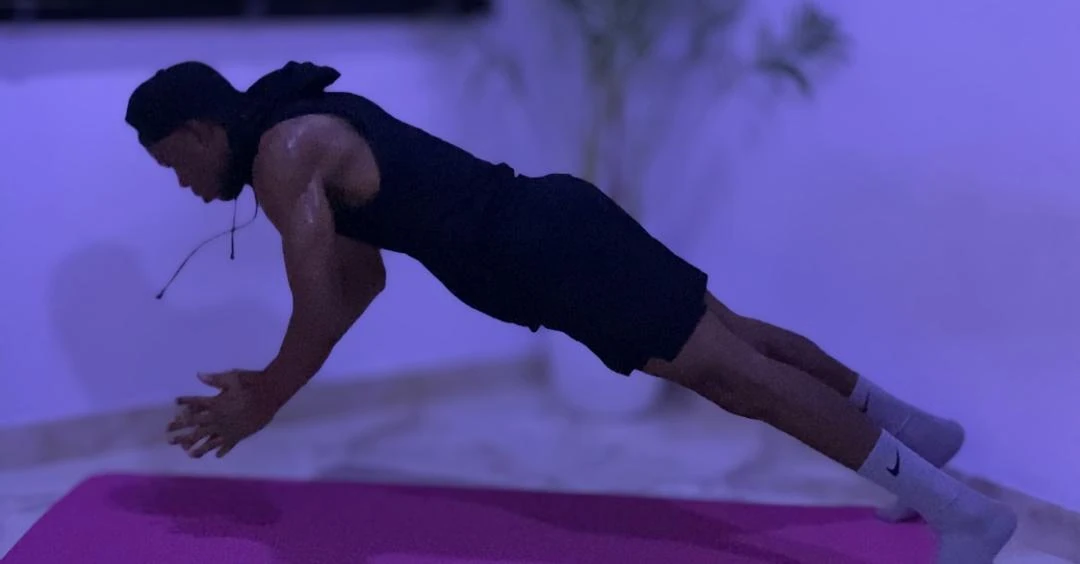
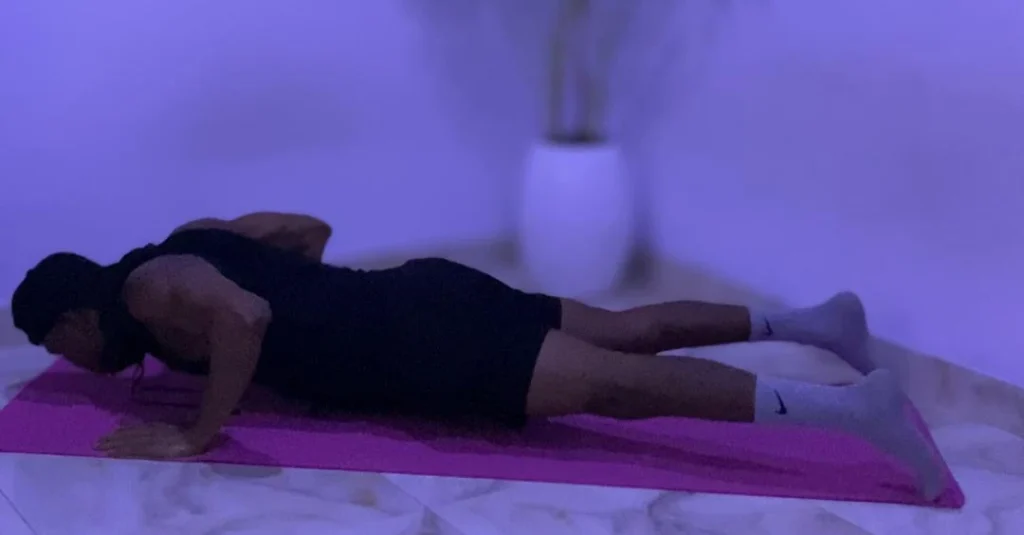
Bodyweight exercises such as squats, push-ups, lunges, and planks can build strength and improve endurance. As you become stronger, adding resistance bands or dumbbells helps you continue progressing without needing a fully equipped gym.
The key isn’t where you exercise; it’s whether you’re challenging yourself consistently while allowing enough time for recovery.
If you’re wondering whether home workouts can truly deliver results, my article, Are Home Workouts Effective? explores the evidence, benefits, and limitations in more detail.
Why Home Workouts Matter After 30
As we age, our bodies naturally begin to lose muscle mass, strength, and mobility if we don’t stay physically active. Regular exercise helps slow these changes while improving heart health, balance, flexibility, and overall quality of life.
According to the American College of Sports Medicine (ACSM), adults should perform muscle-strengthening activities at least two days per week while also engaging in regular aerobic exercise.
Following these recommendations can help maintain muscle strength, improve physical function, and support long-term health.
If you’re completely new to working out, my guide How to Start a Fitness Journey After 30 will help you build realistic habits you can maintain for years to come.
Benefits of Home Workouts After 30
Home workouts offer much more than convenience. They make it easier to build a sustainable fitness routine that fits your lifestyle.
- Save Time: Working out at home eliminates travel time, making it easier to fit exercise into a busy schedule. Even a 20- to 30-minute workout can make a meaningful difference when performed consistently.
- Save Money: You don’t need an expensive gym membership to improve your fitness. Many effective home workouts require little or no equipment, making them a budget-friendly option for beginners and experienced exercisers alike.
- Improve Strength and Overall Fitness: A balanced home workout routine can help you build muscle, improve cardiovascular fitness, increase mobility, and support better posture. Whether your goal is to stay active or become stronger, home workouts can help you make steady progress.
- Support Weight Loss: Home workouts can also support healthy weight loss when combined with a balanced diet and consistent exercise routine. Strength training helps preserve lean muscle mass, while cardio and full-body workouts increase calorie expenditure.
If fat loss is your primary goal, read my guide Best Home Workouts for Weight Loss After 30, where I explain the most effective exercises and workout strategies for burning fat at home.
Do You Need Equipment for Home Workouts?
One thing about home workouts is that you can start with little or no equipment. Your body weight alone is enough to build strength, improve endurance, and develop healthy exercise habits.
As your fitness level improves, adding a few affordable pieces of equipment can help you continue progressing. Consider starting with:
- Resistance bands for beginner-friendly strength training.
- A pair of dumbbells to increase resistance as you get stronger.
- An exercise mat for floor exercises, stretching, and mobility work.
- A sturdy chair or bench for exercises such as step-ups, triceps dips, and incline push-ups.
Don’t feel like you need to buy everything at once. I started with bodyweight exercises before gradually adding dumbbells, and that simple approach was enough to keep challenging my muscles without turning my home into a gym.
Best Home Workout Exercises After 30
The most effective home workouts focus on compound exercises that target multiple muscle groups at once. These movements improve strength, coordination, balance, and overall fitness while making your workouts efficient.
Some of the best exercises include:
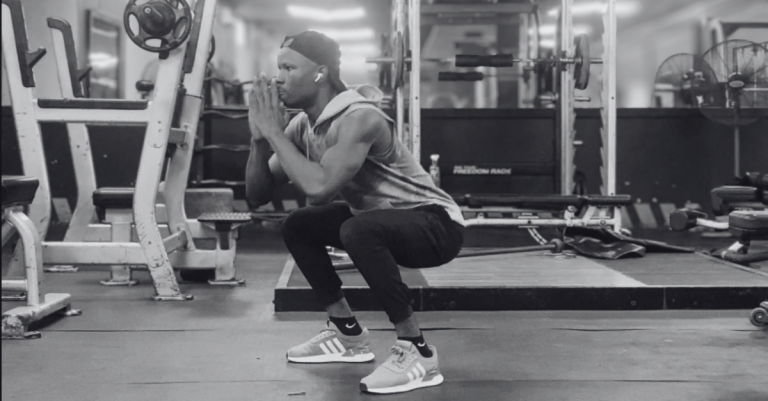
- Squats to strengthen your legs and glutes.
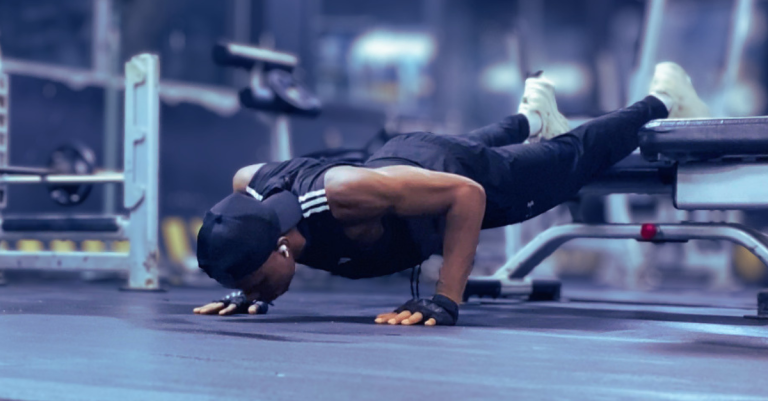
- Push-ups to build your chest, shoulders, triceps, and core.
- Lunges to improve lower-body strength and balance.
- Planks to develop core stability and posture.
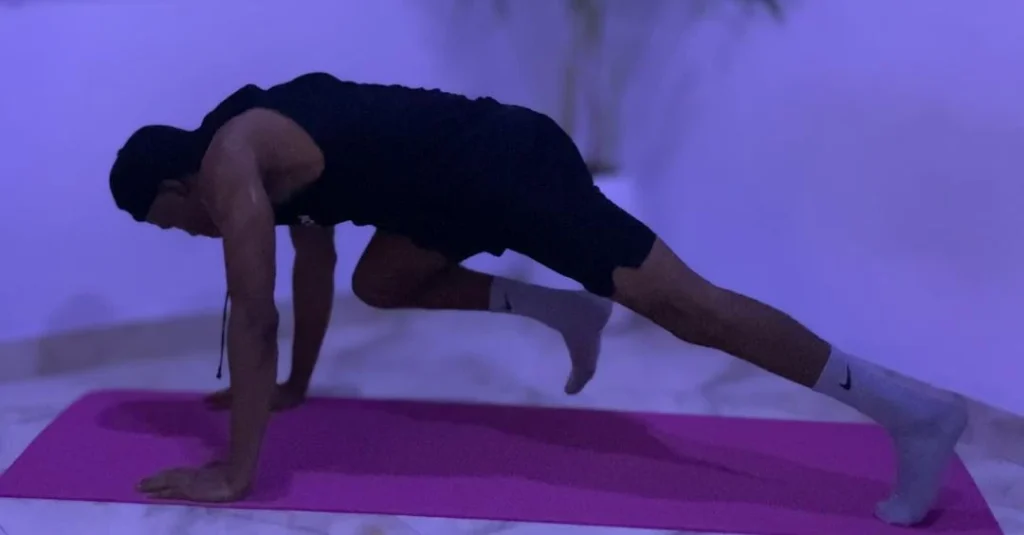
- Mountain climbers for a combination of strength and cardio.
- Burpees to increase endurance and full-body conditioning.
As you progress, you can add resistance by using dumbbells or resistance bands. For example, the Goblet Squat is a great progression from the standard squat. My article Goblet Squat Muscles Worked After 30 explains which muscles it targets and how to perform it correctly.
Another excellent exercise is the Upright Row Exercise, which strengthens your shoulders and upper back. You can learn proper technique and common mistakes in my guide, Upright Row Exercise After 30.
If you’re looking for a ready-made routine, my 30-Minute Full-Body Home Bodyweight Workout combines many of these exercises into one beginner-friendly session.
Getting Started as a Beginner
If you’ve been inactive for a while, don’t feel pressured to do advanced workouts right away. Starting with simple exercises and gradually increasing the challenge is one of the best ways to build confidence and reduce your risk of injury.
Focus on mastering proper form before increasing the number of repetitions or adding extra resistance. Small improvements each week can lead to significant progress over time.
If you need a structured starting point, my Beginner Home Workout Plan After 30 will help you build a solid foundation. You can also read Beginner At-Home Strength Training to learn the basics of resistance exercise and proper technique.
Planning Your Weekly Home Workouts
Having a plan makes it much easier to stay consistent. Rather than deciding what to do each day, create a routine that includes strength training, cardio, mobility work, and recovery.
From my own experience, following a simple weekly schedule has helped me stay far more consistent than choosing a different workout every day. It removes the guesswork and makes exercise feel like a regular part of my routine.
If you’d like a step-by-step approach, read my guide How to Plan Weekly Home Workouts After 30, where I explain how to create a balanced routine that fits your goals, fitness level, and available time.
Common Home Workout Mistakes
Even the best workout plan won’t deliver great results if you’re making common mistakes along the way.
Some of the most frequent mistakes include:
- Skipping your warm-up.
- Using poor exercise technique.
- Ignoring strength training.
- Not allowing enough recovery time.
- Following an inconsistent workout schedule.
- Failing to increase the challenge as your fitness improves.
I’ve made some of these mistakes myself, especially trying to do too much too soon. Over time, I realized that focusing on proper form, gradual progression, and consistency produced far better results than trying to make every workout as hard as possible.
If you’d like to learn how to avoid these mistakes and improve your results, read my article Home Workout Mistakes After 30 for a detailed guide.
Building Muscle and Losing Weight at Home
One of the biggest misconceptions about home workouts is that they’re only useful for staying active. In reality, a well-structured home workout routine can help you build muscle, lose body fat, and improve your overall fitness.
If your goal is to build muscle, focus on strength-training exercises, gradually increase the difficulty of your workouts, and eat enough protein to support muscle recovery and growth.
If your goal is weight loss, combine strength training with cardio, maintain a balanced diet, and stay consistent with your routine. Strength training is especially important because it helps preserve lean muscle mass while you’re losing fat.
If you’d like to learn more, explore these detailed guides:
- How to Build Muscle at Home for practical muscle-building strategies.
- Best Home Workouts for Weight Loss After 30 for the most effective fat-burning exercises and workout routines.
Nutrition, Hydration, and Recovery
Exercise is only one piece of the puzzle. To get the best results from your home workouts after 30, you need to support your body with proper nutrition, hydration, and recovery.
- Prioritize Protein: Protein helps repair muscle tissue after exercise and supports the maintenance of lean muscle mass. Including high-quality protein sources in your meals can improve recovery and help you get more from your workouts. If you’re unsure how much protein you need or why it becomes more important with age, read Protein After 30: Why It Matters for Muscle and Fat Loss.
- Stay Hydrated: Water plays a vital role in regulating body temperature, supporting muscle function, and replacing fluids lost during exercise. Even mild dehydration can affect your energy levels and workout performance. Learn how to avoid common hydration mistakes in my article Hydration After 30: Mistakes Slowing Your Fat Loss.
- Make Recovery a Priority: One lesson I’ve learned from my own fitness journey is that progress doesn’t happen only during workouts; it also happens during recovery. Quality sleep, rest days, and proper recovery have helped me stay consistent and avoid burnout.
If you’d like to understand why recovery is so important, read Why Recovery Matters After 30. You can also explore Wellness and Recovery: A Guide to Better Health for practical habits that support long-term health and fitness.
According to the World Health Organization (WHO), regular physical activity combined with healthy eating habits can help improve overall health and reduce the risk of chronic diseases.
How to Stay Consistent with Home Workouts
Starting a workout routine is one thing, but sticking with it is often the biggest challenge.
I’ve found that setting realistic goals, following a weekly plan, and focusing on progress instead of perfection has made it much easier to stay motivated.
Some days you may only have 20 minutes to exercise, and that’s perfectly okay. A short workout is still better than skipping one altogether.
Other ways to stay consistent include:
- Scheduling workouts like important appointments.
- Tracking your progress.
- Increasing the challenge gradually.
- Celebrating small milestones.
- Choosing exercises you genuinely enjoy.
If you’re struggling to stay motivated, my article How to Stay Consistent with Home Workouts shares practical strategies that have helped me and many others build lasting fitness habits.
Home Workouts vs. Gym Workouts
A common question is whether home workouts are as effective as going to the gym.
The answer depends less on where you exercise and more on how you train.
Home workouts are ideal if you:
- Prefer convenience and flexibility.
- Have a busy schedule.
- Want to save money.
- Enjoy exercising in a private environment.
A gym may be a better choice if you:
- Want access to a wide variety of equipment.
- Plan to lift heavier weights.
- Enjoy the motivation of a gym environment.
- Need guidance from a personal trainer.
From my experience, both options can produce excellent results. What matters most is choosing the one you can stick with consistently. A workout you’ll actually do is always better than the perfect workout you keep putting off.
Key Takeaways
- Home workouts are an effective way to stay fit after 30.
- You don’t need expensive equipment to build strength and improve your health.
- Strength training, cardio, mobility, nutrition, hydration, and recovery all play important roles in long-term success.
- Consistency is more important than perfection.
- Start with simple exercises and gradually increase the challenge as you become stronger.
Frequently Asked Questions
Can I build muscle with home workouts after 30?
Yes. Home workouts can help you build muscle when you perform regular strength-training exercises, gradually increase the challenge of your workouts, and eat enough protein to support muscle growth.
How many days a week should I work out at home?
Most adults can benefit from exercising 3 to 5 days per week, depending on their fitness level and goals. Include both strength training and cardio while allowing time for recovery.
Do I need equipment for home workouts?
No. Many effective home workouts use only your body weight. As you become stronger, you can add resistance bands or dumbbells to increase the intensity of your workouts.
What is the best home workout after 30?
The best home workout is one that combines strength training, cardio, flexibility, and consistency. Choose exercises that match your fitness level and gradually progress over time.
Can home workouts help with weight loss?
Yes. Home workouts can support weight loss by helping you burn calories and maintain lean muscle mass. Combining regular exercise with healthy eating habits will produce the best long-term results.
If fat loss is one of your goals, you may also enjoy reading Morning Habits for Weight Loss After 30, where I share simple habits that can help you stay on track.
Final Thoughts
Home workouts after 30 prove that you don’t need an expensive gym membership or fancy equipment to stay healthy and active.
With consistency, proper technique, balanced nutrition, and adequate recovery, you can build strength, improve your fitness, and support your long-term health, all from the comfort of your home.
From my own experience, I’ve learned that the most effective workout isn’t always the longest or the hardest. It’s the one you complete consistently.
Even on busy days, a short workout at home has helped me stay committed to my goals, and those small efforts have added up over time.
Remember that fitness is about more than exercise alone. Recovery, proper nutrition, hydration, and healthy daily habits all work together to help you feel your best.
Join the Conversation
Do you prefer working out at home or at the gym?
What’s your favorite home exercise, or what has helped you stay consistent after 30? Share your thoughts or questions in the comments below. I enjoy reading your experiences and joining the conversation.




2 Comments