My Hydration Mistakes After 30: What I Learned
Table of Contents
ToggleHow much water do we really need after 30, and how do we know if we are drinking enough?
I used to think staying hydrated meant drinking water whenever I felt thirsty. Over time, I realized it was not always that simple. How much you drink, when you drink it, how active you are, how much you sweat, and what you drink can all affect your hydration.
I also learned that staying properly hydrated remains an important part of supporting your everyday health and physical activity after 30. But there is no amount of water that works for everyone. Your fluid needs can vary depending on factors such as your activity level, the weather, your diet, and how much fluid you lose through sweating.
In this guide, I’ll explain how to stay properly hydrated after 30, the signs that you may not be drinking enough, common hydration mistakes, which drinks may not be the best choices, and how to approach hydration before, during, and after exercise.
Why I Started Paying Attention to Hydration
For a long time, I didn’t pay much attention to how much fluid I was drinking each day. I knew hydration was important, especially because I exercise, but I treated it as something I could get whenever I felt thirsty.
Over time, I started paying more attention to how I felt during and after my workouts. There were days when I felt more tired than expected, especially after being active or spending a lot of time in hot weather. That made me look more closely at some of my daily habits, including how regularly I was drinking fluids.
I realized that hydration wasn’t just about drinking a glass of water when I remembered. My activity level, sweating, the weather, and what I drank throughout the day could all affect how much fluid I needed.
The Centers for Disease Control and Prevention (CDC) notes that water is important for the body and that fluid needs can vary based on factors such as activity, environment, and health.
That was an important lesson for me. I did not need to obsess over drinking a specific amount of water every day. Instead, I needed to become more consistent and pay attention to the situations that increased my fluid needs.
This was when I started noticing some of the hydration mistakes I had been making.
One of the biggest was waiting until I felt thirsty before drinking.
My Biggest Hydration Mistake: Waiting Until I Felt Thirsty
One of my biggest hydration mistakes was relying too much on thirst to tell me when to drink.
I used to get busy with work, exercise, or other daily activities and realize later that I had barely had anything to drink. By the time I noticed, I was already very thirsty.
Thirst is an important signal from the body, but I learned that it is not always the best reason to wait before drinking. Your fluid needs can change throughout the day, especially when you exercise, sweat heavily, spend time in hot weather, or are physically active for a long period.
This became even more important for me because I exercise regularly. I realized that I couldn’t treat a workout day the same way I treated a day when I was mostly resting.
Instead of waiting until I was very thirsty, I started making fluids a more regular part of my day. I would drink water with meals, keep water available during the day, and pay more attention to my fluid intake around workouts.
I also learned that staying hydrated does not mean forcing yourself to drink huge amounts of water at once. A better approach is to drink regularly and adjust your fluid intake based on your activity, environment, and how much you are sweating.
That simple change helped me become more intentional about hydration instead of treating it as something I only needed to think about when I felt thirsty.
It also made me realize that when you drink can matter just as much as remembering to drink.
I Didn’t Pay Enough Attention to How Much I Was Drinking
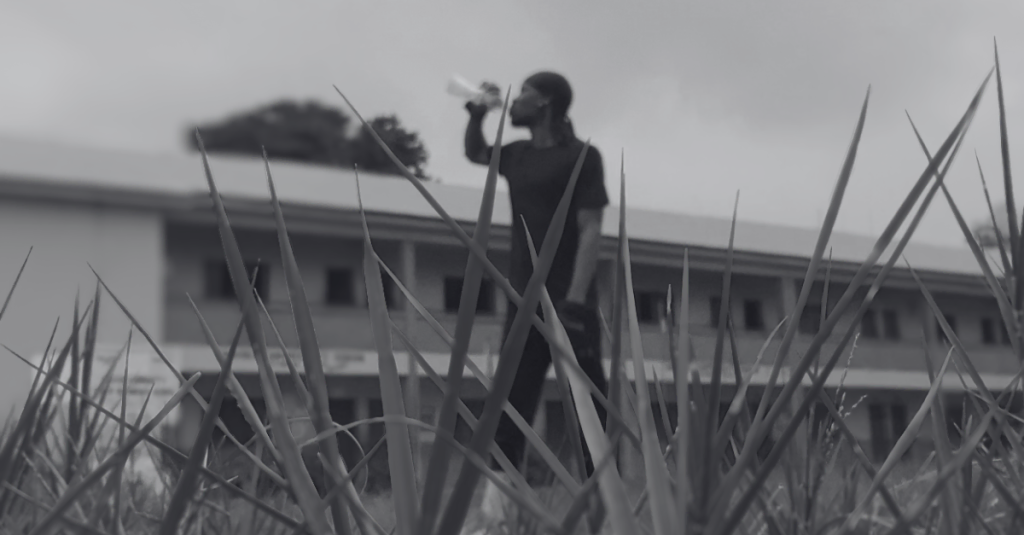
Another mistake I made was not paying enough attention to how much fluid I was actually drinking throughout the day.
I knew I was supposed to drink water, but I rarely thought about whether I was drinking enough to match my daily activities. Some days I drank plenty, while on other days I could go for several hours without drinking much at all.
That is when I realized that there is no single amount of water that everyone needs each day. Your needs can change depending on your activity level, the weather, how much you sweat, your diet, and other factors.
Instead of forcing myself to reach a fixed number every day, I started paying more attention to my routine and the situations that could increase my fluid needs.
For example, I pay more attention to hydration when I exercise, spend time in hot weather, or sweat more than usual. I also try to keep water nearby so that drinking regularly becomes easier.
Another simple thing I learned was to pay attention to signs that I might need more fluids. Feeling thirsty, having a dry mouth, or noticing darker-than-usual urine can be reminders to drink. However, these signs can have different causes, so they should not be treated as a perfect measure of hydration.
The biggest lesson for me was that staying hydrated is more about consistency than drinking a huge amount of water at once.
I stopped thinking, “How much water do I need to drink today?” and started thinking, “Am I drinking regularly and adjusting my fluids when my body needs more?”
That small change made hydration feel much easier to manage.
I Forgot That Exercise Changed My Hydration Needs
Another mistake I made was treating hydration the same way on workout days and rest days.
When I exercised, especially during harder or longer workouts, I sweat and lose fluids. But I didn’t always think about replacing what I had lost. Sometimes I would finish a workout, move on with my day, and only remember to drink when I became thirsty.
I eventually realized that exercise can increase your fluid needs because your body loses water through sweat. Hot and humid conditions can make this even more important.
This does not mean you need to drink as much water as possible before, during, or after every workout. Drinking too much can also be harmful. Instead, I learned to pay attention to how hard I was exercising, how much I was sweating, the weather, and how I felt.
Before a workout, I try not to start already feeling thirsty. During longer or more demanding sessions, I keep fluids available and drink as needed. After exercising, I make sure I continue drinking fluids rather than finishing my workout and forgetting about hydration.
This also taught me that recovery does not begin when I wake up the next morning. What I do after training can affect how prepared I feel for my next workout.
Hydration is only one part of recovery, though. Sleep, nutrition, rest, and appropriate training also matter. If you want to learn more about why these factors are important, read Why You’re Not Recovering Properly After 30.
The biggest lesson I took from this was simple: my hydration needs are not the same every day. I need to pay more attention when my activity level and fluid losses increase.
I Thought Water Was the Only Thing That Affected Hydration
For a long time, I thought hydration was about drinking enough water. While water is an important part of staying hydrated, I eventually learned that what I drink and eat can also affect my overall fluid intake.
I started paying more attention to the drinks I chose throughout the day. Some drinks may contain a lot of added sugar, while others may provide little nutritional value. Drinking these regularly can make it harder to maintain healthy habits, especially when they replace more nutritious choices.
I also learned that I did not need to avoid every drink except plain water. Drinks such as milk can contribute to fluid intake, and foods with high water content, such as fruits and vegetables, can also provide fluids.
Caffeinated drinks are another area where I became more thoughtful. Moderate amounts of caffeine don’t automatically mean that a drink will dehydrate you. However, relying heavily on caffeinated or sugary drinks isn’t the right approach.
Alcohol is different. It can increase fluid loss and is not a good choice when your goal is to rehydrate.
My biggest lesson was to look at my overall drinking habits instead of focusing on one drink or one ingredient. Most of the time, I choose water as my main drink and adjust what I drink based on my activity, environment, and needs.
I also learned that staying hydrated does not mean drinking as much as possible. More water is not always better. Drinking excessive amounts of water can be dangerous because it can cause a serious imbalance of sodium in the blood.
For me, the goal became simple: drink regularly, choose sensible beverages, and pay attention to situations when my fluid needs may be higher.
Other Hydration Mistakes I Made After 30
Looking back, I also noticed a few smaller hydration habits that was easy to overlook.
1. I Forgot to Carry Water With Me
There were times when I knew I would be away from home for several hours but didn’t take water with me. That made it easier to forget about drinking until I felt thirsty.
Keeping water available made consistency much easier.
2. I Ignored Hydration During Busy Days
When I had a lot going on, hydration was one of the first things I forgot. I could stay focused on other tasks and go for hours without drinking.
I learned that being busy does not make my fluid needs disappear. I needed to make drinking part of my normal routine.
3. I Did Not Think About Hydration When I Was Sick
I also learned that hydration deserves extra attention when you are unwell, particularly when you are losing fluids through vomiting, diarrhea, or fever.
In these situations, drinking more water may not always be enough. Depending on the illness and severity, and medical advice
4. I Mistook Every Drink for a Good Hydration Choice
I used to think that if I was drinking something, I was automatically making a good hydration choice. I later became more aware of drinks that contain large amounts of added sugar or alcohol and how they fit into my overall diet and hydration habits.
These weren’t dramatic mistakes, but they showed me that good hydration is about the small habits I repeat every day.
How to Stay Properly Hydrated After 30
You do not need a complicated hydration routine to support your everyday health. A few simple habits can make hydration easier to maintain.
- Drink regularly throughout the day. Don’t wait until you are extremely thirsty before thinking about fluids. Keep water available and make drinking part of your normal routine.
- Pay more attention to your fluid needs when you exercise. If you sweat more than usual, exercise for longer, or train in hot weather, you may need to replace more fluids.
- Choose water as your main drink. Water is a simple way to support hydration without adding extra sugar or calories. Other drinks and water-rich foods can also contribute to your overall fluid intake.
- Eat foods that contain plenty of water. Fruits and vegetables such as watermelon, oranges, cucumber, tomatoes, and lettuce can contribute to your daily fluid intake.
- Pay attention to signs that you may need more fluids. Thirst, a dry mouth, and darker-than-usual urine can be reminders to drink. However, these signs are not perfect measures of hydration and can be affected by other factors.
- Be careful not to overdo it. Staying hydrated does not mean forcing yourself to drink excessive amounts of water. Your goal should be to maintain normal hydration rather than constantly drinking as much as possible.
If you have a medical condition that affects your fluid balance or have been advised to restrict your fluid intake, follow the advice of your healthcare professional rather than general hydration advice.
For me, the biggest improvement came from making hydration a normal part of my day instead of treating it as something I only needed to think about when I was thirsty.
Final Thoughts
My biggest lesson from my hydration mistakes after 30 is that staying hydrated is not about forcing yourself to drink a specific amount of water every day.
Your fluid needs can change depending on your activity, the weather, how much you sweat, your diet, and other factors.
What helped me was becoming more consistent. I stopped waiting until I was extremely thirsty, paid more attention to hydration around my workouts, carried water with me when needed, and became more aware of the drinks and foods I consumed.
You do not need a complicated hydration routine. Start with simple habits that you can maintain every day and adjust them when your activity or environment changes.
If you have a medical condition that affects your fluid needs, speak with a qualified health professional for advice that is appropriate for you.
Join the Conversation
What is the biggest hydration mistake you have made? Share your experience in the comments below and join the conversation.