
30-Minute Full-Body Home Workout After 30
Table of Contents
ToggleHave you ever felt like staying fit after 30 is impossible because you don’t have enough time to exercise?
I remember when I first started taking fitness seriously after turning 30. Between work, daily responsibilities, and unexpected commitments, finding time to exercise became increasingly difficult.
There were days when I skipped my workouts because I couldn’t dedicate a full hour to training. However, I later realized that waiting for the “perfect” time to exercise was holding me back more than my busy schedule ever did.
The moment I started focusing on short, intentional workouts, everything changed. Even on my busiest days, I could squeeze in just 30 minutes at home. Those sessions helped me stay consistent, maintain my strength, and make steady progress without feeling overwhelmed.
If you’ve been struggling to fit exercise into your busy schedule, this 30-Minute Full-Body Home Workout After 30 will show you how to build strength, improve your fitness, and stay consistent, all in just 30 minutes a day.
Why Full-Body Workouts Are Ideal After 30
As we age, our bodies naturally begin to lose muscle mass if we don’t stay active. Muscle strength, balance, and mobility also become important for maintaining everyday function and reducing the risk of injury.
According to the National Institute on Aging (NIA), strength-training exercises are an important part of healthy aging because they help maintain muscle strength, bone health, and physical function.
A full-body workout is especially effective because it targets multiple muscle groups in one session. Instead of dedicating separate days to your chest, legs, or shoulders, you’ll work your entire body, making it an efficient option for busy schedules.
If you’re beginning your fitness journey, you may also enjoy our Fitness After 30 guide, which explains how to build healthy habits that last.
Is 30 Minutes Really Enough?
Absolutely.
Many people assume longer workouts produce better results, but workout quality often matters more than workout length.
A focused 30-minute session that combines strength exercises with short rest periods can effectively elevate your heart rate while challenging your muscles. This combination helps improve cardiovascular fitness and muscular endurance at once.
The Centers for Disease Control and Prevention (CDC) recommends adults perform at least 150 minutes of moderate-intensity physical activity each week, along with muscle-strengthening activities on two or more days. Five 30-minute workouts spread throughout the week can help you meet those activity guidelines.
The key is consistency. Completing four or five focused workouts each week is generally more beneficial than doing a single long workout and remaining inactive for the rest of the week.
If your goal is to lose body fat, pairing this routine with a balanced nutrition plan can make an even bigger difference. You can also read our guide on Weight Loss After 30 for practical strategies that complement your workouts.
Who Is This Workout For?
This routine is designed for:
- Beginners returning to exercise after a long break
- Adults over 30 looking for efficient home workouts
- Busy professionals with limited time
- Anyone wanting to improve strength, endurance, and overall fitness without joining a gym
Most exercises use only your body weight, though you can increase the challenge later by adding resistance bands or a pair of dumbbells.
What You’ll Need
One of the best things about this workout is its simplicity.
Before you begin, gather:
- Comfortable workout clothes
- Supportive athletic shoes
- An exercise mat or soft surface
- A water bottle to stay hydrated
- Optional: A pair of dumbbells or resistance bands for added intensity
In the next section, we’ll cover the 30-minute full-body home workout after 30, with a simple five-minute warm-up that helps increase blood flow, improve mobility, and reduce the risk of injury before your workout begins.

The 30-Minute Full-Body Home Workout After 30
Now it’s time to put everything into action. This beginner-friendly routine is designed to help you build strength, improve endurance, and burn calories, all from the comfort of your home.
The best part is that you don’t need any special equipment, making it easy to stay consistent even on your busiest days.
5-Minute Warm-Up
Before starting the main workout, warm up your muscles and joints to prepare your body for exercise. Perform each movement for 30–60 seconds at a comfortable pace.
- March in place
- Arm circles
- Bodyweight squats
- High knees
- Shoulder rolls
Once your heart rate begins to rise and your muscles feel warm, you’re ready to move on to the main workout.
Main Workout (20 Minutes)
Perform each exercise for 45 seconds, followed by 15 seconds of rest. Complete the circuit twice, resting for 60–90 seconds between rounds if needed.
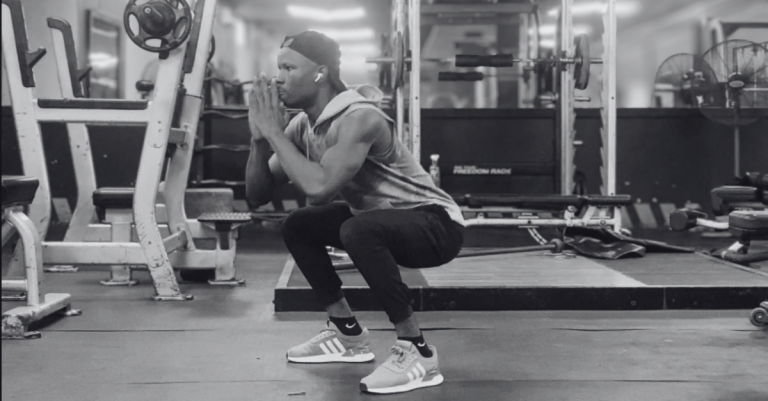
1. Bodyweight Squats
Bodyweight squats strengthen your glutes, quadriceps, hamstrings, and core while improving lower-body mobility. Stand with your feet shoulder-width apart, lower your hips as if sitting in a chair, then push through your heels to return to the starting position. Keep your chest up and your knees aligned with your toes throughout the movement.
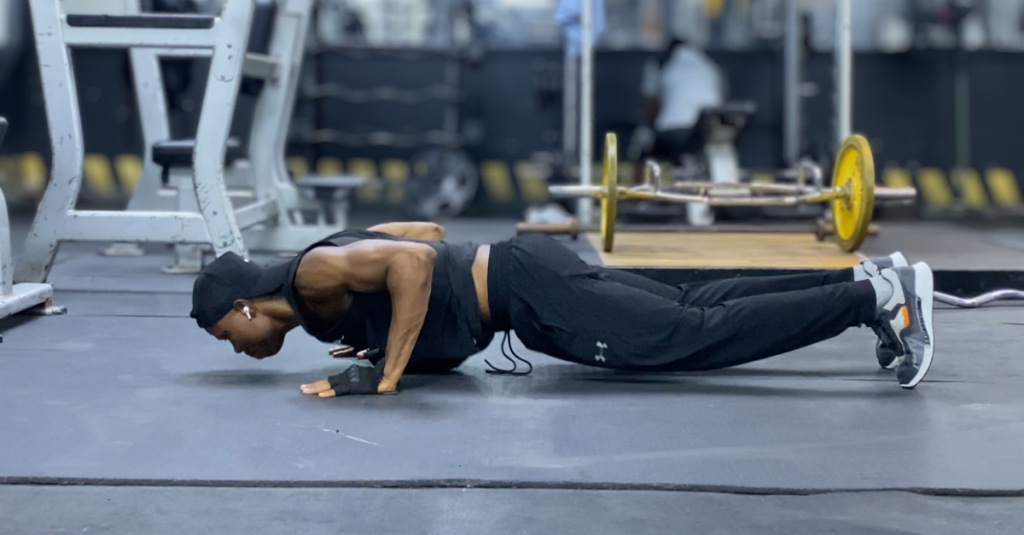
2. Push-Ups
Push-ups are one of the most effective bodyweight exercises for building strength in your chest, shoulders, triceps, and core. Lower your body until your chest is just above the floor, then press back up while keeping your body in a straight line. If needed, perform the exercise on your knees or against a wall.
For proper technique and beginner-friendly variations, read our guide on What Muscles Do Push-Ups Work?
3. Reverse Lunges
Reverse lunges help improve lower-body strength, balance, and coordination while placing less stress on your knees than forward lunges. Step one foot backward, lower both knees, then return to the starting position and repeat on the opposite side.
4. Mountain Climbers
Mountain climbers combine strength and cardio, making them a great exercise for raising your heart rate while engaging your core, shoulders, and legs. Start in a high plank position and alternate driving your knees toward your chest. Move at a pace that matches your fitness level while maintaining good form.
5. Glute Bridges
Glute bridges strengthen your glutes, hamstrings, and lower back, helping improve hip stability and posture. Lie on your back with your knees bent, press through your heels, and lift your hips until your body forms a straight line from your shoulders to your knees. Pause briefly before lowering back down.
6. Plank Hold
The plank is an excellent exercise for improving core stability, posture, and functional strength. Support yourself on your forearms and toes, keeping your body in a straight line from head to heels. Tighten your core and avoid letting your hips sag.
7. Jumping Jacks
Jumping jacks are a simple cardio exercise that increases your heart rate while working your entire body. If high-impact movements feel uncomfortable, perform a low-impact step-out variation instead to reduce stress on your joints.
8. Bicycle Crunches
Bicycle crunches target your abdominals, obliques, and core endurance. Lie on your back, lift your shoulders slightly off the floor, and alternate bringing each elbow toward the opposite knee using slow, controlled movements rather than rushing through the exercise.
5-Minute Cool-Down
After completing the workout, spend a few minutes cooling down to help your body recover. Hold each stretch for 20–30 seconds while breathing slowly and deeply.
Focus on stretching your:
- Hamstrings
- Quadriceps
- Chest
- Shoulders
- Lower back
Cooling down can help reduce muscle stiffness, improve flexibility, and support recovery after exercise.
Recovery is just as important as your workouts. Giving your body enough time to rest, staying hydrated, and getting quality sleep will help you perform better and reduce your risk of injury. If you’d like more recovery tips, check out our Wellness and Recovery After 30: A Complete Guide to Better Health.
How Often Should You Perform This Workout?
For most adults over 30, performing this workout 3–5 times a week is enough to build strength, improve endurance, and support overall fitness.
If you’re new to exercise, start with 2–3 sessions per week on non-consecutive days to give your muscles enough time to recover before increasing your training frequency.
On your rest days, stay active with light activities such as walking, stretching, or cycling. These forms of active recovery can help reduce muscle stiffness and keep you moving without placing too much stress on your body.
If your goal is weight loss, you may also enjoy our guide on ‘Best Home Workouts for Weight Loss After 30 for additional routines designed to support your fat-loss journey.
Common Mistakes to Avoid
Even the best workout routine won’t deliver great results if it’s performed incorrectly. Avoid these common mistakes to stay safe and make steady progress.
- Skipping Your Warm-Up: Jumping straight into exercise can increase your risk of injury. Always spend a few minutes warming up to prepare your muscles and joints for movement.
- Using Poor Form: Focus on performing each exercise with proper technique rather than rushing through repetitions. Good form helps you target the right muscles and reduces unnecessary strain on your joints.
- Doing Too Much Too Soon: It’s tempting to push yourself hard, especially when you’re motivated. However, increasing the intensity too quickly can lead to soreness, fatigue, or injury. Progress gradually as your strength and endurance improve.
- Ignoring Recovery: Your muscles need time to recover after each workout. Prioritize quality sleep, stay hydrated, and schedule rest days to support muscle repair and overall performance.
- Being Inconsistent: Doing one intense workout occasionally won’t produce lasting results. Aim to exercise regularly and make fitness part of your weekly routine. Small, consistent efforts often lead to the biggest long-term improvements.
Avoiding these mistakes can improve results and reduce the risk of injury.
For more details, read Home Workout Mistakes After 30.
Frequently Asked Questions
Is a 30-minute full-body home workout after 30 enough?
Yes. A well-planned 30-minute full-body workout can help improve strength, endurance, and overall fitness when performed consistently. According to the Centers for Disease Control and Prevention (CDC), adults should aim for at least 150 minutes of moderate-intensity physical activity each week, along with muscle-strengthening activities on two or more days. Completing this workout 3–5 times per week can help you work toward those recommendations.
Can beginners do this workout?
Absolutely. This routine is designed to be beginner-friendly with simple bodyweight exercises that can be modified to suit your fitness level. If an exercise feels too challenging, reduce the intensity, take longer rest periods, or choose an easier variation until you become stronger.
Do I need equipment for this workout?
No. This workout can be completed using just your body weight, making it perfect for exercising at home. If you want to increase the challenge over time, you can add resistance bands or a pair of dumbbells.
Can I do this workout every day?
It’s generally better to perform this workout 3–5 times per week and allow your body time to recover between sessions, especially if you’re new to exercise. On your rest days, consider light activities such as walking, stretching, or yoga to stay active while giving your muscles time to recover.
Final Thought
Staying fit after 30 doesn’t mean spending hours in the gym or investing in expensive equipment. As I’ve learned through my own fitness journey, even a focused 30-minute workout can make a real difference when you stay consistent.
This full-body home workout is designed to help you build strength, improve endurance, and support your overall health, all while fitting into a busy schedule. Start at a pace that feels comfortable, focus on proper form, and remember that lasting results come from showing up consistently, not from being perfect.
As you progress, don’t forget to support your workouts with balanced nutrition, proper hydration, and enough recovery. Together, these healthy habits can help you stay fit, strong, and energized well beyond your 30s.
Join the Conversation
Have you tried this 30-minute full-body workout? I’d love to hear about your experience. Share your thoughts, favorite exercise, or any questions you have in the comments below. Your feedback could also inspire and encourage others who are starting their fitness journey after 30.
If you found this guide helpful, consider sharing it with a friend or family member who’s looking for a simple and effective way to stay active at home.