Lateral Raises: Muscles Worked, Proper Form, Benefits & Variations
Table of Contents
ToggleHave you ever done lateral raises and wondered whether you’re actually targeting the right muscles?
I’ve asked myself the same question, especially when trying to build stronger, more developed shoulders. Lateral raises look simple, but small changes in your form can change how the movement feels and where you feel the work.
Whether you use dumbbells, cables, or a machine, the basic movement is designed to raise your arms out to the sides and challenge the shoulder muscles.
In this guide, I’ll break down what lateral raises work, how to do them correctly, the benefits, common mistakes, and the main variations worth knowing.
What Are Lateral Raises?
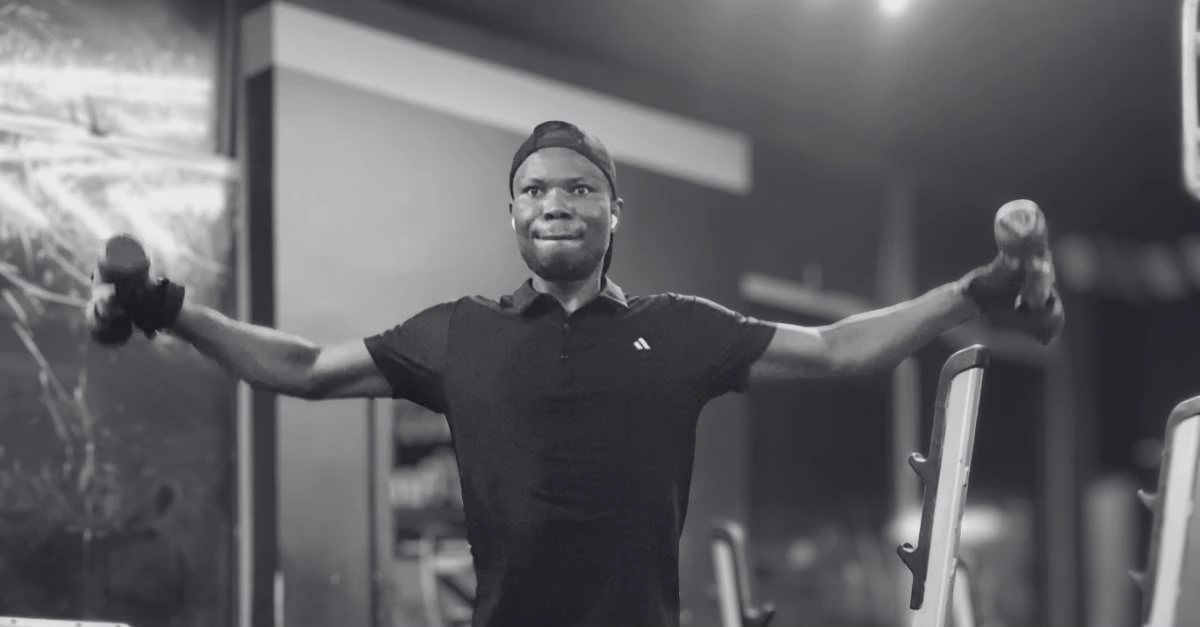
Lateral raises are a shoulder isolation exercise where you raise your arms out to the sides against resistance. They can be performed with dumbbells, cables, resistance bands, or a lateral-raise machine, depending on the variation.
The exercise primarily trains the deltoids, particularly the middle portion of the shoulder. The movement is commonly used when the goal is to develop the shoulders and add more direct work for the muscles involved in raising the arms out to the sides.
The basic dumbbell version starts with the weights at your sides. You then raise your arms outward until they reach shoulder height and then lower them under control.
Why this matters
Although lateral raises are a simple exercise, the way you perform them matters. Using excessive weight or swinging the body can make it harder to control and take away from the shoulder-focused benefits you’re aiming for.
That’s why the next question is more important than knowing what lateral raises are:
Which muscles do lateral raises actually work?
What Muscles Do Lateral Raises Work?
If you’re wondering which muscles lateral raises work, the main target is the deltoid, particularly the medial (middle) deltoid on the outside of your shoulder.
The deltoid has three parts: the anterior (front), medial (middle), and posterior (rear) heads. Lateral raises target the middle section, which is the reason why you’ll often see them in shoulder workouts. ACE-sponsored research has also found that lateral-raise variations can produce substantial activation of the medial deltoid.
1. Medial Deltoid
The medial deltoid is the primary muscle you’re trying to work with a standard lateral raise.
As you lift your arms out to your sides, this part of the shoulder helps move your upper arms away from your body. Developing it can contribute to a wider, more rounded appearance.
This is also why lateral raises look different from exercises such as front raises: the movement emphasizes raising the arms out to the side rather than directly in front of you.
2. Anterior Deltoid
The anterior deltoid, or front portion of the shoulder, can also contribute during lateral raises, but it isn’t the main target.
How much it contributes can depend on your arm position and how you perform the movement. If your goal is specifically to emphasize the middle deltoid, keeping the movement controlled and avoiding excessive forward movement of the arms can help keep the exercise focused.
3. Posterior Deltoid
The posterior deltoid may also assist with the movement, but a standard lateral raise isn’t primarily a rear-delt exercise.
This distinction matters because the three parts of the deltoid don’t all receive the same emphasis from the same exercise.
4. Trapezius
The trapezius can also contribute as the arms are raised, in movement control within the shoulder blades.
However, you shouldn’t turn the exercise into a shrug. The goal of a lateral raise is still to keep the movement centered on the shoulders rather than using your upper traps to lift the weight.
So, What Do Lateral Raises Work Most?
The medial deltoid is the main muscle targeted by a standard lateral raise. The front and rear portions of the deltoid and muscles around the shoulder blade can contribute, but they aren’t the primary focus.
That’s why lateral raises are particularly useful when you want to give the side of your shoulders more direct attention.
How to Do Lateral Raises Correctly
Once you know what lateral raises are designed to work, the next step is getting the movement right. The exercise looks simple, but proper form matters, especially if you want to keep the focus on your shoulders rather than relying on momentum.
For the standard dumbbell version, follow the steps below.
Step 1: Set Your Starting Position
Stand with your feet about hip-width apart and hold a dumbbell in each hand with your arms resting by your sides. Keep your palms facing toward your body and maintain a slight bend in your elbows.
Brace your core and keep your torso stable throughout the movement.
Step 2: Raise the Dumbbells Out to Your Sides
Slowly raise both arms outward, leading with your elbows rather than simply lifting the dumbbells with your hands.
Keep the movement controlled and avoid swinging your torso to create momentum.
Step 3: Stop Around Shoulder Height
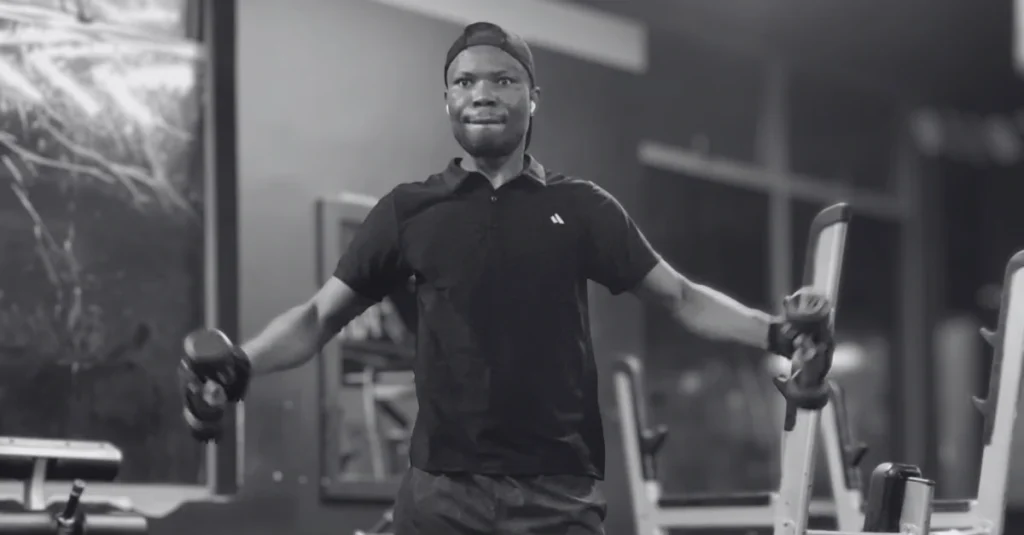
Continue raising the dumbbells until your upper arms are approximately level with your shoulders.
You don’t need to raise the weights excessively high. Keeping the movement around shoulder height helps maintain the exercise’s intended focus.
Step 4: Lower the Weights Under Control
Slowly lower the dumbbells back toward your sides rather than allowing them to drop.
The lowering portion is still part of the exercise, so stay in control from the beginning to the end of every repetition.
What Should Proper Lateral Raise Form Look Like?
A good lateral raise should look controlled rather than heavy.
Keep your:
- Core braced
- Torso relatively still
- Elbows slightly bent
- Wrists neutral
- Movement controlled
- Arms around shoulder height at the top
If you have to swing your body, shrug excessively, or bend your elbows to raise the weights, the weight is probably too heavy for the way you’re performing the exercise.
ACE’s exercise guide emphasizes a stable torso, controlled movement, and maintaining proper wrist and shoulder positioning.
This is one exercise where using lighter weights with better control can be more useful than chasing heavier dumbbells.
And if you’re wondering whether the dumbbell version is the only way to perform the movement, it isn’t. Cable and machine lateral raises offer other ways to train the same general shoulder movement, which we’ll look at later.
A Simple Form Cue I Use
Instead of thinking about “lifting the dumbbells,” think about “raising your elbows out to the sides.”
That small change can make it easier to keep the movement controlled and avoid turning the exercise into a swinging motion.
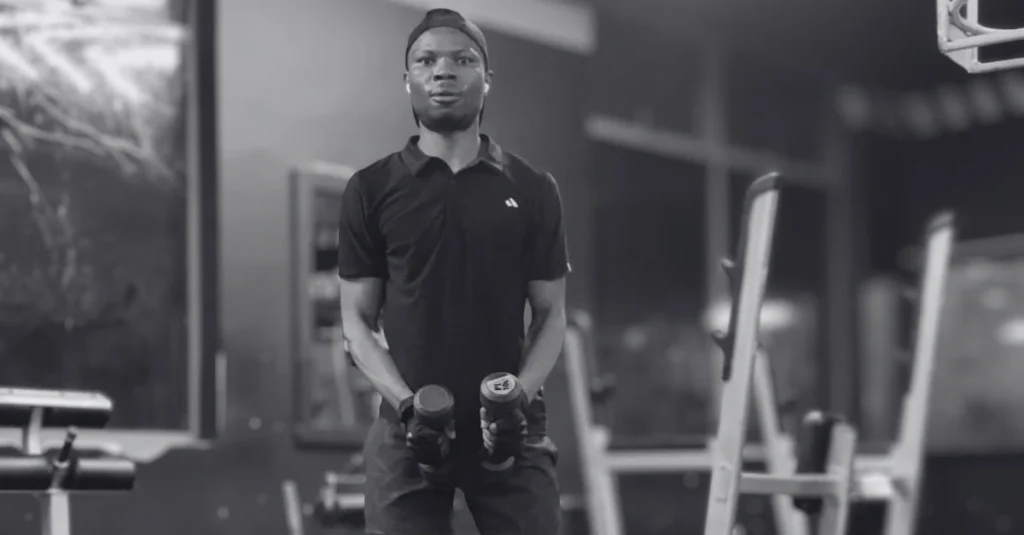
Lateral Raise Variations: Dumbbell, Cable & Machine
You don’t have to perform lateral raises with only dumbbells every time. Dumbbell, cable, and machine lateral raises all train the same general shoulder movement, but each variation feels slightly different because of how the resistance is provided.
Dumbbell Lateral Raise Variations
Dumbbell lateral raises are the most common variation and require very little equipment. Hold a dumbbell in each hand, keep your arms by your sides, and raise them outward until your upper arms are around shoulder height.
They’re a simple choice for both home and gym workouts, but using too much weight can make it difficult to maintain control. Choose a load that allows you to perform the movement without excessive swinging or shrugging.
Once you’ve mastered the standard dumbbell lateral raise, you can add variety to keep your workouts challenging.
- Seated Dumbbell Lateral Raise: Performing the exercise while seated reduces momentum, making it easier to isolate your side deltoids.
- Single-Arm Dumbbell Lateral Raise: Training one arm at a time allows you to focus on correcting muscle imbalances and improving control.
- Leaning Lateral Raise: Holding onto a stable object while leaning slightly away changes the resistance curve and increases tension during part of the movement.
- Resistance Band Lateral Raise: Resistance bands provide continuous tension throughout the exercise and are a great option for home workouts.
If you enjoy training with dumbbells, you may also like our guides on the Arnold Press and Front Raises to build stronger, more balanced shoulders.
Cable Lateral Raises
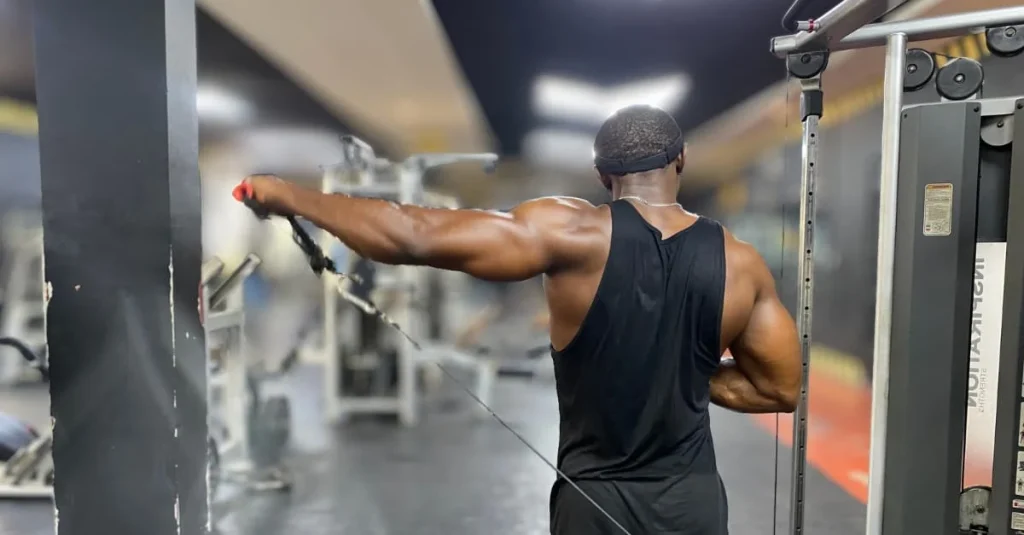
Cable lateral raises use a low cable to provide resistance as you raise your arm to the side. You can perform them with one arm at a time, which can make it easier to focus on each shoulder individually.
The cable also provides a different resistance feel from dumbbells, making it a useful alternative when you want to change how the exercise feels without changing its basic movement.
Machine Lateral Raises
Machine lateral raises use a dedicated lateral-raise machine to guide the movement while you work against resistance.
Because the machine provides more stability than free weights, you can concentrate on moving your arms through the exercise without having to control dumbbells. This can be useful if you prefer a more supported shoulder-isolation exercise.
Which Lateral Raise Variation Should You Use?
There isn’t one particular variation that you have to use.
- Dumbbells: simple, accessible, and easy to use almost anywhere.
- Cables: useful for unilateral training and a different resistance feel.
- Machine: provides more support and stability during the movement.
The best option is the one that lets you train your shoulders comfortably while maintaining controlled form.
So if you’ve been doing dumbbell lateral raises for a while, you don’t necessarily need to replace them. Adding cable or machine lateral raises gives you another way to train the same movement and keep your shoulder workouts varied.
What Can Lateral Raises Do?
If you’re wondering what lateral raises can do for your shoulders, their main purpose is to provide direct work for the deltoids, particularly the medial deltoid.
Because the movement raises your arms out to the sides, lateral raises can help develop the muscles responsible for that movement and contribute to a broader, more developed shoulder appearance when combined with an appropriate strength-training routine.
They can also be useful when your regular pressing exercises don’t provide enough direct work for the side delts. Instead of relying on compound shoulder exercises, lateral raises offer you a simple way to train this area.
Main Benefits of Lateral Raises
- They target the side delts: The medial deltoid is the primary focus of the exercise, making lateral raises particularly useful for direct shoulder isolation.
- They can help build broader-looking shoulders: Developing the medial deltoids can contribute to greater shoulder width and a more developed appearance.
- They offer a simple isolation exercise: Lateral raises don’t require complicated technique or heavy equipment. You can perform them with dumbbells, cables, or a machine depending on what you have available.
- They provide different training options: Because lateral raises can be performed with different types of resistance, you can choose the variation that feels most comfortable and suits your training setup.
Overall, lateral raises are best viewed as a shoulder-focused isolation exercise, rather than an exercise that trains the entire upper body.
If your goal is to develop your shoulders, they can complement your larger strength exercises by giving the medial deltoids more direct attention.
Related Reading: If you’re looking to train your shoulders more comprehensively, you can also check out my full shoulder exercise for a routine that targets the shoulders from different angles.
Are Lateral Raises a Push or Pull Exercise?
Lateral raises are best considered a shoulder isolation exercise, rather than a traditional push or pull movement.
Unlike a bench press, where you push the weight away from your body, or a row, where you pull the weight toward you, lateral raises involve lifting your arms out to the sides to target the deltoids.
If you follow a push/pull/legs routine, lateral raises are commonly included with push or shoulder workouts because they directly train the deltoids.
So, while lateral raises don’t fit perfectly into the traditional push-or-pull categories, they’re generally grouped with push training.
Common Lateral Raise Mistakes
Lateral raises don’t require complicated technique, but a few common mistakes can make the exercise less effective and make it harder to keep the focus on your shoulders.
1. Using Too Much Weight
One of the most common mistakes is choosing dumbbells that are too heavy to control.
When the weight is excessive, you may start swinging your body or using other muscles to help lift the dumbbells. For lateral raises, controlled movement is more important than simply moving heavier weight.
2. Swinging the Body
Keep your torso steady throughout the movement. If you need to swing your body to lift the dumbbells, the weight is likely too heavy. Reduce the load and focus on raising and lowering the dumbbells with control.
3. Shrugging the Shoulders
Try not to turn the lateral raise into a shrug.
Excessive shrugging can cause your upper traps to take over more of the movement. Keep your shoulders controlled as you raise your arms rather than trying to lift your shoulders toward your ears.
4. Raising the Weights Too High
You don’t need to continue lifting the dumbbells well above shoulder height.
For a standard lateral raise, bringing your upper arms to approximately shoulder level is generally sufficient. Going higher isn’t automatically better and may make it harder to maintain good control.
5. Dropping the Weights Too Quickly
The lowering phase still matters.
Instead of allowing the dumbbells to fall back to your sides, lower them under control. This keeps the movement deliberate and prevents you from turning each repetition into a quick swing.
The Simple Fix
If you notice yourself making these mistakes, reduce the weight and slow the movement down.
You don’t need heavy dumbbells to make lateral raises challenging. Good form, controlled repetitions, and a suitable resistance are more important than trying to impress yourself with a heavy dumbbell.
Is 10 kg Good for Lateral Raises?
There isn’t a universal “good” weight for lateral raises. The right weight is one you can control throughout the movement without swinging, shrugging excessively, or losing your form.
If 10 kg allows you to maintain that control, it may be appropriate for you. If you have to use momentum to lift it, a lighter weight would be a better choice.
Final Thought
Lateral raises may look like a simple shoulder exercise, but proper form can make a big difference in how effectively you train the deltoids.
The medial deltoid is the main muscle targeted, and you can perform the exercise with dumbbells, cables, or a machine depending on your preference and available equipment. You also don’t need to use heavy weights to make lateral raises effective. Controlled repetitions and good technique should come first.
If you’re adding lateral raises to your routine, focus on steady movement, appropriate resistance, and avoiding momentum. The goal isn’t to move more weight, but to make each repetition count.
For me, that’s what makes lateral raises such a useful addition to a shoulder workout: they’re simple, but when performed properly, they can give your side delts the direct attention they need.
Join the Conversation
Have you added dumbbell lateral raises to your workout routine?
Share your experience or your biggest challenge in the comments below. I’d love to hear from you and help if you have any questions.