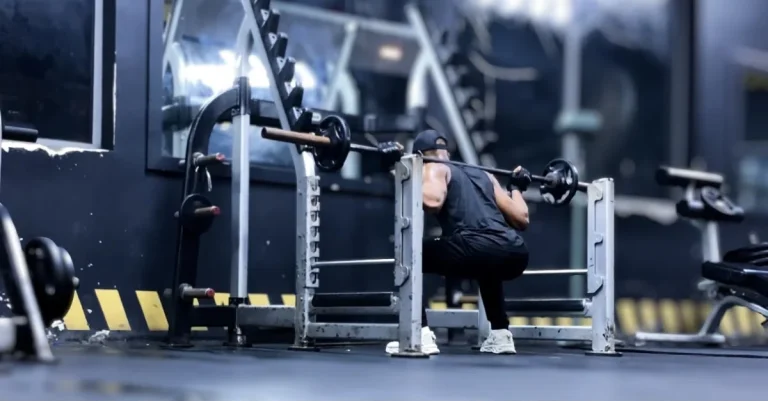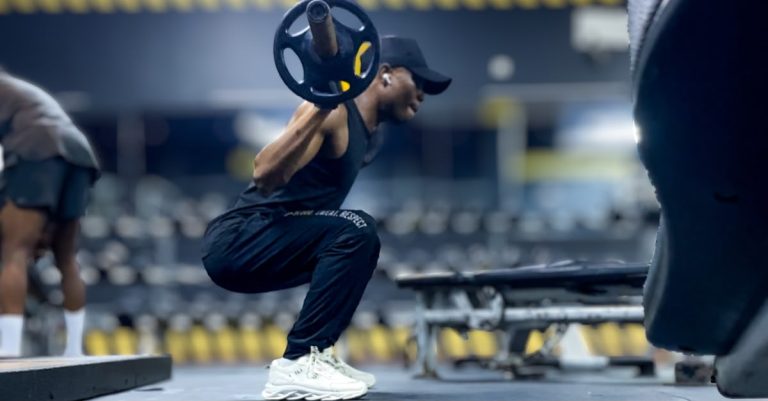
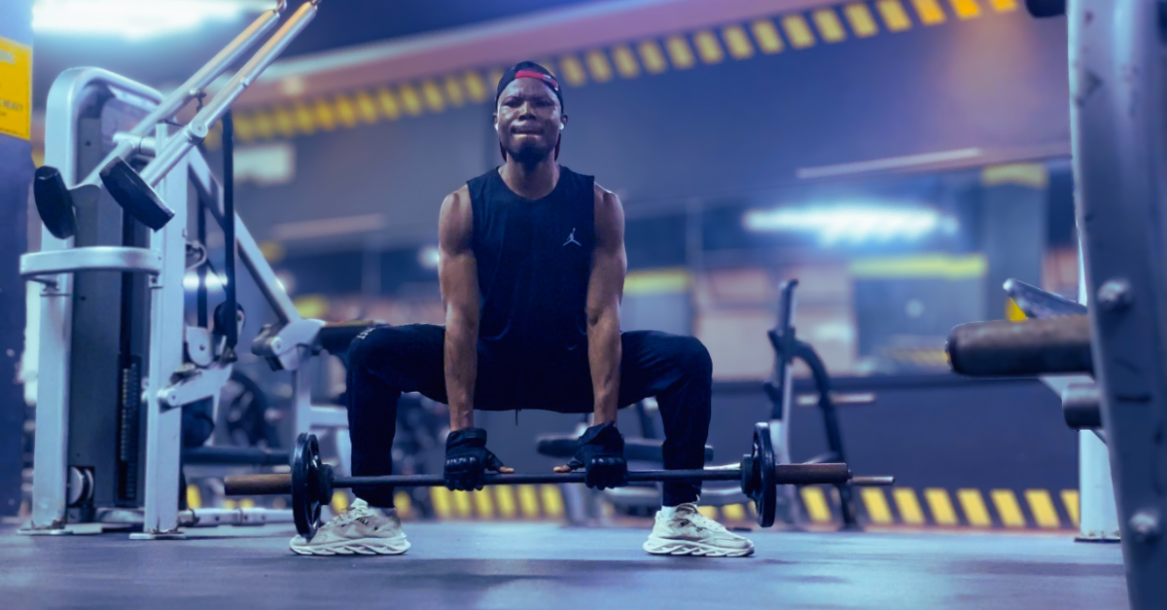
Sumo Squat: Proper Form, Benefits & Muscles Worked
Table of Contents
ToggleHave you ever wondered why the sumo squat has become one of the most recommended lower-body exercises for building strength and improving mobility?
I remember the first time I added sumo squats to my workout routine. At first, I thought they were simply a wider version of a regular squat. But after practicing the movement with proper form, I quickly realized how differently they challenged my muscles. My glutes, inner thighs, and core worked harder than I expected, and I also noticed improvements in my hip mobility and overall lower-body stability.
If you’re over 30, exercises that strengthen your legs while supporting balance and joint health become even more important. The sumo squat is an excellent compound exercise that can help you build functional strength, improve lower-body muscle, and make everyday movements like lifting, climbing stairs, and getting up from a chair feel easier.
In this guide, you’ll learn how to perform a sumo squat with proper form, the muscles it works, its benefits, common mistakes to avoid, and whether it’s a good exercise to include in your fitness routine after 30.
What Is a Sumo Squat?
A sumo squat is a lower-body compound exercise performed with a wider-than-shoulder-width stance and your toes pointed slightly outward. Unlike a traditional squat, the wider stance places greater emphasis on the glutes, inner thighs (adductors), and quadriceps while still engaging the hamstrings and core to stabilize your body throughout the movement.
The exercise gets its name from the wide stance of sumo wrestlers. Although it resembles their starting position, the movement is designed to strengthen your lower body, improve hip mobility, and enhance balance rather than mimic the sport itself.
One of the biggest advantages of the sumo squat is its versatility. Whether you’re a beginner using only your body weight or an experienced lifter performing dumbbell, kettlebell, or barbell sumo squats, the exercise can be adapted to suit your fitness level and goals.
For adults over 30, the sumo squat can be especially valuable because it helps maintain lower-body strength, supports healthy joint function, and improves everyday life, such as lifting objects, climbing stairs, and sitting down or standing up safely.
Benefits of Sumo Squats
The sumo squat is more than just a variation of the traditional squat. Its wider stance shifts the emphasis to different muscle groups while still providing the strength and functional benefits that make squats one of the most effective lower-body exercises.
Whether your goal is to build muscle, improve mobility, or stay active after 30, incorporating sumo squats into your routine can help you develop strength that carries over into everyday life.
Here’s how:
1. Builds Lower-Body Strength
Sumo squats strengthen several major muscles in the lower body, including the glutes, quadriceps, hamstrings, and inner thighs. Developing strength in these muscles helps improve everyday activities such as climbing stairs, lifting objects, and maintaining balance during daily movement.
2. Places Greater Emphasis on the Inner Thighs
Because of the wider stance, the sumo squat activates the adductor muscles more than a traditional squat. Strengthening these muscles can help improve lower-body stability and support better movement patterns during sports and everyday activities.
3. Helps Build Stronger Glutes
The wider foot position also increases the demand on your glute muscles throughout the movement. When performed with proper depth and control, sumo squats can be an effective exercise for developing stronger, more powerful glutes as part of a balanced strength-training program.
4. Improves Hip Mobility
Many adults experience reduced hip mobility as they get older, especially if they spend long hours sitting. Performing sumo squats through a comfortable range of motion can help improve hip flexibility and encourage healthier movement patterns over time.
5. Supports Functional Fitness After 30
Maintaining lower-body strength becomes increasingly important with age. Exercises like the sumo squat help preserve muscle mass, improve balance, and support independence in everyday activities.
The CDC recommends adults perform muscle-strengthening activities at least twice a week as part of an overall physical activity routine, making exercises like sumo squats a valuable addition to a well-rounded workout program.
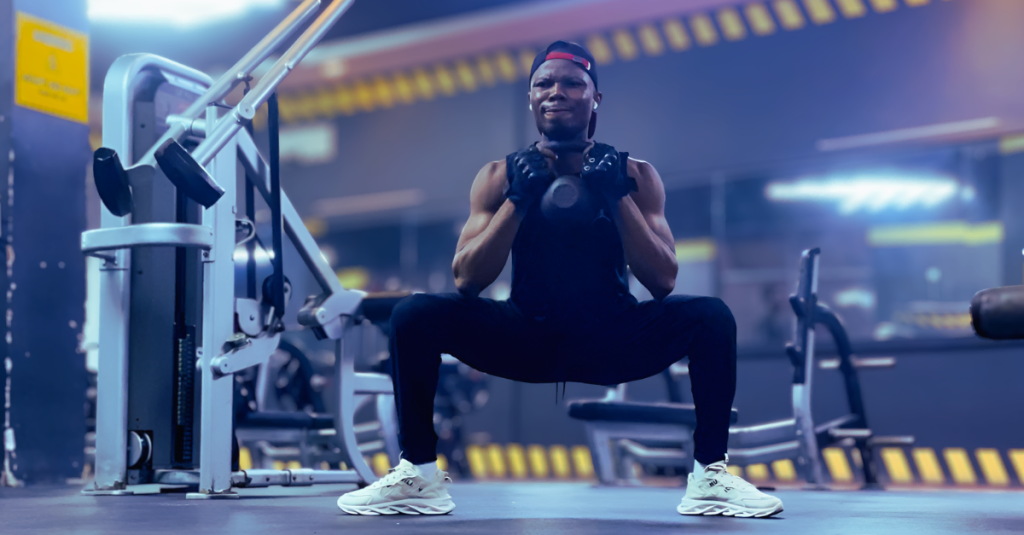
Muscles Worked During a Sumo Squat
The sumo squat is a compound exercise, meaning it targets multiple muscle groups at once. While it primarily targets the lower body, your core also plays an important role in maintaining balance and proper posture throughout the movement.
Here’s how:
1. Gluteus Maximus
The gluteus maximus is one of the primary muscles worked during a sumo squat. As you lower into the squat and drive through your heels to stand, your glutes generate the force needed to extend your hips. Strong glutes help improve lower-body strength, stability, and power for everyday movements and athletic activities.
2. Quadriceps
Located at the front of your thighs, the quadriceps help straighten your knees as you rise from the squat. They work together with your glutes to control both the lowering and lifting phases of the exercise.
3. Adductors (Inner Thighs)
One of the biggest differences between a sumo squat and a traditional squat is the increased involvement of the adductors. The wider stance places greater demand on the inner thigh muscles, making the sumo squat an excellent exercise for developing strength and stability in this often-overlooked muscle group.
4. Hamstrings
Although the hamstrings are not the primary movers, they assist the glutes during hip extension and help stabilize the movement. Keeping your hips and knees aligned throughout the exercise allows the hamstrings to work efficiently alongside the other lower-body muscles.
5. Core Muscles
Your abdominal muscles, obliques, and lower back work together to stabilize your torso during every repetition. Maintaining a braced core helps protect your spine and supports proper squat technique, especially when using added resistance such as dumbbells or kettlebells.
Tip: While the sumo squat emphasizes the inner thighs more than a traditional squat, no single exercise can fully isolate a single muscle. The movement relies on several muscle groups working together to produce a safe and effective squat.
For a more detailed breakdown of every muscle involved, read my complete guide on Sumo Squat Muscles Worked.
How to Do a Sumo Squat with Proper Form
Performing a sumo squat with proper form helps you target the right muscles while reducing unnecessary stress on your knees and lower back. Focus on controlled movements rather than rushing through each repetition.
Step 1: Stand with a Wide Stance
Stand with your feet wider than shoulder-width apart and point your toes outward at about a 30- to 45-degree angle. Keep your weight evenly distributed across both feet.
Step 2: Brace Your Core
Tighten your abdominal muscles, keep your chest lifted, and maintain a neutral spine. Looking straight ahead rather than down can help you maintain proper posture throughout the movement.
Step 3: Lower into the Squat
Begin the movement by bending your hips and knees. Push your hips back while lowering your body until your thighs are parallel to the floor, or as low as your mobility allows without compromising your form.
Step 4: Keep Your Knees in Line with Your Toes
As you descend, allow your knees to track in the same direction as your toes. Avoid letting them collapse inward, as this can place unnecessary stress on the knee joints.
Step 5: Drive Through Your Heels
Press firmly through your heels to return to the starting position. Squeeze your glutes at the top of the movement without leaning backward or locking your knees.
Proper Form Tips
- Keep your chest up and shoulders relaxed throughout the movement.
- Maintain a neutral spine and avoid rounding your back.
- Keep your heels flat on the floor during every repetition.
- Move slowly and with control rather than relying on momentum.
- Breathe in as you lower and breathe out as you stand.
Beginner Tip: Start with bodyweight sumo squats until you can perform each repetition with good technique. Once you’re comfortable with the movement, gradually add resistance using a dumbbell or kettlebell while maintaining proper form.
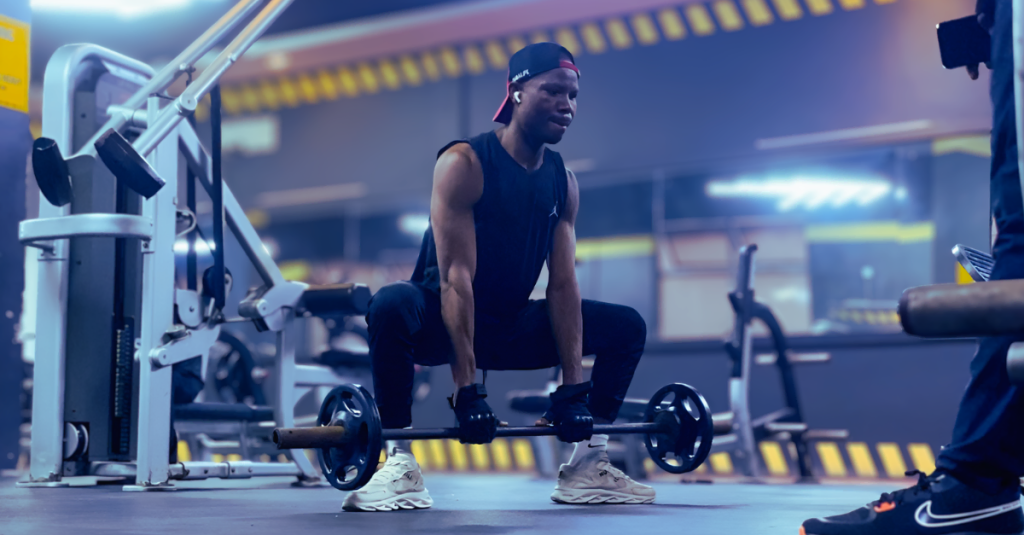
Common Sumo Squat Mistakes to Avoid
Even though the sumo squat is a beginner-friendly exercise, poor technique can reduce its effectiveness and increase the risk of discomfort or injury. Paying attention to your form will help you get the most out of every repetition.
Here’s how:
1. Standing Too Wide or Too Narrow
Your stance should be wider than shoulder-width, but not so wide that it limits your range of motion or makes it difficult to maintain balance. Adjust your foot position until you feel comfortable and can squat with control.
2. Allowing Your Knees to Collapse Inward
As you lower into the squat, your knees should follow the same direction as your toes. Letting your knees cave inward places unnecessary stress on the knee joints and reduces the effectiveness of the exercise.
How to fix it: Focus on gently pushing your knees outward as you squat while keeping your feet firmly planted on the floor.
3. Rounding Your Back
A rounded back shifts unnecessary stress to your spine and can make the movement less stable.
How to fix: Keep your chest lifted, engage your core, and maintain a neutral spine throughout the exercise.
4. Lifting Your Heels Off the Floor
Raising your heels reduces stability and limits your ability to generate power from your lower body.
How to fix: Keep your weight evenly distributed across your feet, with most of the pressure through your heels and midfoot.
5. Squatting Too Shallow
Stopping the movement too early reduces muscle engagement and limits the benefits of the exercise.
How to fix it: Lower until your thighs are at least parallel to the floor, or as far as your mobility allows, while maintaining proper form. Avoid forcing yourself deeper if it causes pain or your technique begins to break down.
6. Using Momentum Instead of Control
Moving too quickly often results in poor technique and reduces muscle activation.
How to fix it: Lower yourself in a controlled manner, pause briefly at the bottom if comfortable, and return to the starting position with steady, controlled movement.
Remember: Perfect form is more important than lifting heavier weights. Master the bodyweight sumo squat before progressing to dumbbells, kettlebells, or a barbell.
Sumo Squat vs. Regular Squat
Both the sumo squat and the regular squat are excellent lower-body exercises, but they target different muscles due to foot placement and body positioning.
Sumo Squat
- Use a wide stance with your toes pointed outward.
- Places greater emphasis on the glutes and inner thighs.
- Helps improve hip mobility while strengthening the lower body.
- A good option if you want to target the adductors with your glutes and quadriceps.
Regular Squat
- Performed with feet about shoulder-width apart.
- Distributes the workload more evenly across the quadriceps, glutes, and hamstrings.
- A fundamental movement for building overall lower-body strength.
- Commonly used in both beginner and advanced strength-training programs.
Which One Should You Choose?
Neither exercise is better than the other. If your goal is to build balanced lower-body strength, including both squat variations in your workout routine can help you target different muscles and add variety to your training.
Sumo Squat vs. Goblet Squat
Both the sumo squat and the goblet squat are excellent lower-body exercises, but they differ in stance, muscle emphasis, and how they challenge your body.
Sumo Squat
The sumo squat uses a wide stance with your toes turned outward. This position places greater emphasis on the glutes and inner thighs while still working the quadriceps, hamstrings, and core. It can be performed with your body weight or by holding a dumbbell, kettlebell, or barbell.
Goblet Squat
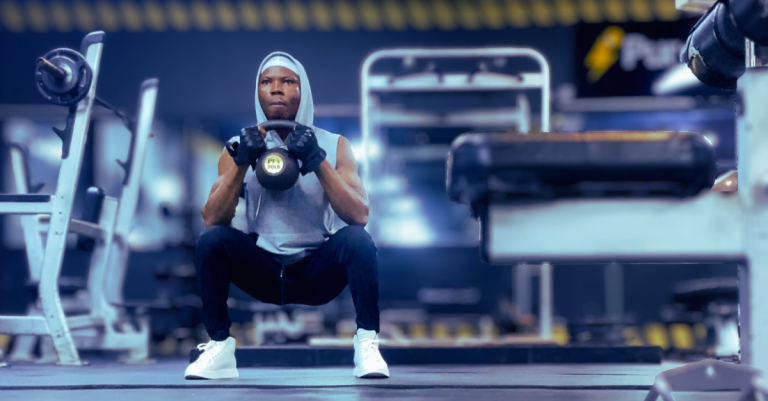
The goblet squat is performed while holding a dumbbell or kettlebell close to your chest. The narrower stance and front-loaded weight encourage an upright torso, making it an excellent exercise for improving squat technique while strengthening the quadriceps, glutes, hamstrings, and core.
Which Exercise Is Better?
Neither exercise is better than the other. They have different strengths. If you want to target your inner thighs and glutes, the sumo squat is a great choice. If you’re looking to improve squat mechanics and build overall lower-body strength with an upright posture, the goblet squat may be the better option.
For a balanced workout, consider incorporating both exercises in your lower-body routine. Alternating between them can help target different muscles while keeping your training varied and challenging.
Related: Learn how to perform a Goblet Squat with proper form in my complete guide.
Are Sumo Squats Good After 30?
Yes, sumo squats can be an excellent exercise for adults over 30 when performed with proper form and as part of a balanced strength-training program. They help strengthen the lower body while improving stability, mobility, and functional movement, all of which become increasingly important as we age.
Unlike isolation exercises that target a single muscle group, the sumo squat trains multiple muscles at once, including the glutes, quadriceps, hamstrings, inner thighs, and core. This makes it an efficient choice for busy adults who want to maximize the benefits of their workouts.
The wider stance may also feel more comfortable for some people than a traditional squat, especially those with good hip mobility. However, comfort and technique vary from person to person. If the movement causes pain or discomfort, adjust your stance, reduce your range of motion, or consult a qualified healthcare professional or certified fitness trainer.
To continue making progress after 30:
- Prioritize proper form over lifting heavier weights.
- Gradually increase resistance as your strength improves.
- Allow enough time for recovery between lower-body workouts.
- Combine strength training with regular cardiovascular exercise and a balanced diet to support your overall fitness goals.
The National Institute on Aging notes that regular strength training can help maintain muscle mass, improve physical function, and support healthy aging. Including exercises like the sumo squat in your weekly routine can help with these benefits when performed with proper form as part of a well-rounded fitness program.
Frequently Asked Questions
Are sumo squats good for beginners?
Yes. Sumo squats are an excellent exercise for beginners because they can be performed using only your body weight. Start by learning proper form before progressing to weighted variations such as dumbbell, kettlebell, or barbell sumo squats.
Do sumo squats build glutes?
Yes. Sumo squats effectively strengthen the glutes while also working the quadriceps, hamstrings, adductors (inner thighs), and core. The wider stance places greater emphasis on the glutes and inner thighs compared to a traditional squat.
How many sumo squats should I do?
The ideal number depends on your fitness level and goals. Beginners can start with 2 to 3 sets of 8 to 12 repetitions, focusing on proper technique. As your strength improves, you can gradually increase the resistance or training volume while maintaining good form.
Can I do sumo squats every day?
While you can perform bodyweight sumo squats regularly, most people benefit from allowing time for muscle recovery after strength training. For optimal results, incorporate sumo squats into a balanced lower-body workout 2 to 3 times per week, along with adequate rest and recovery.
Final Thought
The sumo squat is a versatile lower-body exercise that strengthens your glutes, quadriceps, hamstrings, inner thighs, and core while improving balance, mobility, and functional strength.
Whether you’re a beginner learning the movement or looking to add variety to your strength-training routine, mastering proper form is the key to getting the most from every repetition.
If you’re over 30, incorporating sumo squats into a well-rounded fitness program can help you maintain muscle strength, support healthy movement, and make everyday activities feel easier.
Start with bodyweight sumo squats, focus on good technique, and gradually increase the challenge as your confidence and strength improve.
Join the Conversation
Do you include sumo squats in your workout routine, or are you planning to try them for the first time?
Share your experience, tips, or questions in the comments below. I’d love to hear how sumo squats have worked for you, and I’ll do my best to answer your questions.