Weight Loss: A Complete Guide to Losing Weight Naturally
Table of Contents
ToggleWeight loss can feel confusing when you’re faced with different diets, exercise plans, and advice about what you should or shouldn’t eat.
Knowing where to start can be difficult, especially when you want to lose weight without making drastic lifestyle changes.
That’s why I believe a practical approach to weight loss should start with understanding how food, physical activity, sleep, and daily habits work together.
You don’t have to change everything overnight or rely on extreme diets to make progress. Small, consistent changes can help you develop healthier habits that last.
In this guide, I’ll explain how weight loss works, which foods can help you manage your weight, how exercise contributes to weight loss, and how to build habits that support long-term results.
Whether you’re just starting your weight loss journey or trying to overcome a plateau, you’ll find practical advice to help you move forward.
What Is Weight Loss?
Weight loss refers to a reduction in your overall body weight. This can happen when you lose body fat, muscle, water, or a combination of these.
When people talk about losing weight for health or fitness reasons, their main goal is often to reduce excess body fat while preserving muscle mass as much as possible.
Your body weight can change from day to day because of factors such as fluid balance, digestion, hormonal changes, and the amount of food you’ve eaten.
Therefore, a small change on the scale doesn’t always mean you’ve gained or lost body fat.
How Does Weight Loss Work?
Your body needs energy to perform everyday functions, including breathing, maintaining body temperature, moving, and digesting food. This energy comes primarily from the food and drinks you consume.
When you consistently consume fewer calories than your body uses, you create an energy deficit. Over time, this can lead to weight loss as your body draws on stored energy.
However, weight loss isn’t always a simple or predictable process. Your activity levels, eating habits, sleep, medications, health conditions, and other factors can influence your progress.
The goal isn’t necessarily to lose weight as quickly as possible. It’s to find an approach that supports your health, provides adequate nutrition, and fits into your everyday life.
Understanding these basics can help you make more informed decisions about your diet, exercise routine, and weight-management goals.
What Is the Fastest Way to Lose Weight Safely?
The fastest way to lose weight safely is to adopt eating and physical activity habits that help you maintain a calorie deficit without depriving your body of essential nutrients.
Although crash diets and extreme workout routines may promise quick results, they can be difficult to maintain and may lead to muscle loss, nutritional deficiencies, and weight regain.
Instead, focus on changes you can maintain over time.
1. Create a Sustainable Calorie Deficit
A calorie deficit occurs when you consume fewer calories than your body uses. This encourages your body to draw on stored energy, leading to weight loss over time.
You can work toward a calorie deficit by adjusting portion sizes, choosing nutritious foods, limiting high-calorie drinks, and staying active.
You don’t necessarily need to count every calorie. Paying attention to your usual eating habits and making practical adjustments can be a useful starting point.
2. Choose Filling, Nutritious Foods
Your food choices can make managing your calorie intake easier. Include sources of protein, fibre-rich foods, fruits, and vegetables in your meals.
Protein-rich foods such as eggs, beans, fish, and chicken can help you feel satisfied. Vegetables, fruits, and whole grains provide fibre and other essential nutrients.
You can still enjoy familiar foods, including rice, yam, and other Nigerian staples. Focus on appropriate portions and balanced meals rather than eliminating foods you enjoy.
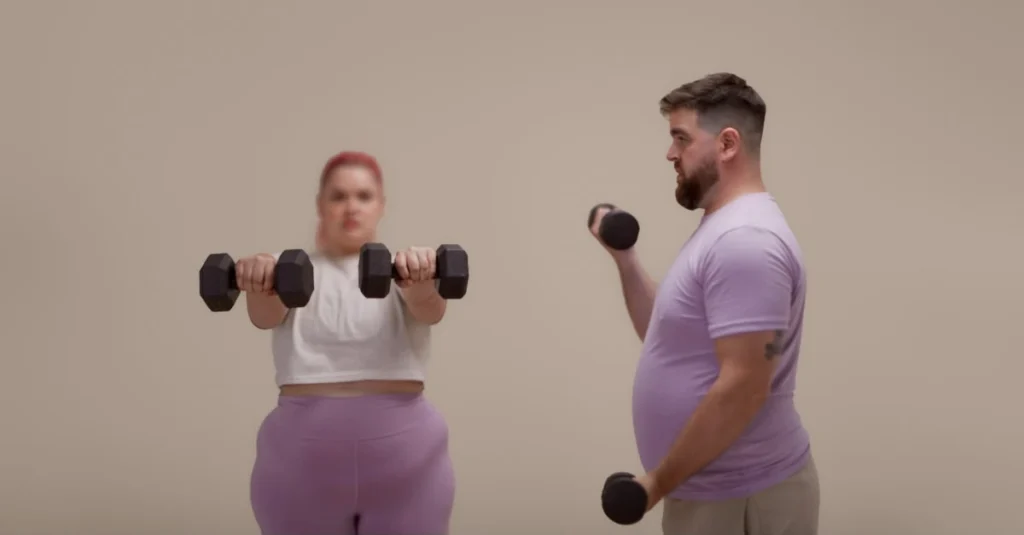
3. Combine Physical Activity With Strength Training
Regular physical activity helps you use energy and supports your overall health. Walking, cycling, swimming, dancing, and other activities you enjoy can contribute to your weight-loss efforts.
Strength training is also valuable because it helps maintain muscle mass while you lose weight. You can start with bodyweight exercises at home and gradually increase the challenge as your fitness improves.
Choose activities that suit your current ability and build up gradually rather than pushing yourself into an exhausting routine.
4. Get Enough Sleep
Sleep is another important part of weight management. Poor sleep can affect appetite regulation, food choices, energy levels, and your ability to stick to an active routine.
Try to maintain a consistent sleep schedule and create a relaxing bedtime routine. Most adults need at least seven hours of sleep each night, although individual needs can vary.
5. Set Realistic Expectations
Weight loss doesn’t happen at the same pace for everyone. Your starting weight, eating habits, activity level, medications, and health conditions can all influence your results.
The CDC’s guide to losing weight explains why gradual, steady weight loss is generally more sustainable than trying to lose weight rapidly.
Instead of judging your progress by changes on the scale, focus on your habits and longer-term trends.
Remember: You don’t have to follow a strict diet or exercise for hours every day to make progress. Start with manageable changes, give yourself time to adjust, and build a routine you can maintain.

How to Start Your Weight Loss Journey
Starting a weight loss journey can feel overwhelming when you’re trying to change your eating habits, exercise more, and figure out which advice to follow. The good news is that you don’t have to change everything at once.
I believe starting with small, realistic steps is a practical way to build habits you can maintain. Instead of focusing only on the number on the scale, think about the daily choices that can help you improve your health over time.
Here are some steps to help you get started.
1. Set a Realistic Goal
Start by deciding what you want to achieve and why it matters to you. Your goal might be to improve your health, move more comfortably, or manage your weight.
Make your goal specific and achievable. For example, you might aim to walk regularly during the week or prepare more balanced meals at home.
If weight loss is appropriate for you, a healthcare professional can help you determine a suitable target based on your health and individual circumstances.
2. Look at Your Current Eating Habits
Before making major dietary changes, take some time to understand what you usually eat and drink.
Consider whether you regularly skip meals, drink sugary beverages, eat when you’re distracted, or struggle to include vegetables and protein in your meals.
You don’t need to judge yourself for these habits. Identifying patterns can help you decide which changes are useful.
Start with one or two adjustments, like drinking water more often or adding vegetables to meals.
3. Choose Physical Activities You Enjoy
You don’t need a gym membership to become more active. Walking, dancing, cycling, and home workouts can all help you increase your activity levels.
Choose something that fits your schedule, current fitness level, and available resources.
If you’re new to exercise, start with manageable sessions and gradually increase the duration or intensity as your fitness improves.
The goal is to build a routine you can follow consistently rather than pushing yourself too hard at the beginning.
4. Build a Simple Eating and Exercise Routine
Having a basic routine can make healthy choices easier to maintain.
Plan some meals ahead of time, identify convenient times for physical activity, and establish a regular sleep schedule.
Your routine doesn’t have to be complicated. For example, you might prepare lunch at home, take a walk in the evening, and set a consistent bedtime.
Adjust your plan when necessary so that it works with your responsibilities and everyday life.
5. Track Your Progress in a Healthy Way
Monitoring your progress can help you understand whether your habits are moving you toward your goals.
Depending on your circumstances, you might track your weight, walking time, workout consistency, or eating habits.
Remember that your weight can fluctuate because of changes in fluid levels, digestion, and other factors. A single measurement doesn’t tell the whole story.
If weighing yourself causes anxiety or negatively affects your relationship with food, consider tracking other indicators of progress instead.
6. Give Yourself Time to Build Consistency
You may find it difficult to maintain every new habit at first. Busy days, routine changes, and occasional setbacks are normal parts of life.
If you miss a workout or eat differently from what you planned, you haven’t ruined your progress. Return to your routine when you can and consider whether anything needs adjusting.
Remember: Your weight loss journey doesn’t have to look like anyone else’s. Focus on practical changes that suit your needs, and give yourself time to turn them into lasting habits.

What Foods Support Weight Loss?
No single food can make you lose weight on its own. However, choosing foods that provide protein, fibre, vitamins, and minerals can help you manage hunger and maintain a balanced diet while working toward your weight-loss goals.
The aim isn’t to eliminate all your favourite foods or follow an expensive diet. Instead, focus on eating a variety of nutritious foods in portions that suit your needs.
Here are some food groups worth including in your meals.
1. Protein-Rich Foods
Protein helps maintain muscle mass and can help you feel satisfied after eating. Getting enough protein is important when you’re losing weight and want to preserve muscle.
Good sources include:
- Eggs
- Beans and lentils
- Fish
- Skinless chicken
- Plain yoghurt
- Soybeans and other soy products
You don’t have to rely on expensive protein powders or imported foods. Everyday options like beans, eggs, and fish can add to your protein intake.
For a complete understanding of protein, read why protein matters for muscle and fat loss.
2. Vegetables and Fruits
Vegetables and fruits provide fibre, vitamins, minerals, and water. Many are relatively low in calories, making them useful additions to meals when you’re managing your overall energy intake.
Examples include ugu, spinach, okra, cabbage, carrots, oranges, apples, and watermelon.
Try adding vegetables to your main meals and choosing whole fruits more often than fruit juice. Whole fruits generally provide more fibre and can be more filling.
3. Whole Grains and Other Fibre-Rich Foods
Fibre supports digestive health and can help you feel full after meals.
Oats, whole-grain bread, beans, and other fibre-rich foods can form part of a balanced eating pattern.
You don’t necessarily have to stop eating familiar Nigerian staples such as rice, yam, or garri to lose weight. Instead, pay attention to portion sizes and consider how you combine these foods with vegetables and protein sources.
4. Foods Containing Healthy Fats
Your body needs dietary fat to absorb certain vitamins and support normal bodily functions. Foods containing unsaturated fats can be part of a healthy eating pattern.
Examples include groundnuts, seeds, avocados, and some vegetable oils.
However, fats are energy-dense, meaning even nutritious sources can contribute substantial calories in small portions. Include them in amounts that fit your overall dietary needs.
5. Water and Other Low-Calorie Drinks
What you drink can affect your total calorie intake.
Replacing sugary drinks with water more often can reduce your calorie consumption without major changes to your meals.
Water is generally a good everyday choice. Unsweetened tea and other low-calorie drinks can also fit into a balanced routine.
Do You Need to Avoid Certain Foods to Lose Weight?
Not necessarily. Weight loss doesn’t require you to eliminate carbohydrates, avoid every treat, or follow a restrictive diet.
Foods such as rice, potatoes, bread, and yam can still fit into a balanced eating pattern. What matters is your overall dietary pattern, portion sizes, and energy intake over time.
Highly processed foods and sugary drinks can make it easier to consume more calories than you need, especially when they become a large part of your diet. However, you don’t need to label individual foods as completely good or bad.
For more ideas, read our guide on Best Foods for Weight Loss.
The NHS guide to healthy eating provides further information about balancing different food groups in your diet.
Ultimately, the best foods for weight loss are the ones that provide the nutrients you need, fit your budget and preferences, and help you maintain a balanced eating pattern over time.

The Role of Exercise in Weight Loss
Exercise can support weight loss by increasing the energy your body uses, helping you maintain muscle mass, and improving your overall health. However, you don’t need to spend hours in the gym or follow an intense workout routine to benefit from physical activity.
The key is to find activities that suit your fitness level and fit into your daily routine.
Although exercise can contribute to a calorie deficit, combining physical activity with sustainable eating habits is often more effective for weight management than relying on exercise alone.
1. Aerobic Exercise Helps You Burn Energy
Aerobic activities increase your heart rate and breathing while engaging large muscle groups. They can help you use energy, improve cardiovascular fitness, and support weight management.
Examples include:
- Brisk walking
- Jogging
- Cycling
- Swimming
- Dancing
You can start with activities you enjoy and gradually increase the time you spend doing them.
For example, if you spend much of the day sitting, taking regular walks or dancing to your favourite music can be a practical way to become more active.
2. Strength Training Helps Preserve Muscle
Strength training involves working your muscles against resistance. You can use dumbbells, resistance bands, weight machines, or your own body weight.
Exercises such as squats, push-ups, lunges, and resistance-band rows can help improve strength and preserve muscle during weight loss.
Maintaining muscle is important because the goal of weight management isn’t to make the number on the scale smaller. Preserving muscle can also help you maintain physical function and strength.
If you’re new to strength training, begin with exercises suited to your ability and focus on proper technique before increasing the difficulty.
Learn more in our guide on Strength Training for Weight Loss.
3. Everyday Movement Matters Too
Exercise doesn’t have to happen during a formal workout. Everyday movement also contributes to your overall activity level.
Walking to nearby destinations, taking the stairs when appropriate, doing household chores, and taking movement breaks during long periods of sitting can help you spend less time being inactive.
These activities may seem small individually, but they can help you develop a more active lifestyle.
If you spend most of your day on a computer, try to look for opportunities to move throughout the day.
4. Choose a Routine You Can Maintain
The best exercise routine is one you can follow consistently without neglecting rest or pushing your body beyond its current ability.
If you’re a beginner, start with manageable sessions and gradually increase your activity as your fitness improves. You can combine walking or another aerobic activity with strength training throughout the week.
Remember that your starting point may differ from someone else’s. Your age, current fitness, health conditions, and schedule can all influence which activities are appropriate for you.
Ultimately, exercise works best as part of a balanced approach to weight loss. Combine regular movement with nutritious food, adequate sleep, and habits you can maintain over time rather than relying on exhausting workouts for quick results.

How to Track Your Weight Loss Progress
Tracking your weight loss progress can help you understand whether your habits are moving you toward your goals. However, the number on the scale doesn’t tell the whole story.
Your weight can fluctuate because of changes in fluid levels, digestion, hormonal changes, and other factors. A temporary increase doesn’t necessarily mean you’ve gained body fat, just as a sudden decrease doesn’t always mean you’ve lost fat.
Instead of judging your progress by a single measurement, look at longer-term patterns and other changes in your health and fitness.
1. Monitor Your Weight Consistently
If weighing yourself is appropriate for you, try to measure your weight under similar conditions each time. For example, you could weigh yourself in the morning, after using the toilet and before eating, using the same scale.
You can record your measurements weekly or at another interval that feels manageable.
Avoid concluding daily fluctuations. Looking at measurements over several weeks can give you a clearer picture of longer-term changes.
If weighing yourself causes anxiety or encourages unhealthy eating behaviours, consider other ways to monitor your progress.
2. Pay Attention to How Your Clothes Fit
Changes in how your clothes fit may provide another indication of changes in your body size.
For example, you might notice that a pair of trousers feels looser around your waist. However, clothing fit can be influenced by several factors, so it shouldn’t be treated as a precise measurement of body fat.
Use it alongside other indicators rather than relying on it alone.
3. Notice Improvements in Strength and Fitness
Your progress isn’t limited to changes in body weight.
You might notice that walking feels easier, you can exercise for longer, or you can perform more repetitions during a strength-training session.
These improvements can indicate that your fitness is developing, even when the number on the scale changes slowly.
Record your workouts or walking times if doing so helps you recognize improvements over time.
4. Review Your Habits Regularly
Sometimes, the most useful progress measures are the habits you’re building.
Ask yourself a few practical questions:
- Am I being more physically active than before?
- Am I eating balanced meals more consistently?
- Am I getting enough sleep?
- Am I following a routine that fits my lifestyle?
Your answers can help you identify what’s working and what might need adjustment.
If your weight hasn’t changed as expected, review your routine before making drastic changes to your food intake or exercise schedule.
5. Give Your Progress Enough Time
Weight loss rarely follows a perfectly straight line. Your results may slow, remain stable for a period, or fluctuate even when you’re making consistent efforts.
Try not to compare your progress with someone else’s. People have different starting points, health circumstances, routines, and rates of change.
For more practical tracking methods, see our guide on How to Track Weight Loss Progress Effectively.
Tracking should help you make informed decisions, not leave you feeling discouraged. Choose measurements that are useful to you and focus on the progress you can sustain over time.
Common Weight Loss Mistakes to Avoid
Losing weight isn’t just about eating less or exercising more. Some habits can make the process unnecessarily difficult and harder to maintain.
Losing weight can be challenging, especially when you’re trying to follow advice that promises quick results. Sometimes, the problem isn’t a lack of effort but an approach that’s too restrictive, hard to maintain, or unsuitable for your needs.
Recognizing common mistakes can help you make better decisions and develop a more sustainable routine.
1. Following extreme diets:
Severely restricting food may leave you hungry, tired, and struggling to meet your nutritional needs. Choose balanced meals and changes you can maintain.
2. Skipping meals unnecessarily:
Skipping meals does not automatically lead to better weight-loss results. Find an eating pattern that helps you manage hunger and maintain balanced nutrition.
3. Relying on exercise alone:
Physical activity supports weight management, but your overall eating habits also matter. Combining regular exercise with balanced meals can help you make progress.
4. Expecting rapid results:
Weight loss takes time, and your progress may vary from week to week. Setting realistic expectations can help you stay consistent without resorting to unhealthy methods.
5. Comparing your progress with others:
People lose weight at different rates because their circumstances, health, routines, and starting points differ. Focus on your own habits and progress rather than trying to match someone else’s results.
If you want to explore these issues in greater detail, read our guide to Weight Loss Mistakes That Stop Progress.
The most important thing is to recognize when an approach isn’t working for you and make sensible adjustments. Weight management doesn’t require perfection; it requires an approach that supports your health and fits your life.
Why You May Not Be Losing Weight
If you have been trying to lose weight but the scale is barely changing, it can be frustrating. However, slow progress does not always mean your efforts are failing.
Several factors may explain why your weight is not changing as expected.
- Temporary weight fluctuations: Changes in water retention, digestion, and hormones can affect your weight from day to day, even when your habits remain consistent.
- Changes in your energy needs: As you lose weight, your body generally needs fewer calories to maintain its new weight. Your previous eating and activity routine may therefore produce slower results over time.
- Reduced daily movement: You may exercise regularly but spend much of the rest of the day sitting. Walking more and finding opportunities to move can increase your overall activity.
- Poor sleep and ongoing stress: These can affect hunger, appetite, and your ability to maintain healthy routines.
- Medications or health conditions: Certain medicines and medical conditions can influence weight. If you suspect this may be affecting you, speak with a healthcare professional rather than stopping prescribed medication yourself.
Before making major changes, look at your progress over several weeks instead of focusing on daily scale readings. Review your eating habits, activity levels, and consistency, and make gradual adjustments where needed.
If you want a more detailed explanation of possible causes and practical steps to take, read Why You Are Not Losing Weight.

How to Maintain Your Weight Loss
Losing weight is one goal, but maintaining that progress over time is another. After reaching a weight that supports your health, you may need to adjust your routine to meet your body’s changing energy needs.
The key is to build habits that you can continue without relying on extreme food restrictions or exhausting exercise schedules.
1. Continue Eating Balanced Meals
You don’t need to return to your previous eating habits after losing weight, nor do you need to follow a strict diet indefinitely.
Continue choosing a variety of nutritious foods, including vegetables, fruits, protein sources, whole grains, and healthy fats. Adjust portion sizes to suit your energy needs and activity levels.
You can still enjoy your favourite meals and occasional treats. The aim is to maintain a balanced eating pattern rather than trying to eat perfectly every day.
2. Keep Physical Activity Part of Your Routine
Regular physical activity supports general health and can help you maintain your weight over time.
Choose activities that fit your lifestyle, whether that’s walking, cycling, dancing, home workouts, or strength training.
You may need to adjust your activity levels as your circumstances change, but try to establish a routine that you can sustain.
Remember, rest and recovery are important too. Exercise should support your health rather than become a way to punish yourself for eating.
3. Monitor Changes Without Becoming Obsessed
Checking your progress occasionally can help you notice changes before they become hard to address.
Depending on your preferences, you might monitor your weight, how your clothes fit, your activity levels, or how consistently you follow your habits.
If you notice a gradual change, review your routine and consider whether a small adjustment would help.
However, normal fluctuations are expected. Avoid making drastic changes in response to a single measurement.
4. Prepare for Changes in Your Routine
Travel, work commitments, family responsibilities, illness, and other life events can disrupt your habits.
Instead of expecting your routine to remain unchanged, identify flexible alternatives.
For example, if you cannot complete your usual workout, you might take a walk or do a shorter session at home. If you’re eating away from home, choose a balanced meal that suits your preferences and needs.
Being adaptable can help you maintain healthy habits even when your schedule changes.
5. Avoid Returning to Extreme Dieting
It can be tempting to respond to a small weight increase by drastically cutting calories or exercising more.
However, extreme measures can be difficult to sustain and may affect your physical and emotional well-being.
If your weight changes, first consider whether the change is temporary. If a longer-term trend develops, you can review your habits and make reasonable adjustments.
If maintaining your weight becomes difficult or you have specific health concerns, a qualified healthcare professional can help you develop an appropriate plan.
6. Recognize That Maintenance Is an Ongoing Process
Maintaining weight loss doesn’t mean following a perfect routine every day. Your needs and circumstances may change, so your approach may need to change too.
Some weeks will be easier than others. When your routine becomes disrupted, focus on returning to habits that support your health rather than viewing a setback as failure.
Successful weight maintenance is about finding a balance that works for you. Continue eating well, staying active, getting adequate sleep, and making adjustments when needed.
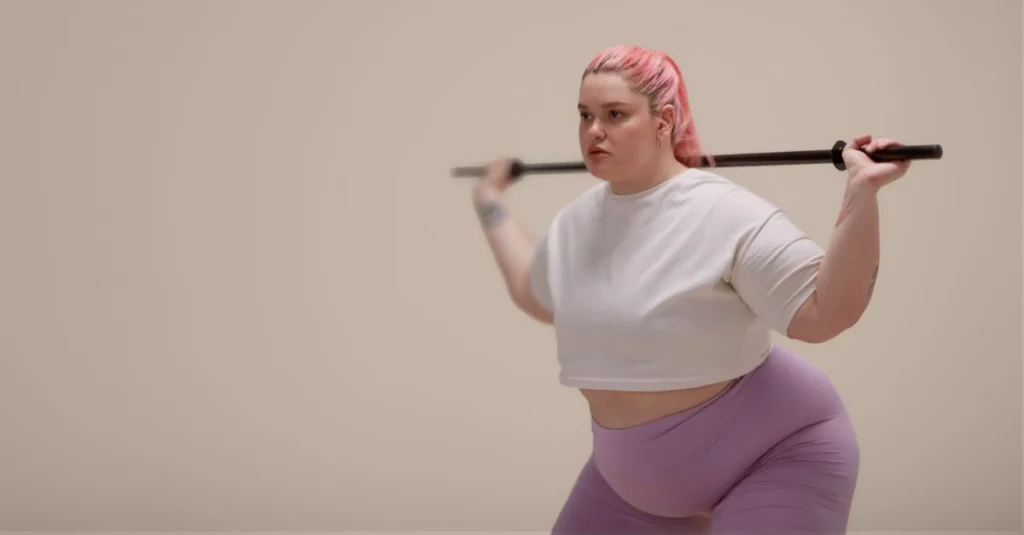
Weight Loss After 30: What You Should Know
Losing weight after 30 is possible, but changes in your lifestyle, activity levels, and health can affect how you manage your weight.
Turning 30 doesn’t automatically slow your metabolism dramatically. However, some adults become less active as work and family responsibilities increase. Muscle mass can also decline with age, particularly when strength-building activities are limited.
To support healthy weight management after 30, focus on a few important habits:
- Preserve muscle: Include strength-training exercises in your routine to help maintain muscle and strength.
- Eat balanced meals: Choose a variety of nutritious foods, including protein sources, vegetables, fruit, and fibre-rich foods.
- Stay physically active: Walking, cycling, dancing, and home workouts can help you move more throughout the week.
- Prioritise sleep: Getting enough sleep can support the healthy routines that make weight management easier.
You do not need an extreme diet or a demanding exercise programme to get started. Choose changes that fit your schedule and physical ability, then build on them gradually.
If you are over 30 and working towards a healthier weight, focus on habits you can maintain rather than expecting quick results. Consistency, not perfection, is what makes a healthy routine sustainable.
What Causes Unexplained Weight Loss?
Weight loss does not always happen because someone changes their diet or becomes more physically active. Sometimes, people lose weight without trying, which may indicate an underlying health problem.
Possible causes of unexplained weight loss include:
- Stress and emotional difficulties: Prolonged stress, anxiety, or grief can affect appetite and eating habits.
- Digestive problems: Some conditions can interfere with digestion or the absorption of nutrients.
- Hormonal conditions: An overactive thyroid, for example, can contribute to unexpected weight loss.
- Medications: Certain medicines can affect appetite or body weight.
- Other illnesses: Some infections and other medical conditions may cause unintended weight loss.
If you are losing weight without trying, particularly if the change continues or you experience other symptoms, arrange an appointment with a healthcare professional.
Don’t assume that unexplained weight loss is a positive sign simply because the number on the scale is decreasing.
For more information, read the NHS guidance on unintentional weight loss.
Final Thoughts
Successful weight loss is not about following the strictest diet, exercising for hours every day, or expecting results overnight. It is about developing healthy habits that help you manage your weight while supporting your overall well-being.
Start with small changes you can maintain. Eat balanced meals, include regular physical activity in your routine, get enough sleep, and pay attention to the habits that support your progress. If your results slow down, review your routine and make adjustments instead of giving up.
Remember that weight loss looks different for everyone. Your progress may not always be reflected on the scale, and comparing your journey with someone else’s can make it harder to appreciate your own improvements.
If you are just getting started, choose one manageable step you can take today. You might plan your meals for the week, take a daily walk, or begin a simple home workout routine. As these habits become more familiar, you can build on them gradually.
For practical ideas to help you get started, explore our guide to Best Morning Habits for Weight Loss.
The goal isn’t to lose weight. It is to build a healthier lifestyle you can maintain over time.
Join the Conversation
Which part of your weight loss journey has been the biggest challenge so far?
Share your thoughts in the comments below. I’d love to hear your experience and help where I can.