Sumo Squat Muscles Worked vs Regular Squat: Key Differences
Table of Contents
ToggleHave you ever wondered why a sumo squat can feel different from a regular squat, even though they’re both squats?
I’ve noticed that widening my stance and turning my toes outward can change where I feel the exercise most. This observation made me curious about the differences.
I’ve also learned that both exercises work many lower-body muscles, but they don’t necessarily target each muscle group the same way. The wider stance of the sumo squat changes your hip and leg position, which can influence how your glutes, quads, adductors, hamstrings, and other muscles contribute to the movement.
So, which muscles does a sumo squat work, and how does that compare with a regular squat?
In this guide, I’ll break down the muscles involved in both exercises, explain the key differences, and help you decide which squat variation may suit your training goals.
Sumo Squat Muscles Worked vs Regular Squat
At first glance, sumo squats and regular squats look like they work the same muscles—and to a large extent, they do. But both exercises train your lower body differently, including your glutes, quadriceps, hamstrings, adductors, calves, and core.
The main difference is not that one exercise works completely different muscles. Instead, your stance can change how much emphasis different muscles receive during the movement. The wider stance of the sumo squat changes your hip and leg position compared with a regular squat, which can influence how the muscles contribute.
For a broader look at the exercise itself, you can also read my guide on sumo squat form, benefits, and muscles worked.
Here’s how the two squat variations compare.
1. Glutes
- Sumo squat: The glutes are heavily involved, as you drive your hips forward and return to a standing position. The wider stance changes your hip position and can make it feel different around your glutes and hips.
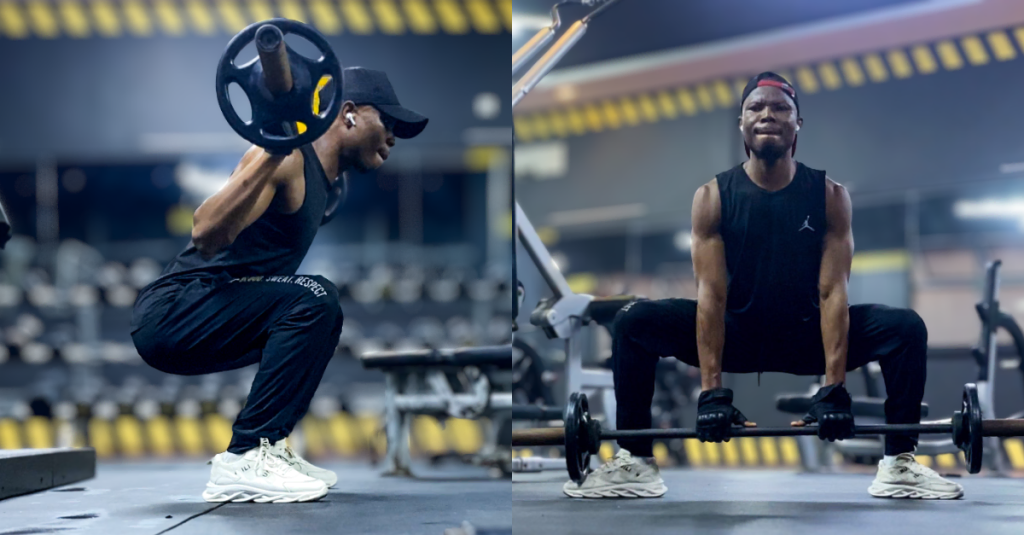
- Regular squat: The glutes also play an important role, helping extend the hips as you rise from the bottom of the squat.
Both variations can train the glutes effectively, so it is too broad to say that one is automatically better for everyone. Your stance, squat depth, load, technique, and individual anatomy can all influence how much work your glutes perform.
2. Quadriceps
- Sumo squat: The quadriceps extend your knees as you stand back up. They remain an important part of the movement even though your feet are positioned wider.
- Regular squat: The quadriceps are also heavily involved, particularly during the upward phase as you extend your knees. If you want to learn more about the regular squat, including its proper form, benefits, and muscles worked, check out my guide to squat proper form, benefits, and muscles worked.
The wider stance of the sumo squat doesn’t mean your quads stop working. Both exercises can contribute to quad development, although the exact emphasis can vary depending on how you perform each movement.
3. Adductors (Inner Thighs)
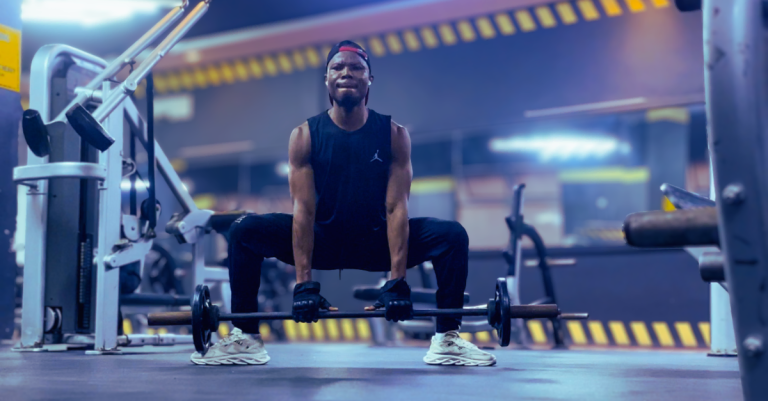
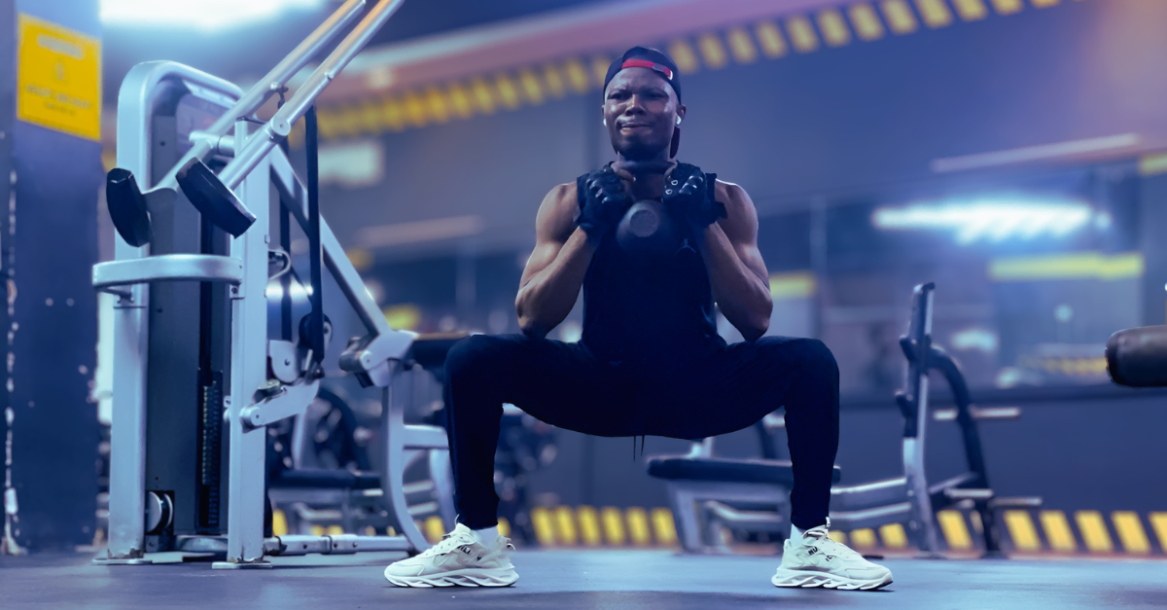
- Sumo squat: The adductors, or inner-thigh muscles, are so important in the sumo squat. The wider stance and outward-facing toes put your hips in a different position during the movement.
- Regular squat: The adductors are still involved because they contribute to hip movement and stability, but they generally receive less emphasis than they do in a wide-stance squat.
This is one of the clearest differences between the two variations and one reason a sumo squat may feel noticeably different from a regular squat.
If you want to learn more about the muscles that contribute to movement around the leg and hip, ACE provides an overview of the muscles involved in leg movement.
4. Hamstrings
- Sumo squat: The hamstrings contribute to hip movement and help support the lower body as you descend and rise.
- Regular squat: The hamstrings also assist with hip movement and help provide stability throughout the exercise.
Although both variations involve the hamstrings, they shouldn’t necessarily be considered the primary target of either exercise. The glutes and quadriceps generally play a more prominent role while moving.
5. Calves
- Sumo squat: Your calves help stabilize your ankles and lower legs as you move through the squat.
- Regular squat: The calves perform a similar supporting and stabilizing role.
Neither variation is primarily a calf exercise. However, your calves still help maintain balance and control your lower-leg position during each repetition.
6. Core
- Sumo squat: Your core muscles help stabilize your torso and keep you controlled as you lower your body and stand back up.
- Regular squat: The core maintains trunk stability and helps you control your body under load.
In both exercises, your core isn’t the main muscle. Instead, it helps keep your torso stable while your hips and knees move.
What’s the Biggest Difference?
The important takeaway is that sumo squats and regular squats work many of the same muscles. The difference is that your stance changes the movement and the emphasis on certain muscles.
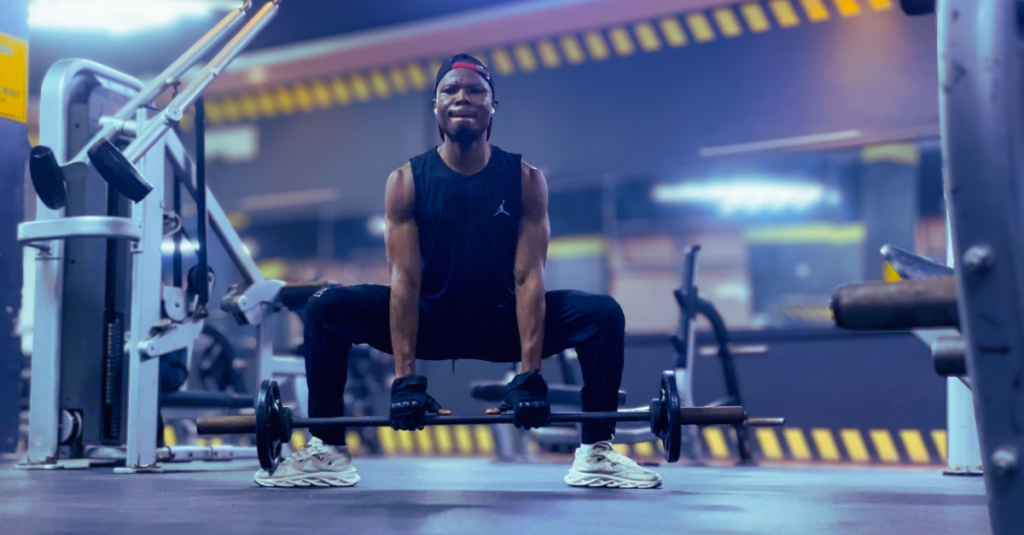
The sumo squat’s wider stance generally gives the adductors and muscles around the hips a greater role, while the regular squat uses a more conventional stance that distributes the workload differently across the lower body.
That doesn’t make one exercise universally better than the other. Instead, each variation can help in your training depending on what you want to emphasize.
Sumo Squat vs Regular Squat: Which Is Better for Different Goals?
Now that you know how the two squat variations compare, the better question isn’t necessarily which one is superior. It depends on what you want to get from your lower-body training.
1. For Glute Development
Both sumo squats and regular squats can train your glutes. Your glutes help extend your hips as you come out of the bottom of the squat, making them important in both variations.
A sumo squat may be a better option if you prefer a wider stance or want an exercise that also targets your hips and inner thighs. However, you don’t need to choose the sumo squat just for glute development.
2. For Quad Development
If your main goal is to target your quadriceps, a regular squat can be a straightforward choice because it provides substantial work for the muscles at the front of your thighs.
That doesn’t mean sumo squats are ineffective for your quads. They still require your quadriceps to extend your knees and help you return to a standing position.
3. For Inner-Thigh and Adductor Development
This is where the sumo squat may have an advantage.
Its wider stance and outward-facing toes help target the adductor muscles compared with a conventional squat stance. If developing or strengthening the inner thigh muscles is one of your goals, the sumo squat can be a useful addition to your routine.
4. For Overall Lower-Body Strength
You don’t necessarily have to pick one.
Regular squats are an excellent foundational lower-body exercise, while sumo squats can provide a different stance and loading position. Including both at different times adds variety to your training and helps you challenge your lower body in different ways.
5. For Exercise Variety
If you already do regular squats consistently, adding sumo squats can give you another way to train similar muscle groups without making your entire workout feel the same.
The best variation is ultimately the one you can perform with good technique, appropriate resistance, and a range of motion that works for your body.
Bottom line: Neither squat is universally better. A regular squat may be a better fit for your general lower-body and quad-focused training, while a sumo squat can be particularly useful when you want greater emphasis on the adductors and a wider hip position. For many people, there is no reason they can’t use both.
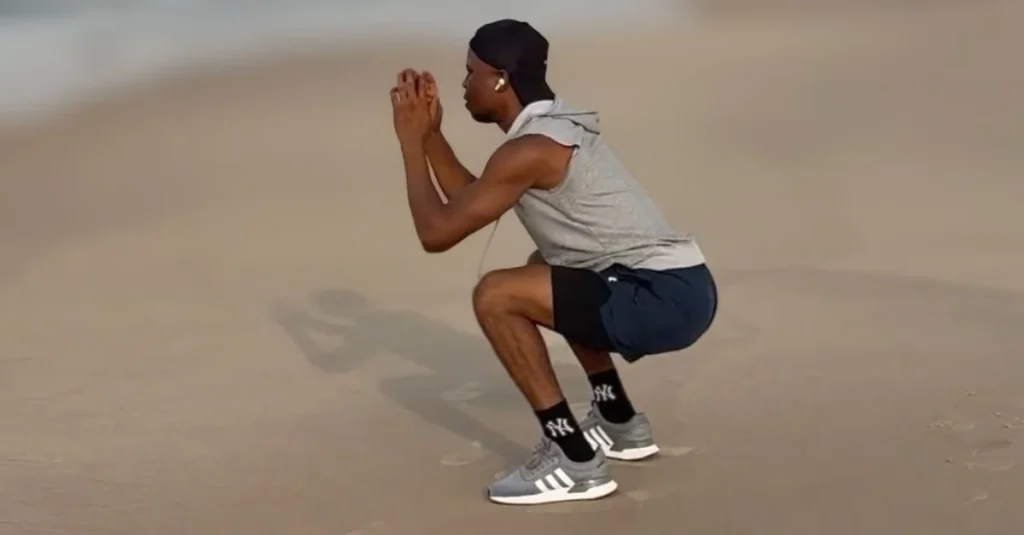
Can You Do Both Sumo Squats and Regular Squats?
Yes, you can include both sumo squats and regular squats in your training routine. You don’t necessarily have to choose one and completely leave the other out.
Because the two exercises use many of the same lower-body muscles but differ in stance and muscle emphasis, combining them can add variety to your workouts.
For example, you could use regular squats as your main squat movement and include sumo squats later in your workout as an additional lower-body exercise. You could also alternate between them on different training days rather than doing both in the same session.
How you combine them depends on your overall workout, training experience, recovery, and goals. There’s also no need to do both if one variation already fits your program well.
Instead, focus on progressive resistance, controlled technique, and adequate recovery rather than adding more squat variations.
Final Thoughts
Sumo squats and regular squats may look similar, but the stance difference can change how your lower-body muscles move. Both exercises work the glutes, quadriceps, hamstrings, adductors, calves, and core, but the wider stance of the sumo squat generally targets the adductors and changes the way your hips and legs work.
That doesn’t make one squat universally better than the other. Your choice should depend on your training goals, the movement you can perform comfortably, and how each exercise fits into your overall routine.
If you enjoy both variations, you don’t have to choose just one. Including regular and sumo squats in your training can give you different ways to challenge your lower body while keeping your workouts varied.
Join the Conversation
Which do you prefer—sumo squats or regular squats? Let me know in the comments and tell me why.