
Weight Loss After 30: The Ultimate Guide to Fat Loss
Table of Contents
ToggleHave you been trying to lose weight after 30 but feel like the same methods that worked in your twenties no longer deliver the same results?
You’re not alone. Many adults notice that losing weight becomes more challenging after 30, but that doesn’t mean your body is working against you. In most cases, small changes in muscle mass, activity levels, eating habits, sleep, and daily routines have a greater impact than age itself.
I learned this through my own fitness journey. At first, I thought working out harder would automatically lead to faster results. Instead, I discovered that sustainable fat loss comes from combining healthy nutrition, strength training, regular movement, quality sleep, and consistency. The moment I focused on those habits instead of quick fixes, staying on track became much easier.
In this guide, you’ll learn how weight loss works after 30, what may be slowing your progress, and practical strategies to help you lose fat and keep it off for the long term.
Understanding Weight Loss After 30
Before choosing a diet or workout plan, it’s important to understand why losing weight can feel different after 30.
One common misconception is that your metabolism suddenly slows down once you reach this age. While your body undergoes gradual changes as you age, these changes are modest. In many cases, weight gain is more closely linked to lifestyle changes than to age itself.
For example, many adults become less active as work and family responsibilities increase. Spending more hours sitting, exercising less often, eating larger portions, and getting less sleep can all contribute to gradual weight gain over time.
Another factor is muscle mass. Adults naturally begin to lose muscle if they don’t perform regular resistance training. Because muscle burns more calories than fat, maintaining lean muscle becomes increasingly important for supporting a healthy metabolism.
The encouraging news is that these challenges can be addressed. According to the American College of Sports Medicine, adults should combine regular aerobic exercise with muscle-strengthening activities at least two days a week as part of a healthy lifestyle. When paired with a balanced nutrition plan, this approach supports overall health and can help with long-term weight management.
Instead of looking for a quick fix, focus on building habits that you can maintain for years. Sustainable weight loss isn’t about perfection; it’s about making consistent choices that support your health.
How Does Fat Loss Really Works
One of the biggest myths about weight loss is that there’s a secret diet, supplement, or exercise that burns fat on its own. In reality, fat loss is based on a simple principle: your body must use more energy than it receives from food over time.
This is known as a calorie deficit. When you consistently consume slightly fewer calories than your body burns, it begins to use stored body fat for energy. That’s what leads to fat loss.
However, creating a calorie deficit doesn’t mean eating as little as possible. Extremely restrictive diets are difficult to maintain and can leave you feeling tired, hungry, and more likely to regain the weight you’ve lost.
A better approach is to combine sensible eating with regular physical activity. This allows you to lose fat while preserving muscle, maintaining your energy levels, and building habits you can stick with.
Think of weight loss as a long-term lifestyle change rather than a short-term project. The goal isn’t simply to lose weight; it’s to improve your health in a way that’s realistic and sustainable.
Now that you understand how fat loss works, the next step is learning how nutrition can help you achieve a healthy calorie deficit without feeling deprived.
Nutrition: The Foundation of Weight Loss After 30
Once you understand how fat loss works, the next step is improving your nutrition. No matter how effective your workout routine is, it will be difficult to lose weight if your eating habits don’t support your goal.
The good news is that healthy eating doesn’t have to be complicated. Instead of following restrictive diets that eliminate entire food groups, focus on eating a balanced diet you can maintain for the long term.
Here are a few habits that can make a big difference:
- Prioritize protein. Protein helps preserve lean muscle while you’re losing weight and keeps you feeling full for longer. Good sources include chicken, fish, eggs, Greek yogurt, beans, and lentils.
- Eat more fibre-rich foods. Vegetables, fruits, whole grains, and legumes are rich in fibre, which supports digestion and helps control hunger.
- Choose healthy fats. Foods such as avocados, nuts, seeds, and olive oil can be part of a healthy weight loss plan when eaten in appropriate portions.
- Limit highly processed foods. Foods high in added sugars, refined carbohydrates, and unhealthy fats are often easy to overeat because they’re less filling than whole foods.
- Watch your portion sizes. Even healthy foods contain calories, so learning appropriate portion sizes can help you maintain a calorie deficit without feeling deprived.
You don’t have to eat perfectly every day. What matters most is building eating habits that you can stick with consistently.
If you’d like practical food ideas, healthy meal suggestions, and grocery recommendations, you can read our guides on The Best Foods for Weight Loss and Meal Plan for Weight Loss.

Exercise: Focus on Building Muscle While Burning Fat
Many people believe that losing weight means doing more cardio. While cardiovascular exercise is beneficial, a balanced workout routine should also include strength training.
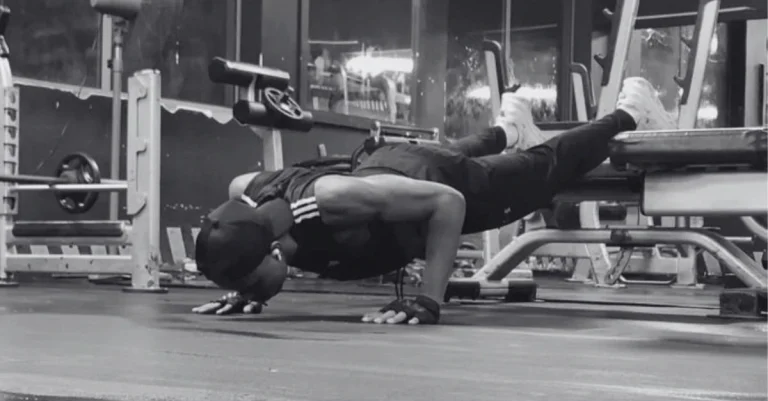
Strength training helps preserve and build muscle while you’re losing fat. This is especially important after 30, because maintaining muscle supports your metabolism, improves your posture, strengthens your bones, and makes everyday activities easier.
Aim to perform resistance training at least two or three times each week. Your workouts don’t have to be long or complicated. The most effective routines often focus on compound exercises that train several muscle groups at once.
Examples include:
- Squats
- Lunges
- Push-ups
- Rows
- Deadlifts
- Overhead presses
- Planks
Alongside strength training, include aerobic exercise such as brisk walking, cycling, swimming, or jogging. The Centers for Disease Control and Prevention recommends that adults aim for at least 150 minutes of moderate-intensity aerobic activity each week, together with muscle-strengthening activities on two or more days, to support overall health.
If you’re exercising from home, don’t worry. You don’t need a fully equipped gym to lose weight. Bodyweight exercises and resistance bands can provide an excellent workout when performed consistently.
If you’d like structured routines you can follow at home, explore our guide on Best Home Workouts for Weight Loss After 30.
Lifestyle Habits Matter More Than You Think
Nutrition and exercise are essential, but they’re only part of the equation. Your everyday habits also influence how successful your weight loss journey will be.
Sleep is one of the most overlooked factors. Regularly getting too little sleep can affect the hormones that regulate hunger, making it easier to overeat and harder to make healthy food choices. Aim for 7 to 9 hours of quality sleep each night whenever possible.
Stress can also make weight loss more challenging. During stressful periods, many people become less active or turn to high-calorie comfort foods. While occasional treats are perfectly normal, finding healthy ways to manage stress, such as walking, stretching, or practicing relaxation techniques, can help you stay consistent with your goals.
Finally, don’t underestimate the importance of staying active throughout the day. Taking the stairs, walking during phone calls, standing up regularly if you have a desk job, or parking farther from your destination may seem like small changes, but they all contribute to increasing your daily energy expenditure.
These lifestyle habits may not seem as exciting as a new workout plan, but together they can make a meaningful difference to your long-term results.
Common Weight Loss Mistakes to Avoid
Even with the best intentions, it’s easy to make mistakes that slow your progress. Recognizing these challenges can help you stay consistent and avoid unnecessary frustration.
One of the most common mistakes is expecting results too quickly. Healthy weight loss takes time, and it’s normal for progress to slow or for your weight to fluctuate from week to week.
Instead of focusing only on the scale, pay attention to how your clothes fit, how your energy levels improve, and how much stronger you become.
Another mistake is relying on restrictive diets. While cutting calories is necessary for weight loss, eating too little can leave you feeling hungry, reduce your energy, and make it difficult to stick to your plan. A balanced approach is much easier to maintain over the long term.
Some people also overlook the importance of strength training, believing that cardio alone is enough. While cardio helps burn calories, resistance training supports muscle maintenance and contributes to a healthier body composition.
Finally, don’t underestimate the value of consistency. Missing a workout or enjoying a favourite meal occasionally won’t ruin your progress. What matters is returning to your healthy habits instead of giving up altogether.
If you’re struggling to see results, our guides on Why You’re Not Losing Weight and Weight Loss Mistakes That Stop Progress explore these challenges in greater detail and offer practical solutions.

Stay Motivated and Focus on Consistency
Starting a weight loss journey is often easier than sticking with it. Motivation naturally comes and goes, which is why relying on motivation can make it difficult to reach your goals.
Instead, focus on building habits that become part of your daily routine. Rather than aiming for perfection, aim for consistency. A healthy meal, a 30-minute walk, or a strength workout may seem small on its own, but those actions add up over weeks and months.
It also helps to set realistic goals and celebrate small milestones along the way. Whether it’s losing your first few pounds, completing a month of regular workouts, or feeling more energetic during the day, recognizing your progress can keep you motivated to continue.
Remember that setbacks are a normal part of any fitness journey. Missing a workout or enjoying a high-calorie meal doesn’t mean you’ve failed. What matters most is getting back to your routine at the next opportunity rather than giving up completely.
If you’re finding it difficult to stay on track, read our guide on How to Stay Motivated During Weight Loss After 30, where I share practical strategies to help you build lasting habits and maintain your motivation even when progress feels slow.
How to Measure Your Progress
The scale is a useful tool, but it doesn’t tell the whole story. As you lose fat and build muscle, your body composition can improve even if your weight changes slowly.
To get a clearer picture of your progress, consider tracking:
- Your body weight once or twice each week.
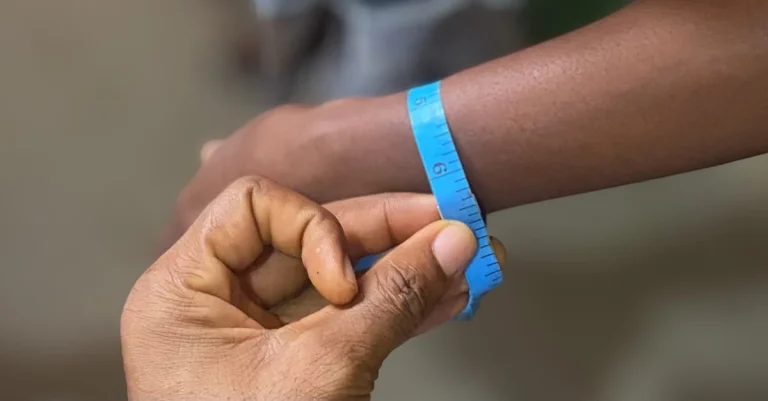
- Waist, hip, and chest measurements every few weeks.
- Progress photos taken under similar lighting and conditions.
- How your clothes fit.
- Improvements in your strength, endurance, and energy levels.
Tracking your progress can help you stay motivated, especially during weeks when the scale doesn’t move as much as you’d hoped.
For more tips, read our guide on How to Track Weight Loss.
Frequently Asked Questions
Can I still lose weight after 30?
Yes. While your lifestyle and body may change as you age, healthy weight loss is still achievable through a balanced nutrition plan, regular physical activity, strength training, and consistent habits.
How quickly should I expect to lose weight?
A gradual approach is generally more sustainable than trying to lose weight as quickly as possible. Building healthy habits that you can maintain is more important than chasing rapid results.
Is walking enough to lose weight?
Walking can support weight loss when combined with a healthy diet and a calorie deficit. It’s also a low-impact activity that’s suitable for many adults and can easily become part of your daily routine.
Do I need a gym membership?
No. Many effective exercises can be performed at home using your body weight, resistance bands, or a pair of dumbbells. The most important factor is following a routine you can stick with consistently.
Final Thoughts
Losing weight after 30 isn’t about finding the perfect diet or the most intense workout. It’s about understanding how fat loss works and building habits that fit your lifestyle.
Focus on eating nutritious foods, staying active, regular strength training, getting enough sleep, and being patient with your progress. Small improvements made consistently will always outperform extreme approaches that are difficult to maintain.
Remember, this is a journey, not a race. Every healthy meal, every workout, and every positive choice brings you one step closer to your goal.
Join the Conversation
Which part of your weight loss journey has been the biggest challenge so far?
Share your thoughts in the comments below. I’d love to hear your experience and help where I can.