The Best Foods for Weight Loss After 30
Table of Contents
ToggleHave you ever wondered why the foods that seemed to help you stay lean in your 20s no longer produce the same results after 30?
If so, you’re not alone. Many adults notice that losing weight becomes more challenging as they get older, even when they haven’t drastically changed their eating habits.
I experienced this myself. As I got older, I realized that successful weight loss wasn’t about eating less or chasing the latest diet trend. It was about choosing foods that kept me full, supported my workouts, and made it easier to stay consistent day after day.
The moment I focused on the quality of my meals instead of cutting calories, maintaining a healthy weight became much more realistic.
The good news is that you don’t need a restrictive diet or so-called “fat-burning” foods to lose weight. Building your meals around nutrient-dense foods that are rich in protein, fiber, healthy fats, vitamins, and minerals can help you stay satisfied while maintaining the calorie deficit needed for fat loss.
According to the World Health Organization (WHO), a healthy diet centered on vegetables, fruits, whole grains, legumes, nuts, and other minimally processed foods plays an important role in maintaining a healthy weight and reducing the risk of chronic diseases.
In this guide, you’ll discover the best foods for weight loss after 30, why they work, and practical ways to include them in your everyday meals.
If you’re looking for a complete roadmap to losing fat after 30, I also recommend reading my guide, Weight Loss After 30: The Ultimate Guide to Fat Loss, for the bigger picture of nutrition, exercise, and long-term success.
Why Food Choices Matter More After 30
As you age, your body naturally changes. Muscle mass gradually declines if you don’t actively maintain it; your daily energy needs may decrease, and busy schedules can make healthy eating difficult.
While these changes don’t make weight loss impossible, they do mean that your food choices have a greater impact than they once did.
Choosing the right foods can help you:
- Stay fuller for longer and reduce unnecessary snacking.
- Preserve lean muscle while losing body fat.
- Maintain steady energy throughout the day.
- Support recovery after workouts.
- Reduce cravings by keeping your blood sugar more stable.
- Make healthy eating easier to sustain over the long term.
One of the biggest lessons I’ve learned is that lasting weight loss isn’t about eliminating entire food groups; it’s about consistently choosing foods that nourish your body and fit your lifestyle.
A meal rich in protein, fiber, and healthy fats is far more satisfying than one built around highly processed, low-fiber foods.
If you’ve been trying to lose weight but aren’t seeing the results you expected, there may be other factors holding you back. Before making major changes to your diet, you may also find it helpful to read Why You Are Not Losing Weight After 30, where I discuss some of the most common obstacles that can slow progress.
Now, let’s look at the best foods to include in your diet if your goal is healthy, sustainable weight loss after 30.
Top 10 Best Foods for Weight Loss After 30
After 30, your body begins to respond differently to food, making nutrition even more important for effective weight loss. Choosing the right foods can help boost metabolism, control hunger, and sustainably support fat loss.
Below are the top 10 foods to include in your diet for healthy weight loss after 30.
1. Lean Protein: The Foundation of Healthy Weight Loss After 30
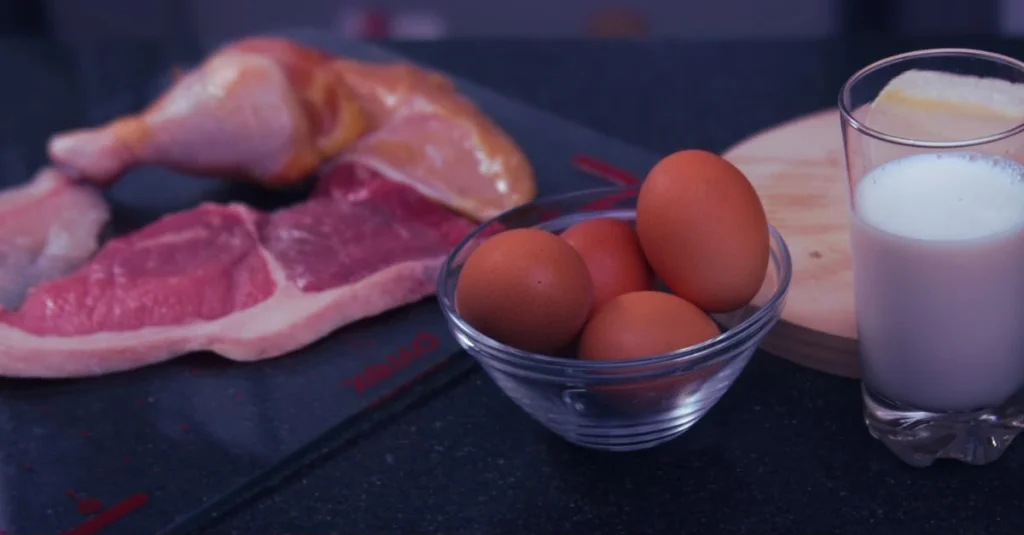
If there’s one nutrient you should prioritize when trying to lose weight after 30, it’s protein.
Protein plays an important role in preserving lean muscle while you’re losing body fat. This becomes especially important as muscle mass can gradually decline with age if it isn’t supported through proper nutrition and strength training.
Protein can also help you feel satisfied after meals, making it easier to manage hunger and avoid unnecessary snacking throughout the day.
You can learn more about the importance of protein for maintaining muscle and supporting fat loss in my guide on Protein After 30: Why It Matters for Muscle and Fat Loss.
Some excellent lean protein sources include:
- Skinless chicken breast
- Turkey breast
- Eggs
- Tuna
- White fish
- Tofu
- Tempeh
- Edamame
- Lean cuts of beef
A simple way to increase your protein intake is to include a protein source with every meal.
For example, you could start your day with eggs and vegetables, enjoy grilled chicken with a salad for lunch, and have tofu or white fish with vegetables for dinner.
Remember, protein alone will not cause weight loss. However, when combined with a balanced diet, regular exercise, and an appropriate calorie intake, it can help support muscle maintenance and make your weight-loss journey easier.
2. Vegetables: Low in Calories, High in Nutrition
Vegetables should be a large portion of your meals if your goal is healthy, sustainable weight loss after age 30.
Most non-starchy vegetables are naturally low in calories but high in vitamins, minerals, antioxidants, and dietary fiber. Because they add volume to your meals without adding many calories, they help you feel satisfied while supporting an overall calorie deficit.
Some of the best vegetables for weight loss include:
- Spinach
- Broccoli
- Cauliflower
- Cabbage
- Bell peppers
- Green beans
- Zucchini
- Cucumbers
- Tomatoes
- Asparagus
- Mushrooms
One easy strategy is to fill at least half of your plate with vegetables at lunch and dinner. This not only increases your fiber intake but also makes meals more filling without significantly increasing calories.
Don’t worry too much about finding the “perfect” vegetable. Eating a variety of colorful vegetables throughout the week is far more beneficial than relying on just one or two.
Different vegetables provide different nutrients, so variety helps ensure you’re giving your body the nutrition it needs while working toward your weight-loss goals.
If you’re unsure how to turn these foods into balanced meals, check out my Meal Plan for Weight Loss After 30, where I share practical meal ideas to help you stay consistent without feeling deprived.
3. Fruits: Don’t Be Afraid of Natural Sugar
Some people avoid fruit because they’re worried about its natural sugar content. However, for most people, fruit can be a valuable part of a healthy weight-loss diet.
Unlike foods with added sugars, whole fruits contain dietary fiber, water, vitamins, minerals, and antioxidants that support overall health. The fiber in fruit also helps slow down digestion, making it more satisfying than sugary snacks or desserts.
Some of the best fruits for weight loss after 30 include:
- Apples
- Berries (strawberries, blueberries, raspberries, and blackberries)
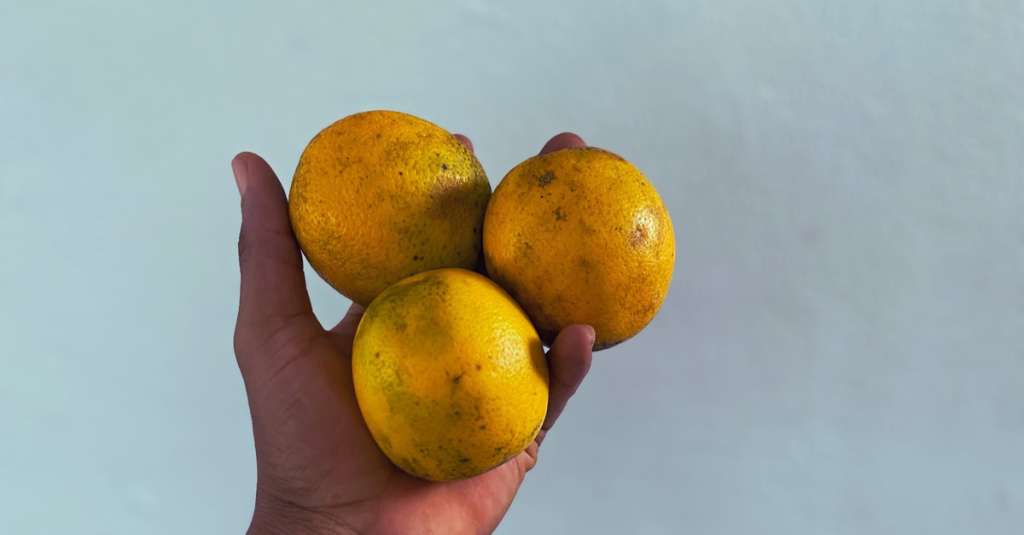
- Oranges
- Pears
- Grapefruit
- Kiwi
For example, swapping a bag of chips or a candy bar for an apple with a handful of almonds can help satisfy your hunger while providing more nutrients and fiber.
The key is to enjoy fruit in its whole form whenever possible. Fruit juice, even when it’s 100% fruit juice, contains less fiber and is easier to consume in large amounts than whole fruit.
4. Whole Grains: Choose Quality Carbohydrates
Carbohydrates are often blamed for weight gain, but they don’t need to be eliminated to lose weight. Choosing the right types of carbohydrates is far more important than avoiding them altogether.
Whole grains contain more fiber and nutrients than refined grains, helping you stay full longer and providing a steady source of energy throughout the day.
Healthy whole-grain options include:
- Oats
- Brown rice
- Quinoa
- Whole wheat bread
- Whole wheat pasta
- Barley
- Bulgur
Rather than cutting carbohydrates completely, focus on portion control and pair whole grains with lean protein and vegetables to create balanced meals.
If your goal is long-term weight loss, think of carbohydrates as a tool, not an enemy. Eating the right amount of carbohydrates can support your workouts, improve energy levels, and make healthy eating easier to maintain.
5. Healthy Fats: Essential for a Balanced Diet
Healthy fats are another nutrient that people often fear when trying to lose weight. While fats are higher in calories than protein or carbohydrates, they also play an important role in a balanced diet.
Healthy fats help keep you satisfied after meals, support hormone production, and aid in the absorption of fat-soluble vitamins, such as vitamins A, D, E, and K.
Good sources of healthy fats include:
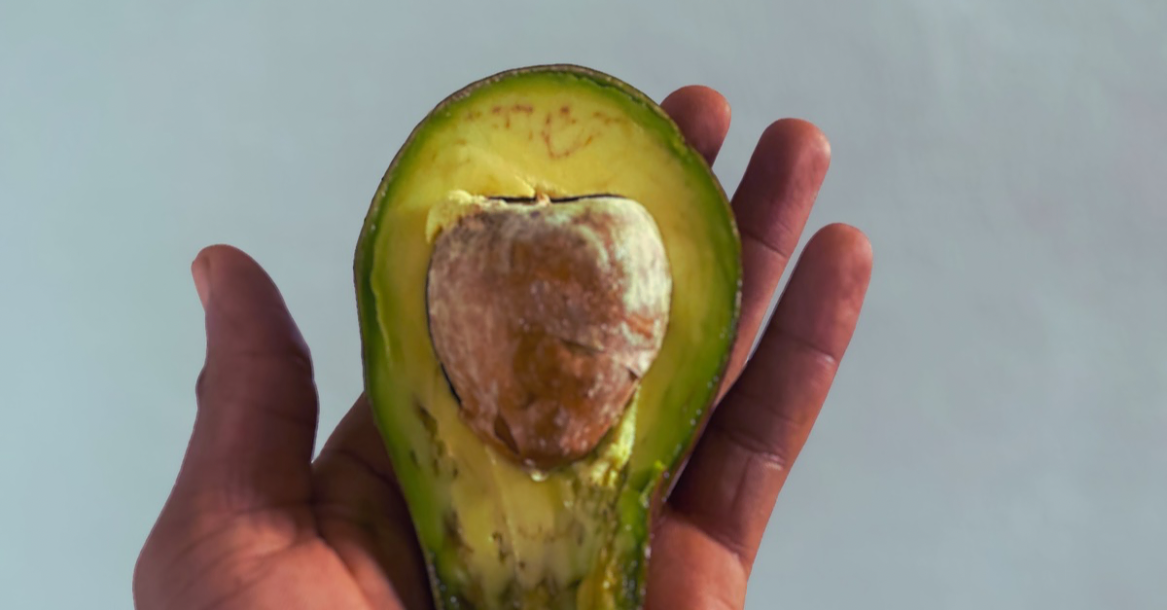
- Avocados
- Olive oil
- Almonds
- Walnuts
- Pistachios
- Chia seeds
- Flaxseeds
- Pumpkin seeds
Portion size matters because these are calorie-dense foods. A small handful of nuts or a tablespoon of olive oil can add flavor and nutrition to your meals without making it difficult to stay within your calorie goals.
Instead of avoiding healthy fats completely, include them in moderation as part of a well-balanced eating plan.
Combined with lean protein, fiber-rich vegetables, and whole grains, they can help make your meals more satisfying and easier to stick with over time.
6. Legumes: Affordable, Filling, and Rich in Nutrients
Legumes are one of the most underrated foods for weight loss after age 30. They’re packed with plant-based protein, dietary fiber, and complex carbohydrates, making them both filling and nutritious.
Because they’re high in fiber and protein, legumes can help you stay satisfied between meals, which may reduce the urge to snack on highly processed foods.
Some healthy legumes to include in your diet are:
- Lentils
- Black beans
- Kidney beans
- Chickpeas
- Pinto beans
- Split peas
Legumes are also budget-friendly and incredibly versatile. You can add them to soups, salads, stews, wraps, or grain bowls for an easy nutritional boost.
If you don’t eat them regularly, start with small portions and gradually increase your intake. This can help your digestive system adjust to the extra fiber.
7. Fatty Fish: High-Quality Protein with Healthy Fats
Fatty fish is one of the best foods to include in your diet after 30 because it provides high-quality protein along with beneficial omega-3 fatty acids.
While omega-3 fats do not directly burn body fat, they support overall health and make fatty fish a nutrient-dense choice for those who focus on weight management.
Some excellent fatty fish options include:
- Salmon
- Sardines
- Mackerel
- Trout
- Herring
These foods can be prepared in many ways, including baking, grilling, or frying. Pairing fatty fish with vegetables and a carbohydrate source such as brown rice or quinoa creates a balanced meal that supports energy and recovery.
If you do not eat fish, you can still get protein and healthy fats from other sources such as eggs, tofu, nuts, and seeds.
8. Low-Fat Dairy: A Convenient Source of Protein and Nutrients
Low-fat dairy products can be a convenient way to increase your protein intake while providing important nutrients such as calcium.
They are especially useful for quick breakfasts, snacks, or additions to balanced meals.
Some good options include:
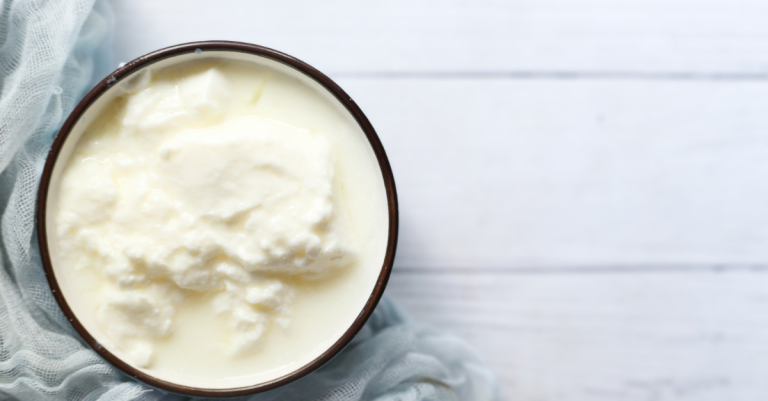
- Greek yogurt
- Cottage cheese
- Low-fat milk
- Kefir
Greek yogurt is a particularly popular choice because it is high in protein and can easily be combined with other weight-loss-friendly foods.
For example, you can enjoy plain Greek yogurt with berries and chia seeds for breakfast, or use cottage cheese as a protein-rich snack between meals.
When choosing dairy products, look for options with minimal added sugar, as flavored varieties can sometimes contain more added calories than expected.
9. Nuts and Seeds: Small Portions, Big Benefits
Nuts and seeds can support weight loss after 30 because they provide healthy fats, fiber, and important nutrients that help create satisfying meals.
Although they are higher in calories than many other foods, they can still be incorporated into a weight-loss diet when consumed in moderation.
Some healthy choices include:
- Almonds
- Walnuts
- Pistachios
- Chia seeds
- Flaxseeds
- Pumpkin seeds
- Sunflower seeds
Adding a small portion of nuts to a snack or sprinkling seeds over oatmeal, yogurt, or salads can increase the nutritional value of your meals.
The key is portion control. Because nuts and seeds are calorie-dense, consuming large amounts can make it more challenging to maintain the calorie deficit necessary for weight loss.
When included in moderation, they can be a valuable part of a balanced eating plan after 30.
10. Water-Rich Foods: Stay Hydrated and Feel Fuller
Hydration plays a role in managing weight, yet it’s often overlooked. Sometimes, what feels like hunger may actually be your body’s need for fluids.
While drinking enough water should be your main focus, adding water-rich foods to your meals can also help increase your overall fluid intake while providing essential nutrients.
Some water-rich foods to include are:
- Cucumbers
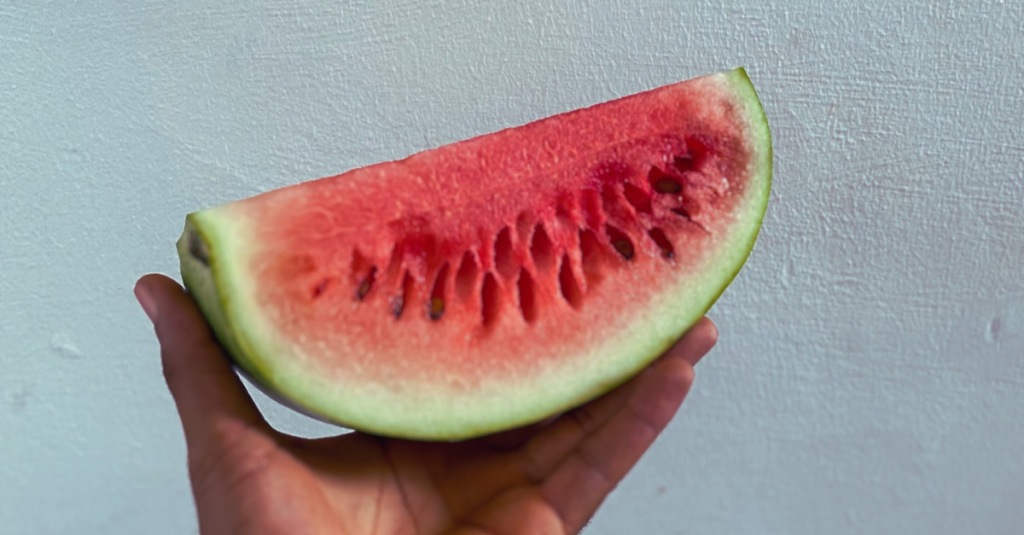
- Watermelon
- Lettuce
- Tomatoes
- Celery
- Zucchini
- Strawberries
- Oranges
These foods are naturally high in water and usually low in calories, making them great additions to meals when you’re trying to lose weight after 30.
For example, adding a side salad with cucumbers and tomatoes to your lunch or enjoying fresh fruit as a snack can increase the volume of your meal without significantly increasing calories.
However, remember that hydration is not only about the foods you eat. Drinking enough water throughout the day supports digestion, exercise performance, and overall health.
Foods to Limit When Trying to Lose Weight After 30
Knowing which foods to eat is important, but understanding which foods can make weight loss difficult is equally valuable.
This doesn’t mean you need to eliminate your favorite foods. A sustainable approach allows room for occasional treats while keeping most of your meals focused on nutritious choices.
Some foods that may slow your progress when eaten frequently include:
- Sugary Drinks: Sodas, sweetened juices, energy drinks, and other sugary beverages can add a significant number of calories without making you feel full. Choosing water, sparkling water, or unsweetened drinks more often can help make it easier to manage your calorie intake.
- Ultra-Processed Snacks: Foods like chips, cookies, candy, and many packaged snacks are often designed to be highly enjoyable, which can make it easy to eat more than you intended. Instead, choose snacks that combine protein and fiber, such as Greek yogurt with fruit, nuts, or vegetables with hummus.
- Fried Foods: Fried foods can be high in calories because of the added oils used during cooking. Enjoying them occasionally is fine, but making them a regular part of your diet can make maintaining a calorie deficit more challenging.
- Excess Alcohol: Alcohol can contribute extra calories and may also affect food choices by lowering your ability to make mindful decisions around eating. If you drink alcohol, moderation and awareness are important.
Many people struggle with weight loss, not because they lack effort, but because small habits repeatedly work against their goals.
If you’ve been making changes but aren’t seeing results, read my guide on Weight Loss Mistakes That Stop Progress After 30 to learn about common habits that may be slowing your progress.
Building the Perfect Weight Loss Plate After 30
Instead of focusing on individual “good” or “bad” foods, think about creating balanced meals.
A simple plate method can help:
- Half your plate: Non-starchy vegetables (broccoli, spinach, peppers, salads)
- One-quarter of your plate: Lean protein (chicken, fish, eggs, tofu, Greek yogurt)
- One-quarter of your plate: Quality carbohydrates (brown rice, oats, quinoa, potatoes)
- Add a small portion of healthy fats: Avocado, olive oil, nuts, or seeds
This approach makes meals more satisfying while providing the nutrients your body needs to support fat loss, strength, and energy after age 30.
A Simple Grocery List for Weight Loss After 30
Knowing which foods support weight loss is helpful, but having the right foods available at home makes it much easier to stay consistent.
A healthy grocery list doesn’t need to be complicated. Focus on choosing mostly whole, minimally processed foods that provide the nutrients your body needs.
Protein Sources
- Chicken breast
- Turkey
- Eggs
- Salmon
- Tuna
- White fish
- Greek yogurt
- Cottage cheese
- Tofu
- Lentils
- Beans
Vegetables
- Spinach
- Broccoli
- Cauliflower
- Carrots
- Bell peppers
- Cucumbers
- Tomatoes
- Green beans
- Mushrooms
- Sweet potatoes
Fruits
- Apples
- Berries
- Oranges
- Bananas
- Kiwi
- Pears
Healthy Carbohydrates
- Oats
- Brown rice
- Quinoa
- Whole wheat bread
- Whole wheat pasta
- Potatoes
Healthy Fats
- Avocados
- Olive oil
- Almonds
- Walnuts
- Chia seeds
- Flaxseeds
- Pumpkin seeds
Having these foods available gives you more options when preparing meals and reduces the chances of relying on fast food or highly processed snacks when you’re busy.
If you need help putting these foods together into realistic daily meals, check out my guide on Meal Plan for Weight Loss After 30, where I share practical meal ideas designed to support sustainable fat loss.
Frequently Asked Questions About Foods for Weight Loss After 30
What is the best food to eat for weight loss after 30?
There isn’t one single food that causes weight loss. The best foods for weight loss after 30 are nutrient-dense options that help you control hunger, maintain muscle, and stay consistent. Foods high in protein and fiber, such as lean meats, fish, vegetables, fruits, legumes, and whole grains, are excellent choices.
Can I still eat carbohydrates after 30 and lose weight?
Yes. Carbohydrates can be part of a healthy weight-loss diet. The key is choosing high-quality sources like oats, quinoa, brown rice, potatoes, fruits, and vegetables while paying attention to portion sizes.
Should I avoid fats when trying to lose weight?
No. Healthy fats can be part of a balanced diet and help with meal satisfaction. Foods like avocado, nuts, seeds, and olive oil provide important nutrients, but because they are calorie-dense, moderation is important.
What foods help reduce belly fat after 30?
No specific food can target belly fat directly. Reducing body fat requires a consistent calorie deficit, regular physical activity, adequate sleep, and a balanced diet. However, foods high in protein and fiber can support the habits that lead to overall fat loss.
How can I stay consistent with healthy eating?
Consistency comes from creating a plan that fits your lifestyle. Instead of trying extreme diets, focus on small changes you can maintain, such as preparing meals ahead, keeping healthy snacks available, and building balanced meals.
Final Thoughts
The best foods for weight loss after 30 are not expensive superfoods or quick fixes. They are simple, nutrient-rich foods that help you feel satisfied, maintain muscle, and support a healthy lifestyle.
As you age, your approach to nutrition may need to change, but losing weight is still possible. The goal is not perfection; it is consistency.
Focus on eating more protein, filling your plate with vegetables, choosing quality carbohydrates, including healthy fats, and creating meals you actually enjoy.
Remember, successful weight loss after 30 is built through daily habits. The foods you choose today can support your energy, strength, and health for years to come.
Join the Conversation
What foods have helped you the most during your weight-loss journey? Share your experience in the comments below.