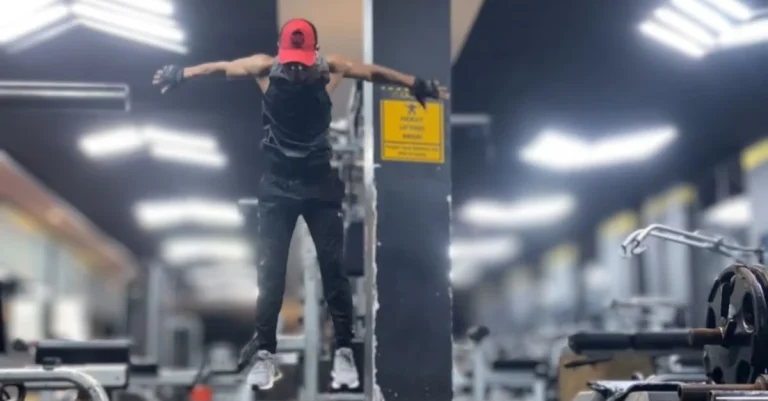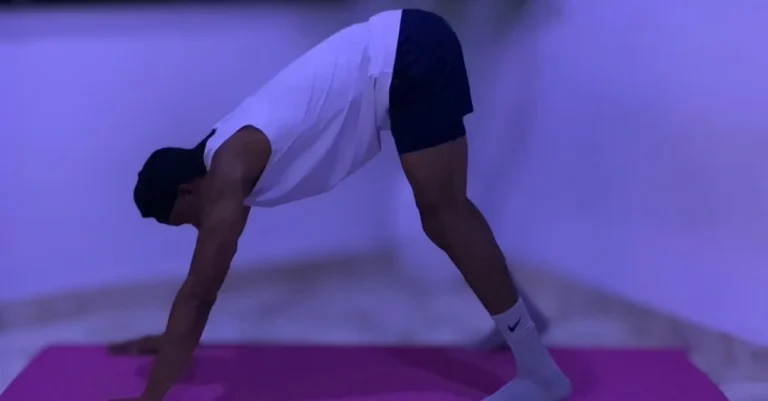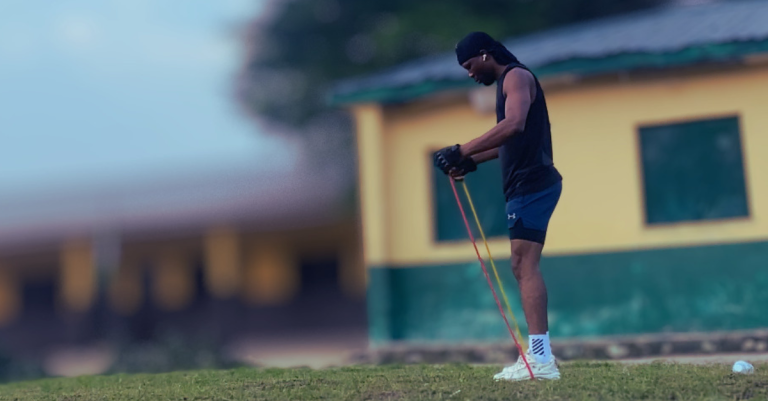
Best Home Workouts for Weight Loss After 30
Table of Contents
ToggleHave you ever felt like losing weight became more challenging after turning 30?
I know that feeling because I experienced something similar during my own fitness journey.
There were days when I couldn’t make it to the gym, but I still wanted to stay active and avoid losing progress. That’s when I realized that effective home workouts don’t require expensive equipment or a gym membership.
With the right exercises and a consistent routine, you can burn calories, build lean muscle, and support sustainable weight loss, all from the comfort of your home.
In this guide, I share the best home workouts for weight loss after 30, explain why they work, and show you how to build a routine you can realistically stick with.
Why Home Workouts Work for Weight Loss After 30
One of the biggest myths about losing weight is that you need a gym membership or expensive equipment to see results. While gyms offer many training options, they’re not the only way to achieve your fitness goals.
Home workouts can be as effective when they combine strength training, cardio, and consistency. Bodyweight exercises like squats, push-ups, lunges, and planks engage multiple muscle groups, helping you burn calories while maintaining lean muscle. This is especially important after 30, when adults naturally begin to lose muscle mass without regular strength training.
Another advantage of home workouts is convenience. You don’t need expensive equipment or a dedicated workout space. Whether you have 20 minutes before work or after dinner, you can complete an effective workout from the comfort of your home.
According to the Centers for Disease Control and Prevention (CDC), adults should aim for at least 150 minutes of moderate-intensity aerobic activity each week, along with muscle-strengthening activities on two or more days. A balanced home workout routine can help you meet these recommendations while supporting sustainable weight loss and overall health.
If you’d like to learn more, read “Are Home Workouts Effective After 30? or explore Home Workouts After 30: A Complete Guide for practical tips on building a routine that fits your lifestyle.
Top 10 Home Workouts for Weight Loss After 30
The best home workouts for weight loss include strength training and cardiovascular exercise.
Strength exercises help preserve and build lean muscle, while cardio increases your heart rate and calorie burn. Together, they create a balanced routine that supports sustainable fat loss and overall fitness.
The good news is that you don’t need a room full of equipment to get started. Many of the most effective exercises use your own body weight, making them suitable for beginners and easy to perform at home.
Below are some of the best home workouts to include in your weekly routine.
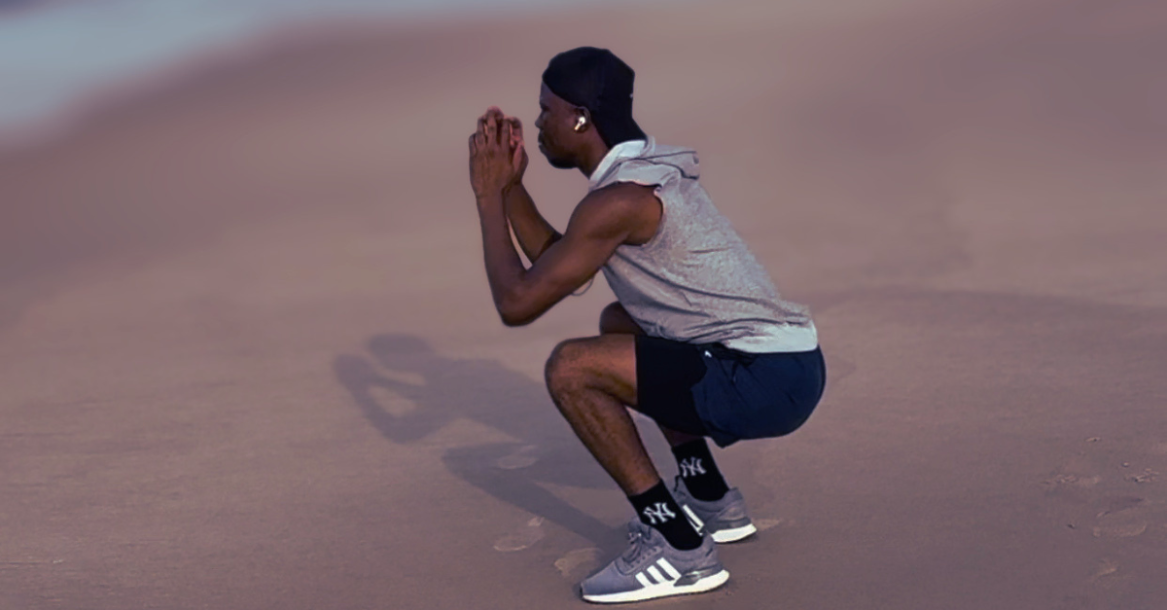
1. Bodyweight Squats
Bodyweight squats are one of the best exercises for weight loss because they target large muscle groups, including glutes, quadriceps, hamstrings, and core.
Since your lower body contains some of the largest muscles, strengthening them can increase the number of calories you burn during and after your workout.
How to perform a bodyweight squat:
- Stand with your feet about shoulder-width apart.
- Keep your chest up and engage your core.
- Push your hips back as if you’re sitting into a chair.
- Lower until your thighs are parallel to the floor, or as far as your mobility allows.
- Push through your heels to return to the starting position.
Recommended: 3 sets of 10–15 repetitions.
Pro Tip: Focus on controlled movements rather than rushing through each repetition. Good form is more important than speed.
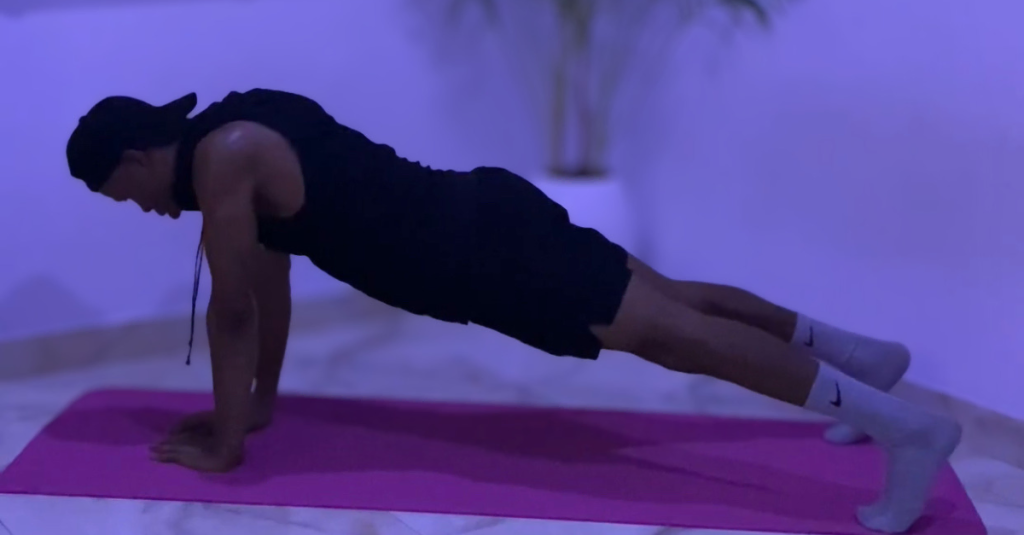
2. Push-Ups
Push-ups are one of the most effective upper-body exercises you can do at home. They strengthen your chest, shoulders, triceps, and core while engaging multiple muscle groups at once.
This makes them an excellent addition to any weight loss workout because they help build lean muscle and improve overall functional strength.
Don’t worry if you can’t perform a standard push-up yet. Everyone starts somewhere. You can begin with knee push-ups or incline push-ups using a sturdy bench, chair, or countertop. As your strength improves, gradually progress to full push-ups.
How to perform a push-up:
- Start in a high plank position with your hands slightly wider than shoulder-width apart.
- Keep your body in a straight line from your head to your heels.
- Bend your elbows and slowly lower your chest toward the floor.
- Push through your palms to return to the starting position.
- Repeat while maintaining proper form.
Recommended: 3 sets of 8–12 repetitions.
Pro Tip: Avoid letting your hips sag or rise too high. Keeping your core engaged throughout the movement helps improve stability and protect your lower back.
3. Walking Lunges
Walking lunges are an excellent lower-body exercise that targets the quadriceps, hamstrings, glutes, and calves while also challenging your balance and coordination. Because each leg works independently, walking lunges can help improve stability and correct muscle imbalances.
They also elevate your heart rate more than many isolation exercises, making them a great choice for supporting weight loss.
How to perform walking lunges:
- Stand tall with your feet hip-width apart.
- Step forward with your right leg.
- Lower your body until both knees form roughly 90-degree angles.
- Push through your front heel and bring your back foot forward into the next lunge.
- Continue alternating legs as you move forward.
Recommended: 3 sets of 10–12 steps per leg.
Pro Tip: Keep your chest upright and avoid letting your front knee move too far past your toes. Controlled movements will help you maintain balance and maximize muscle engagement.
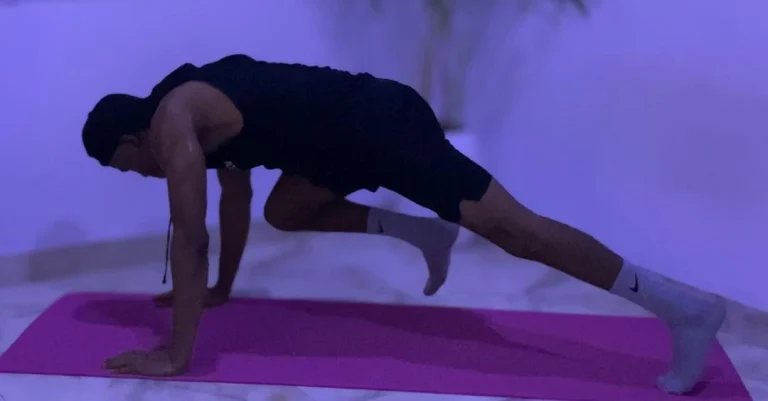
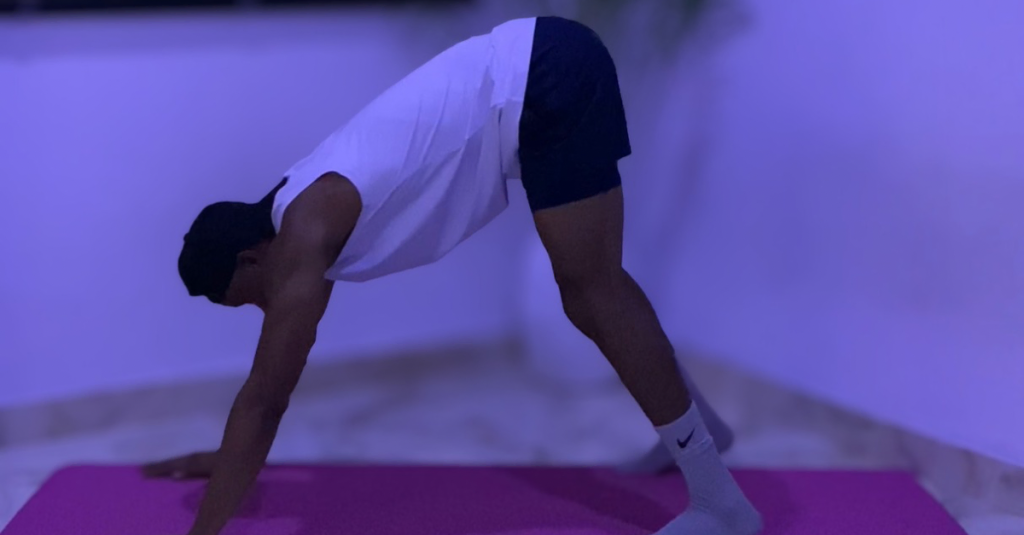
4. Mountain Climbers
Mountain climbers are one of the best bodyweight exercises for combining cardio and strength training in a single movement.
They engage your shoulders, chest, arms, core, and legs while keeping your heart rate elevated, making them an effective way to burn calories.
Although they may look challenging at first, you can start slowly and gradually increase your speed as your fitness improves.
How to perform mountain climbers:
- Begin in a high plank position with your hands directly under your shoulders.
- Keep your body in a straight line and engage your core.
- Drive one knee toward your chest.
- Quickly switch legs in a running motion while maintaining proper form.
- Continue alternating at a steady pace.
Recommended: 3–4 rounds of 30 seconds.
Pro Tip: Focus on maintaining a strong plank position rather than fast movement as much as possible. Proper form will give you better results and reduce the risk of injury.
5. Jumping Jacks
Jumping jacks are a simple but highly effective cardio exercise that gets your entire body moving. They increase your heart rate, improve coordination, and help you burn extra calories, making them a great addition to any home workout routine.
If you have joint discomfort or have just started, you can perform low-impact step jacks instead.
How to perform jumping jacks:
- Stand with your feet together and your arms at your sides.
- Jump your feet out to the sides while raising your arms overhead.
- Jump back to the starting position.
- Continue at a comfortable, steady pace.
Recommended: 30–60 seconds for 3 rounds.
Pro Tip: Land softly on the balls of your feet and keep your knees slightly bent to reduce impact on your joints.
6. High Knees
High knees are a fantastic cardio exercise that helps increase your heart rate while strengthening your legs and improving coordination. They can be used as part of a warm-up or in a circuit workout to boost calorie burn.
The faster you perform them while maintaining good form, the more challenging they become.
How to perform high knees:
- Stand tall with your feet hip-width apart.
- Run in place while driving your knees toward waist height.
- Swing your arms naturally to maintain balance and rhythm.
- Keep your core engaged throughout the movement.
Recommended: 30 seconds for 3–4 rounds.
Pro Tip: Focus on lifting your knees rather than running in place. This helps maximize the exercise’s effectiveness and improves lower-body power.
For a proper understanding of this exercise, read High Knees Exercise After 30: A Beginner’s Guide to learn about the benefits, proper technique, beginner modifications, and common mistakes to avoid.
7. Plank
The plank may be simple, but it’s one of the best exercises for building core strength and stability.
A strong core supports better posture, improves balance, and helps you perform other exercises more effectively. It also strengthens the muscles that support your lower back, making everyday movements easier.
How to perform a plank:
- Start on your forearms with your elbows directly beneath your shoulders.
- Extend your legs behind you and balance on your toes.
- Keep your body in a straight line from your head to your heels.
- Engage your core and avoid letting your hips sag or rise too high.
- Hold the position while breathing normally.
Recommended: Hold for 20–60 seconds and repeat 3 times.
Pro Tip: Quality is more important than duration. It’s better to hold a proper plank for 20 seconds than a poor one for a minute.
8. Glute Bridges
Glute bridges are an excellent exercise for strengthening your glutes, hamstrings, and core. They’re especially beneficial if you spend long hours sitting, as they help activate muscles that are weak or inactive over time.
Stronger glutes improve lower-body strength, support better posture, and enhance performance in exercises like squats and lunges.
How to perform a glute bridge:
- Lie on your back with your knees bent and feet flat on the floor.
- Place your arms by your sides.
- Press through your heels and lift your hips until your body forms a straight line from your shoulders to your knees.
- Squeeze your glutes at the top.
- Lower slowly and repeat.
Recommended: 3 sets of 12–15 repetitions.
Pro Tip: Avoid pushing through your lower back. Focus on squeezing your glutes to lift your hips.
9. Burpees
Burpees are one of the most challenging bodyweight exercises, but they’re also one of the most effective for improving cardiovascular fitness and burning calories.
Since they combine a squat, plank, push-up, and jump into one movement, they work nearly every major muscle group.
If you’re new to burpees, don’t be discouraged. Start slowly by removing the push-up or jump, and build up as your fitness improves.
How to perform a burpee:
- Stand with your feet shoulder-width apart.
- Squat down and place your hands on the floor.
- Jump your feet back into a high plank.
- Perform a push-up if you’re able.
- Jump your feet back toward your hands.
- Stand up and finish with a small jump.
Recommended: 2–3 sets of 8–10 repetitions.
Pro Tip: Maintain a steady pace instead of rushing through each repetition. Proper technique is more important than speed.
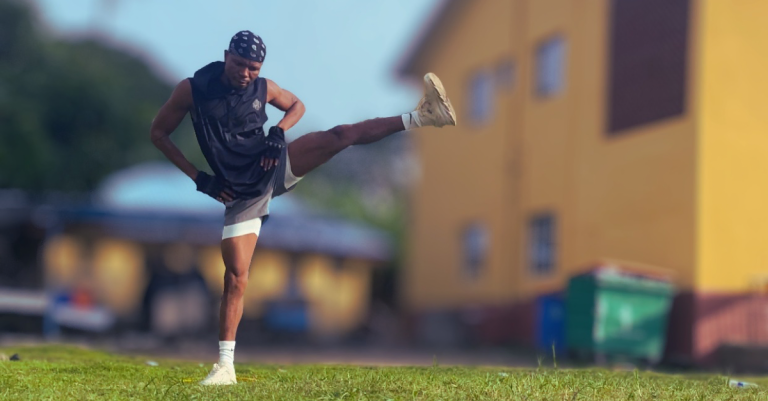
10. Shadow Boxing
Shadow boxing is a fun and effective cardio exercise that helps burn calories while improving coordination, balance, and endurance.
As you throw different punch combinations and move around, you engage your shoulders, arms, core, and legs, making it a great full-body workout for weight loss.
One of the biggest advantages of shadow boxing is that it requires no equipment. All you need is a little space and the willingness to keep moving.
How to perform shadow boxing:
- Stand with your feet shoulder-width apart and your knees slightly bent.
- Raise your hands to protect your face.
- Throw controlled jabs, crosses, hooks, and uppercuts while moving lightly on your feet.
- Keep your core engaged and breathe steadily throughout the exercise.
- Continue moving for the recommended time.
Recommended: 45 seconds of work followed by 15 seconds of rest for 4–5 rounds.
Pro Tip: Focus on smooth, controlled punches instead of speed or power. Proper technique will improve your coordination and help you get the most from the exercise.
Sample 30-Minute Home Workout for Weight Loss After 30
If you’re not sure where to start, try this beginner-friendly routine three to four times each week.
Warm-Up (5 Minutes)
- 1 minute of jumping jacks
- Arm circles
- Leg swings
- Hip circles
- Marching in place
Main Workout (20 Minutes)
- Bodyweight Squats – 15 reps
- Push-Ups – 10 reps
- Walking Lunges – 10 reps per leg
- Mountain Climbers – 30 seconds
- High Knees – 30 seconds
- Glute Bridges – 15 reps
- Plank – 30 seconds
- Shadow Boxing – 1 minute
Rest for 60–90 seconds and repeat the circuit 2–3 times.
Cool-Down (5 Minutes)
Stretch your hamstrings, quadriceps, chest, shoulders, and hip flexors to improve flexibility and aid recovery.
As you become stronger, gradually increase the number of repetitions, workout duration, or rounds to continue making progress.
Tips to Maximize Weight Loss After 30
Following a workout routine is an excellent start, but exercise is only one part of the equation. To achieve sustainable weight loss after 30, you also need to support your workouts with healthy lifestyle habits.
Here are a few simple strategies that can help you maximize your results.
- Prioritize Protein: Protein helps preserve lean muscle, supports recovery, and keeps you feeling full. Learn more in Protein After 30: Why It Matters for Muscle and Fat Loss.
- Stay Hydrated: Proper hydration supports your overall health and workout performance. Read Hydration After 30: Mistakes That Slow Fat Loss to avoid common hydration mistakes.
- Get Enough Sleep: Aim for 7–9 hours of quality sleep each night. Proper sleep supports recovery and helps regulate the hormones that influence appetite.
- Include Strength Training: Strength training helps preserve muscle while losing fat, making it an essential part of any weight-loss plan. If you’re new to resistance training, check out Strength Training After 30: The Complete Guide.
- Stay Consistent: You don’t need perfect workouts to see results. Staying active several times each week and making healthy choices consistently will have a greater impact than occasional intense workouts. For a deeper understanding of how to be consistent, read my guide on How to Stay Motivated With Weight Loss
Common Home Workout Mistakes That Slow Weight Loss Progress
Even the best home workout routine won’t deliver the results you want if you’re making a few common mistakes. Fortunately, most of these are easy to correct once you’re aware of them.
Here are some of the biggest mistakes to avoid:
- Skipping your warm-up: Warming up prepares your muscles and joints for exercise while reducing the risk of injury.
- Using poor exercise form: Performing exercises incorrectly can reduce their effectiveness and increase your risk of injury. Focus on proper technique before increasing your speed or repetitions.
- Doing only cardio: Cardio is excellent for burning calories, but combining it with strength training helps preserve lean muscle and supports long-term weight loss.
- Ignoring recovery: Your body needs time to recover after workouts. Taking rest days and getting enough sleep allows your muscles to repair and grow stronger.
- Being inconsistent: Exercising occasionally won’t produce lasting results. Building a routine you can stick with is far more effective than doing intense workouts only once in a while.
If you’d like a more detailed explanation of these mistakes and practical ways to avoid them, read my guide on “Home Workout Mistakes That Slow Progress After 30.
Frequently Asked Questions
Can I lose weight with home workouts after 30?
Yes. Home workouts can support weight loss when combined with a balanced diet, regular physical activity, and consistent healthy habits.
How often should I work out at home?
Aim for 3–5 workouts per week, allowing enough time for recovery between sessions.
Do I need equipment for home workouts?
No. Many effective exercises, including squats, push-ups, lunges, planks, and high knees, require only your body weight.
How long should a home workout be?
Most people can achieve great results with workouts lasting 20–45 minutes, especially when performed consistently.
Final Thoughts
Losing weight after 30 doesn’t require expensive equipment or a gym membership. With the right home workouts, a balanced diet, and consistent effort, you can burn fat, build strength, and improve your overall health from the comfort of your home.
From my experience, I’ve learned that some of the most effective workouts are also the simplest. There were days when I couldn’t make it to the gym, but choosing to stay active at home helped me maintain my progress. Those small, consistent efforts added up over time, and they can do the same for you.
Start with exercises that match your current fitness level, stay patient with the process, and celebrate every milestone along the way. Your future self will thank you for the effort you begin today.
Join the Conversation
Which home workout is your favorite for staying active after 30?
Share your thoughts or any questions in the comments below.