The Best Exercises for Weight Loss After 30
Table of Contents
ToggleHave you ever wondered why the workouts that helped you lose weight in your 20s don’t seem to work as well after 30?
Many adults notice that losing weight becomes challenging as they age. Changes such as a gradual loss of muscle mass, a slightly slower metabolism, and increasingly busy schedules can all make it harder to burn fat and stay consistent with exercise.
I noticed this in my own fitness journey. There was a time when I believed spending more hours doing cardio was the answer. While it worked for a while, I eventually realized that lasting weight loss came from combining strength training, regular movement, and healthy eating habits, not exercising longer.
The good news is that you don’t need extreme workouts or expensive gym memberships to lose weight after 30. Choosing the right exercises can help you burn calories, preserve lean muscle, improve your overall fitness, and make it easier to maintain a healthy weight over time.
In this guide, you’ll discover the best exercises for weight loss after 30, why they work, and how to build a balanced workout routine that supports long-term success.
Why Weight Loss Changes After 30
If weight loss feels more difficult than it used to, it isn’t just your imagination. Several natural changes occur as you age, but they don’t have to stop you from reaching your fitness goals.
One of the changes is the gradual loss of muscle mass, a process known as sarcopenia. Since muscle burns more calories than fat, even while you’re at rest, losing muscle can slightly reduce the number of calories your body burns each day. This makes strength training increasingly important after age 30.
Lifestyle also plays a major role. Many adults become less active due to work, family responsibilities, and long hours spent sitting. At the same time, stress, poor sleep, and inconsistent eating habits can make managing body weight more challenging.
The good news is that regular exercise can help offset many of these changes. According to the Centers for Disease Control and Prevention (CDC), adults should get at least 150 minutes of moderate-intensity aerobic activity (or 75 minutes of vigorous-intensity activity) each week and perform muscle-strengthening activities involving all major muscle groups on at least two days per week to support overall health and help maintain a healthy weight.
If you’re looking for a complete strategy beyond exercise, be sure to read our Weight Loss After 30: The Ultimate Guide to Fat Loss, where you’ll learn how nutrition, recovery, and lifestyle habits work together to support healthy weight loss.
What Makes an Exercise Effective for Weight Loss After 30?
When it comes to losing weight after 30, the “best” exercise isn’t necessarily the one that burns the most calories in a single workout. Instead, it’s the one that helps you stay consistent while improving your overall fitness.
An effective weight loss exercise should:
- Burn calories efficiently.
- Help build or preserve lean muscle mass.
- Improve your cardiovascular health.
- Fit your fitness level and lifestyle.
- Be enjoyable enough to do consistently.
That’s why a combination of strength training, cardio, and daily movement often delivers better long-term results than relying on one type of exercise alone.
7 Best Exercises for Weight Loss After 30
1. Strength Training
If your goal is long-term weight loss after 30, strength training deserves to be at the top of your workout routine.
Many people focus only on cardio because it burns calories during exercise. While cardio is important, strength training helps you build and maintain lean muscle, which supports your metabolism and makes it easier to manage your weight over time.
As you age, preserving muscle becomes increasingly important. Resistance exercises not only help you look leaner but also improve strength, posture, balance, and bone health.
Benefits of Strength Training
- Helps preserve and build lean muscle.
- Supports a healthy metabolism.
- Burns calories during and after your workout.
- Improves strength for everyday activities.
- Supports healthy bones and joints.
You don’t need a commercial gym to get started. Compound exercises that work multiple muscle groups provide the greatest benefits.
These include:
- Squats
- Walking lunges
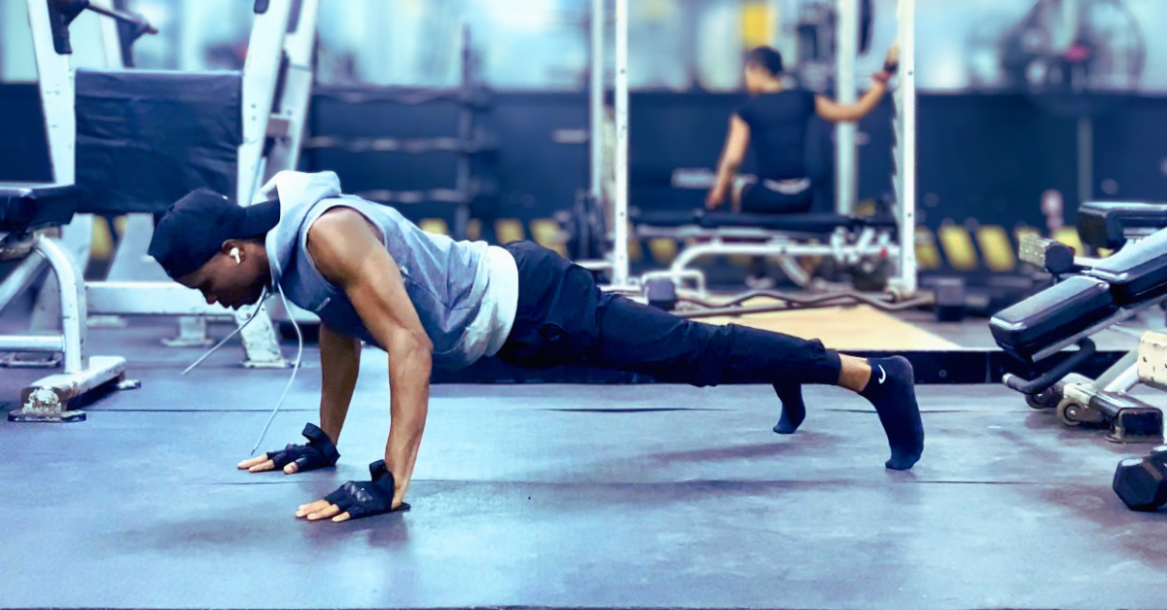
- Push-ups
- Dumbbell rows
- Deadlifts
- Shoulder presses
From my experience, shifting my focus from doing endless cardio to lifting weights was one of the biggest improvements I made. I wasn’t just losing weight; I was becoming stronger, and maintaining my progress became much easier.
Aim to include strength training two to four times per week, allowing enough time for your muscles to recover between sessions.
Related articles:
- Ultimate Strength Training Guide After 30
- How Often Should You Strength Train
- The Best Strength Exercises After 30
- My Strength Training Mistakes after 30
According to the American College of Sports Medicine (ACSM), healthy adults should perform muscle-strengthening activities targeting all major muscle groups at least two days per week.
Regular strength training helps preserve lean muscle mass, improve physical function, and support long-term weight management.
2. Walking
Walking may not be the most intense workout, but it’s one of the easiest and most sustainable ways to increase your daily calorie burn.
Unlike high-impact exercises, walking is gentle on the joints and suitable for almost every fitness level. It also helps break up long periods of sitting, which is especially important if you work at a desk.
A brisk walk of 30–60 minutes can improve cardiovascular health, increase your daily activity level, and support steady weight loss when combined with healthy eating.
One habit that has worked well for me is taking short walks whenever possible rather than sitting for long periods. Those extra steps may seem small, but over time they make a noticeable difference.
To make walking more effective:
- Walk at a brisk pace.
- Choose routes with hills or inclines.
- Take a 10–20-minute walk after meals.
- Aim for consistent daily movement rather than focusing only on step counts.
Walking may seem simple, but consistency often beats intensity when it comes to long-term weight loss.
3. High-Intensity Interval Training (HIIT)
If you have a busy schedule, High-Intensity Interval Training (HIIT) is an excellent way to burn calories quickly. HIIT alternates short bursts of intense exercise with brief recovery periods, making workouts both challenging and efficient.
Besides supporting weight loss, HIIT can improve cardiovascular fitness and endurance. However, because it’s physically demanding, it shouldn’t replace every workout.
Most adults over 30 will benefit from one to three HIIT sessions per week, combined with strength training and lower-intensity activities like walking.
A simple beginner HIIT workout might include:
- Jumping jacks
- Bodyweight squats
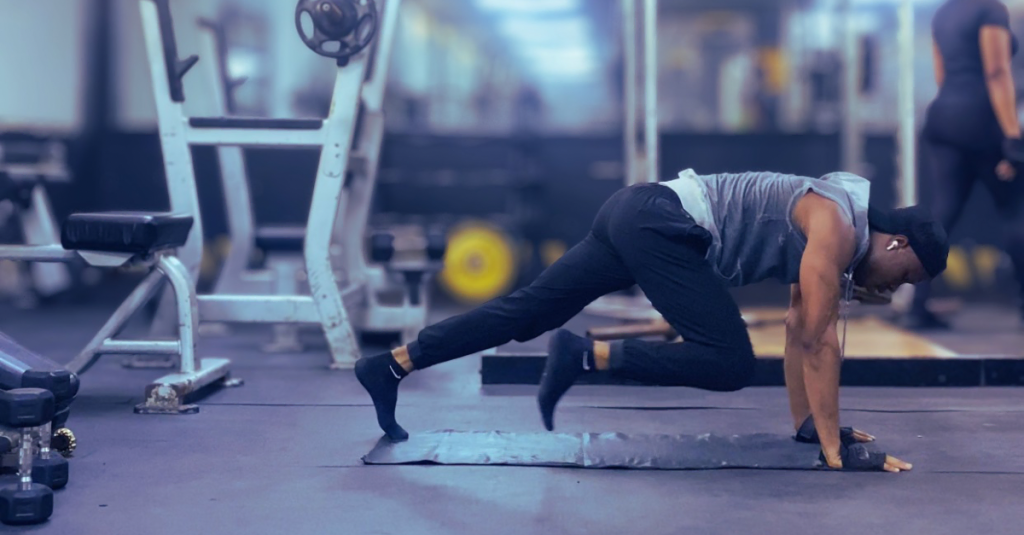
- Mountain climbers
- High knees
Perform each exercise for 30 seconds, rest for 30 seconds, and repeat the circuit 3–4 times.
Related: Beginner Home Workout Plan After 30
4. Cycling
Cycling is a low-impact cardio exercise that’s easy on the joints while still helping you burn calories. Whether you ride outdoors or use a stationary bike, cycling strengthens your legs, improves heart health, and builds endurance.
It’s an excellent option if running causes discomfort or if you’re looking for variety in your workout routine. Aim for 30–60 minutes of moderate cycling a few times each week for the best results.
5. Swimming
Swimming provides a full-body workout while placing minimal stress on your joints. It combines cardio with muscle engagement, making it a great choice for adults over 30, especially those with joint pain or those carrying extra body weight.
Regular swimming can improve endurance, strengthen major muscle groups, and support healthy weight loss.
6. Bodyweight Circuit Training
You don’t need expensive equipment to lose weight. Bodyweight circuit training combines strength and cardio, helping you burn calories while improving muscular endurance.
A simple circuit might include:
- Squats
- Push-ups
- Walking lunges
- Planks
- Mountain climbers
Complete each exercise with little rest between movements, then repeat the circuit 2–4 times.
Bodyweight workouts are ideal for home training and can easily be adjusted to match your fitness level.
7. Jogging or Running
Jogging and running remain effective exercises for burning calories and improving cardiovascular fitness. If your joints are healthy and you enjoy running, it can be a valuable part of your weight loss plan.
However, running isn’t essential for losing weight. If it causes pain or discomfort, walking, cycling, or swimming can provide similar health benefits with less impact on your joints.
The key is to choose an exercise you enjoy and can perform consistently over the long term.
According to the World Health Organization (WHO), adults should aim for at least 150–300 minutes of moderate-intensity aerobic activity or 75–150 minutes of vigorous-intensity activity each week, along with muscle-strengthening exercises on at least two days. Following these guidelines can help improve overall health and support healthy weight management.
Cardio vs. Strength Training: Which Is Better for Weight Loss After 30?
If you had to choose between cardio and strength training, you might wonder which is better for weight loss after 30. The truth is, both play an important role.
Cardio exercises such as walking, cycling, swimming, and HIIT help you burn calories and improve your heart health. Strength training, on the other hand, helps you build and preserve lean muscle, which supports your metabolism and helps you lose weight over time.
If you’re unsure whether to do cardio before or after lifting weights, read our guide on Cardio Before or After Weights for Fat Loss to learn which approach best suits your goals.
Instead of choosing one over the other, combine them for the best results. A simple weekly routine might include:
- 2–4 strength training sessions
- 2–3 cardio workouts
- Daily walking or other light physical activity
- At least one recovery day
This balanced approach helps you burn fat, maintain muscle, and reduce the risk of burnout or injury.
Common Mistakes to Avoid
Even the best workout plan won’t deliver great results if you make a few common mistakes. Here are some to watch out for:
- Doing Only Cardio: Cardio is great for burning calories, but relying on it alone can make it harder to maintain muscle mass. Include strength training in your routine to support your metabolism and improve body composition.
- Ignoring Recovery: Your body needs time to recover and adapt after exercise. Aim for quality sleep, stay hydrated, and schedule at least one rest day each week.
- Expecting Quick Results: Healthy weight loss takes time. Instead of looking for dramatic changes in a few weeks, focus on building habits you can maintain for years.
- Overlooking Nutrition: You can’t out-exercise a poor diet. Regular exercise works best when paired with a balanced eating plan that includes enough lean protein, whole grains, fruits, vegetables, and healthy fats.
Related:
Frequently Asked Questions
1. What is the best exercise for weight loss after 30?
There isn’t a single best exercise for everyone. A combination of strength training, walking, and cardio exercises such as cycling or HIIT is often the most effective approach. Strength training helps preserve muscle mass, while cardio increases calorie expenditure and supports heart health.
2. Is walking enough to lose weight after 30?
Walking can support weight loss when combined with a healthy diet and a calorie deficit. Brisk walking also improves cardiovascular health and is easier to maintain than many high-intensity workouts. For even better results, combine walking with strength training two to four times per week.
3. How often should I exercise to lose weight after 30?
Aim for at least 150 minutes of moderate-intensity aerobic activity each week, along with muscle-strengthening exercises on two or more days. Consistency is more important than doing long or intense workouts occasionally.
4. Should I do cardio before or after strength training?
It depends on your goal. If weight loss and maintaining muscle are your priorities, many fitness professionals recommend doing strength training first, followed by cardio if you have enough time. This allows you to perform resistance exercises with more energy.
5. Can I lose weight after 30 without going to the gym?
Absolutely. Walking, bodyweight exercises, resistance bands, and home strength workouts can all help you lose weight. The key is staying active, eating a balanced diet, and exercising consistently.
Final Thoughts
Losing weight after 30 isn’t about finding the “perfect” exercise; it’s about building a routine you can stick with consistently.
For me, the biggest lesson was realizing that lasting results didn’t come from doing more cardio or chasing the latest fitness trend. They came from combining strength training, regular movement, and healthier daily habits.
The moment I shifted my focus from quick fixes to consistency, staying active became more enjoyable, and maintaining my progress felt much easier.
Whether you choose walking, strength training, cycling, swimming, or HIIT, the best exercise is the one you’ll keep doing. Start where you are, progress at your own pace, and remember that small, consistent efforts often lead to the biggest long-term results.
Join the Conversation
Have a favorite exercise that has helped you lose weight after 30? Share your experience in the comments below. I’d love to hear what’s worked for you, and your story might inspire someone else on their fitness journey.