
My Nutrition Mistakes After 30: What I Learned
Table of Contents
ToggleHave you ever wondered why eating the same foods that worked in your 20s no longer gives you the same results after 30?
Maybe you’re exercising consistently, yet your energy levels aren’t what they used to be, your recovery feels slower, or reaching your fitness goals seems more challenging.
I asked myself those same questions. After turning 30, I realized that many of my everyday eating habits were holding me back.
They weren’t dramatic mistakes, but over time, they were affecting my energy, workout performance, recovery, and overall health. The moment I started making small changes, I noticed a significant difference in how I felt and performed.
If you’re looking for a solid foundation for healthy eating, I recommend reading my Nutrition After 30: A Complete Guide to Healthy Eating before diving into the lessons below.
In this article, I’ll share the biggest nutrition mistakes I made after 30, what I learned from them, and how these simple changes helped me build healthier habits that I can maintain for the long term.
Top 8 Nutrition Mistakes I Made After 30
Looking back, I realized that several of my daily eating habits were working against my health and fitness goals. Here are the eight biggest nutrition mistakes I made after 30 and the lessons I learned from them.
1. I Focused More on Calories Than Nutrition
One of the biggest nutrition mistakes I made after 30 was becoming too focused on calories while paying very little attention to the quality of the foods I was eating.
Like many people trying to stay in shape, I believed that as long as I stayed within my daily calorie goal, I was eating healthy.
I would choose foods based on their calorie content without thinking whether they were actually nourishing my body. Looking back, I realized I was eating to hit a number rather than eating to fuel my health and fitness.
Over time, I began to notice the consequences. Even when I stayed within my calorie target, I often felt hungry shortly after meals, my energy levels would fluctuate throughout the day, and I wasn’t recovering from workouts as well as I had expected. My body was getting enough calories, but it wasn’t always getting enough nutrients.
That experience taught me an important lesson: not all calories provide the same nutritional value. While calorie balance plays an important role in managing body weight, choosing nutrient-dense foods can make a significant difference in how you feel, perform, and recover.
According to the Academy of Nutrition and Dietetics, building your meals around nutrient-rich foods helps your body get the vitamins, minerals, fiber, and other nutrients it needs to support overall health.
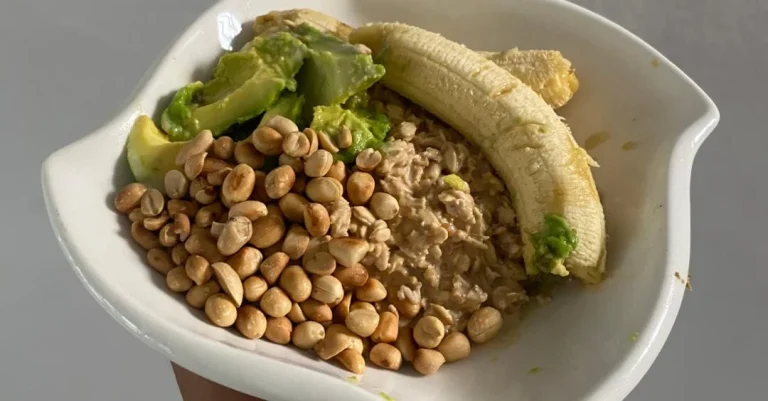
Instead of relying heavily on processed foods, I gradually started filling my plate with lean protein, whole grains, fruits, vegetables, healthy fats, and other minimally processed foods.
I didn’t make the change overnight, but as those healthier choices became part of my routine, I noticed more consistent energy, fewer cravings, better workout recovery, and greater satisfaction after meals.
The biggest lesson I learned is that calories matter, but food quality matters just as much. Focusing on both helped me develop eating habits that supported my health, rather than just reaching a calorie target.
2. I Didn’t Eat Enough Protein
Another nutrition mistake I made after 30 was underestimating the importance of protein.
For years, I assumed I was getting enough simply because I ate meat with dinner. I never paid attention to how much protein I consumed throughout the day, and I certainly wasn’t planning my meals around it.
At the time, I didn’t realize that this habit could affect my energy, recovery, and ability to maintain muscle.
As I became more consistent with strength training, I noticed I stayed sore longer after workouts and often felt hungry between meals. I initially thought I needed to train harder, but the problem wasn’t my workouts; it was my nutrition.
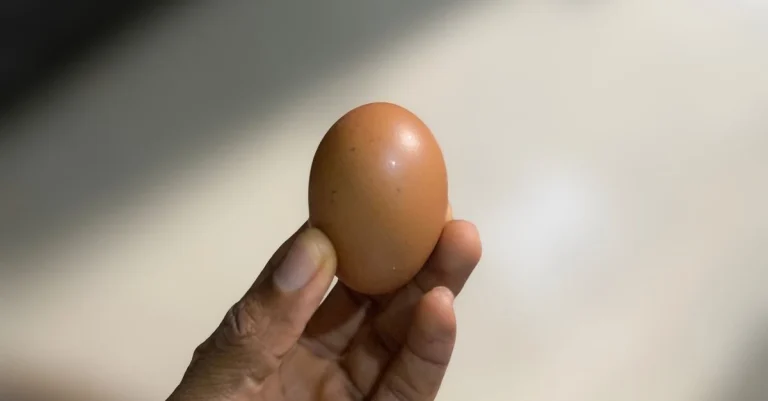
After learning more about healthy eating, I made a conscious effort to include a source of protein in every meal rather than saving most of it for dinner. I began eating more eggs, Greek yogurt, chicken breast, fish, beans, and other protein-rich foods throughout the day.
The difference wasn’t immediate, but after a few weeks, I noticed that I felt fuller for longer, recovered better after exercise, and had more consistent energy.
Protein becomes even more important as we age because it helps maintain muscle mass, supports recovery, and contributes to overall health.
According to the American College of Sports Medicine (ACSM), consuming adequate protein alongside regular resistance training helps support muscle maintenance, repair, and recovery
This experience taught me that protein isn’t just for athletes or bodybuilders; it’s an essential nutrient for anyone who wants to stay strong, active, and healthy after 30.
If you’d like to learn more about how much protein you need and why it matters, check out my Protein After 30: Why It Matters for Muscle and Fat Loss.
You can also read My Protein Mistakes After 30: What I Learned for a deeper look at the lessons I learned, along with 10 High-Protein Foods for Muscle Building After 30 for practical food ideas you can start adding to your meals.
3. I Relied Too Much on Processed Convenience Foods
I’ll be honest, there was a time when convenience mattered more to me than nutrition.
Whenever I was busy, I often reached for packaged snacks, fast food, or highly processed meals because they were quick and easy.
While these foods saved time, they didn’t always leave me feeling my best. I still often feel hungry again not long after eating, and my energy levels weren’t as consistent as I wanted them to be.
As I paid closer attention to my eating habits, I realized I didn’t have to prepare elaborate meals to eat healthier. Small changes made a big difference.
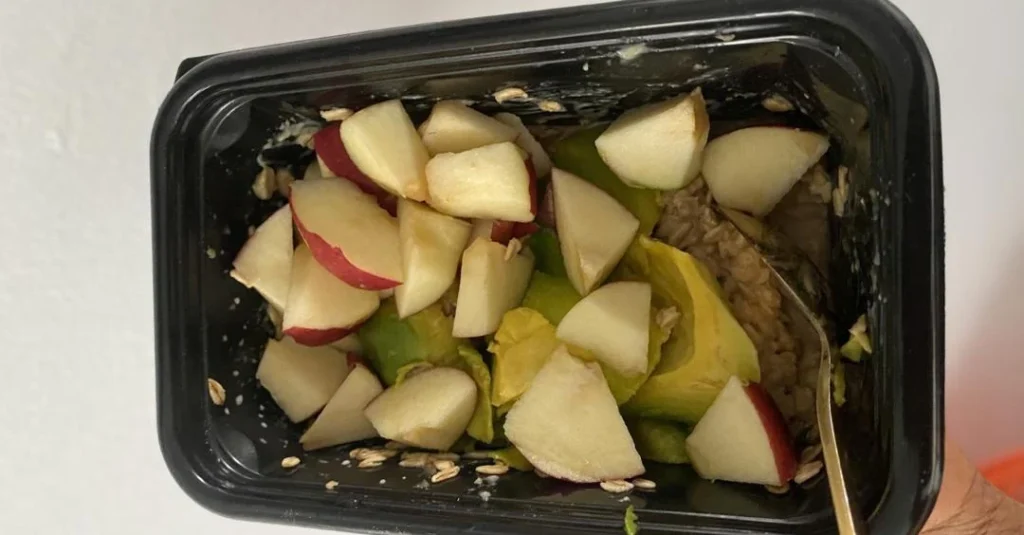
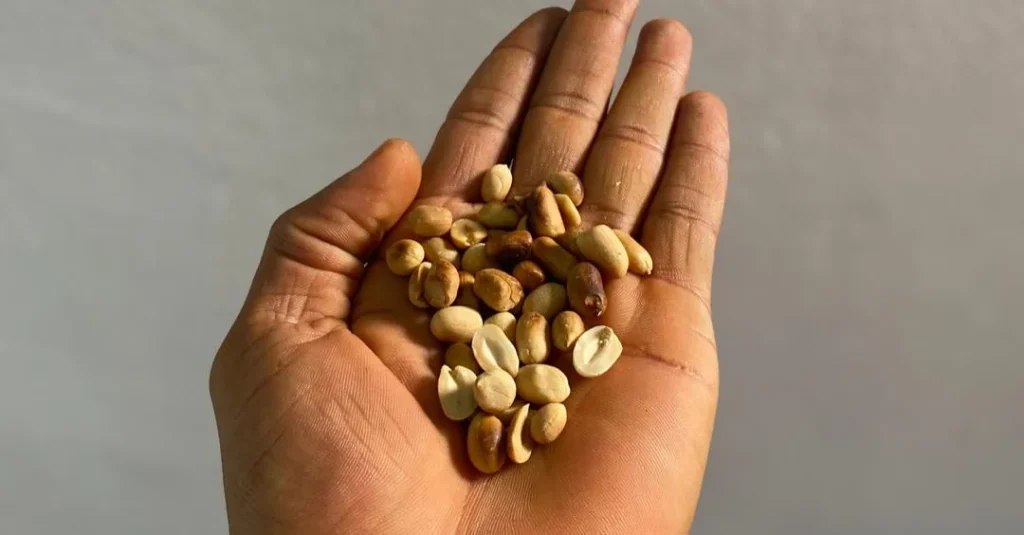
Instead of relying on processed foods for every meal, I started choosing more whole foods whenever possible. I kept simple options like boiled eggs, fruit, Greek yogurt, nuts, and cooked chicken on hand so I always had a healthier choice available.
That shift helped me eat a more balanced diet without feeling like I was following a restrictive meal plan. It also made healthy eating much easier to stick with over the long term.
According to the World Health Organization, eating healthy fruits and vegetables while limiting foods that have so much sugar, salt, and unhealthy fats can help reduce the risk of chronic diseases.
One lesson I learned is that healthy eating doesn’t have to be perfect. Even replacing a few processed foods with more nutritious options each week can make a meaningful difference over time.
4. I Didn’t Plan My Meals
Another mistake I made was assuming I could “figure out” my meals as the day went on.
Most days, I didn’t think about what I was going to eat until I was already hungry. By then, convenience usually won. I would grab whatever was available, which often meant skipping balanced meals or choosing foods that didn’t support my health goals.
Meal planning was unnecessary to me at first, but I eventually realized it wasn’t about eating the same meals every day. It was simply about making healthier choices easier.
Now, I plan a few meals and snacks before the week begins. Having protein sources, fruits, vegetables, and healthy snacks ready means I’m less likely to rely on fast food or processed snacks when life gets busy.
Planning has also helped me eat more consistently and avoid long periods without food, which used to leave me feeling overly hungry and more likely to overeat later in the day.
If you’re looking for nutritious meals to prepare in advance, my High-Protein Breakfasts for Weight Loss After 30, Best High-Protein Snacks for Weight Loss After 30, and Best Low Carb Breakfast Ideas on the Go After 30 offer simple ideas that can make meal planning much easier.
5. I Underestimated the Importance of Hydration
For a long time, I thought hydration was only something to worry about during workouts. As long as I drank water when I felt thirsty, I assumed I was doing enough.
Looking back, I realized I wasn’t drinking enough water throughout the day. I often mistook thirst for hunger, which led me to snack when my body actually needed fluids.
On some days, I also noticed that I felt tired, had trouble concentrating, and didn’t perform as well during my workouts.
The moment I became more intentional about staying hydrated, those small issues gradually improved. Drinking enough water helped me feel more energized, reduced unnecessary snacking, and supported my workouts and recovery.
While water isn’t a magic solution for weight loss, staying properly hydrated can make it easier to maintain healthy habits.
According to the Centers for Disease Control and Prevention, choosing water instead of sugary drinks is a simple way to reduce added sugar intake and support overall health.
Hydration may seem like a small part of nutrition, but it’s one habit that can influence how you feel every single day.
If you’d like to learn more, read My Hydration Mistakes After 30: What I Learned and Hydration After 30: Mistakes Slowing Fat Loss, where I share the habits that helped me improve my water intake.
6. I Didn’t Eat Enough Fruits and Vegetables
Another nutrition mistake I made after 30 was not eating enough fruits and vegetables.
Some days I’d include them in my meals, while other days I’d barely eat any at all. I focused so much on calories and protein that I overlooked the importance of getting enough vitamins, minerals, antioxidants, and fiber.
The moment I made fruits and vegetables a regular part of my meals, I noticed positive changes. My meals became more filling, my digestion improved, and I felt like I had more consistent energy throughout the day.
I don’t believe every meal has to be perfect, but I now try to include at least one fruit or vegetable whenever I eat. Sometimes it’s as simple as adding berries to my breakfast, having an apple as a snack, or filling half my dinner plate with vegetables.
According to the World Health Organization, eating a variety of fruits and vegetables every day helps lower the risk of many chronic diseases and supports overall health.
Looking back, I realized that healthy eating isn’t just about avoiding unhealthy foods; it’s also about consistently including the foods your body needs to thrive.
7. I Skipped Meals Thinking It Would Help Me Lose Weight
There was a time when I believed skipping meals was a smart way to reduce my calorie intake. If I missed breakfast or lunch, I thought I was giving myself a better chance of losing weight.
Unfortunately, it rarely worked that way.
By the time I finally ate, I was usually so hungry that I consumed much larger portions than I needed. I also found myself craving sugary snacks and processed foods because I wanted something quick to satisfy my hunger.
The moment I stopped skipping meals and focused on eating balanced meals at regular intervals, I noticed a big difference. My energy levels became more stable, I had fewer cravings throughout the day, and it became much easier to make healthier food choices.
That experience taught me that eating less isn’t always the answer. For me, eating consistently worked far better than going long hours without food.
8. I Tried to Be Perfect Instead of Consistent
One of the biggest lessons I learned after 30 had nothing to do with a specific food; it was my mindset.
Whenever I decided to eat healthier, I felt like I had to do everything perfectly. I’d cut out my favorite foods, follow strict eating rules, and promise myself I wouldn’t have any treats. It usually worked for a few days, but eventually I became frustrated, slipped back into old habits, and felt like I had failed.
Over time, I realized that perfection wasn’t helping me build a healthier lifestyle. What I needed was consistency.
Instead of trying to eat perfectly every day, I focused on making better choices most of the time. I filled my plate with nutritious foods, enjoyed occasional treats without guilt, and accepted that one unhealthy meal wouldn’t undo all my progress.
That simple mindset shift made healthy eating feel much more realistic. Rather than constantly starting over, I was building habits I could maintain for years.
According to the Academy of Nutrition and Dietetics, healthy eating is about developing sustainable dietary patterns rather than striving for perfection or following overly restrictive diets.
Looking back, this may have been the most valuable lesson of all. Consistency, not perfection, is what helped me improve my nutrition after 30 and continue making progress.
What I Do Differently Now
Looking back, I realize that improving my nutrition after 30 wasn’t about making one big change; it was about making several small changes consistently.
Today, my approach to eating is much simpler and far more sustainable than it used to be. Instead of chasing quick results, I focus on habits I can maintain in the long term.
Here’s what I do differently now:
- Prioritize protein at every meal to support muscle recovery and keep me feeling full.
- Fill my plate with more whole foods, including fruits, vegetables, whole grains, and healthy fats.
- Plan my meals and snacks ahead of time, so I’m less likely to rely on convenience foods.
- Drink enough water throughout the day instead of waiting until I feel thirsty.
- Enjoy my favorite treats in moderation instead of trying to eliminate them.
- Focus on consistency rather than trying to eat perfectly every day.
These habits may seem simple, but together they’ve helped me improve my energy, recover better after workouts, and build a healthier relationship with food.
If you’re still working on creating a sustainable eating routine, I recommend reading Healthy Eating Habits After 30: A Complete Guide, where I share practical strategies that can help you stay consistent.
Frequently Asked Questions
What is the biggest nutrition mistake people make after 30?
One of the most common mistakes is focusing only on calories rather than overall nutrition. While calorie balance is important, your body also needs protein, fiber, healthy fats, vitamins, and minerals to support energy, muscle maintenance, and overall health.
Do nutritional needs change after 30?
Yes. As you get older, maintaining muscle mass, supporting recovery, and managing body weight often require greater attention to nutrition and regular physical activity. Building balanced meals with nutrient-dense foods becomes increasingly important.
How can I improve my nutrition after 30?
Start with small, sustainable changes. Eat more whole foods, include protein in each meal, stay hydrated, plan your meals, and avoid relying on highly processed foods. Consistency over time is more effective than following restrictive diets.
Is it too late to start eating healthier after 30?
Not at all. Whether you’re 30, 40, 50, or older, improving your eating habits can support your energy levels, overall health, and fitness. Small changes made consistently can have a meaningful impact over time.
Final Thoughts
Looking back, my nutrition mistakes after 30 taught me that healthy eating isn’t about being perfect; it’s about making better choices consistently.
Some of my biggest setbacks came from habits I didn’t even realize were holding me back. Fortunately, they were also some of the easiest habits to change the moment I became more aware of them.
By focusing on nutrient-dense foods, eating enough protein, planning my meals, and staying consistent, I gradually noticed improvements in my energy, recovery, and overall health.
If there’s one lesson I’d like you to take away from my experience, it’s this: you don’t have to change everything overnight.
Pick one habit that stands out to you, work on it until it becomes part of your routine, and then move on to the next. Those small improvements can add up to lasting results.
Join the Conversation
I’d love to hear from you. What nutrition mistake have you learned from after turning 30?
Share your experience in the comments below. Your story might encourage someone else to make a positive change.