10 High-Protein Foods for Muscle Building After 30
Table of Contents
ToggleHave you ever wondered what to eat when you want to build muscle, gain strength, or add protein to your diet?
I’ve asked myself the same question, especially when trying to make healthier food choices without complicating every meal.
The good news is that building muscle after 30 doesn’t mean eating the same meals every day or relying on protein shakes for every meal. I’ve found that choosing the right foods can make it much easier to get enough protein while keeping meals simple and enjoyable.
If you’re trying to build or maintain muscle, high-protein foods can provide the protein your body needs to support muscle repair and growth. But with so many options available, it can be difficult to know which foods are actually worth adding to your meals.
In this guide, I’ll walk you through 10 high-protein foods that can support muscle building after 30, along with practical ways to include them in your diet. I’ll also cover how much protein you may need, how to reach 100 grams of protein a day from food, and some easy high-protein snack ideas.
Why Is Protein Important for Building Muscle?
Protein is one of the most important nutrients to consider if you’re trying to build or maintain muscle. When you strength train, your muscles experience stress that your body needs to repair. That’s when protein steps in, providing the amino acids your body uses to repair and rebuild muscle tissue.
But protein isn’t only important for muscle growth. It can also help you stay fuller between meals and support your overall nutrition when you’re trying to manage your body weight.
If you want to understand the bigger picture, I’ve explained why protein matters for muscle and fat loss in more detail.
For muscle building after 30, the goal isn’t to eat as much protein as possible. You also need consistent strength training, enough calories and nutrients, and adequate recovery. Your protein intake is one piece of that larger picture.
That’s where high-protein foods can make things easier. Foods such as eggs, beans, fish, chicken, Greek yogurt, and lean meats can help you increase your protein intake while providing other nutrients your body needs.
What Makes a Food High in Protein?
Not every food needs to be labeled a “fitness food” to help you build muscle. Many everyday foods can contribute a meaningful amount of protein to your diet.
Good protein sources include eggs, poultry, fish, dairy products, beans, lentils, nuts, seeds, and soy foods. The National Institutes of Health notes that protein helps build, maintain, and repair muscle, while a varied diet can provide the essential amino acids your body needs.
When choosing high-protein foods, I like to look beyond the protein number alone. A good choice can also provide other nutrients, be easy to prepare, fit your budget, and work well with the foods you already enjoy.
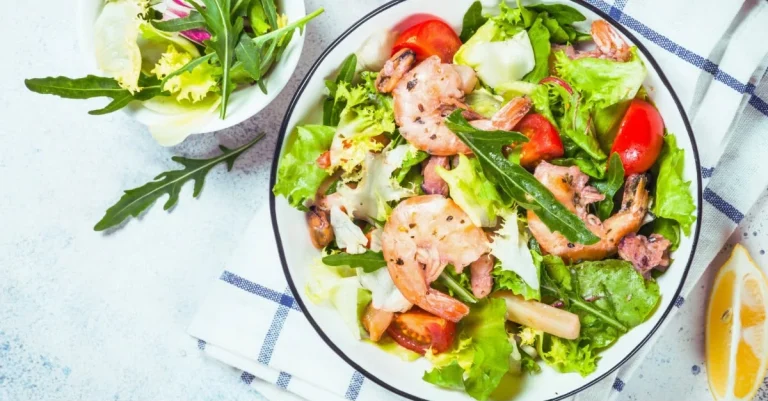
For example, eggs can be an easy breakfast option, beans can add protein and fiber to a meal, while fish or chicken can make a simple lunch or dinner more filling.
But remember, protein is only one part of a balanced diet. If you’re working on improving your overall eating habits after 30, you can also explore my Nutrition After 30 guide for more practical nutrition tips.
The goal isn’t to eat the same protein source every day. Instead, aim for variety and build meals around foods that help you consistently meet your nutritional needs.
With that in mind, here are 10 high-protein foods worth adding to your muscle-building diet.
Top 10 High-Protein Foods for Muscle Building After 30
Below are 10 of the best high-protein foods for muscle building after 30. These nutrient-rich foods can help support muscle growth, improve recovery, and keep you feeling stronger as you age.
1. Eggs
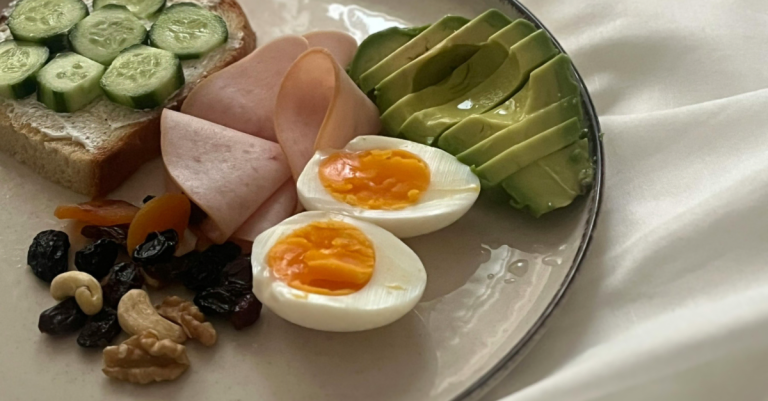
Eggs are one of the simplest and most affordable high-protein foods to add to your diet. They’re versatile enough for breakfast, meals, or snacks.
A large egg provides roughly 6 grams of protein, along with nutrients such as vitamin B12, selenium, and choline. Eggs also contain all nine essential amino acids, making them a complete protein source.
You can enjoy them boiled, scrambled, poached, or paired with vegetables, whole-grain toast, beans, or other protein-rich foods.
Easy ways to eat eggs:
- Boiled eggs with vegetables
- Scrambled eggs with whole-grain toast
- Omelet with vegetables and cheese
- Eggs with beans and avocado
- Boiled eggs as a snack
Protein: About 6 g per large egg.
2. Greek Yogurt
Greek yogurt is a convenient way to add more protein to your diet, especially as a quick breakfast or snack.
Compared with regular yogurt, Greek yogurt is typically strained, giving it a thicker texture and higher protein concentration. Depending on the brand and serving size, it can provide around 15–20 grams of protein per serving. It also provides nutrients such as calcium, which supports healthy bones.
You can add berries, bananas, oats, nuts, or seeds to make a more satisfying snack or breakfast. When choosing Greek yogurt, check the nutrition label, as flavored varieties can contain added sugar. Plain Greek yogurt gives you more control over what you add.
Easy ways to eat Greek yogurt:
- Mix with berries and oats
- Add banana and nuts
- Use in a high-protein smoothie
- Add to overnight oats
- Enjoy as an afternoon snack
Protein: About 15–20 g per serving, depending on the brand and serving size.
3. Chicken Breast
Chicken breast is a popular choice for muscle building because it provides plenty of protein without adding much fat, especially when you choose a skinless portion.
A cooked 100-gram serving provides roughly 30 grams of protein, although the exact amount varies by preparation.
You can grill, bake, roast, or stir-fry chicken and pair it with vegetables, rice, potatoes, beans, or whole grains to create a balanced meal.
Easy ways to eat chicken breast:
- Grilled chicken with vegetables and rice
- Chicken and bean salad
- Chicken stir-fry with vegetables
- Shredded chicken in a whole-grain wrap
- Baked chicken with potatoes and vegetables
Protein: About 30 g per 100 g cooked serving.
4. Fish
Fish is an excellent protein source for a muscle-building diet and gives you more variety than relying on meat or poultry alone.
Depending on the type, a 100-gram serving of cooked fish can provide roughly 20–30 grams of protein. Fatty fish such as salmon, sardines, and mackerel also provide omega-3 fatty acids, while lean options such as cod and tilapia provide plenty of protein with less fat.
Fish is also easy to include in balanced meals. You can grill, bake, steam, or pan-sear it and serve it with vegetables, potatoes, rice, or whole grains.
Easy ways to eat fish:
- Grilled fish with vegetables and potatoes
- Baked salmon with rice and vegetables
- Sardines with whole-grain toast
- Mackerel with beans and vegetables
- Fish added to a salad or wrap
Protein: Roughly 20–30 g per 100 g cooked serving, depending on the type.
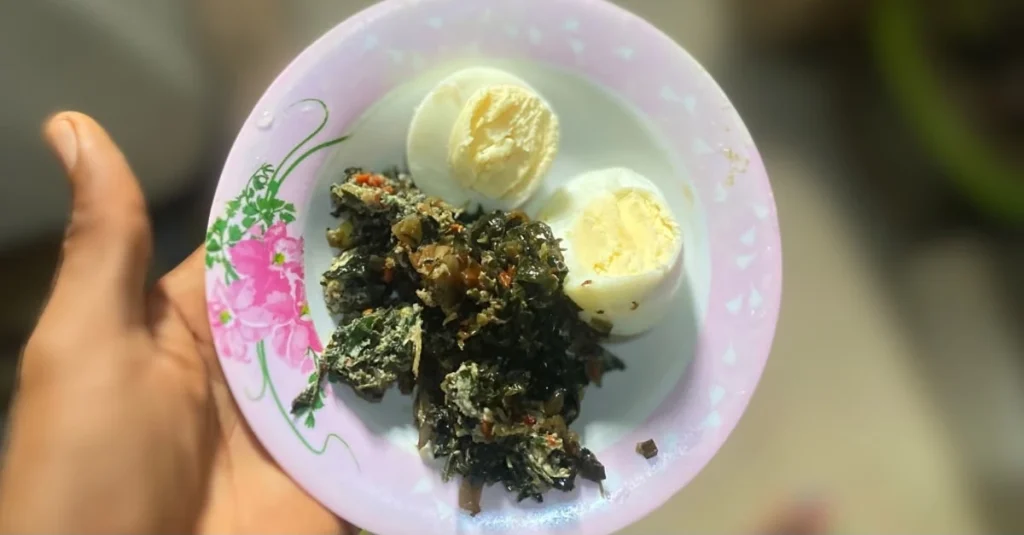
5. Beans
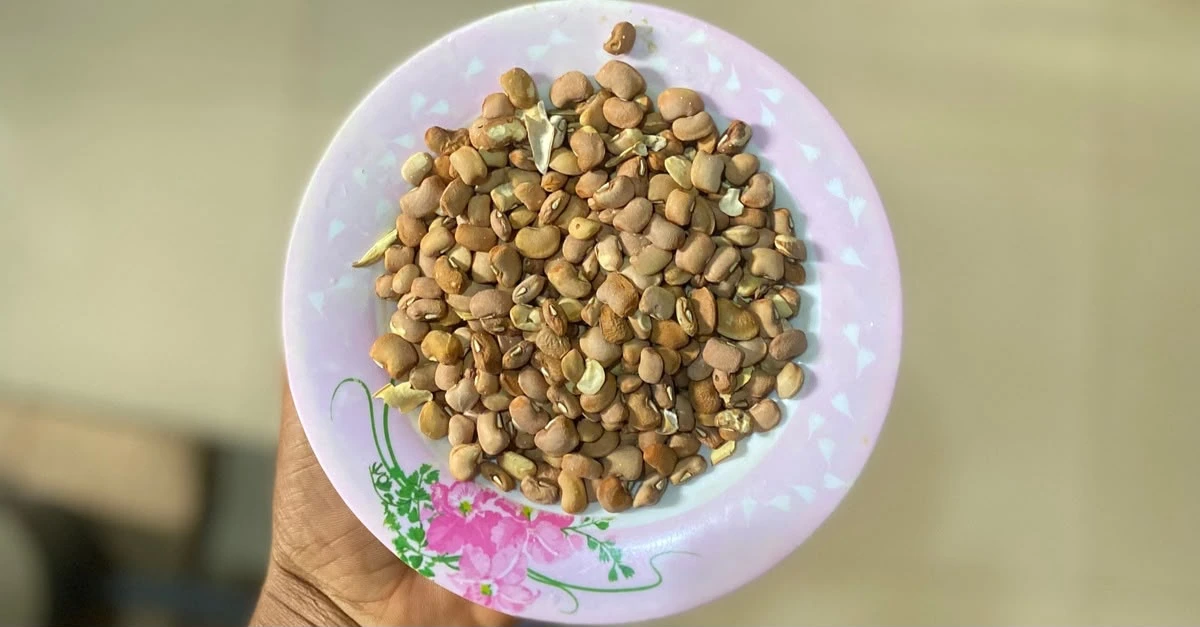
Beans are an affordable and versatile way to add more protein and fiber to your diet. Varieties such as kidney beans, black beans, pinto beans, and black-eyed peas can all contribute to a balanced meal.
A cooked cup provides roughly 15 grams of protein, although the amount varies by type. Beans also provide fiber, complex carbohydrates, vitamins, and minerals, making them a filling addition to meals.
You can add beans to rice, salads, soups, stews, wraps, or serve them alongside vegetables and other protein-rich foods.
Easy ways to eat beans:
- Beans with rice and vegetables
- Beans and boiled eggs
- Bean salad with vegetables
- Beans with chicken or fish
- Bean and vegetable stew
Protein: Roughly 15 g per cooked cup, depending on the type.
6. Cottage Cheese
Cottage cheese is a convenient high-protein food that fits well into a muscle-building diet.
A half-cup serving provides around 12–14 grams of protein, depending on the brand and variety. It also provides calcium and other nutrients.
You can enjoy cottage cheese on its own, pair it with fruit or berries, or add it to meals to increase your protein intake. Check the nutrition label, as protein and calorie content can vary between brands.
Easy ways to eat cottage cheese:
- With berries or fruit
- With nuts and seeds
- On whole-grain toast
- Added to scrambled eggs
- Blended into a smoothie
Protein: About 12–14 g per half-cup serving, depending on the brand.
7. Lentils
Lentils are an affordable plant-based protein that can help increase your protein and fiber intake.
A cooked cup provides roughly 18 grams of protein, along with fiber, iron, folate, and other nutrients. They’re also naturally low in fat and easy to add to a variety of meals.
You can use lentils in soups, stews, curries, salads, or serve them with rice and vegetables.
Easy ways to eat lentils:
- Lentil soup with vegetables
- Lentils with rice
- Lentil and bean stew
- Lentil salad with vegetables
- Lentils served with eggs or fish
Protein: About 18 g per cooked cup.
8. Tuna
Tuna is a convenient high-protein food that can help you increase your protein intake without too much preparation.
A 100-gram serving of canned tuna provides roughly 25–30 grams of protein, depending on the variety and packaging. It also provides nutrients such as selenium and vitamin B12.
You can keep canned tuna in your pantry and quickly add it to salads, sandwiches, wraps, or other meals. When choosing canned tuna, check the nutrition label for sodium and whether it is packed in water or oil. It’s also a good idea to vary your seafood choices rather than relying on tuna every day.
Easy ways to eat tuna:
- Tuna and vegetable salad
- Tuna with whole-grain toast
- Tuna and bean salad
- Tuna with eggs and vegetables
- Tuna wrap with vegetables
Protein: Roughly 25–30 g per 100 g serving, depending on the type and preparation.
9. Milk
Milk is an easy way to add protein to your diet and can be enjoyed on its own or added to meals and snacks.
A cup of cow’s milk provides roughly 8 grams of protein, along with nutrients such as calcium, vitamin B12, and phosphorus. You can add it to oatmeal, smoothies, cereal, or use it as part of a protein-rich breakfast.
If you choose plant-based milk, check the nutrition label because protein content varies considerably between products. Soy milk, for example, is generally higher in protein than many other plant-based options.
Easy ways to include milk:
- Add it to oatmeal
- Blend it into a smoothie
- Drink it with breakfast
- Use it in overnight oats
- Add it to cereal with fruit and nuts
Protein: About 8 g per cup of cow’s milk.
10. Lean Beef
Lean beef can be a useful addition to a muscle-building diet, providing plenty of protein along with nutrients such as iron, zinc, and vitamin B12.
A 100-gram serving of cooked lean beef provides roughly 25–30 grams of protein, depending on the cut and preparation method. Choose leaner cuts when possible and vary your protein sources to keep your diet balanced.
Easy ways to eat lean beef:
- Grilled with vegetables and potatoes
- Beef and vegetable stir-fry
- Lean beef with rice and beans
- Beef strips in a whole-grain wrap
Protein: Roughly 25–30 g per 100 g cooked serving.

How Much Protein Do You Need to Build Muscle?
Knowing which foods contain protein is useful, but how much protein do you actually need to build muscle?
Your protein needs depend on factors such as your body weight, activity level, training routine, and goals. For people who regularly participate in resistance training, research suggests that around 1.4–2.0 grams of protein per kilogram of body weight per day can support muscle growth and maintenance.
For example, someone weighing 70 kg might aim for roughly 98–140 grams of protein per day.
You don’t need to hit the same number every day. Think of your target as a guide and focus on consistently getting enough protein from a variety of foods.
Spreading your protein intake across meals and snacks can also make it easier to reach your daily target without trying to consume most of it at once.
For more detailed information, the International Society of Sports Nutrition’s position stand on protein and exercise provides an in-depth review of protein intake for active individuals.
How to Get 100 Grams of Protein a Day From Food
Getting 100 grams of protein a day can sound difficult at first, but it becomes much easier when you spread your intake across several meals and snacks.
You don’t need huge portions or protein shakes. Instead, combine several protein-rich foods throughout the day.
For example:
- Breakfast: 3 eggs + 1 cup of milk = about 26 g
- Morning snack: Greek yogurt = about 17 g
- Lunch: 100 g cooked chicken breast + rice and vegetables = about 30 g
- Afternoon snack: ½ cup cottage cheese = about 13 g
- Dinner: 1 cup cooked beans with vegetables = about 15 g
That’s roughly 101 grams of protein for the day.
These numbers are estimates and can vary by portion size, preparation method, brand, and food choice. Use nutrition labels when available.
You can also swap foods based on your preferences, for example, fish instead of chicken or lentils for beans. The goal is to include a good source of protein throughout the day and stay consistent.
Easy High-Protein Snacks for Muscle Building
High-protein snacks can help you spread your protein intake throughout the day and make it easier to reach your daily target.
Here are some simple options:
- Boiled eggs: An easy snack between meals.
- Greek yogurt: Add fruit, oats, nuts, or seeds.
- Cottage cheese: Pair with fruit or whole-grain toast.
- Milk: Drink it on its own or add it to a smoothie.
- Tuna: Combine with whole-grain crackers or vegetables.
- Beans: A simple source of protein and fiber.
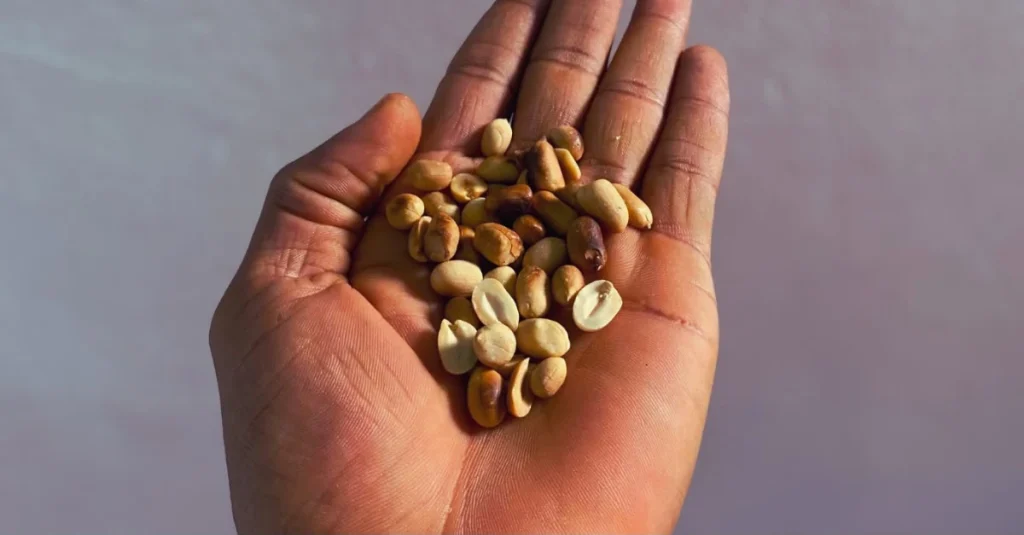
- Nuts and seeds: Provide protein and healthy fats, but are relatively calorie-dense.
- Cheese: Pair with fruit or whole-grain crackers.
You don’t need to eat all of these. Choose options that fit your preferences, budget, and routine. Most importantly, focus on your total daily protein intake rather than relying on any single snack.
How to Add More Protein to Your Diet
Knowing which foods are high in protein is one thing; eating enough of them consistently is another.
You don’t need to overhaul your diet. Start by adding protein to the meals you already enjoy. For example, you can add eggs to breakfast, Greek yogurt to oats or fruit, chicken or fish to lunch or dinner, and beans or lentils to rice, soups, or stews.
Another simple approach is to build your meals around a protein source first, then add vegetables, whole grains or other carbohydrates, and healthy fats.
You don’t need a perfect diet to build muscle. Focus on making consistent, nutritious choices that help you meet your protein needs.
Final Thoughts
Eating the right high-protein foods for muscle building after 30 can help you preserve lean muscle, recover more effectively, and support your long-term health.
Whether you choose eggs, chicken, fish, dairy, beans, or plant-based proteins, consistency matters more than perfection.
Pair a protein-rich diet with regular strength training, quality sleep, and proper hydration to get the best results. Small, sustainable habits practiced every day are far more effective than drastic changes that are difficult to maintain.
Join the Conversation
What are your favorite high-protein foods for building muscle after 30? Have you noticed a difference since increasing your protein intake?
We’d love to hear your tips, experiences, or favorite recipes!