The Best Strength Training Exercises After 30: A Complete Guide
Table of Contents
ToggleHave you ever wondered if it is still possible to build strength and muscle after the age of 30?
Maybe you have noticed that your body doesn’t respond to workouts the same way it did in your 20s. You may feel like recovery takes longer, certain exercises feel more challenging, or the routines that once worked for you no longer produce the same results.
I experienced some of these changes myself. I realized that staying fit after 30 was not about trying to do what I did years earlier. It was about understanding my body better, training with more purpose, and focusing on exercises that provided long-term benefits.
The truth is, turning 30 does not mean your best fitness years are behind you. With the right approach, strength training can help you build muscle, improve your physical performance, support healthy aging, and maintain confidence in your body.
The key is learning how to train smarter.
In this guide, I will share the best strength training exercises after 30, why they are important, the benefits they provide to your body, and how to incorporate them into your fitness routine.
Why Strength Training Becomes More Important After 30
After the age of 30, maintaining muscle and strength becomes increasingly important.
As we get older, adults can experience gradual changes in muscle mass, strength, metabolism, and recovery. Without regular strength training, these changes can affect how we move, perform daily activities, and maintain an active lifestyle.
This is why strength training is not only for people who want to build bigger muscles. It is a powerful tool for supporting overall health and quality of life.
Research has shown that resistance training can help improve muscle strength, physical function, and body composition.
According to the World Health Organization, adults should include muscle-strengthening activities involving major muscle groups on two or more days per week as part of their regular physical activity. These activities provide additional health benefits and support overall health.
For adults over 30, strength training can help:
- Maintain and build lean muscle
- Improve strength for everyday activities
- Support bone health
- Improve balance and stability
- Increase confidence and physical ability
- Support a healthier metabolism
When I started taking strength training more seriously, I realized the goal was not just about appearance. It was about building a body that could support my lifestyle for years to come.
If you are starting your journey, read my complete guide: Strength Training After 30: A Complete Guide
What Makes a Good Strength Training Exercise After 30?
Not every exercise needs to be complicated to be effective.
Some of the best strength training exercises after 30 are based on movement patterns that your body uses every day.
A good exercise should:
- Train Multiple Muscle Groups: Exercises that work multiple muscles at once help you build overall strength more efficiently. For example, squats do not only train your legs. They also challenge your core, balance, and coordination.
- Improve Functional Strength: Functional exercises help you become stronger for real-life activities such as lifting objects, climbing stairs, carrying groceries, and moving confidently.
- Allow Safe Progression: The best exercises are movements you can improve over time by increasing weight, repetitions, or control. Progress does not happen overnight. It comes from consistently challenging your body while maintaining proper form.
- Match Your Fitness Level: A beginner, intermediate, and advanced lifter may perform the same exercise differently.
For example:
- A beginner may start with bodyweight squats.
- An intermediate lifter may use dumbbells.
- An advanced lifter may perform barbell squats.
The goal is not to compare yourself with others. The goal is to improve from where you are.
Compound vs Isolation Exercises After 30
When building a strength training routine after 30, compound exercises should form the foundation.
Compound exercises involve multiple joints and muscle groups working together.
Examples include:
- Squats
- Deadlifts
- Push-ups
- Rows
- Shoulder presses
- Lunges
These movements help you build overall strength and improve coordination.
Isolation exercises focus mainly on one muscle group.
Examples include:
- Bicep curls
- Tricep extensions
- Front raises
- Lateral raises
Isolation exercises can still be useful, especially when you want to strengthen specific muscles or improve muscle balance.
A balanced program often includes both.
For example, you might perform squats and rows as your main strength movements, then add exercises like lateral raises or curls afterward.
Best Strength Training Exercises After 30
1. Squats
Muscles Worked:
- Quadriceps
- Glutes
- Hamstrings
- Core
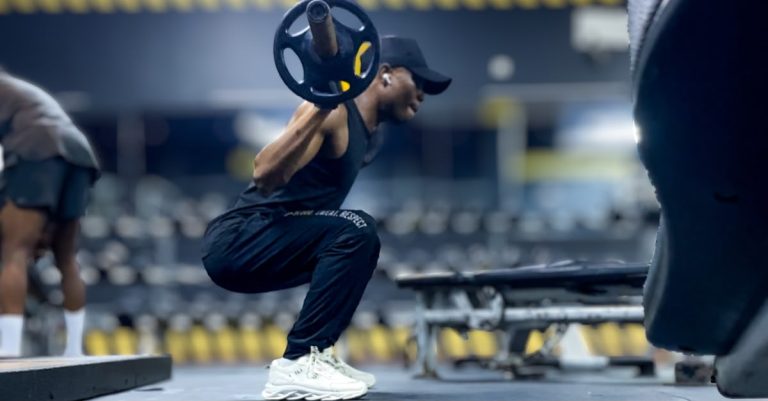
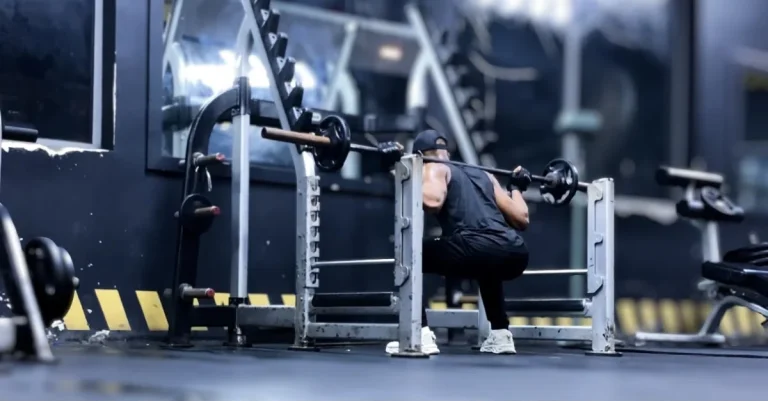
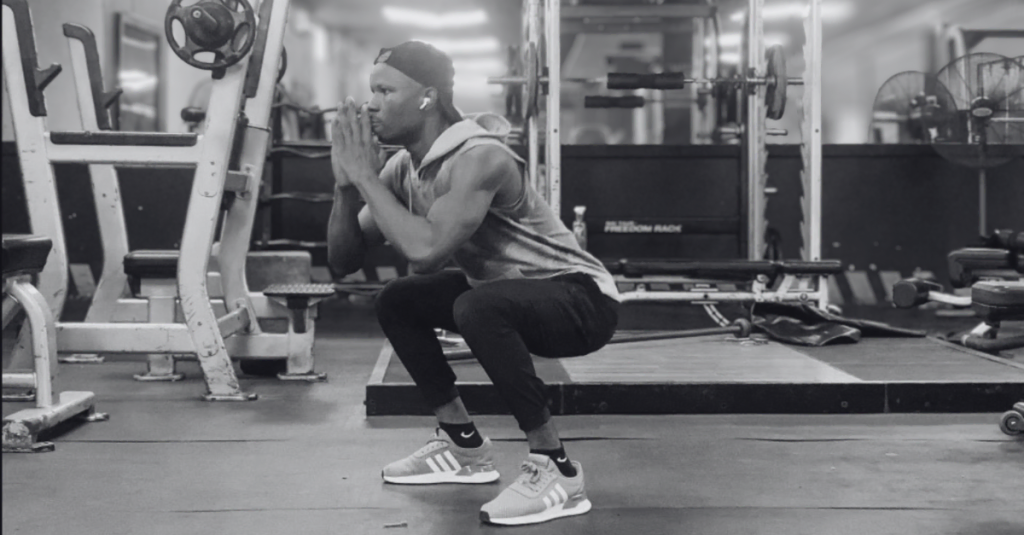
Squats are one of the most effective strength training exercises you can do after 30.
This movement trains your lower body while also improving balance, coordination, and core stability. Squats are also considered a functional movement because they closely resemble everyday activities such as sitting down, standing up, and lifting objects from the ground.
When I started focusing more on strength training, I realized that strong legs were not just important for workouts. They helped me feel more capable during everyday activities and gave me a stronger foundation for other exercises.
The key to getting the most benefits from squats is not simply adding more weight. Proper form, controlled movement, and gradual progression matter more.
Benefits of Squats After 30:
- Helps maintain lower-body strength
- Supports mobility and balance
- Builds stronger hips and legs
- Improves overall movement ability
- Helps create a strong foundation for other exercises
Squat Variations:
Beginner:
- Bodyweight squats
- Chair squats
- Box squats
Intermediate:
- Goblet squats
- Dumbbell squats
Advanced:
- Barbell back squats
- Front squats
2. Push-Ups
Muscles Worked:
- Chest
- Shoulders
- Triceps
- Core
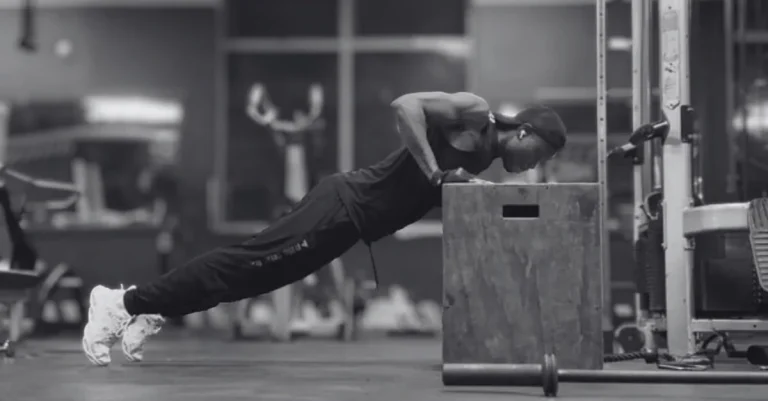
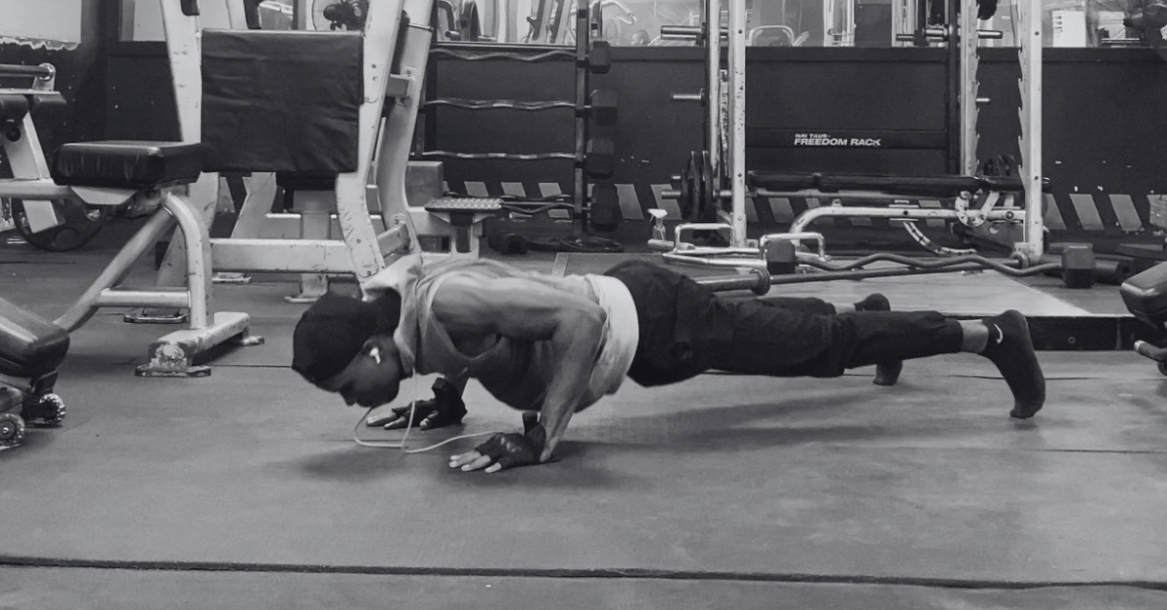
Push-ups are one of the simplest yet most effective upper-body strength exercises.
Although they require no equipment, they challenge multiple muscles at the same time and help improve pushing strength, stability, and body control.
Many people overlook push-ups because they seem basic, but mastering your own body weight is an important part of building strength after 30.
A well-performed push-up requires more than just moving your arms. Your core, shoulders, and lower body all work together to maintain proper alignment.
Benefits of Push-Ups After 30:
- Builds upper-body strength
- Improves shoulder stability
- Strengthens the core
- Requires no gym equipment
- Can be modified for any fitness level
Push-Up Variations:
Beginner:
- Wall push-ups
- Incline push-ups
- Knee push-ups
Intermediate:
- Standard push-ups
- Slow tempo push-ups
Advanced:
- Decline push-ups
- Weighted push-ups
3. Deadlifts
Muscles Worked:
- Hamstrings
- Glutes
- Lower back
- Core
- Upper back
Deadlifts are one of the best exercises for developing total-body strength.
They train the important movement pattern of lifting something from the ground, which is something we do regularly in daily life.
However, deadlifts require attention to technique. Many people make the mistake of trying to lift heavy weight before learning proper form.
When I began paying more attention to exercise technique, I learned that quality movement is more important than simply increasing the amount of weight lifted.
Benefits of Deadlifts After 30:
- Builds full-body strength
- Strengthens the posterior chain
- Improves lifting ability
- Supports better movement patterns
- Helps develop power and stability
Beginner Alternatives:
- Hip hinges
- Romanian deadlifts with light weights
- Kettlebell deadlifts
Important Tips:
- Keep your back neutral
- Engage your core
- Move with control
- Increase weight gradually
4. Dumbbell Rows
Muscles Worked:
- Upper back
- Lat muscles
- Rear shoulders
- Biceps
Dumbbell rows are an excellent pulling exercise that helps balance your workout routine.
Many people focus heavily on pushing exercises such as push-ups and presses, but forget the importance of strengthening their back.
A strong back supports posture, shoulder health, and overall upper-body strength.
This became especially important to me because modern lifestyles often involve long periods of sitting, working at computers, and scrolling on devices.
Benefits of Dumbbell Rows After 30:
- Strengthens the back muscles
- Supports better posture
- Improves pulling strength
- Helps balance upper-body training
Row Variations:
- Single-arm dumbbell rows
- Bent-over rows
- Cable rows
- Resistance band rows
A balanced strength routine should include both pushing and pulling movements.
5. Shoulder Press
Muscles Worked:
- Shoulders
- Triceps
- Upper chest
- Core
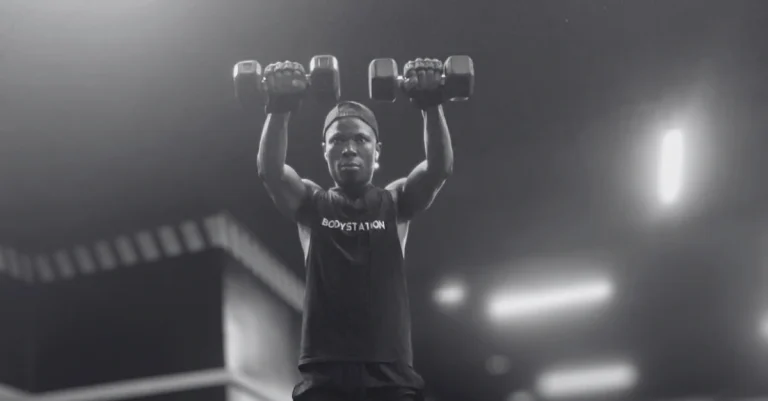
The shoulder press is one of the best exercises for building upper-body strength.
It helps develop stronger shoulders and improves your ability to perform overhead movements.
After 30, maintaining shoulder strength and mobility becomes important because strong shoulders support many daily activities, from lifting objects to carrying items.
Benefits of Shoulder Press:
- Builds shoulder strength
- Improves upper-body stability
- Strengthens supporting muscles
- Develops functional pressing ability
Variations:
- Dumbbell shoulder press
- Seated shoulder press
- Barbell overhead press
Dumbbells can be especially useful because they allow each side of your body to work independently.
Related article: Full Shoulder Workout With Dumbbell After 30
6. Lunges
Muscles Worked:
- Quadriceps
- Glutes
- Hamstrings
- Core
Lunges are excellent for improving lower-body strength, balance, and coordination.
Unlike exercises where both feet stay in the same position, lunges challenge each leg individually, helping improve stability and muscle control.
Benefits of Lunges After 30:
- Improves balance
- Strengthens the legs
- Supports mobility
- Helps correct muscle imbalances
Variations:
- Walking lunges
- Reverse lunges
- Dumbbell lunges
- Split squats
7. Planks
Muscles Worked:
- Core
- Shoulders
- Lower back
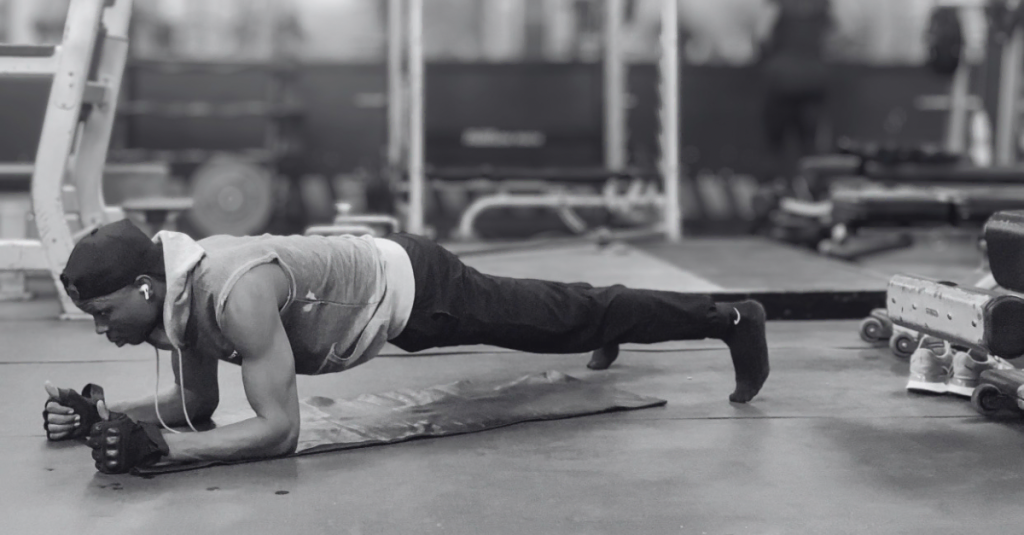
A strong core supports almost every movement you perform.
Planks are a simple exercise, but they challenge your ability to maintain control and stability.
A stronger core can help improve exercise performance and support better posture.
Benefits of Planks After 30:
- Improves core endurance
- Supports stability
- Helps improve movement control
- Requires no equipment
Plank Variations:
- Standard plank
- Side plank
- Shoulder tap plank
- Elevated plank
Remember, a strong core is not only about appearance. It is about creating a stable foundation for movement.
How Many Days Should You Strength Train After 30?
One of the most common questions people ask is: “How often should I strength train after 30?”
The answer depends on your fitness level, goals, schedule, and ability to recover. However, for most adults, strength training 2–4 days per week can be an effective approach.
The goal is not to train every day. The goal is to create a routine that you can maintain consistently.
When I started focusing more on long-term fitness, I realized that a realistic plan was more effective than an extreme routine that is difficult to maintain.
A balanced weekly schedule could look like this:
Beginner Strength Training Plan (3 Days Per Week)
Day 1: Full Body Strength
- Squats
- Push-ups
- Dumbbell rows
- Planks
Day 2: Full Body Strength
- Lunges
- Shoulder press
- Deadlifts
- Core exercises
Day 3: Full Body Strength
- Goblet squats
- Push-ups
- Rows
- Mobility exercises
The most important factor is consistency. A workout routine you can follow for months and years will always be more effective than a program you quit after a few weeks.
Common Strength Training Mistakes After 30
Strength training can transform your body, but some common mistakes can slow your progress.
Over the years, I learned that many strength-training mistakes are not caused by a lack of effort. Sometimes, they stem from misunderstanding how to train effectively, recover properly, and progress safely.
For a deeper understanding, I covered my personal lessons in more detail in My Strength Training Mistakes After 30
1. Trying to Lift Too Heavy Too Soon
One mistake many people make is focusing more on the amount of weight they lift rather than the quality of their movement.
Heavy weights can be useful, but only when you have developed proper technique and control.
Building strength is a process. Start with a weight you can handle safely, then gradually increase the challenge over time.
2. Ignoring Recovery
A workout is only part of the process.
Your body needs time to repair and adapt after training. Without recovery, you may experience fatigue, reduced performance, and difficulty staying consistent.
Recovery includes:
- Quality sleep
- Proper nutrition
- Rest days
- Mobility work
- Stress management
I learned that recovery was one of the biggest factors in improving my consistency.
For a deeper understanding, read Why Recovery Matters More After 30
3. Neglecting Mobility and Warm-Ups
Many people want to jump straight into lifting without preparing their bodies.
A proper warm-up can help increase blood flow, improve movement quality, and prepare your muscles for exercise.
A simple warm-up can include:
- Light cardio
- Dynamic stretches
- Mobility movements
- Practice sets with lighter weight
4. Not Eating Enough Protein
Strength training creates the stimulus, but nutrition provides the building blocks your body needs to recover.
Protein plays an important role in muscle repair and maintenance.
According to the International Society of Sports Nutrition, consuming adequate protein alongside resistance training supports muscle protein synthesis and can help promote muscle growth, repair, and exercise performance.
For a comprehensive understanding, read Protein After 30: Why It Matters for Muscle and Fat Loss
Strength Training and Recovery After 30
As you age, recovery becomes an important part of your training strategy.
The best strength training program is not only the one that challenges you. It is the one your body can recover from.
Some recovery habits that support strength progress include:
Prioritize Sleep
Sleep plays an important role in muscle repair, energy levels, and workout performance.
If your sleep quality is affecting your fitness progress, read:
Stay Consistent With Nutrition
Focus on:
- Enough protein
- Whole foods
- Healthy carbohydrates
- Fruits and vegetables
- Proper hydration
Learn more: Nutrition After 30: A Complete Guide
Listen to Your Body
Not every workout needs to be your hardest.
Pay attention to signs such as:
- Constant tiredness
- Decreased performance
- Persistent soreness
- Lack of motivation
Adjusting your training when needed helps you stay consistent for the long term.
For a balance between training stress and recovery. Visit my guide on Strength Training Recovery Tips After 30, where I explain how sleep, nutrition, rest days, and recovery habits can improve your results.
Frequently Asked Questions
Can you build muscle after 30?
Yes. You can build muscle after 30 with consistent strength training, proper nutrition, enough protein, and adequate recovery.
Your approach may need to become smarter, but age does not prevent you from improving your strength.
What are the best strength exercises after 30?
Some of the best strength exercises after 30 include:
- Squats
- Push-ups
- Deadlifts
- Rows
- Shoulder presses
- Lunges
- Planks
These movements train multiple muscle groups and help improve overall strength.
How long does it take to see results from strength training after 30?
Results vary depending on your consistency, workout program, nutrition, and recovery habits.
Many people begin to notice improvements in strength within several weeks, while visible muscle changes take longer.
The key is staying consistent.
Should I do cardio or strength training after 30?
Both have benefits.
Strength training helps build and maintain muscle, while cardio supports heart health and endurance.
A balanced fitness routine includes both strength training and cardiovascular exercise.
Final Thoughts
Strength training after 30 is not about trying to return to your younger self.
It is about building a stronger, healthier, and more capable version of yourself today.
I learned that progress does not come from doing the most extreme workouts. It comes from choosing effective exercises, training consistently, recovering properly, and respecting the process.
The best strength training routine is the one you can follow for years.
Start with the basics. Master your movements. Increase the challenge gradually. Give your body the recovery it needs.
Your future self will thank you.
Join the Conversation
What is your favorite strength training exercise after 30?
Have you noticed any changes in your body, recovery, or workout routine as you got older? Share your experience in the comments below. Your story may help someone else on their fitness journey.