My Protein Mistakes After 30: What I Learned
Table of Contents
ToggleAre you getting enough protein, or are you making the same mistakes I made?
I remember my early fitness days, when I first started paying more attention to what I ate. I knew protein was important for building and maintaining muscle, but knowing that was not the same as getting it right.
At first, I thought eating more protein would automatically lead to better results. But I didn’t realize that it doesn’t work that way. Over time, I learned that the types of protein foods I chose and how they fit into my overall diet also mattered.
These experiences changed the way I think about protein and fitness after 30.
In this article, I’ll share the protein mistakes I made after 30, what I learned from them, and the simple changes that helped me approach protein differently.
Why Protein Matters More After 30
As we get older, maintaining muscle becomes more important. Muscle helps us stay strong, move well, and carry out everyday activities.
Protein provides the building blocks our body needs to build and maintain muscle. This is especially important if you exercise regularly or do strength training. Understanding why protein matters for muscle and fat loss can also help you make better decisions about your diet and fitness goals.
However, getting enough protein is not simply about eating as much as possible. Your protein needs depend on factors such as your body size, activity level, and fitness goals.
For me, this was one of the first lessons I learned. I used to think that if some protein was good, then more protein must be better. With time, I realized that getting the right amount and choosing nutritious protein sources were more important than trying to eat as much protein as I could.
This understanding helped me recognize some of the mistakes I was making and change the way I approached my diet and training after 30.
7 Protein Mistakes I Made After 30
I used to think that eating more protein was all I needed to support my muscle and fitness goals. But over time, I realized that how, when, and what I ate mattered too.
Here are seven protein mistakes I made and what I learned from them.
1: Not Eating Enough Protein
One of the biggest protein mistakes I made was not eating enough.
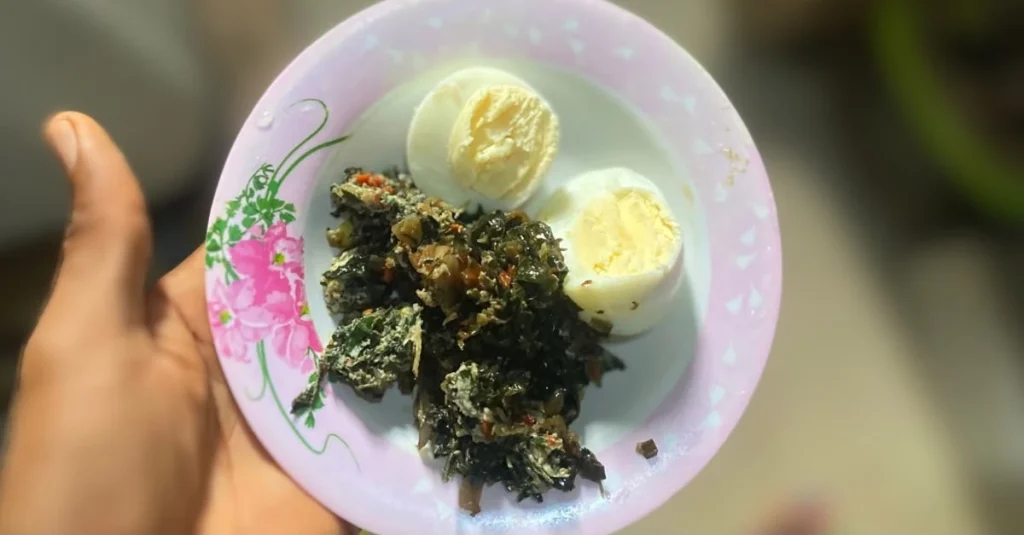
I knew protein was important, but I didn’t pay attention to how much I was getting from my meals. I normally eat foods like eggs, fish, chicken, or other protein-rich foods, but that didn’t mean I was getting enough protein for my needs.
This is an important difference.
And the truth is, your protein needs depend on several factors, including your body size, activity level, and fitness goals. If you exercise regularly, especially with strength training, getting enough protein can support muscle repair and growth.
What I learned was simple: I needed to stop assuming I was eating enough protein and start paying attention to my overall intake.
That did not mean I had to depend on protein shakes or eat huge amounts of meat. It meant making protein a more consistent part of my meals and choosing good protein sources throughout the day.
For me, that was a much better approach than trying to eat more protein whenever I remembered.
2: Leaving Most of My Protein for One Meal
Another mistake I made was eating very little protein during the day and then having most of it in one meal.
For example, I might eat a breakfast or lunch that was low in protein and then try to make up for it with a larger protein-rich dinner.
Over time, I realized it was easier to meet my overall protein needs when I included a good source of protein in my meals instead of leaving most of it until later in the day.
This does not mean you need to eat protein at exact times or follow a complicated meal schedule. Your total daily protein intake is still important, but spreading protein across meals can be a practical way to make sure you are eating enough throughout the day.
What I changed was simple: I started thinking about protein when planning each meal instead of trying to catch up at dinner.
That small change made my approach to eating feel more balanced and easier to maintain.
3: Thinking More Protein Always Meant Better Results
At one point, I believed that eating more protein would automatically lead to better results.
If protein helped build and maintain muscle, I thought eating as much as possible would help me build more muscle. But over time, I learned that fitness and muscle growth are not that simple.
Protein is important, but it is only one part of the bigger picture. Strength training, total food intake, recovery, sleep, and consistency also play important roles in supporting your fitness goals.
Your body also has individual protein needs based on factors such as your body size, activity level, and goals. The International Society of Sports Nutrition explains that protein needs can vary depending on your exercise and training demands.
What I learned was that I didn’t need to chase extremely high amounts of protein. Instead, I needed to focus on getting enough protein while also paying attention to my overall diet and training.
More is not always better. A balanced and consistent approach made more sense for me.
4: Focusing Too Much on Protein and Ignoring the Bigger Picture
Another mistake I made was focusing so much on protein that I did not always pay enough attention to the rest of my diet.
Protein is important for building and maintaining muscle, but it is not the only nutrient that matters. Your body also needs carbohydrates, healthy fats, vitamins, minerals, and other nutrients to support your health and physical activity.
For example, if you strength train regularly, eating enough protein alone will not replace the energy you need from other foods. A balanced diet can help support your training, recovery, and overall health.
What I learned was that I didn’t need to turn every meal into a race to get as much protein as possible. Instead, I started thinking about how protein fit into my overall diet.
Protein-rich foods can be an important part of a healthy diet, but they should not push other nutritious foods off your plate. For me, focusing on a more balanced approach was easier to maintain than obsessing over protein alone.
5: Relying Too Much on Protein Supplements
Another mistake I made was thinking protein supplements were the easiest answer to getting enough protein.
Protein shakes can be convenient, especially when you are busy or find it difficult to meet your protein needs through regular meals. But over time, I realized that supplements shouldn’t replace nutritious whole foods.
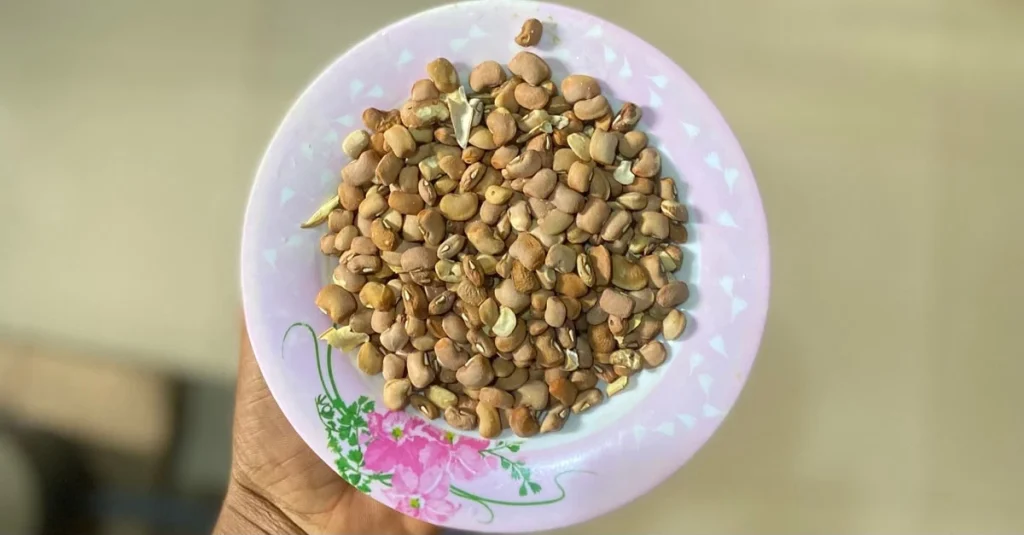
Foods such as eggs, fish, chicken, milk, Greek yogurt, beans, and other protein-rich foods can provide protein along with other important nutrients.
What I learned was that protein supplements can be useful, but they are not the best way to build or maintain muscle. People can meet their protein needs through a varied diet, while supplements can provide a convenient option when needed.
These days, I see protein powder as a tool rather than something I must depend on. I focus mainly on getting protein from my regular meals and use supplements when needed.
6: Ignoring Protein at Breakfast
Another mistake I made was not paying much attention to protein at breakfast.
Some mornings, I eat foods that don’t provide much protein. Then I would leave most of my protein intake for later in the day.
Over time, I realized that including a good source of protein at breakfast made it easier for me to meet my overall protein needs. It also meant I wasn’t trying to catch up with most of my protein at dinner.
This does not mean everyone needs a high-protein breakfast or that there is one perfect time to eat protein. Your total daily protein intake and overall diet still matter most.
For me, thinking about protein earlier in the day made my meals more balanced and my approach easier to maintain. Research has also explored whether getting more protein at breakfast may support muscle health, although more high-quality research is still needed.
Simple options such as eggs, Greek yogurt, milk, fish, beans, or other protein-rich foods can help you include more protein in your breakfast.
The lesson I learned was simple: I did not have to wait until later in the day to start thinking about protein.
7: Thinking Protein Could Do the Work Without Proper Training
Another mistake I made was focusing so much on protein that I sometimes forgot about training.
I learned that eating protein alone does not automatically build muscle. Your muscles also need a reason to adapt, and strength training provides that stimulus.
When you combine resistance training with adequate protein, the two work together to support muscle protein synthesis and muscle growth.
This changed the way I looked at my meals. Instead of thinking, “I need more protein,” I started asking a bigger question: Am I training consistently and eating in a way that supports my training?
Protein is important, but it cannot replace a good workout routine. If your goal is to build or maintain muscle after 30, your nutrition and training should work together.
That was one of the most useful lessons I learned: protein supports the work, but it doesn’t replace the work.
How Much Protein Do You Need After 30?
One question I had to learn to answer was: How much protein do I actually need?
There isn’t a single number that is right for everyone. Your protein needs can depend on your body weight, activity level, training, and fitness goals.
For people who exercise regularly, especially those who do resistance training, the International Society of Sports Nutrition suggests that about 1.4–2.0 grams of protein per kilogram of body weight per day is enough for most exercising individuals.
For example, a person who weighs 70 kg may need roughly 98–140 grams of protein per day if they exercise regularly.
But you do not have to become obsessed with counting every gram. The most important thing is to understand your general needs and consistently include good protein sources in your meals.
If you have a medical condition that affects your diet or you were advised to limit protein, speak with a qualified health professional before increasing your intake.
For me, the biggest lesson was that getting enough protein consistently mattered more than constantly trying to eat more.
Best Protein Foods to Include After 30
After learning from my protein mistakes, I also became more intentional about the foods I used to get my protein.
You do not need expensive foods or supplements to include protein in your diet. There are many options, and the best choice depends on your preferences, budget, and overall diet.
Some good protein-rich foods include:
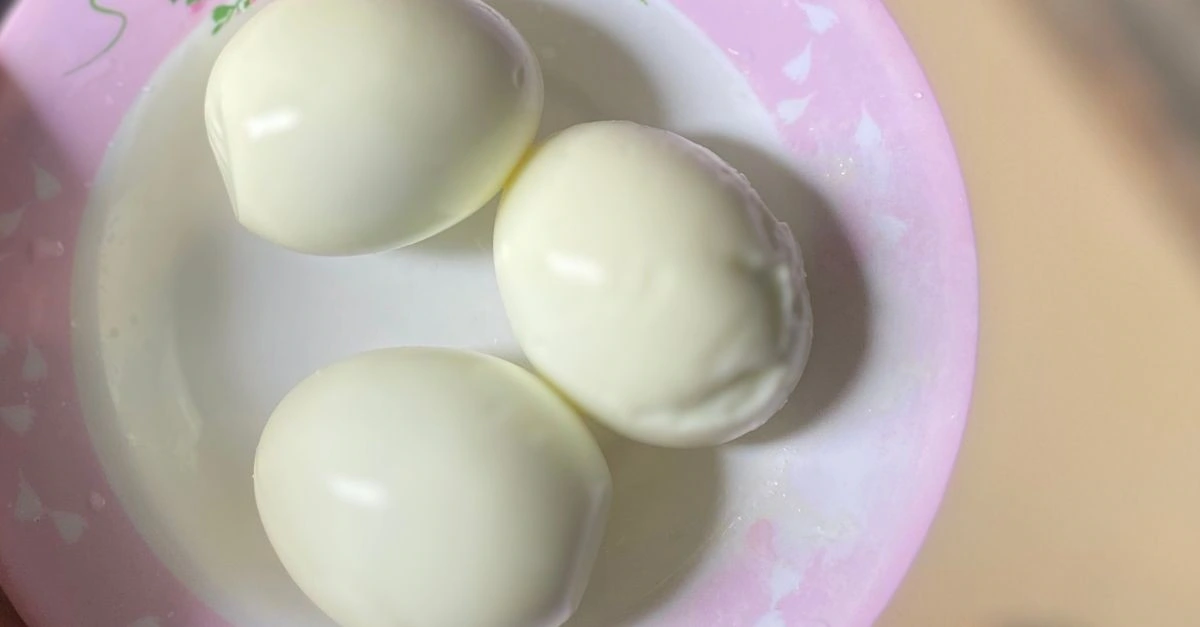
- Eggs
- Fish, such as sardines, tuna, mackerel, and other local fish
- Chicken
- Lean meat
- Milk and Greek yogurt
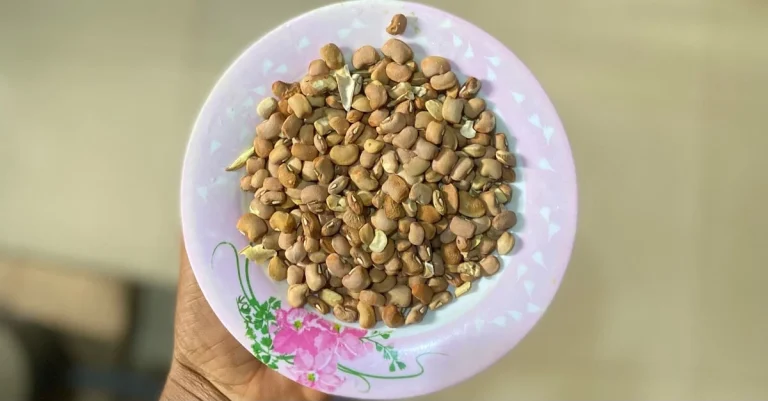
- Beans and other legumes
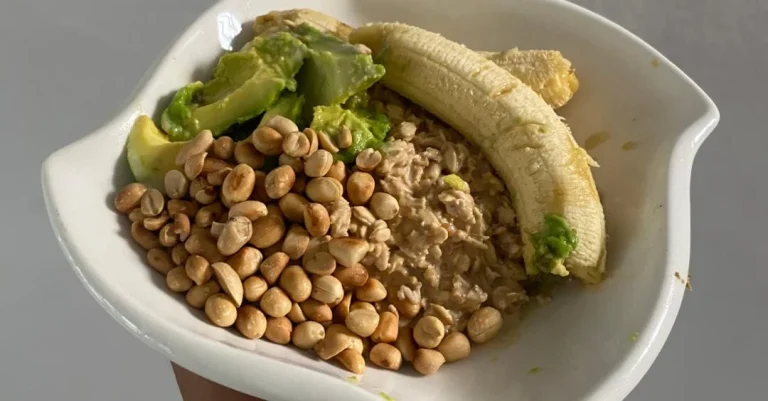
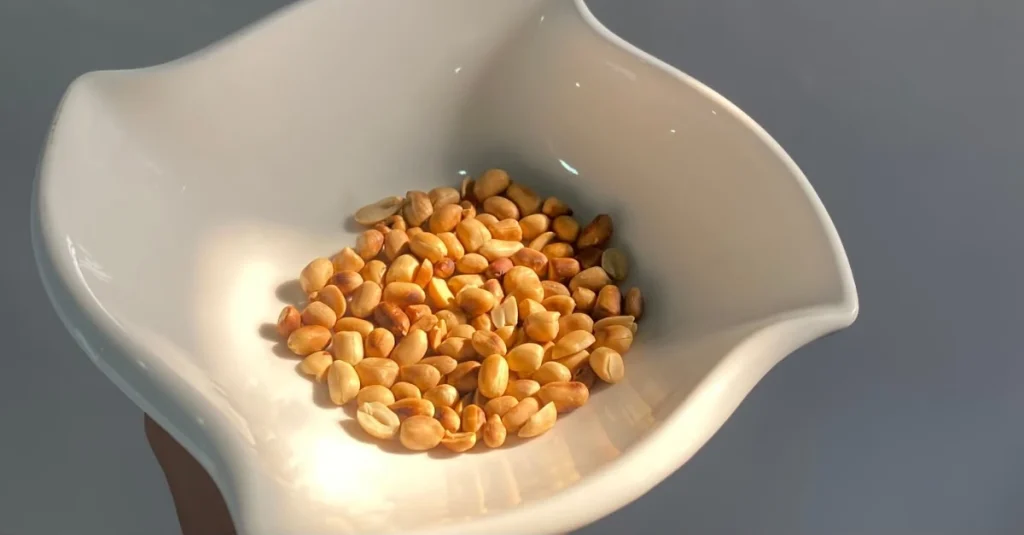
- Groundnuts and other nuts
- Soy foods
Plant foods such as beans, nuts, seeds, and whole grains can contribute protein, while foods such as fish, poultry, eggs, and dairy are also useful protein sources. Choosing a variety of protein foods can help you get other important nutrients.
I also learned to look beyond the protein number. A food can provide protein while also bringing other things to your diet, such as fiber, healthy fats, vitamins, or minerals. Harvard’s Nutrition Source describes this as considering the “protein package” rather than looking at protein alone.
For me, the goal became simple: choose nutritious protein foods, include them regularly, and make them part of a balanced diet rather than treating protein as the only thing that matters.
What I Do Differently Now
After making these mistakes, I stopped seeing protein as something I needed to maximize and started looking at it as one part of my overall fitness routine.
Today, I focus on a few simple things:
- I include a protein source in my meals. This makes it easier to meet my daily needs without eating too much at once.
- I choose different protein foods. I include foods such as eggs, fish, chicken, beans, and dairy rather than relying on only one source.
- I pay attention to my overall diet. Protein is important, but I also make room for carbohydrates, healthy fats, fruits, vegetables, and other nutritious foods.
- I stay consistent with strength training. Protein and resistance training work together to support muscle maintenance and growth.
- I don’t chase extremely high protein intake. I focus on getting an amount that makes sense for my body, activity level, and goals.
- I use supplements as a convenience, not a requirement. Most of my protein can come from regular foods.
These changes may sound simple, but that is what I like about them. I no longer feel that I need a complicated diet to get enough protein.
My biggest lesson has been that consistency matters more than trying to get everything perfect.
Final Thoughts
My protein journey after 30 taught me that getting better results is not about eating as much protein as possible. It is about understanding what my body needs and making protein part of a balanced diet and consistent training routine.
I made mistakes, but those mistakes helped me learn what works better for me. I now focus on getting enough protein from a variety of nutritious foods, training consistently, and giving my body enough time to recover.
You do not have to get everything perfect. Start with the basics, stay consistent, and make changes as you learn more about your own needs.
What is one protein mistake you have made, or one thing you have learned about protein after 30? Share your experience in the comments below.
Join the Conversation
Have you experienced any protein mistakes in your own fitness journey after 30?
Share your thoughts in the comments below. I’d love to hear your experience and what changes worked for you.