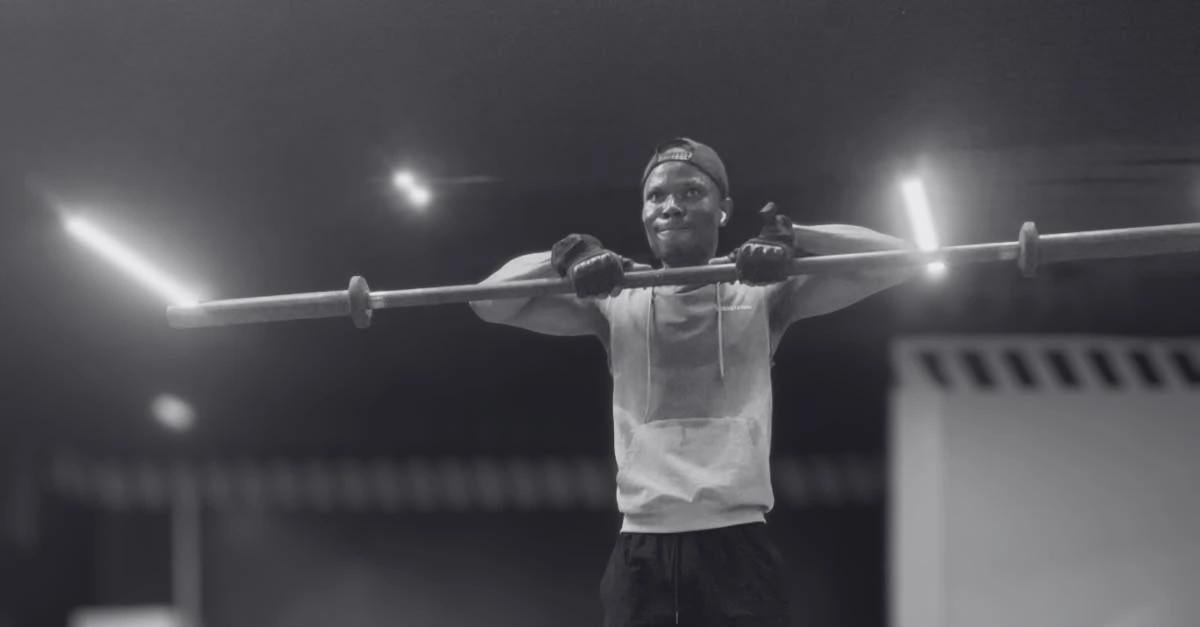
Upright Row: Muscles Worked, Benefits & Proper Form
Table of Contents
ToggleHave you ever performed an upright row and wondered whether you were actually doing it correctly?
I used to think the movement was about pulling the weight as high as possible. But the more I learned about the exercise, the more I realized that the way you grip the weight, control the movement, and choose your range of motion can make a real difference.
The upright row is a resistance exercise commonly used to train the shoulders and upper back. You can perform it with a barbell, dumbbells, a cable machine, or other equipment, which makes it easy to adapt to different workouts.
But there’s also some debate around the exercise. Is it good or bad for your shoulders? Which muscles does it actually work? And is it better than exercises such as lateral raises or shoulder presses?
In this guide, I’ll break down what the upright row is, the muscles it works, how to perform it with proper form, the different variations, its benefits, common mistakes, and how it compares with other upper-body exercises.
What Is an Upright Row?
An upright row is a resistance exercise in which you pull a weight upward in front of your body toward your upper chest. The movement involves lifting the elbows while keeping the weight close to your body.
You can perform the exercise using a barbell, dumbbells, or a cable machine. Your choice of equipment can change how the movement feels and how you control the resistance, but the basic pulling pattern remains similar.
The upright row is generally used as an upper-body exercise, with the shoulders and upper trapezius playing important roles during the movement. Other muscles also contribute to controlling and completing the lift.
Because the exercise involves lifting the arms while the shoulders rotate and move through a range of motion, technique matters. Using a weight that is too heavy or forcing the movement higher than feels comfortable can make it harder to maintain control.
The goal isn’t to pull the weight as high as possible. Controlled movement within a comfortable range of motion is more important than chasing a higher position or heavier load.
What Muscles Does the Upright Row Work?
The upright row primarily works the shoulders and upper trapezius, while the biceps, forearms, and other upper-body muscles assist with the movement. The exact emphasis can vary depending on your grip, equipment, technique, and range of motion.
Here are the muscles involved during an upright row workout.
Shoulders
The deltoids play an important role when you lift your arms upward. The movement can involve different portions of the deltoid, with the lateral deltoids contributing to raising the arms away from the body.
Research on the upright row has found that the exercise activates the anterior, lateral, and posterior deltoids, as well as the upper and middle trapezius and biceps. The study also found that grip width influenced muscle activity, with wider grips increasing activity in the deltoids and trapezius while reducing biceps activity.
If your main goal is to develop the side of your shoulders, however, an upright row isn’t the only option. A movement such as the lateral raise provides more direct shoulder abduction work.
Trapezius
The trapezius, particularly the upper portion, also contributes during the movement. This large muscle spans much of the upper back and helps control movement around the shoulder blades.
The National Center on Health, Physical Activity and Disability (NCHPAD) also identifies the upper trapezius as one of the secondary muscles involved in the upright row, alongside the supraspinatus, biceps, rhomboids, and levator scapulae.
Biceps and Forearms
Your biceps and forearm muscles help control and pull the weight. They aren’t usually considered the main target, but they still contribute to the exercise.
Your grip must also remain secure throughout each repetition, particularly when using a barbell or dumbbells.
So what does the upright row really work most?
If you’re asking “what muscle does the upright row really work?”, the simplest answer is that it mainly trains the deltoids and upper trapezius, with several other muscles assisting.
Instead of thinking of the upright row as an exercise that isolates one particular muscle, it’s more useful to view it as a compound upper-body movement that combines shoulder and upper-back involvement.
This distinction becomes important when comparing the upright row with exercises such as the lateral raise, bent-over row, and shoulder press, which we’ll look at later.

How to Do an Upright Row With Proper Form
The upright row looks simple, but controlled technique is important. Start with a manageable weight and focus on moving smoothly rather than trying to lift as high or as heavy as possible.
Step 1: Set Up
Stand with your feet about shoulder-width apart and hold the weight in front of your thighs. Keep your chest lifted, shoulders relaxed, and core lightly braced.
Your hands should be positioned comfortably on the bar, dumbbells, or cable attachment. You don’t need an excessively narrow grip.
Step 2: Begin the Pull
Pull the weight upward while allowing your elbows to move up and slightly outward. Keep the resistance relatively close to your body as you lift.
Avoid using your legs or swinging your torso to create momentum.
Step 3: Stop at a Comfortable Height
Raise the weight only as high as you can while maintaining good control and a comfortable shoulder position. You don’t have to force the weight toward your chin to make the repetition effective.
The ideal range differs, so comfort and control should guide your stopping point.
Step 4: Lower Slowly
Pause briefly if needed, then lower the weight under control until your arms return to the starting position.
Avoid dropping the weight because the lowering phase is still part of the exercise.
Step 5: Repeat
Perform your desired number of repetitions while maintaining the same controlled technique throughout the set.
If you’re new to resistance training, start with a light load and practice the movement before gradually increasing the resistance.
Form reminder: The goal is not to see how high you can pull the weight. Controlled repetition with a comfortable range of motion is more useful than forcing extra height with heavy resistance.

Upright Row Exercise Variations
The upright row can be performed with different types of equipment. Although the basic pulling pattern stays similar, the equipment can change how the resistance feels and how easily you can control the movement.
Dumbbell Upright Row
The dumbbell upright row is performed by holding a dumbbell in each hand and pulling them upward in front of your body.
One advantage is that each arm can move independently, which may feel more natural for some people. Dumbbells also make it easy to adjust the load and experiment with a comfortable grip.
Barbell Upright Row
The barbell upright row allows you to use both hands on the same weight. This can make it convenient for progressively loading the exercise.
Because both arms are connected by the bar, however, your hand position is more fixed. Use a grip that can help you perform the movement comfortably without forcing your shoulders into an uncomfortable position.
Cable Upright Row
The cable upright row uses a low cable attachment rather than free weights. The cable provides resistance throughout the movement and allows you to adjust the setup and load in small increments.
This can be useful when you want more control over the resistance or prefer the feel of a cable machine.
Upright Row Machine
Some gyms have machines designed for an upright-row movement. These can provide additional stability because the machine guides part of the movement.
A machine can be useful if you’re learning the exercise or want to limit the amount of balance and stabilization required. However, the machine’s fixed movement path may not feel equally comfortable for everyone.
Which Upright Row Variation Should You Choose?
There isn’t one variation that is automatically best for everyone. Dumbbells, barbells, cables, and machines each offer a slightly different training experience.
Choose the option that allows you to maintain good control, use an appropriate resistance, and perform the movement through a comfortable range of motion.
Benefits of Upright Rows
When performed with appropriate resistance and a comfortable range of motion, upright rows can be a useful addition to an upper-body workout.
1. They Train the Shoulders
The movement involves the deltoids as you raise your arms, making upright rows one option for adding resistance-based shoulder work to your routine.
2. They Work the Upper Trapezius
The upper trapezius contributes during the pulling motion, giving the exercise an additional upper-back component that you don’t get to the same extent from every shoulder exercise.
3. They Train Multiple Upper-Body Muscles
Rather than isolating a single muscle, upright rows involve several muscles working together. Your shoulders and upper trapezius do much of the work, while the biceps and forearms assist with the movement and grip.
4. They Offer Different Equipment Options
You can perform upright rows with dumbbells, a barbell, a cable machine, or a dedicated machine. This gives you flexibility when choosing equipment based on what is available or what feels most comfortable.
5. They Can Add Variety to Shoulder Training
If your current routine relies heavily on presses and raises, an upright row can provide another way to challenge the muscles involved in pulling the weight upward.
However, you don’t need to include the exercise because it is popular. The best choice is the one that fits your goals and can be performed comfortably with consistent technique.
For more variety in your routine, check out our full shoulder exercise guide for a broader approach to shoulder training.

Are Upright Rows Good or Bad?
Upright rows are not automatically good or bad. For some people, they can be a useful upper-body exercise; others may find the movement uncomfortable, especially using a very narrow grip, excessive weight, or a range of motion that does not suit their shoulders.
The exercise has received criticism because the combination of lifting your arms and rotating the shoulders can feel uncomfortable for some individuals. However, that doesn’t mean every person needs to avoid upright rows.
What matters most is how you perform them
A few factors can make a significant difference:
- Use a manageable weight: Heavy loads can encourage momentum and make it harder to control the movement.
- Avoid forcing the height: You don’t need to pull the weight all the way to your chin. Stop where you can maintain a comfortable position.
- Use controlled repetitions: Avoid jerking or swinging the weight upward.
- Pay attention to discomfort: Normal muscular effort is different from sharp or persistent pain.
- Choose a suitable variation: Dumbbells or cables may feel more comfortable than a barbell for some people.
If an upright row consistently causes shoulder pain or discomfort, there is no reason to force it into your program. You can choose another exercise that targets similar muscle groups while feeling better for you.
For persistent or concerning shoulder pain, it’s better to seek advice from a qualified healthcare professional rather than trying to modify the exercise yourself.
Do Upright Rows Build Big Shoulders?
Yes, upright rows can contribute to shoulder development, but they are not a magic exercise for building bigger shoulders.
The deltoids work during the movement, particularly as you raise your arms, while the upper trapezius also contributes. Consistent resistance training, adequate recovery, and progressive overload are more important for long-term muscle growth than relying on one exercise.
If your goal is to build more developed shoulders, upright rows can be included along with other movements rather than used as your only shoulder exercise.
For example, a well-rounded shoulder workout might include:
- A pressing movement for overall shoulder development
- Lateral raises for more direct work for the side deltoids
- An upright row if it feels comfortable and fits your program
- Rear-delt work to train the back of the shoulders
The amount of muscle you build will also depend on factors such as training consistency, resistance, repetitions, nutrition, and recovery.
So, if you’re asking “Do upright rows build big shoulders?”, the answer is they can help, but they’re only one part of an effective shoulder-training program.

Upright Row vs. Lateral Raise
The upright row and lateral raise can both be used during shoulder training, but they are not the same exercise.
An upright row involves pulling resistance upward in front of your body while your elbows move up and outward. A lateral raise involves lifting your arms out to the sides against resistance.
Upright Row
The upright row targets the shoulder and upper trapezius, making it easier to train with different equipment, including barbells, dumbbells, and cables.
It can be useful when you want a movement that involves more than just the shoulder joint.
Lateral Raise
The lateral raise places more direct emphasis on the lateral deltoids, which are important for developing the width and rounded appearance of the shoulders.
Because the movement is more focused, lateral raises are commonly used when the primary goal is to train the side delts.
Which Is Better?
Neither exercise is universally better.
If your priority is direct side-delt work, a lateral raise is generally the more specific choice. If you want to include a movement that combines shoulder work with greater upper-trapezius involvement, an upright row may have a place in your routine.
You can also use both if they feel comfortable and serve different purposes within your program.
Upright Row vs. Bent-Over Row
Although both exercises involve pulling resistance, the upright row and bent-over row train the upper body through different movement patterns.
Upright Row
During an upright row, you pull the resistance upward in front of your body while your elbows move upward and outward. The deltoids and upper trapezius are important contributors.
This makes the exercise more closely associated with shoulder and upper-trap training.
Bent-Over Row
A bent-over row involves hinging at the hips and pulling the weight toward your torso.
It places greater emphasis on the back muscles, including the latissimus dorsi, rhomboids, and trapezius, while the biceps assist with the pulling action.
Which One Should You Choose?
It depends on what you want from the exercise.
- For more shoulder and upper-trap emphasis: upright row
- For more back-focused pulling work: bent-over row
- For a balanced upper-body routine: both can have a place
They shouldn’t be viewed as interchangeable exercises. Each serves a different purpose, so your training goal should determine which one you prioritize.
Upright Row vs. Shoulder Press
The upright row and shoulder press are both used to train the upper body, but they involve different movement patterns and place resistance on the shoulders in different ways.
Upright Row
With an upright row, you pull the resistance upward in front of your body while your elbows travel upward. The exercise involves the deltoids and upper trapezius, with other muscles assisting.
It is a pulling movement and can be performed with dumbbells, a barbell, or a cable machine.
Shoulder Press
A shoulder press involves pressing the weight upward from around shoulder level til your arms are extended over your head. The deltoids are major contributors, while the triceps also help complete the movement.
You can perform shoulder presses with dumbbells, a barbell, or a machine.
Is Upright Row Better Than Shoulder Press?
Not necessarily. They serve different purposes.
If your goal is to develop pressing strength and train the shoulders through an overhead pressing pattern, a shoulder press may be more appropriate.
If you want an additional pulling movement that involves the shoulders and upper trapezius, an upright row can be useful.
Instead of asking which exercise is universally better, consider which movement fits your training goal and feels comfortable when performed with good technique.

Common Upright Row Mistakes
Even a simple exercise can become less effective when technique breaks down. Avoiding these common mistakes can help you keep the movement controlled and make it easier to train with an appropriate load.
1. Using Too Much Weight
A weight that is too heavy can cause you to swing your body or rely on momentum. Start with a resistance you can control throughout the entire repetition.
2. Pulling the Weight Too High
Higher isn’t automatically better. Trying to pull the weight toward your chin can force you into a range of motion that may not feel comfortable.
Instead, use a height that allows you to maintain control without forcing your shoulders into an awkward position.
3.Using Momentum
Jerking the weight upward takes control away from the movement. Keep your torso relatively still and let your upper body do the work rather than using your legs to drive the weight upward.
4. Rushing the Lowering Phase
The repetition doesn’t end when you reach the top. Lower the resistance under control instead of allowing it to drop quickly.
5. Ignoring Shoulder Discomfort
Muscular effort is expected during resistance training, but persistent or sharp shoulder pain shouldn’t be ignored. If the exercise feels uncomfortable despite reducing the weight or adjusting your range of motion, consider using another movement.
6. Treating Every Variation the Same
A barbell, dumbbell, cable, or machine can feel different even when you’re performing the same basic exercise. Choose the variation that allows you to maintain good control and a comfortable movement pattern.
How to Add Upright Rows to Your Workout
Once you’re comfortable with the movement, upright rows can be included as a broader upper-body or shoulder-focused workout.
I’ve found that exercises work better when they have a clear purpose rather than being added because they are popular. The same applies here: use upright rows when they complement the rest of your training, not because you feel you need to include every shoulder exercise.
1. Choose Your Placement
You can perform upright rows after your main compound exercises, such as a shoulder press or another upper-body movement. This allows you to focus on the exercise without making it the centerpiece of your entire workout.
For a beginner, starting with 2–3 sets of around 8–12 controlled repetitions can be a reasonable approach. Use a resistance that helps you maintain your technique throughout the set rather than selecting a weight based on what you can move once or twice.
2. Progress Gradually
As the movement becomes more comfortable, you can gradually increase the resistance or the repetitions while keeping your technique consistent.
There’s no need to make large jumps in weight. Small, manageable increases can provide enough additional challenge without sacrificing control.
If you’re building a broader resistance-training routine, our guide on why strength training is important after 30 explains how to combine resistance exercises with a balanced training approach.
3. Know When to Choose Another Exercise
An exercise doesn’t have to be part of your program simply because it works for someone else. If upright rows consistently cause discomfort, choose another movement that trains your shoulders or upper back and feels more suitable for you.
For example, you can use lateral raises, shoulder presses, or rowing exercises to build a more complete upper-body routine.
The goal is to build a program you can perform consistently, progress gradually, and recover from effectively.
Final Thoughts
The upright row can be a useful addition to an upper-body workout when it is performed with appropriate resistance and a range of motion that feels comfortable for you.
It primarily trains the deltoids and upper trapezius, while the biceps and forearms assist with the movement. You can also choose between several variations, including dumbbell, barbell, cable, and machine versions.
At the same time, you don’t need to force the exercise into your routine if it causes discomfort. Good training isn’t about finding one exercise that works for everyone. It’s about choosing movements that align with your goals, using sound technique, and progressing in a way you can maintain.
If you decide to include upright rows, start conservatively, focus on controlled repetitions, and let your comfort and training goals guide how you perform them.
Join the conversation
Have you tried upright rows in your workout?
Do you prefer dumbbell, barbell, or cable upright rows, or have you replaced them with another shoulder exercise?
Share your experience in the comments.