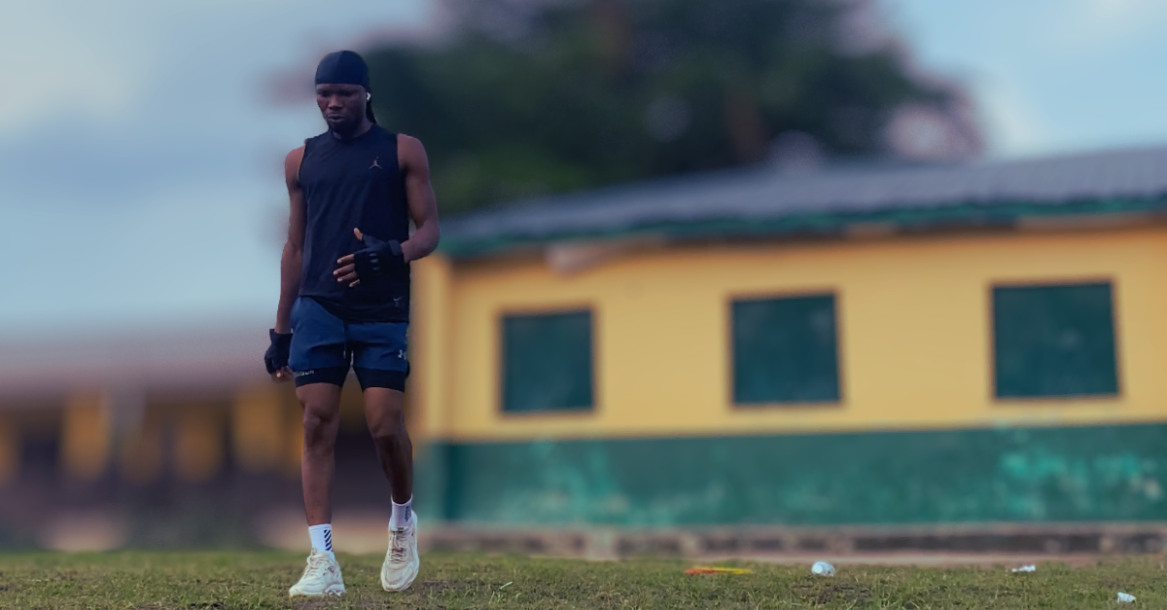
How to Start a Fitness Journey After 30
Table of Contents
ToggleStarting a fitness journey after 30 can feel intimidating, especially if you’ve spent years focusing on work, family, or other responsibilities rather than your health.
You may notice that your energy isn’t what it used to be, recovering from workouts takes longer, or maintaining your weight requires more effort than it did in your twenties.
I understand that feeling because I’ve experienced it myself.
For a long time, I believed getting fit meant pushing harder in every workout. Over time, I realized that lasting fitness isn’t about punishing your body; it’s about building healthy habits you can maintain for years.
If you’d like to read more about the lessons that shaped my approach to fitness, check out My Fitness Journey After 30: What I Learned.
The moment I shifted my mindset from chasing quick results to creating a sustainable lifestyle, exercise became something I looked forward to rather than something I had to endure.
The good news is that it’s never too late to start. Whether you’re 35, 45, 55, or beyond, your body can still become stronger, healthier, and more resilient with consistent effort.
In this guide, I’ll walk you through the first steps to building a fitness routine that works after 30 and explain how small, consistent actions can lead to long-term success.
Why Starting a Fitness Journey After 30 Feels Different
Many people believe turning 30 means their best physical years are behind them. While it’s true that certain changes occur as we age, they don’t prevent you from becoming healthier or stronger.
After 30, you may experience:
- A gradual decline in muscle mass if you don’t perform resistance training.
- Slightly slower recovery after intense workouts.
- Reduced flexibility and joint mobility from long periods of sitting.
- Lifestyle changes that leave less time for exercise.
These changes mean your approach to fitness should become smarter rather than harder.
Instead of exercising until exhaustion, focus on training consistently, eating nutritious foods, getting proper sleep, and giving your body time to recover.
According to the World Health Organization (WHO) physical activity recommendations, adults should aim for 150–300 minutes of moderate-intensity aerobic physical activity (or 75–150 minutes of vigorous activity) each week, along with muscle-strengthening activities involving all major muscle groups on two or more days per week for additional health benefits.
9 Ways to Start a Fitness Journey After 30
Starting a fitness journey after 30 can feel overwhelming, especially if you are unsure where to begin. The key is not to do everything at once, but to follow simple, structured steps that build consistency over time.
Below are 9 practical ways to help you start your fitness journey sustainably and effectively.
1: Know Why You Want to Get Fit
Before choosing a workout plan or joining a gym, ask yourself one important question:
Why do I want to become healthier?
Your answer should be personal.
Maybe you want to:
- Have more energy throughout the day.
- Lose excess body fat.
- Build strength.
- Improve your heart health.
- Reduce stress.
- Keep up with your children.
- Stay independent as you grow older.
Your reason will become your motivation on the days you don’t feel like exercising.
Instead of focusing on appearance, focus on how you can improve your quality of life.
2: Start Small Instead of Going All In
One of the biggest mistakes beginners make is trying to change everything overnight.
It’s tempting to start exercising six days a week, completely change your diet, and expect immediate results. Unfortunately, this approach often leads to burnout.
Instead, start with manageable habits.
For example:
- Walk for 20–30 minutes three or four days each week.
- Complete two beginner strength-training sessions weekly.
- Drink more water throughout the day.
- Go to bed a little earlier to improve recovery.
Small habits are much easier to maintain, and consistency is what produces long-term progress.
3: Improve Your Mobility Before Every Workout
As we age, preparing the body for exercise becomes increasingly important.
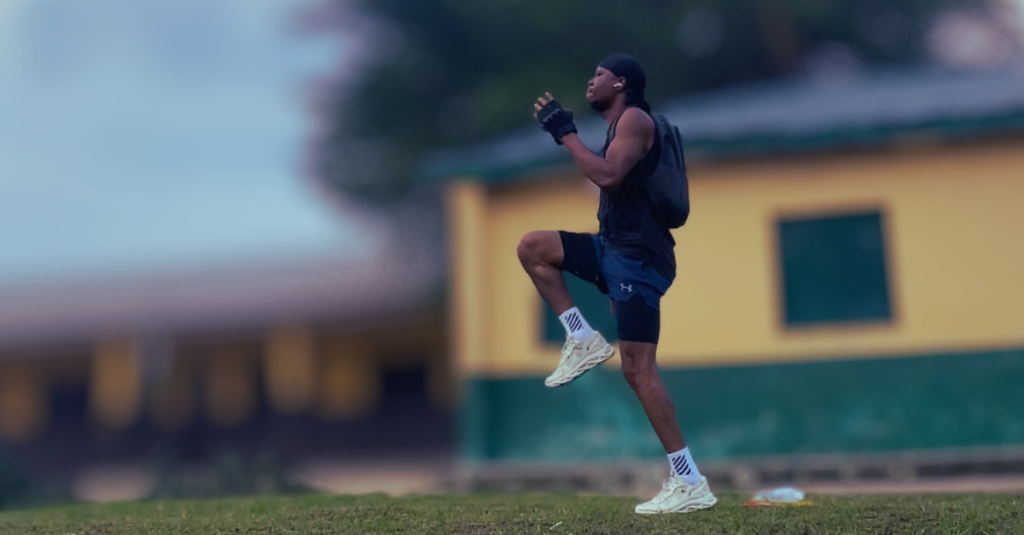
Dynamic warm-up exercises improve movement quality and help prepare your muscles and joints for physical activity.
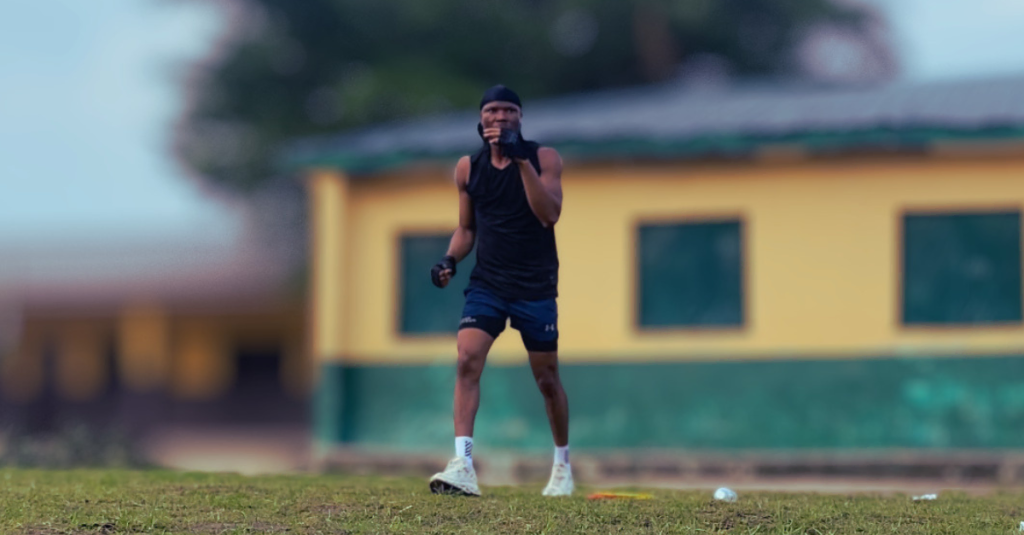
One simple exercise worth adding to your routine is the leg swing.
Before every lower-body workout, spend a few minutes performing dynamic mobility exercises to loosen your hips and activate your muscles.
Related reading: Leg Swings Exercise After 30: Benefits & Proper Form.
These simple movements can make your workouts feel smoother and more comfortable while helping you move through exercises with better control.
4: Don’t Skip Strength Training
Many people over 30 focus only on cardio because they believe it’s the fastest way to lose weight.
While cardio is beneficial, strength training is equally important.
Resistance training helps you:
- Build and maintain muscle.
- Support healthy bones.
- Improve posture.
- Increase functional strength.
- Make everyday activities easier.
If you’re new to exercise, begin with bodyweight movements before progressing to dumbbells or resistance bands.
A balanced routine that combines strength training, mobility work, and cardiovascular exercise provides the greatest long-term benefits.
If you’re unsure where to begin, check out our 30-Minute Full-Body Home Workout and Strength Training After 30 guides for practical routines designed for adults over 30.
5: Fuel Your Body with Balanced Nutrition
Exercise is only one part of the fitness journey. What you eat plays a major role in how you feel, recover, and perform.
After 30, your body still needs carbohydrates for energy, protein to support muscle maintenance and repair, and healthy fats for hormone production and overall health. Rather than following restrictive diets, focus on building balanced meals that you can enjoy consistently.
A simple plate can include:
- Lean protein such as chicken, fish, eggs, beans, or Greek yogurt.
- Complex carbohydrates such as brown rice, oats, sweet potatoes, or whole grains.
- Plenty of vegetables and fruits.
- Healthy fats from avocados, nuts, seeds, or olive oil.
Staying hydrated is equally important. Drinking enough water throughout the day supports exercise performance, digestion, and recovery.
Related reading:
- Nutrition After 30: A Complete Guide to Healthy Eating
- Best Foods for Recovery After 30
- High-Calorie Foods for Weight Gain After 30 (if your goal is muscle gain)
- High-Protein Snacks for Weight Loss After 30 (if your goal is fat loss)
- Hydration After 30: Mistakes Slowing Fat Loss
6: Make Recovery Part of Your Routine
One lesson I’ve learned over the years is that recovery isn’t a break from fitness; it’s part of fitness.
When I first started training, I thought working harder every day would lead to faster results. Instead, I often felt sore, tired, and unmotivated.
The moment I began prioritizing recovery, I noticed better workouts, more energy, and greater consistency.
Recovery includes:
- Getting 7–9 hours of quality sleep.
- Taking at least one or two rest days each week.
- Stretching or performing light mobility work.
- Managing stress.
- Eating enough protein and nutrient-rich foods.
Your body becomes stronger while it recovers, not while you’re exercising.
If you’d like to learn more about why recovery becomes even more important as you get older, read my guide on Why Recovery Matters More After 30.
7: Stay Consistent, Not Perfect
Many people quit because they miss a workout or have an unhealthy meal.
The truth is, consistency matters far more than perfection.
If you miss a workout today, don’t wait until next Monday to start again. You can continue with your next scheduled session.
Remember:
- One workout won’t transform your body.
- One missed workout won’t ruin your progress.
Fitness is built through hundreds of small decisions made over months and years.
Progress may feel slow at times, but every workout, healthy meal, and good night’s sleep moves you closer to your goal.
To learn more about consistency, read my guide on How to Stay Consistent with Fitness After 30
8: Track Your Progress
Tracking helps you stay motivated and understand what is working.
You can track:
- Workout frequency
- Strength improvements
- Energy levels
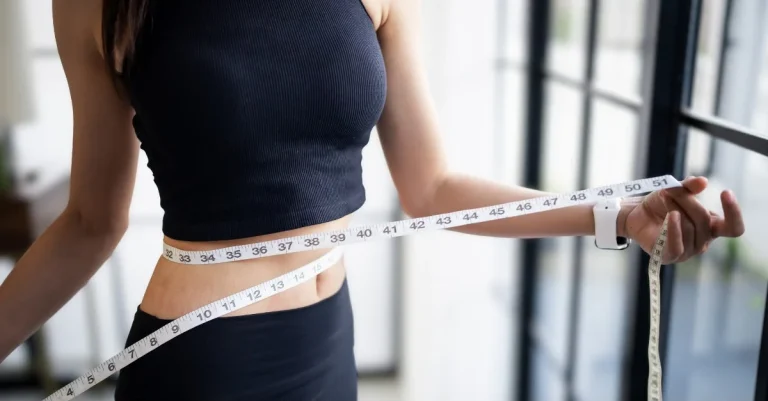
- Body measurements
- Consistency over time
Progress isn’t visible at first, but it becomes clear when you track properly.
For complete progress tracking, read this guide: How to Track Fitness Progress After 30
9: Make Fitness a Lifestyle
The goal is not just to start fitness but to maintain it long-term.
A sustainable fitness lifestyle includes:
- Regular exercise
- Balanced nutrition
- Proper recovery
- Healthy habits outside the gym
Fitness after 30 is about building a routine you can maintain for years, not weeks.
Common Mistakes People Make When Starting Fitness After 30
Avoid these common pitfalls:
- Doing Too Much Too Soon: Starting with long, intense workouts often leads to burnout or injury. Increase your activity gradually.
- Ignoring Strength Training: Cardio is important, but resistance training helps preserve muscle mass, improve bone health, and support healthy aging.
- Skipping Warm-Ups: Preparing your body with mobility exercises helps improve movement quality and gets your muscles ready for exercise.
- Neglecting Recovery: Recovery is just as important as training. Rest days and quality sleep allow your body to repair and adapt.
- Comparing Yourself to Others: Your fitness journey is unique. Focus on becoming healthier than you were yesterday instead of trying to match someone else’s progress.
Many of these lessons come from my own experience. If you’d like to learn what I would do differently if I were starting again, read My Fitness Mistakes After 30.
A Simple Weekly Workout Plan for Beginners
If you’re just getting started, keep your routine simple.
Monday
- Full-body strength workout
- 5–10 minutes of mobility exercises
Tuesday
- 30-minute brisk walk
Wednesday
- Rest or light stretching
Thursday
- Full-body strength workout
Friday
- Walking, cycling, or another enjoyable cardio activity
Saturday
- Mobility exercises and light activity
Sunday
- Rest and recovery
This schedule provides a balance of strength training, cardiovascular exercise, mobility work, and recovery.
Final Thoughts
Starting a fitness journey after 30 doesn’t require expensive equipment, complicated workout plans, or hours in the gym.
It starts with one decision: to take better care of yourself.
Begin where you are. Walk more. Strength train 2-3 times each week. Eat balanced meals. Prioritize recovery. Most importantly, stay consistent.
I’ve learned that fitness after 30 isn’t about trying to be perfect. It’s about building habits that suit your lifestyle and support your health for years to come.
Small steps taken consistently can lead to remarkable results.
Frequently Asked Questions
Is 30 too old to start working out?
No. Adults of all ages can build their strength, endurance, mobility, and overall health by exercising consistently.
How many days a week should I work out after 30?
Aim for at least 150 minutes of moderate-intensity aerobic activity each week, along with muscle-strengthening exercises on two or more days. Adjust your routine according to your fitness level and recovery.
What’s the best exercise for beginners over 30?
A combination of walking, strength training, and mobility exercises is an excellent place to start.
How long does it take to see results?
Everyone progresses at a different pace, but with regular exercise and healthy eating, many people begin to notice improvements in their energy, strength, and overall fitness within a few weeks.
Join the Conversation
Lorem ipsum dolor sit amet, consectetur adipiscing elit. Ut elit tellus, luctus nec ullamcorper mattis, pulvinar dapibus leo.