Side Lunges: Proper Form, Benefits & Common Mistakes
Table of Contents
ToggleSide lunges are one of the most effective lower-body exercises for improving strength, balance, and mobility.
While many workout routines focus on forward and backward movements, side lunges train your body to move laterally, a movement pattern you use every day when stepping to the side, changing direction, or reaching for something.
This simple exercise targets your glutes, quadriceps, hamstrings, inner thighs, and core while improving hip mobility and stability.
Whether you’re a beginner starting your fitness journey or someone looking to build functional strength after 30, side lunges deserve a place in your workout routine.
When I focused only on traditional squats and forward lunges, I noticed that certain movements still felt stiff, especially during activities that required side-to-side motion.
Adding side lunges to my workouts challenged muscles I had been overlooking and helped improve my balance and overall lower-body control. It was a reminder that building strength isn’t just about lifting heavier; it’s also about better movement.
In this complete guide, you’ll learn:
- What side lunges are
- The muscles they work
- Their health and fitness benefits
- How to perform them with proper form
- Common mistakes to avoid
- Side lunge variations for different fitness levels
- Answers to frequently asked questions
By the end of this article, you’ll know how to perform side lunges safely and effectively to improve your lower-body strength and mobility.
What Are Side Lunges?
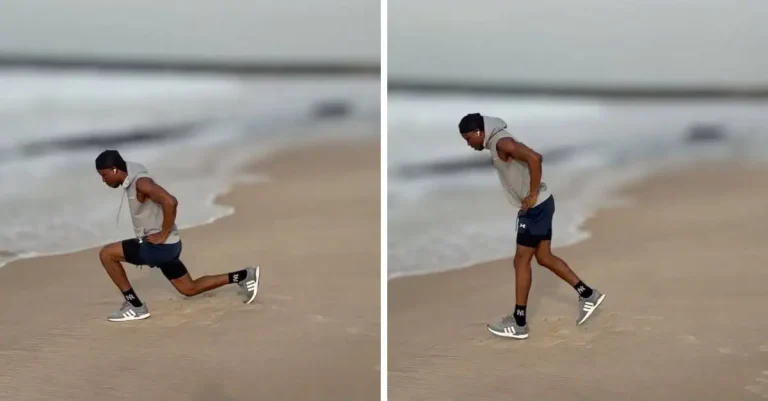
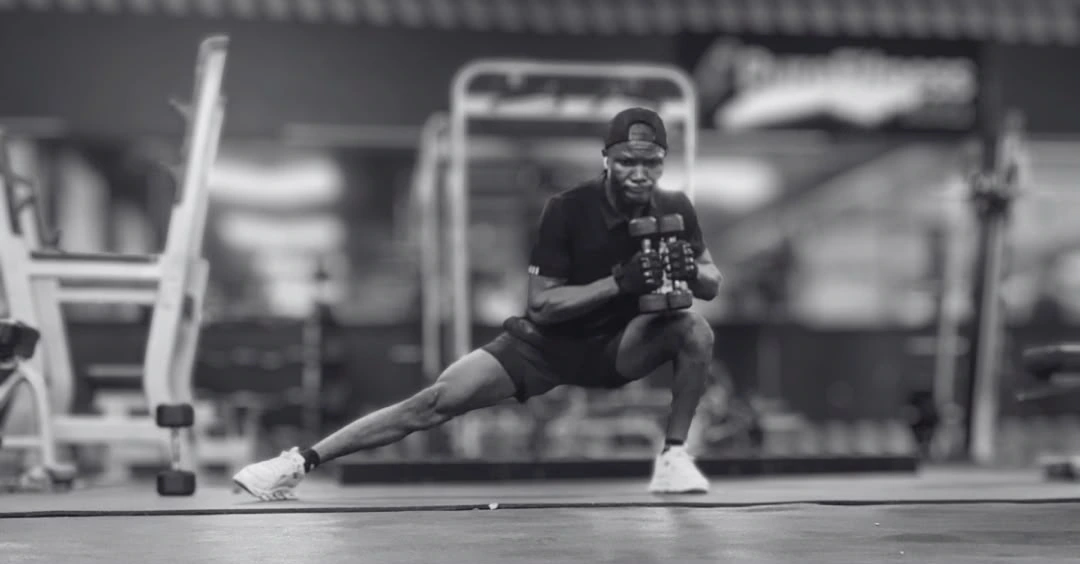
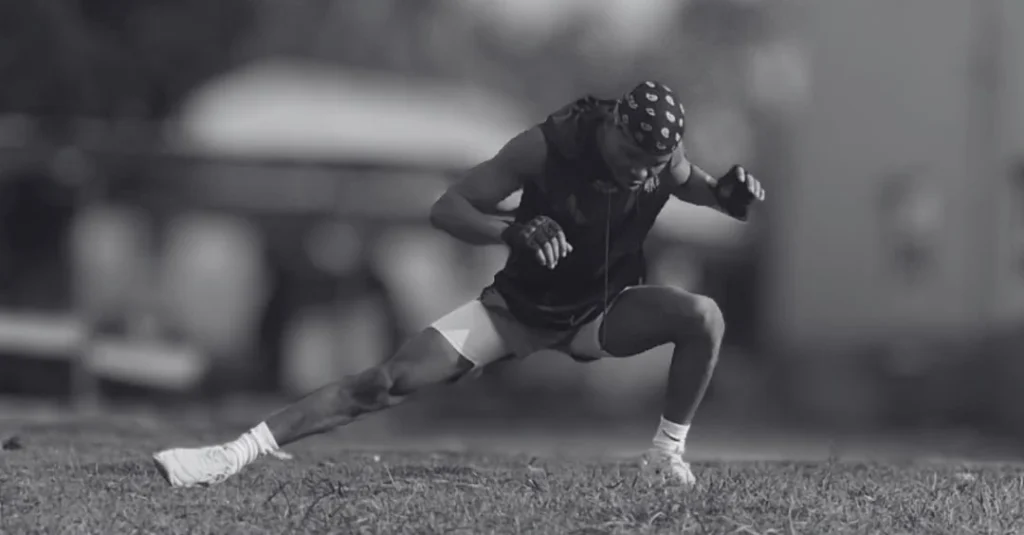
Side lunges, also known as lateral lunges, are a lower-body strength exercise that involves stepping to one side while bending one knee and keeping the opposite leg straight.
Unlike traditional forward lunges, which primarily train movement in the sagittal plane (forward and backward), side lunges develop strength in the frontal plane (side-to-side movement).
This lateral movement pattern helps strengthen muscles that are often undertrained in many workout routines, particularly the glutes, inner thighs (adductors), and hip stabilizers. Because these muscles play a role in balance, posture, and everyday movement, side lunges can improve both athletic performance and functional fitness.
One of the reasons side lunges are so valuable is that they mimic movements you perform in daily life. Whether you’re stepping around an obstacle, picking something up from the floor, or changing direction while walking or playing sports, your body relies on lateral strength and stability.
Unlike isolation exercises that target only one muscle group, side lunges are a compound exercise that engage multiple joints and muscle groups simultaneously. This makes them an efficient addition to leg workouts, full-body training sessions, and functional fitness routines.
If you’re over 30, side lunges can become even more beneficial. As we age, maintaining hip mobility, balance, and lower-body strength becomes increasingly important for reducing the risk of injury and preserving independence.
Including side lunges alongside exercises like Walking Lunges, Goblet Squats, and Sumo Squats can help create a more balanced lower-body training program.
Muscles Worked During Side Lunges
One of the biggest advantages of side lunges is that they help strengthen multiple muscle groups at once.
Because the exercise requires you to step sideways, lower your body under control, and push yourself back to the starting position, several muscles work together to provide strength, stability, and balance.
- Glutes: Your gluteus maximus, gluteus medius, and gluteus minimus are heavily involved throughout the movement. These muscles help extend your hip, stabilize your pelvis, and generate the force needed to return to the starting position. Strong glutes can help improve posture, athletic performance, and lower-body strength while reducing unnecessary stress on your knees and lower back.
- Quadriceps: The quadriceps, located at the front of your thighs, work to control the lowering phase of the exercise and straighten your knee as you push back up. Developing stronger quadriceps can improve everyday activities such as climbing stairs, standing from a chair, and walking uphill.
- Hamstrings: Although the hamstrings aren’t the primary movers during side lunges, they assist in controlling hip movement and help stabilize the knee throughout the exercise. Balanced hamstring strength also supports healthy movement patterns and complements exercises like squats and deadlifts.
- Inner Thighs (Adductors): The adductors are one of the key muscle groups that make side lunges unique. As you step outward, these muscles lengthen under tension and then contract to help pull your body back to the starting position. Strengthening the inner thighs improves lateral movement, balance, and hip stability while reducing muscle imbalances.
- Hip Abductors: The muscles on the outside of your hips, particularly the gluteus medius, help stabilize your pelvis during single-leg loading. Strong hip abductors contribute to better balance and may help improve knee alignment during lower-body exercises.
- Core Muscles: Your abdominal muscles and lower back work throughout the exercise to keep your torso upright and your spine stable. A strong core allows you to maintain proper posture and transfer force efficiently between your upper and lower body.
- Calves: Your calves assist with ankle stability and balance as your body shifts weight from one leg to the other. While they aren’t the primary target, they play an important supporting role during the movement.
Why These Muscles Matter After 30
As we get older, maintaining muscle strength becomes increasingly important. Adults naturally begin to lose muscle mass with age if they don’t engage in regular strength training.
Incorporating compound exercises such as side lunges can help preserve lower-body strength, improve mobility, and support everyday movement.
For adults over 30, strengthening the glutes, hips, thighs, and core can also contribute to:
- Better balance and coordination
- Improved hip mobility
- Greater joint stability
- Easier performance of everyday activities
- Reduced risk of falls and certain injuries
- Enhanced performance in other lower-body exercises
If your goal is to build a stronger lower body, side lunges work well alongside exercises like Walking Lunges, Goblet Squats, and Sumo Squats, as each movement challenges your muscles in a slightly different way and helps create a more balanced workout routine.
Pro Tip: Don’t rush through your repetitions. Performing side lunges with a slow, controlled movement increases muscle engagement and helps you develop better balance, coordination, and technique over time.
Benefits of Side Lunges
Side lunges are more than just a leg exercise. They help build strength, improve mobility, and train your body to move efficiently in multiple directions.
Because they mimic many of the movements you perform in everyday life, they’re an excellent addition to almost any fitness routine.
Here are some of the benefits of adding side lunges to your workouts.
1. Builds Lower-Body Strength
Side lunges help strengthen several major muscle groups at once, including your glutes, quadriceps, hamstrings, and inner thighs. Since multiple joints and muscles work together during the movement, they’re considered a compound exercise.
Building lower-body strength can make everyday activities, such as climbing stairs, carrying groceries, or getting up from a chair, feel easier while also improving performance in other exercises like squats and deadlifts.
2. Improves Hip Mobility
Many people spend hours sitting each day, which can contribute to stiff hips and reduced mobility. Side lunges encourage your hips to move through a greater range of motion while gently stretching the muscles of your inner thighs.
Improved hip mobility can make daily movements feel more comfortable and help you perform other lower-body exercises with better technique.
3. Strengthens the Inner Thighs
Unlike traditional forward lunges, side lunges place greater emphasis on the adductors, or inner thigh muscles.
Strong adductors help stabilize your hips and knees during movement, support athletic performance, and reduce muscle imbalances between the inner and outer legs.
4. Improves Balance and Stability
Because most of your body weight shifts onto one leg during each repetition, side lunges challenge your balance and coordination.
The movement requires your core, hips, and lower body to work together to keep you stable throughout the exercise. Over time, this can improve body control and confidence during both workouts and everyday activities.
5. Enhances Functional Fitness
Unlike machines that isolate individual muscles, side lunges train your body to move the way it naturally does in everyday life.
Whether you’re stepping around an obstacle, reaching sideways, playing with your children, or participating in recreational sports, lateral strength helps make these movements safer and more efficient.
This is one reason side lunges are commonly included in functional fitness programs.
6. Helps Reduce Muscle Imbalances
Many workout routines emphasize forward-and-backward movements, leaving the muscles responsible for side-to-side movement undertrained.
Adding side lunges to your routine helps develop strength in different movement planes, creating a more balanced lower body and improving overall movement quality.
7. Supports Joint Health
Strong muscles surrounding the hips, knees, and ankles help support these joints during movement.
When performed with proper form, side lunges can improve joint stability by strengthening the muscles that help control movement rather than placing unnecessary stress on the joints themselves.
If you experience persistent knee, hip, or ankle pain, consult a qualified healthcare professional before adding new exercises to your routine.
8. Can Improve Athletic Performance
Many sports involve cutting, changing direction, and moving laterally. Side lunges help develop the strength and coordination needed for these movements.
Even if you don’t play sports competitively, improving lateral strength can make everyday activities feel easier and help you move with greater confidence.
9. Suitable for Different Fitness Levels
One thing about side lunges is that they are easy to modify.
Beginners can start with bodyweight side lunges and focus on learning proper technique. As strength improves, you can increase the challenge by using dumbbells, kettlebells, or resistance bands.
This makes side lunges a valuable exercise, whether you’re new to strength training or have years of experience.
10. A Great Exercise After 30
As we age, maintaining muscle mass, balance, and mobility becomes increasingly important. Regular strength training helps support healthy aging, and side lunges provide a practical way to strengthen muscles that contribute to everyday movement.
Personally, I found that incorporating side lunges into my workouts after 30 helped my movement quality rather than lifting heavier weights. Strength is important, but so is being able to move confidently and comfortably in different directions, a benefit that carries over into daily life.
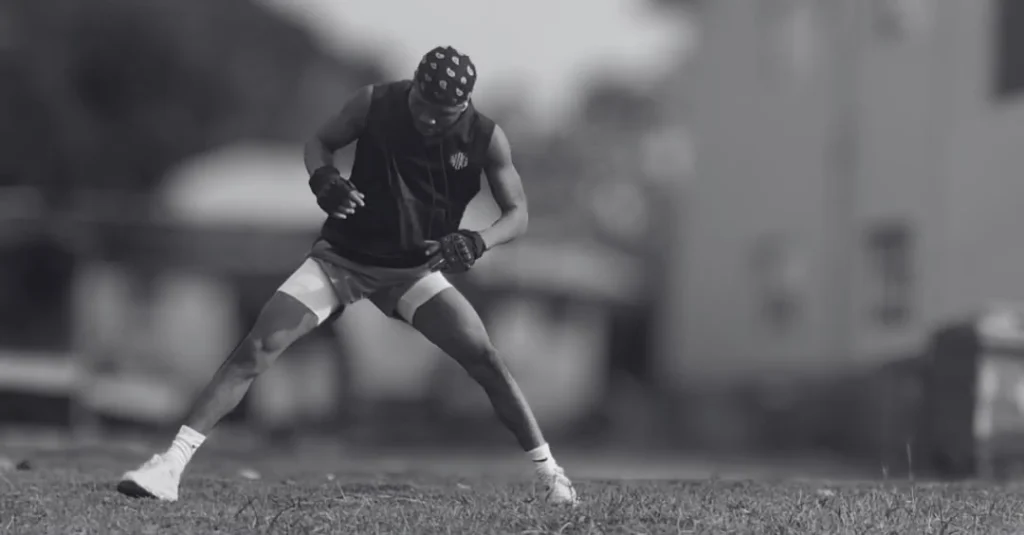
Why You Should Include Side Lunges in Your Workout Routine
Whether your goal is to build stronger legs, improve mobility, or enhance balance, side lunges offer a combination of benefits that’s difficult to achieve with a single exercise.
They’re especially effective when combined with other lower-body movements. For a balanced leg workout, pair side lunges with:
- Goblet Squats to build overall lower-body strength.
- Walking Lunges to improve unilateral strength and coordination.
- Sumo Squats to further target the inner thighs and glutes.
Together, these exercises help develop strength through multiple movement patterns, creating a more well-rounded lower-body training program.
How to Do Side Lunges Properly
Learning the correct side lunges technique is key to reducing your risk of injury. Focus on slow, controlled movements rather than rushing through each repetition.
Once you’ve mastered the bodyweight version, you can gradually add resistance to make the exercise more challenging.
Step-by-Step Instructions
- Start in a tall standing position: Stand with your feet hip-width apart, your chest lifted, shoulders relaxed, and your core engaged. Let your arms rest at your sides or hold them together in front of your chest for balance.
- Take a wide step to one side: Step your right foot out to the side, keeping your toes pointing forward. Your left leg should remain straight as you shift your body weight onto your right foot.
- Push your hips back: As your right foot lands, bend your right knee and push your hips backward, as if you’re sitting into a chair. Keep your chest up and your back neutral throughout the movement.
- Lower until your thigh is nearly parallel to the floor: Lower yourself as far as your mobility comfortably allows while keeping your right knee aligned with your toes. Your left leg should remain extended, with your foot flat on the floor.
- Push through your heel: Press firmly through the heel of your bent leg to return to the starting position. Squeeze your glutes as you stand tall.
- Repeat on the opposite side: Alternate sides or complete all repetitions on one side before switching, depending on your workout plan.
Breathing Technique
Proper breathing helps maintain stability and control during the exercise.
- Inhale as you step to the side and lower your body.
- Exhale as you push through your heel to return to the starting position.
Avoid holding your breath, especially if you’re performing multiple repetitions.
Proper Form Tips
Keep these coaching cues in mind every time you perform side lunges:
- Keep your chest up and your shoulders relaxed.
- Maintain a neutral spine throughout the movement.
- Push your hips back instead of allowing your knee to travel excessively forward.
- Keep your working knee aligned with your toes.
- Keep your opposite leg straight without locking the knee.
- Drive through your heel to return to the starting position.
- Move slowly and stay in control.
Quality repetitions are more effective than rushing through a high number of reps.
Common Side Lunge Mistakes to Avoid
Even though side lunges look easy, small technique errors can reduce their effectiveness and place unnecessary stress on your joints.
- Letting the Knee Collapse Inward: Your knee should track in the same direction as your toes. If it caves inward, it can place additional stress on the knee joint.
Fix: Focus on keeping your knee aligned over your foot and engage your glutes throughout the movement.
- Taking a Step That’s Too Small: A narrow step limits your range of motion and reduces activation of the glutes and inner thighs.
Fix: Step out far enough that you can comfortably sit your hips back while maintaining good balance.
- Leaning Too Far Forward: Excessive forward lean often shifts the workload away from your lower body and places more stress on your lower back.
Fix: Keep your chest lifted and your core engaged from start to finish.
- Lifting the Heel Off the Floor: Allowing your heel to rise reduces stability and limits your ability to generate force.
Fix: Keep your entire foot planted on the ground, especially your heel.
- Rounding Your Back: A rounded back can increase strain on your spine and reduce the effectiveness of the exercise.
Fix: Keep a neutral spine and avoid looking down at your feet.
- Moving Too Quickly: Fast repetitions often sacrifice technique and reduce muscle engagement.
Fix: Lower under control, pause briefly at the bottom, and return to the starting position with steady, deliberate movement.
Beginner Tips
If you’re new to side lunges, start with body weight only. Focus on mastering your technique before adding resistance.
Here are a few tips to help you build confidence:
- Perform the exercise in front of a mirror to check your form.
- Use a sturdy chair or wall for support if needed.
- Start with 2–3 sets of 8–10 repetitions per side.
- Rest for 60–90 seconds between sets.
- Increase the range of motion gradually as your mobility improves.
Remember, consistency matters more than intensity. Good form today lays the foundation for greater strength tomorrow.
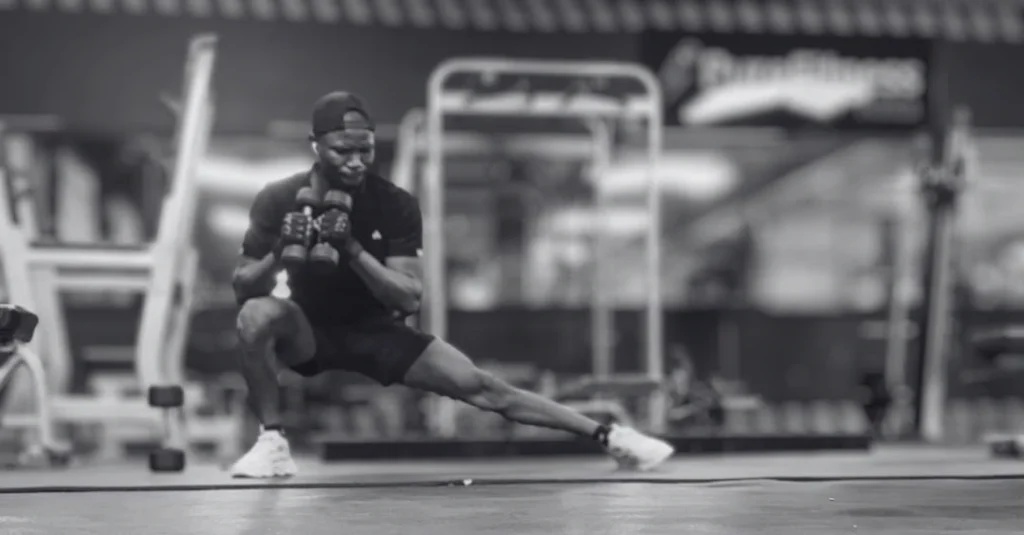
Side Lunge Variations
Once you’ve mastered the basic side lunge, adding variations to your routine can help you continue making progress while keeping your workouts engaging.
Each variation places a slightly different emphasis on your muscles and can be adapted to suit your fitness level and goals.
1. Bodyweight Side Lunges
Bodyweight side lunges are the foundation of this exercise. Since no equipment is required, they’re an excellent way to learn proper technique, improve balance, and build confidence before progressing to weighted variations.
Best for: Beginners, warm-ups, and improving movement quality.
2. Dumbbell Side Lunges
Holding a dumbbell in each hand or a single dumbbell at your chest increases the resistance, making your muscles work harder throughout the movement. This variation is ideal once you’ve developed good form with bodyweight side lunges.
Best for: Building lower-body strength and increasing muscle mass.
3. Kettlebell Side Lunges
Performing side lunges with a kettlebell held in the goblet position encourages you to keep your chest upright while placing greater demand on your core.
Best for: Functional strength, posture, and core stability.
4. Resistance Band Side Lunges
Adding a resistance band around your thighs or ankles increases tension on your hip muscles throughout the exercise. This variation is particularly effective for activating the glutes and improving hip stability.
Best for: Glute activation and strengthening the hip stabilizers.
5. Sliding Side Lunges
Place one foot on a sliding disc or a small towel on a smooth surface while keeping the other foot planted. Instead of stepping out, slowly slide your foot to the side and return to the starting position.
Because your muscles remain under constant tension, this variation improves stability, coordination, and control.
Best for: Balance, mobility, and muscle control.
6. Cossack Squats
The Cossack squat is an advanced version of the side lunge that requires greater flexibility and mobility. As you lower your body, one leg bends deeply while the opposite leg stays extended with the toes pointing upward.
Although challenging, it’s an excellent exercise for improving hip mobility, ankle flexibility, and lower-body strength.
Best for: Advanced lifters looking to improve mobility and functional strength.
Side Lunges vs. Forward Lunges
Both side lunges and forward lunges are valuable lower-body exercises, but they challenge your body in different ways.
Understanding their differences can help you decide when to incorporate each one in your workout routine.
Side Lunges
Side lunges involve stepping laterally rather than forward. This movement places greater emphasis on your inner thighs (adductors), glutes, and the muscles stabilizing your hips.
Because you’re moving from side to side, side lunges also improve hip mobility, balance, and coordination, qualities that are often overlooked in traditional strength training.
If your goal is to improve lateral movement, increase flexibility, or strengthen muscles that support everyday activities like changing direction or stepping sideways, side lunges are an excellent choice.
Forward Lunges
Forward lunges require you to step directly in front of your body before lowering into a lunge position. They primarily target the quadriceps, glutes, and hamstrings, making them one of the most popular exercises for building lower-body strength.
This variation closely mimics everyday movements such as walking and climbing stairs, making it ideal for improving functional strength and lower-body endurance.
Which Exercise Is Better?
Rather than choosing one over the other, consider including both in your training program.
Forward lunges are excellent for developing overall leg strength, while side lunges strengthen muscles that don’t receive as much attention during forward movements.
Together, they create a more balanced lower-body workout by training your body to move efficiently in multiple directions.
For most people, performing both exercises each week can help improve strength, mobility, balance, and athletic performance while reducing the risk of muscle imbalances.
Beginner Side Lunge Workout
If you’re new to side lunges, begin with a simple routine that prioritizes good technique over heavy weights. As your confidence and strength improve, you can gradually increase the resistance.
Workout:
- Side Lunges: 3 sets × 8–10 reps per side
- Goblet Squats: 3 sets × 10–12 reps
- Walking Lunges: 2 sets × 10 reps per side
- Glute Bridges: 3 sets × 12–15 reps
- Plank: 3 sets × 30–45 seconds
Rest for 60–90 seconds between sets and perform this workout 2–3 times per week.
My Experience: One mistake I made early on was thinking every workout had to be more difficult than the last. Over time, I realized that improving my technique and moving through a full range of motion produced better results than simply adding more weight.
With side lunges, focus on performing each repetition with control. As your mobility and strength improve, increasing the depth of your movement often delivers greater benefits than rushing to lift heavier weights.
Are Side Lunges Good After 30?
The short answer is yes. Side lunges are one of the best lower-body exercises for adults over 30 because they strengthen muscles that support everyday movement while improving balance, mobility, and coordination.
As we age, it’s natural to experience gradual changes in muscle mass, flexibility, and joint mobility if we don’t stay active. Regular strength training can help maintain muscle function and support long-term health.
The World Health Organization recommends that adults perform muscle-strengthening activities involving all major muscle groups on at least two days each week.
Side lunges fit well into this recommendation because they train multiple muscles at once while encouraging movement in the frontal plane, a direction that’s often neglected in traditional workouts.
1. They Help Maintain Lower-Body Strength
Strong legs are essential for everyday activities such as climbing stairs, lifting objects, and standing up from a chair. Side lunges target the glutes, quadriceps, hamstrings, and inner thighs, helping you maintain functional strength as you get older.
If you’re building a complete leg workout, combine side lunges with Goblet Squats and Walking Lunges to strengthen your lower body through different movement patterns.
2. They Improve Hip Mobility
Hours of sitting at a desk or in a car can leave your hips feeling tight. Side lunges encourage your hips to move through a greater range of motion while gently stretching the inner thigh muscles.
Better hip mobility can improve your posture, make daily movements feel easier, and support proper technique during other lower-body exercises.
3. They Enhance Balance and Stability
Good balance isn’t just important for athletes; it’s essential for everyone. Since side lunges require you to shift your body weight from one leg to the other, they challenge the muscles responsible for keeping you stable.
Improving balance can help you move more confidently during everyday activities and recreational sports.
4. They Help Reduce Muscle Imbalances
Many people spend most of their workouts moving forward and backward through exercises like squats, deadlifts, and forward lunges. While these exercises are excellent, they don’t fully prepare your body for side-to-side movements.
Adding side lunges helps strengthen muscles that are often underused, promoting more balanced lower-body development.
Frequently Asked Questions About Side Lunges
Are side lunges and lateral lunges the same exercise?
Yes. The terms side lunges and lateral lunges are used interchangeably. Both describe the same movement pattern of stepping to the side while bending one knee and keeping the opposite leg straight.
What muscles do side lunges work the most?
Side lunges primarily target the glutes, quadriceps, inner thighs (adductors), and hamstrings. They also engage your core and hip stabilizers to help maintain balance throughout the movement.
Are side lunges better than forward lunges?
Neither exercise is better; they train your body differently.
Forward lunges place more emphasis on forward movement and overall leg strength, while side lunges improve lateral strength, hip mobility, and inner thigh activation. Including both exercises in your routine provides the greatest overall benefit.
Can beginners do side lunges?
Absolutely. Beginners should start with bodyweight side lunges and prioritize proper form before progressing to weighted variations.
If maintaining balance is difficult, reduce your range of motion or use a sturdy chair or wall for support.
How many side lunges should I do?
For general fitness, aim for 2–4 sets of 8–12 repetitions per side. Adjust the number of sets and repetitions based on your fitness level and training goals.
Do side lunges help build muscle?
Yes. When performed consistently and combined with progressive overload, adequate protein intake, and sufficient recovery, side lunges can contribute to muscle growth in your glutes, quadriceps, and inner thighs.
Are side lunges good for weight loss?
Side lunges alone won’t cause weight loss, but they can support your weight-loss journey by building muscle and increasing your overall energy expenditure when included in a balanced workout program.
For the best results, combine regular exercise with a balanced, nutritious diet and a sustainable calorie deficit if weight loss is your goal.
Can I do side lunges every day?
It’s generally better to allow your muscles time to recover after strength training. For most people, performing side lunges 2–3 times per week is enough to see progress while supporting recovery.
Final Thought
Side lunges are a simple yet highly effective exercise for building lower-body strength, improving balance, increasing hip mobility, and enhancing functional fitness.
Whether you’re new to exercise or looking to diversify your strength training routine after 30, they offer benefits that extend well beyond the gym.
Start with the bodyweight variation, focus on proper technique, and gradually increase the challenge as your strength and confidence improve. Consistency, rather than perfection, is what leads to lasting results.
If you’re looking to build a stronger lower body, consider pairing side lunges with Goblet Squats, Walking Lunges, and Sumo Squats to create a well-rounded workout routine. You can also explore my guides on Strength Training After 30 and My Fitness Journey After 30: What I Learned for more practical tips on staying fit, strong, and energized as you age.
Join the Conversation
Let’s keep the conversation going!
Have you tried side lunges, or do you have a question about your technique?
Leave a comment below and let me know. If this guide helped you, consider sharing it with a friend or family member who wants to build stronger legs, improve mobility, and stay active after 30.