
My Fitness Journey After 30: What I Learned
Table of Contents
ToggleHave you ever wondered how to start your fitness journey after 30 when you feel like you should have started years ago?
I’ve asked myself that question too. I remember when I decided to take fitness more seriously; I quickly realized that getting started was only part of the challenge. I had to learn how to build a routine I could maintain, deal with setbacks, and stop expecting results overnight.
Looking back, my fitness journey after 30 has taught me that you don’t need to know everything before you begin. You only need to take the first step and keep learning along the way.
In this article, I’ll share what I learned, the mistakes I made, and how you can start your own fitness journey as a beginner, even if you prefer to work out at home.
Why I Decided to Start My Fitness Journey After 30
Getting older taught me to pay more attention to my body. I started realizing that staying active couldn’t be something I only thought about when I wanted to lose weight or change how I looked.
I wanted to feel stronger, move better, and build habits that I could maintain as I got older. As I learned more about fitness after 30, I began to understand that staying fit as I get older involves more than just working out. But knowing that I needed to become more active and actually doing it were two different things.
At first, I thought starting a fitness journey meant making big changes immediately. I felt I needed to train harder, change my diet, and stay consistent from the beginning. That mindset made the process more difficult than it needed to be.
Over time, I learned that starting small wasn’t a sign that I wasn’t serious. It was a better way to build consistency.
That became one of the first important lessons from my fitness journey after 30: you don’t have to do everything at once. You just need to start with something you can keep doing.
The Biggest Mistakes I Made in My Fitness Journey
Looking back at the beginning of my fitness journey, I realize that some of my biggest challenges came from how I approached fitness rather than from the workouts themselves.
One of my biggest mistakes was expecting quick results. I wanted to see noticeable changes soon after I started, but I eventually learned that building strength, improving fitness, and developing better habits take time.
I also tried to do too much at once. When I was motivated, I felt like I needed to train harder, change my diet, and make major changes immediately. Instead of making the process easier, this sometimes made it harder to stay consistent.
Another mistake was comparing my progress with other people. I had to remind myself that everyone starts from a different place and has different goals, routines, and circumstances.
These were only some of the mistakes I made along the way. I’ve shared more about my fitness mistakes and what they taught me in a separate article, but these experiences changed how I approached my fitness journey.
I eventually stopped looking for quick results and started focusing on sustainable habits. That shift made it easier to keep going, even when progress felt slow.

What Actually Worked for Me After 30
After making those mistakes, I had to stop looking for a perfect fitness routine and start doing what I could actually maintain.
I realized that the things that worked for me weren’t necessarily complicated. They were simple habits that I could repeat consistently.
1. I Made Strength Training Part of My Routine
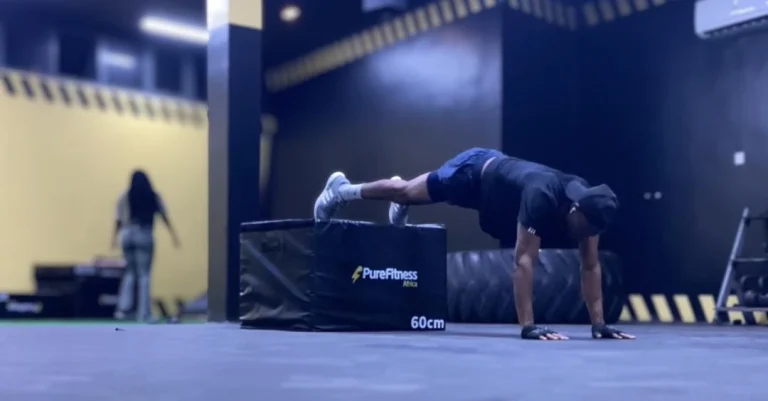
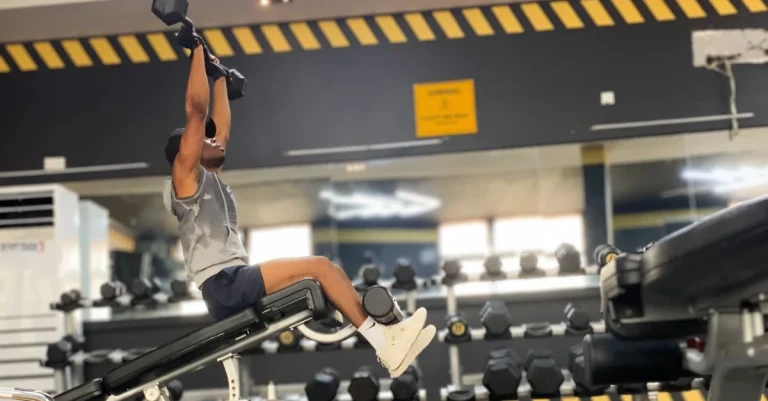
Strength training became an important part of my fitness journey. Instead of focusing on burning calories, I started to improve how my body performed.
I started paying more attention to basic movements and gradually improving rather than trying to make every workout extremely difficult.
If you’re interested in learning more about this approach, my Strength Training After 30 guide goes into more detail about building strength as you get older.
2. I Became More Consistent With Physical Activity
I also stopped thinking that every active day had to be a hard workout.
Walking, moving throughout the day, and staying generally active became part of my approach. This helped me understand that fitness isn’t limited to the time I spend exercising.
Some days were more demanding than others, and that was okay.
3. I Paid More Attention to Nutrition
My workouts were only one part of the picture. I also had to look at what I ate to see if it supported my goals.
I learned to focus on protein, balanced meals, hydration, and overall food choices instead of searching for one food or diet that would solve everything.
That lesson became particularly important as I learned more about nutrition after 30 and how it fits into an active lifestyle.
4. I Took Recovery More Seriously
I also learned that pushing myself constantly wasn’t the answer.
Rest became part of my routine rather than something I felt guilty about. Getting enough recovery helped me return to my workouts feeling more prepared instead of constantly trying to train through fatigue.
5. I Stopped Chasing Perfection
Perhaps the biggest change was accepting that consistency doesn’t mean doing everything perfectly.
Some weeks were better than others. What mattered was returning to my routine instead of letting one bad day keep me away from my goals.
That shift made my fitness journey feel more realistic.
I wasn’t trying to become a different person overnight. I was building habits that I can use as I got older.

What I Would Do Differently If I Started Again
If I could go back to the beginning of my fitness journey, I wouldn’t try to change everything at once. I would make a few simple changes and give myself more time to adapt.
First, I would focus on consistency before intensity. I used to think that a hard workout was automatically a better workout. Now I understand that a routine I can maintain is more valuable than one that leaves me exhausted after a few sessions.
I would also set more realistic expectations. I wouldn’t measure my progress only by how quickly my body changed. I would pay attention to improvements in my strength, endurance, energy, and ability to stay active.
I would learn more about recovery earlier, too. Rest is easy to overlook when you’re excited about making progress, but it is an important part of continuing training.
I would also avoid comparing my journey with other people’s results. Someone else’s fitness level doesn’t tell me where I should be. My starting point, goals, and circumstances are different.
Most importantly, I would remember that fitness is a long-term journey. There will be good weeks, difficult weeks, missed workouts, and times when progress feels slow.
I wouldn’t let those moments convince me that I had failed. I would get back to the routine and keep going.
If you’re starting your own fitness journey after 30, you don’t need to have everything figured out on day one. Start where you are, learn as you go, and give yourself enough time to see what you can build.
How I Learned to Stay Consistent With Fitness
Starting my fitness journey was one thing. Staying consistent was another.
There were days I felt motivated and wanted to train. There were also days I didn’t feel like doing anything at all. I eventually realized that I couldn’t depend on motivation to keep me going.
Instead, I had to make fitness fit into my normal life.
One thing that helped was having a routine I could realistically follow. I stopped thinking that every workout had to be long or intense. Some days were simply about getting moving, while other days allowed me to put more effort into training.
I also learned to plan around my schedule. When I knew I was going to exercise, it became easier to treat it as part of my routine rather than something I would do only when I had free time.
Another important change was learning not to let one missed workout turn into a missed week. Life happens. You may get busy, feel tired, or need a break. Missing one session doesn’t mean you have to give up on the entire routine.
The CDC’s physical activity guidelines also reminded me that staying active doesn’t have to mean doing everything in one workout. You can also spread them throughout the week in a way that fits your routine.
I also became more interested in activities I could do long-term. Whether that meant strength training, walking, or another form of physical activity, I wanted something that could become part of my lifestyle rather than a short-term challenge.
For me, consistency eventually became less about motivation and more about returning to the routine.
I didn’t need every week to be perfect. I just needed to keep coming back.
If you’re struggling to stay consistent with your routine, I also wrote a more detailed guide on “how to stay consistent with fitness after 30, where I share practical strategies to help you build a routine you can maintain.

What My Fitness Journey Has Taught Me
My fitness journey after 30 has taught me that getting fit is not about finding one perfect workout, diet, or routine.
It is about learning what works for you and being willing to adjust as your circumstances change.
I’ve learned that progress takes patience. I’ve learned that consistency matters more than trying to be perfect, and that taking a rest day doesn’t mean I’m losing progress.
I’ve also learned that fitness is about more than appearance. Being stronger, staying active, having better habits, and taking care of my body have become important parts of the journey.
Another lesson is that you don’t have to wait until you feel completely ready. When I first started, I didn’t have everything figured out. I learned by doing, making mistakes, adjusting my approach, and continuing.
That’s something I would remind anyone who is thinking about starting a fitness journey after 30. You don’t need to compare your beginning with someone else’s progress. Start from where you are and give yourself time to improve.
The goal isn’t to become perfect at fitness.
It’s to build a healthier, more active way of living that you can keep for years to come.
How to Start a Fitness Journey for Beginners
When I was starting, I thought I needed to know everything before I could begin. I eventually learned that you can start with a few simple changes and build from there.
If you’re a beginner, start by deciding what you want to improve. Maybe you want to become more active, build strength, lose weight, or feel better in your everyday life. Having a clear reason can make it easier to stay focused.
Then choose activities that fit your current fitness level and your lifestyle. You might begin with walking, simple bodyweight exercises, or short home workouts instead of trying to follow an advanced routine.
I also learned that starting gradually matters. Doing too much at the beginning can leave you exhausted and make it harder to stay consistent. Give yourself time to adjust and increase the challenge as you become more comfortable.
Most importantly, don’t wait for the perfect routine before you start. Consistency is built through the small actions you repeat over time.
If you want a more detailed step-by-step approach, you can read my guide on how to start a fitness journey after 30, where I go deeper into building a fitness routine as you get older.
For me, starting was less about finding the perfect workout and more about learning what I could realistically maintain. That mindset made it easier to keep going.
Final Thoughts
Looking back, my fitness journey after 30 has been less about finding the perfect routine and more about staying committed to something that matters to me.
I’ve made mistakes, changed my approach, missed workouts, and had periods when progress felt slower than I wanted. But each experience taught me something that helped me keep moving forward.
If you’re wondering how to start your own fitness journey, don’t feel like you need to have everything figured out before you begin. Start with what you can manage, learn as you go, and give yourself time to improve.
Your journey may look completely different from mine, and that’s okay. What matters is finding an approach that fits your goals and your life.
For me, fitness after 30 has become more than trying to change my appearance. It has become a commitment to staying active, getting stronger, and taking better care of myself as I get older.
Join the Conversation
If you’re already on your own fitness journey, I’d love to hear about your experience. What is one lesson fitness has taught you since turning 30? Join the conversation in the comments.