How to Lose Belly Fat: 15 Science-Backed Ways That Work
Table of Contents
ToggleStruggling to lose stubborn abdominal fat is one of the most common frustrations I see on the gym floor. Clients often come to me exhausted after attempting restrictive starvation diets, 7-day detoxes, or performing 500 crunches a night without seeing any change in the mirror.
The reality? You cannot “spot-reduce” fat from your midsection through abdominal exercises alone. Body fat loss occurs systemically when you create a sustainable energy deficit while optimizing your metabolic and hormonal health.
In this comprehensive guide, we are breaking down 15 proven, science-backed strategies to help you lose belly fat, preserve lean muscle mass, and keep it off long-term.
Visceral vs. Subcutaneous Fat: Why the Difference Matters
Before diving into the strategies, it is essential to understand that not all body fat is created equal:
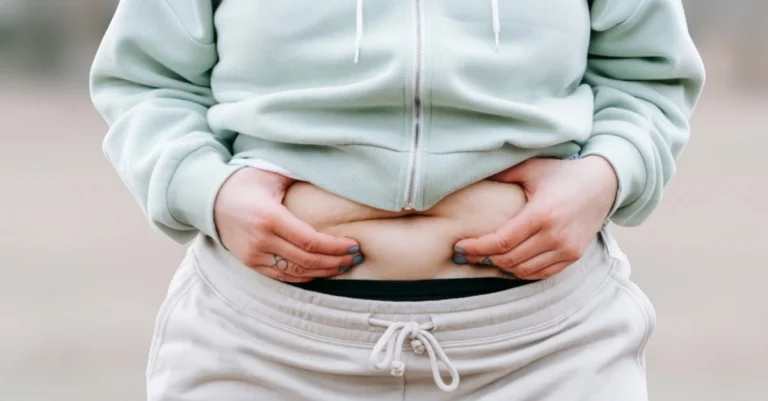
- Subcutaneous Fat: The pinchable fat located directly beneath your skin.
- Visceral Fat: The deep abdominal fat surrounding your internal organs (liver, pancreas, and intestines).
While subcutaneous fat is primarily a cosmetic concern, excess visceral fat is metabolically active and releases inflammatory markers into your bloodstream.
Research published by the Mayo Clinic demonstrates that high levels of visceral fat strongly correlate with increased risks of cardiovascular disease, insulin resistance, and type 2 diabetes.
The good news? Visceral fat is actually the first type of fat your body mobilizes when you implement a structured nutrition and training regimen.
Nutrition Habits That Drive Sustainable Fat Loss
1. Prioritize High Protein Intake to Preserve Muscle & Boost Satiety
When reducing calories, adequate protein is your primary defense against muscle loss. Protein has a high Thermic Effect of Food (TEF)—meaning your body burns up to 30% of the protein calories ingested simply digesting it—while also elevating satiety hormones like peptide YY.
Coach’s Take: In my coaching practice, the first change we make with clients isn’t cutting carbs—it’s anchoring every meal around 30+ grams of protein. That single shift eliminates 80% of late-night snacking.
Aim for 0.7 to 1.0 grams of protein per pound of body weight daily. For a step-by-step macro breakdown, read our complete guide on calculating your optimal daily protein intake.
2. Create a Manageable Caloric Deficit (Without Starvation)
To lose fat, you must consume fewer calories than your body expends. However, cutting calories too aggressively triggers metabolic adaptation, elevates hunger hormones, and causes your body to break down lean muscle tissue for fuel.
Target a modest energy deficit of 300 to 500 calories below your maintenance level. This yields a safe, sustainable fat loss rate of 0.5 to 1.5 pounds per week.
3. Increase Soluble Fiber Intake
Soluble fiber forms a viscous gel in your digestive tract, slowing down nutrient absorption and keeping you full for longer.
A longitudinal study indexed on PubMed Central (PMC3856431) found that for every 10-gram increase in daily soluble fiber consumed, visceral fat gain decreased by 3.7% over five years.
Focus on whole foods like oats, flaxseeds, legumes, Brussels sprouts, and avocados.
4. Eliminate Liquid Calories & Liquid Sugars
Fructose-sweetened beverages like sodas, sweetened teas, and fruit juices bypass standard satiety signaling in the brain.
The liver processes excess fructose rapidly, encouraging lipogenesis (fat storage), particularly in the liver and abdominal area.
Replace sugary drinks with water, sparkling water, black coffee, or green tea.
5. Minimize Ultra-Processed Foods & Trans Fats
Trans fats and highly refined ultra-processed foods drive systemic inflammation, insulin resistance, and abdominal obesity.
Research published in the journal Lipids showed that diets high in trans fats significantly increase abdominal adiposity even without calorie excess.
Stick to single-ingredient whole foods across 80–90% of your daily diet.
Training & Movement Strategies to Accelerate Fat Loss
6. Make Progressive Resistance Training Your Foundation
Cardio burns calories while you perform it, but heavy strength training preserves your lean muscle tissue and elevates your resting metabolic rate for hours afterward via excess post-exercise oxygen consumption (EPOC).
Focus on multi-joint compound movements (squats, deadlifts, overhead presses, and rows). Building your routine around a progressive strength training program ensures that the weight you lose comes from fat rather than muscle.
7. Master Heavy Compound Exercises (Like the Squat)
Instead of spending 20 minutes doing sit-ups, prioritize heavy compound lifts. A heavy squat forces your entire core—rectus abdominis, obliques, and transverse abdominis—to contract isometrically to stabilize your spine under load.
If you are incorporating heavy lifting into your fat loss routine, check out our proper squat form guide to ensure you are lifting safely and maximizing core recruitment.
8. Increase Daily Non-Exercise Activity Thermogenesis (NEAT)
NEAT refers to the calories burned through non-workout daily movement: walking, taking the stairs, standing, and general daily activity. NEAT often accounts for 15–30% of your total daily energy expenditure.
Aim for 8,000 to 10,000 steps per day. Increasing your step count is an extremely low-stress way to expand your daily calorie deficit without overtaxing your central nervous system.
9. Utilize High-Intensity Interval Training (HIIT) Strategically
While steady-state cardio is useful, short bursts of High-Intensity Interval Training (HIIT) offer a time-efficient way to improve insulin sensitivity and trigger visceral fat mobilization.
Perform 15 to 20 minutes of intervals (e.g., 30 seconds of high-effort sprinting or bike effort followed by 90 seconds of active recovery) 1 to 2 times per week alongside your lifting sessions.

Lifestyle & Hormonal Changes That Support Fat Loss
10. Prioritize 7 to 9 Hours of Quality Sleep
Sleep deprivation impairs glucose metabolism and alters hunger-regulating hormones, surging ghrelin (which triggers hunger) and suppressing leptin (which signals fullness).
A major study archived by the National Institutes of Health (PMC2738337) revealed that sleeping less than 6 hours per night was strongly linked to increased visceral fat accumulation over time.
For practical steps to improve your sleep hygiene, read our guide on sleep optimization strategies for lifters.
11. Manage Stress to Lower Cortisol
When exposed to chronic psychological or physical stress, your adrenal glands secrete cortisol.
Elevated cortisol, combined with high insulin levels, activates the enzyme lipoprotein lipase (LPL), encouraging your body to store fat preferentially in the deep visceral abdominal depot.
Learn actionable techniques to restore balance in our breakdown on how to lower stress and manage cortisol.
12. Limit Alcohol Consumption
Alcohol provides 7 empty calories per gram and suppresses fat oxidation.
When alcohol is present in your bloodstream, your liver prioritizes detoxifying the acetate produced from alcohol breakdown, effectively putting all fat-burning processes on pause.
Limit alcohol intake to occasional social events, or eliminate it during active fat loss phases.
13. Track Progress Beyond the Bathroom Scale
Scale weight fluctuates daily due to water retention, glycogen storage, and digestive contents. Relying solely on the scale can make it seem like you aren’t losing fat when you actually are.
Track your progress using:
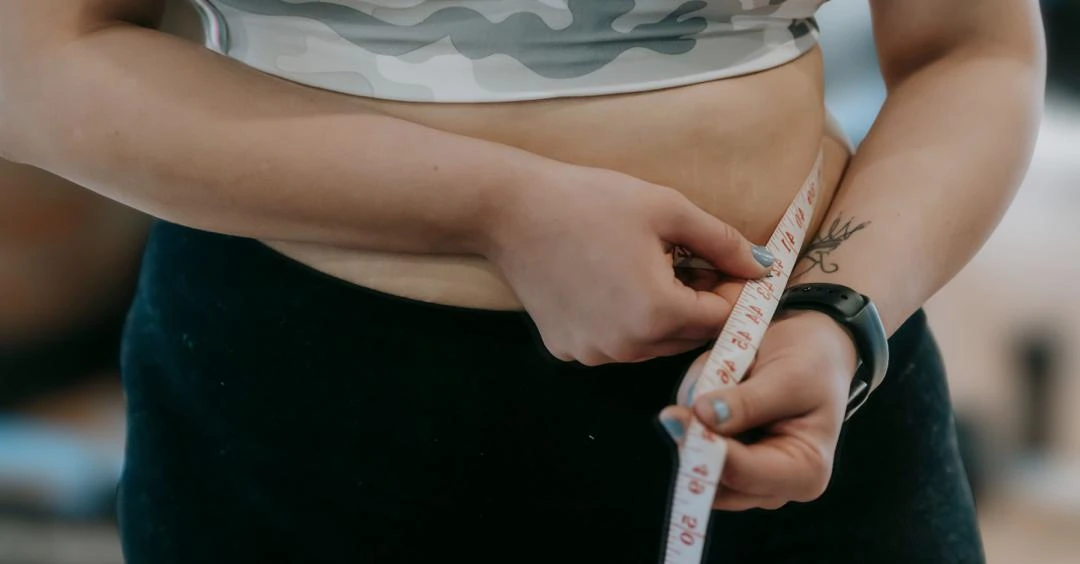
- Weekly waist-to-hip measurements
- Bi-weekly front and side progress photos
- Gym performance metrics (maintaining or increasing strength)

Long-Term Maintenance & Advanced Considerations
14. Adjust Your Approach After Age 30 and 40
For a complete breakdown of why these hormonal shifts happen and how to counteract them, read our guide on why belly fat increases after 30 and what to do about it.
15. Plan Periodic Diet Breaks to Maintain Consistency
Long-term dieting can cause adaptive thermogenesis (where your body lowers its daily energy expenditure to conserve fuel).
Implementing planned diet breaks—spending 1 to 2 weeks eating at maintenance calories while maintaining your lifting routine—resets hunger hormones, restores thyroid output, and gives you a psychological break to ensure long-term consistency.
Frequently Asked Questions
Can you lose belly fat without exercise?
Yes, fat loss is primarily driven by creating a caloric deficit through your nutrition. Because your body expends energy simply maintaining basic physiological functions (your Basal Metabolic Rate), managing your food intake allows you to drop body fat without stepping foot in a gym.
However, trying to figure out how to lose belly fat without exercise comes with a major trade-off: without resistance training, a significant portion of the weight you lose will come from lean muscle tissue rather than visceral fat, which lowers your metabolic rate over time.
What reduces belly fat quickly?
There are no safe, permanent shortcuts for rapid fat loss. The fastest way to reduce belly fat is by combining a modest 500-calorie daily deficit with high protein intake, progressive strength training, and 8,000+ daily steps.
How long does it take to lose belly fat?
Because visceral fat is metabolically active, most people begin noticing reductions in waist circumference within 3 to 6 weeks of consistent dieting and training.
Noticeable subcutaneous belly fat reduction typically occurs over 12 to 24 weeks of continuous effort.
Final Thoughts
Losing belly fat does not require extreme fad diets or endless crunch routines.
By focusing on a modest caloric deficit, prioritizing protein, lifting heavy weights, getting quality sleep, and keeping stress under control, you will optimize your hormones to burn fat efficiently and keep it off permanently.
Ready to optimize your training? Start by exploring our full library of strength and nutrition guides to build your ultimate fat-loss blueprint.
Join the Conversation
What has been the biggest challenge for you when trying to lose belly fat after 30? Share your experience in the comments below.