
How to Track Fitness Progress Effectively
Table of Contents
ToggleYou can exercise consistently for weeks and still wonder whether you’re actually making progress.
I’ve experienced this myself, especially during periods when gaining weight was my goal. There were times when I expected to see obvious changes, only to realize that the progress was showing up in smaller ways.
But that doesn’t necessarily mean your workouts aren’t working.
Fitness progress can show up in several ways. You may become stronger, perform an exercise with better control, walk or run for longer, recover more comfortably, or become more consistent with your workouts.
That’s why learning how to track fitness progress effectively is about looking beyond a single number. By tracking a few meaningful measures over time, you can get a clearer picture of what is improving and where you may need to adjust your routine.
What Does Fitness Progress Actually Mean?
Fitness progress means making measurable or noticeable improvements toward your fitness goals. What counts as progress depends on what you’re trying to achieve.
For one person, progress might mean being able to perform more push-ups. For another, it could mean walking for 30 minutes without becoming as tired as before. Someone working on strength may gradually lift heavier resistance, while another person may be focused on improving mobility or maintaining a consistent exercise routine.
This is why it’s useful to establish clear fitness goals that match your needs and lifestyle before deciding what to track.
Progress also doesn’t always happen quickly. Some changes may become noticeable within a few weeks, while others can take considerably longer. Looking at trends over time is usually more useful than judging your fitness based on one workout or one measurement.

What Is the Best Way to Track Fitness Progress?
The best approach is to track several measures that relate to your goals instead of relying only on body weight or appearance.
Useful measures can include:
- Strength and resistance
- Repetitions and sets
- Cardiovascular endurance
- Workout consistency
- Exercise technique and control
- Body measurements
- Body weight, when relevant to your goal
- Mobility and range of motion
- How you perform everyday physical activities
- Recovery between workouts
You don’t need to track everything.
Choose a few measures that actually tell you whether you’re moving toward your goal. If you’re trying to become stronger, for example, recording the resistance, sets, repetitions, and quality of your exercise performance may tell you much more than checking your weight every morning.
I’ve also found that small improvements can be easy to overlook when you’re focused on the bigger result. Being able to perform an exercise with better control or complete a workout that once felt difficult can be meaningful progress, even when the change isn’t obvious in the mirror.
1. Track Your Strength
If building strength is one of your goals, your workouts provide some of the clearest information you can track.
Record the exercises you perform, the resistance you use, the number of sets and repetitions, and how well you perform each movement.
For example, imagine you begin with:
- Push-ups: 8 controlled repetitions
- Squats: 12 repetitions
- Dumbbell rows: 10 repetitions with a certain weight
Several weeks later, you may be able to perform more repetitions with the same resistance or use more resistance while maintaining good technique.
That’s measurable progress.
However, increasing the weight isn’t the only sign you’re getting stronger. Better control, improved technique, more quality repetitions, and the ability to complete the same workout with less difficulty can also show progress.
If you’re new to strength training, start with manageable exercises and gradually increase the challenge rather than trying to progress as quickly as possible. Learn more about starting strength training at home with simple exercises in our beginner’s guide.
2. Track Your Endurance
Strength isn’t the only part of fitness worth measuring.
You can also track improvements in cardiovascular endurance by recording things like distance, duration, pace, or how difficult an activity feels.
For example, if you currently walk for 20 minutes and gradually work up to 30 or 40 minutes at a similar effort, that can represent progress.
You might also notice that you can:
- Walk farther without needing a break
- Maintain activity for longer
- Recover more quickly after exercise
- Complete a familiar route at a faster pace
- Feel less tired during everyday physical activity
The Centers for Disease Control and Prevention provides general physical activity recommendations for adults, which can help you understand how aerobic and muscle-strengthening activity fit into an overall active lifestyle.
Tracking endurance doesn’t require expensive equipment. A simple workout log can be enough to record the activity, duration, distance, and how you felt during the session.
3. Track Your Workout Performance
Sometimes progress is easiest to see by comparing how you perform the same workout over time.
Suppose you started a workout feeling exhausted after a particular circuit. After several weeks of consistent training, you may be able to complete the same routine with better control and less difficulty.
That’s worth recording.
Pay attention to:
- How many repetitions you complete
- How much resistance you use
- How long you maintain an activity
- Whether your technique remains controlled
- How difficult the workout feels
- How quickly you recover afterward
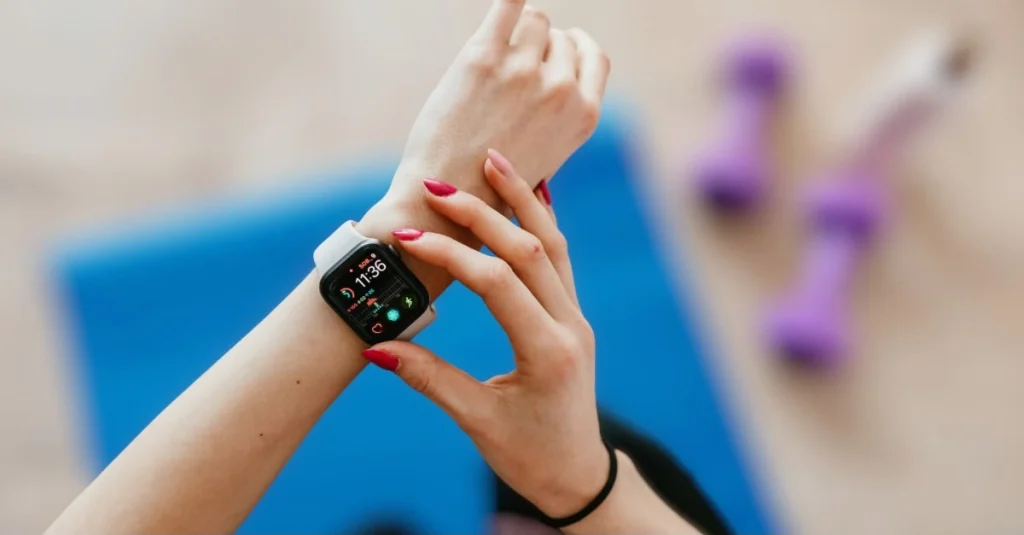
Your workout log doesn’t need to be complicated. A notebook, spreadsheet, or fitness app can all work if they make it easy for you to record the information consistently.
The important thing is being able to compare your current performance with where you started.
4. Track Your Workout Consistency
Progress isn’t only about what happens during a single workout. How consistently you exercise can also tell you whether you’re building a sustainable routine.
For example, completing three workouts most weeks is different from exercising intensely for one week and then stopping for several weeks.
You can keep track of:
- How many days you exercise each week
- How often you complete your planned workouts
- How many weeks you’ve maintained your routine
- Which types of workouts you perform
- How often you take planned rest or recovery days
You don’t need to exercise every day to make progress. The goal is to establish a routine that fits your schedule and that you can maintain over time.
If you’re following a weekly home workout routine, for example, recording each completed session can help you see whether you’re actually following the plan you created.
Consistency also gives your other measurements more meaning. It’s difficult to judge whether a training approach is working when your workouts are too irregular to establish a pattern.
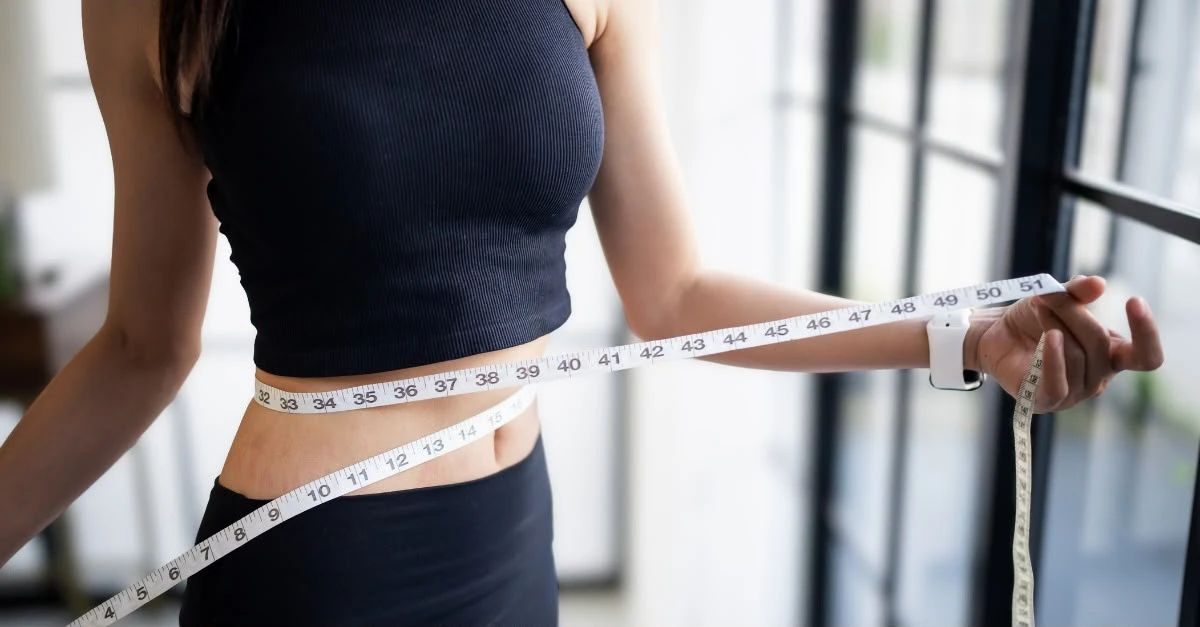
5. Track Body Measurements When They Are Relevant
Body measurements can be useful when your goal involves changes in body composition, but they shouldn’t be the only way you judge your progress.
Depending on your goal, you might track measurements such as your waist, hips, chest, arms, or thighs.
If you choose to do this, try to measure under similar conditions each time. Measuring at different times of day, after different meals, or using different methods can make comparisons less useful.
You can also take progress photos if you’re comfortable doing so. Use similar lighting, clothing, positioning, and camera distance so that you’re comparing similar conditions.
Keep in mind that changes in body measurements can happen gradually. A lack of obvious change from one week to the next doesn’t necessarily mean that your efforts aren’t producing results.
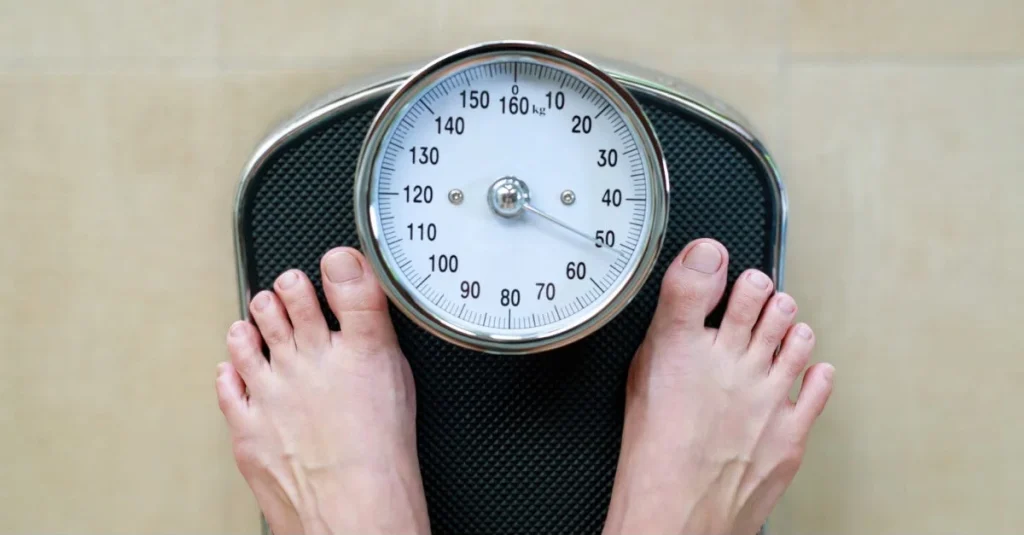
Body weight can also fluctuate because of factors such as food intake, hydration, and other normal changes. For people who choose to monitor their weight, looking at trends over time can provide more context than focusing on one day’s number.
If weight loss is your goal, it’s also worth looking at your overall eating pattern rather than treating the scale as the only measure of success. Your everyday healthy eating habits can play an important role in supporting your overall fitness goals.
6. Pay Attention to Everyday Changes
Some of the most useful signs of progress don’t come from a workout log or measuring tape.
You may notice that everyday activities become easier.
Sometimes carrying groceries doesn’t feel as demanding as it used to. Maybe climbing stairs leaves you less winded, getting up from a chair feels easier, or you have more confidence when performing physical activities.
These changes may not appear on a scale, but they’re still relevant to your overall physical fitness.
Pay attention to changes such as:
- Moving more comfortably
- Having better balance or coordination
- Finding everyday activities easier
- Feeling more capable during physical tasks
- Recovering more comfortably after exercise
- Being able to stay active for longer
These observations can give you another perspective when other measurements don’t seem to be changing quickly.
How Do You Measure Fitness Progress?
To measure fitness progress effectively, choose a few specific things that relate directly to your goal and record them consistently over time.
For example, if you’re working on strength, you might track your repetitions, resistance, exercise technique, and how difficult the workout feels. If you’re improving endurance, you could track how long you exercise, the distance you cover, or how comfortably you complete the activity.
The important thing is to compare similar measurements under reasonably similar conditions.
For example, if you can perform 8 controlled push-ups when you begin and later perform 12 with similar technique, that’s measurable progress. Likewise, increasing the amount of time you can walk comfortably from 20 to 30 minutes shows a change in endurance.
Instead of simply asking, “Am I fitter?” ask more specific questions:
- Can I do something now that I couldn’t do before?
- Can I perform an exercise with better control?
- Can I handle more resistance or repetitions?
- Can I exercise for longer before becoming tired?
- Am I following my routine more consistently?
These questions can give you a clearer picture of your progress than relying on a single number.
How Often Should You Track Your Fitness Progress?
You don’t need to measure every aspect of your fitness every day.
In fact, checking some measurements too frequently can make normal short-term fluctuations seem more important than they are.
A better approach is to match your tracking frequency to the type of measurement.
You can record workout performance during or immediately after each workout. This might include exercises, sets, repetitions, resistance, duration, or distance.
You can even review consistency each week to see whether you’re following your planned routine.
For body measurements or progress photos, a longer interval may make more sense because physical changes usually don’t need to be checked every day.
You can also review your overall progress every few weeks. Look at your workout records and ask whether you’re gradually becoming stronger, more capable, more consistent, or better able to perform the activities that matter to you.
The purpose of tracking isn’t to constantly judge yourself. It’s to collect enough information to understand what is happening and make better decisions about your training.

What Fitness Progress Should You Track After 30?
Your priorities may change as you get older, but the basic idea of tracking progress remains the same: measure the things that matter to your goals and everyday life.
After 30, it can be useful to pay attention to several areas of fitness rather than focusing entirely on appearance or body weight.
1. Strength
Strength can help you perform everyday physical tasks and maintain your ability to stay active.
Track exercises that are part of your routine and look for gradual improvements in resistance, repetitions, control, or overall performance.
2. Cardiovascular Fitness
Pay attention to how comfortably you can walk, jog, cycle, swim, or perform other aerobic activities.
You don’t necessarily need to chase faster times. Being able to remain active for longer or recover more comfortably can also be meaningful.
3. Mobility and Movement
Notice whether certain movements are becoming easier or more comfortable.
For example, you might find that you can squat with better control, move through a greater range of motion, or perform everyday movements without feeling as restricted.
4. Recovery
Recovery is another useful part of your overall fitness picture.
Pay attention to how you feel between workouts and whether your normal training routine allows you enough time to recover.
If you regularly feel excessively fatigued or notice that your performance is consistently declining, it may be worth looking at your training volume, rest, sleep, nutrition, and other factors that could be affecting recovery.
5. Consistency
A workout plan only becomes useful when you can actually follow it.
Instead of judging yourself because you missed an occasional workout, look at your overall pattern. Are you exercising more consistently than you were several months ago? Are you gradually building a routine that fits your life?
That is useful information to track.
Can a Fitness App Help You Track Progress?
Yes. A fitness app can make tracking easier, especially if you want to keep workout records in one place.
Depending on the app, you may be able to record:
- Exercises
- Sets and repetitions
- Resistance
- Workout duration
- Distance
- Pace
- Body weight
- Other personal measurements
Some apps also provide charts or trends that make it easier to see changes over time.
However, you don’t need an app to track your progress effectively.
A simple notebook can work just as well if you consistently record the information that matters to you. You could even create a basic note on your phone with the date, exercise, sets, repetitions, resistance, and a short comment about how the workout felt.
The best tracking method is usually the one you’ll actually continue using.
Don’t choose an app simply because it has dozens of features. If you only need a simple workout log, a complicated system may create more work without giving you useful information.
Create a Simple Fitness Progress Tracking System
You can create your own tracking system in a few simple steps.
Step 1: Choose What You Want to Improve
Start with your goal.
If your goal is to become stronger, you might track resistance, repetitions, and exercise performance.
If your goal is to improve endurance, you might track duration, distance, pace, or how you feel during activity.
If your goal involves weight management, you might combine weight trends with body measurements, activity levels, eating habits, and other relevant changes.
Your measurements should help answer one question: Am I moving toward the result I want?
Step 2: Record Your Starting Point
Before you begin changing your routine, write down where you are now.
This could be your current number of push-ups, the amount of resistance you use, how long you can walk comfortably, or how consistently you’re exercising.
Your starting point doesn’t need to be impressive. It simply gives you something to compare with later.
Step 3: Keep Your Measurements Consistent
Try to measure the same thing in a similar way each time.
For example, if you’re tracking push-ups, don’t compare one set performed with strict technique to another performed with a much shorter range of motion.
If you’re tracking walking, compare similar distances or durations when possible.
Consistency makes your records easier to interpret.
Step 4: Record Your Results
You can use a notebook, spreadsheet, phone note, or fitness app.
Keep the system simple enough that recording your progress doesn’t become a chore.
For a strength workout, you might write: Squats — 3 sets × 12 reps — 20 kg
Then record the same information the next time you perform the exercise.
Over several weeks, these small records can reveal changes that aren’t always obvious from memory.
Step 5: Review Your Progress Periodically
Don’t wait until you feel completely different before looking at your records.
Every few weeks, review your workouts and look for patterns.
Are you performing more repetitions?
Are you using more resistance?
Are your workouts becoming easier?
Are you exercising more consistently?
Are everyday physical activities becoming easier?
If the answer to some of these questions is yes, you have useful evidence that something is changing.
Step 6: Adjust Your Training When Necessary
Tracking is only useful if you do something with the information.
If you’re progressing, you can continue gradually challenging yourself.
If you’ve stopped progressing, look at your training routine and consider whether you need to change the exercises, resistance, volume, recovery, or another part of your approach.
Progress doesn’t always happen in a straight line. The purpose of tracking is to help you understand the bigger pattern rather than react to every small change.

What If You Don’t See Progress?
It can be frustrating to follow a workout routine and feel like nothing is changing. Before assuming that your routine isn’t working, look at how you’re measuring progress and how much time has passed.
Fitness improvements aren’t always obvious from week to week.
You may also be improving in one area while another changes very little. For example, you could become stronger and more consistent with your workouts without seeing a major change in your body weight.
If your progress appears to have stalled, consider these factors.
1. You’re Checking Too Often
Looking for major changes every few days can make normal fluctuations seem like a lack of progress.
Give your body time to adapt and look at longer-term patterns instead of judging yourself based on one workout or one measurement.
2. Your Goal May Not Match Your Measurement
Make sure you’re tracking something that actually relates to what you’re trying to achieve.
If your goal is to improve strength, the number on the scale may not tell you much about whether your strength is improving.
If your goal is to improve endurance, tracking how long you can remain active may be more useful than taking body measurements.
3. Your Training May Not Be Progressing
Your body needs an appropriate challenge to continue adapting.
If you’ve been performing the same workout with the same resistance, repetitions, and difficulty for a long period, you may need to gradually increase the challenge.
That doesn’t mean making every workout harder. Small, manageable changes can be enough.
You might increase resistance, perform an additional repetition, add a set, increase the duration of an activity, or improve your technique.
4. Recovery May Need Attention
Training is only one part of the picture.
Sleep, nutrition, rest days, stress, and your overall schedule can all affect how you feel and perform during exercise.
If you’re constantly exhausted, struggling to complete workouts, or finding that your performance is repeatedly declining, adding more training isn’t necessarily the answer.
Sometimes your routine needs better recovery rather than more work.
5. You’re Comparing Yourself With Someone Else
Your fitness progress should be measured against your own starting point.
Another person’s strength, body shape, workout routine, or rate of progress doesn’t tell you how your own body should respond.
Use your records to compare where you are now with where you were when you started.
Use More Than One Measure of Progress
One of the simplest ways to get a better picture of your fitness is to stop relying on a single measurement.
Imagine that your body weight hasn’t changed significantly over several weeks.
If that’s the only thing you’re tracking, you might conclude that nothing is happening.
But suppose your records also show that you can:
- Perform more push-ups
- Lift more resistance
- Walk for longer
- Complete workouts more consistently
- Move with better control
- Recover more comfortably
That tells you much more about your overall progress.
This doesn’t mean every measurement will improve at the same time. Fitness is made up of several different qualities, and they can change at different rates.
Using a combination of measurements allows you to recognize improvements that might otherwise be missed.
Final Thoughts on Tracking Fitness Progress
Learning how to track fitness progress effectively can change the way you look at your workouts.
Instead of relying only on the scale or waiting for a dramatic physical transformation,you can look at the things that are actually changing: your strength, endurance, consistency, movement, workout performance, and ability to handle everyday activities.
Choose a few measurements that fit your goals, record your starting point, and give yourself enough time to see meaningful trends.
Most importantly, don’t overlook small improvements. Being able to perform an exercise with better control, complete more repetitions, walk farther, or stay consistent with your routine can all be signs that you’re moving forward.
Fitness progress is not always dramatic. Sometimes it’s simply realizing that something that once felt difficult has become easier.
If you’re working on building a stronger and healthier lifestyle after 30, explore more practical guidance in the Fitness After 30 section of Dskulboi Fitness.
Join the Conversation
How do you track your fitness progress after 30?
Do you rely on the scale, progress photos, strength gains, or something else?
Share your experience or favorite tracking method in the comments below. I’d love to hear from you.