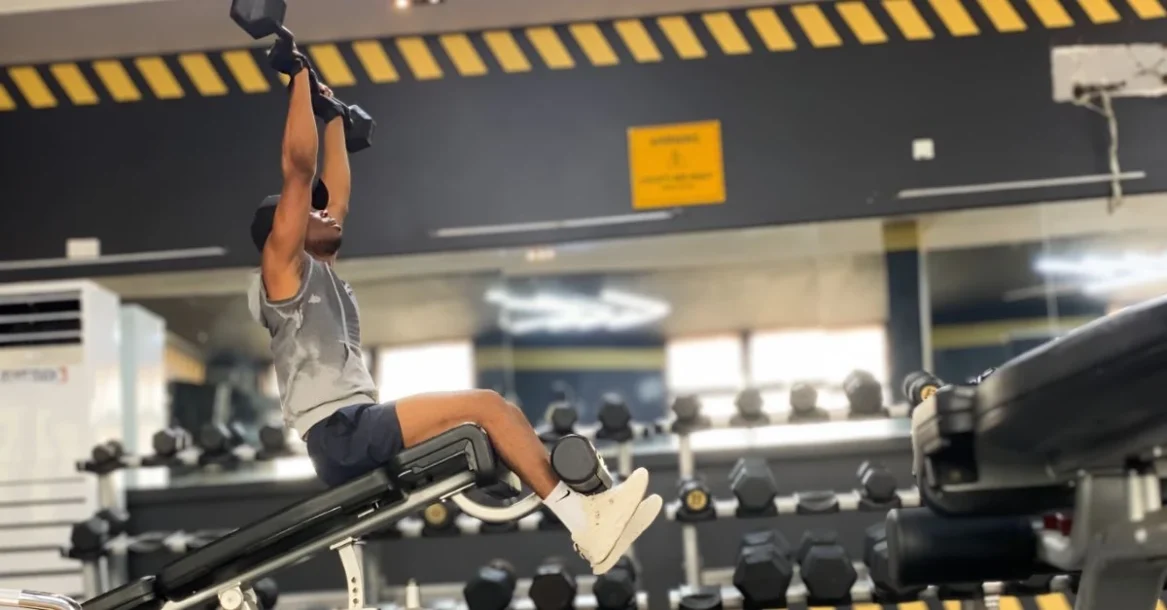
Fitness After 30: A Complete Guide to Staying Strong and Healthy
Table of Contents
ToggleHave you noticed that staying fit feels harder after turning 30? Maybe losing weight takes longer than it used to, your energy levels aren’t the same, or you’re finding it difficult to stay consistent with exercise while balancing work, family, and other responsibilities.
If you’ve been asking yourself these questions, you’re not alone.
The truth is that your body naturally changes as you age, but that doesn’t mean you can’t become stronger, healthier, and more active. In fact, your thirties can be the perfect time to build sustainable fitness habits that improve your health for years to come.
Whether your goal is to lose weight, build muscle, increase your energy, or feel better every day, this guide will show you where to start. You’ll learn why fitness changes after 30, how to create a workout routine that works for your lifestyle, what to eat to support your goals, and how to stay motivated even when life gets busy.
You’ll also find links to more detailed guides throughout this article, making this your complete resource for building and maintaining fitness after 30.
Let’s get started.
Why Fitness Changes After 30
One of the biggest questions people ask is, “Why does staying fit feel so much harder after 30?”
The answer lies in a combination of natural changes that occur as we age. These changes don’t happen overnight, but they can gradually affect how your body responds to exercise, nutrition, and recovery.
Some of the most common changes include:
- A Slower Metabolism: Your metabolism naturally slows down with age, meaning your body may burn fewer calories at rest than it did in your twenties. While this change is gradual, it can make weight management more challenging if your eating and activity habits remain the same.
- Gradual Muscle Loss: Adults begin to lose muscle mass over time if they don’t regularly perform strength-training exercises. Since muscle helps support metabolism and everyday movement, maintaining it becomes increasingly important after 30.
- Longer Recovery Times: You may notice that your muscles stay sore longer after a workout or that you need an extra day of rest before your next training session. Recovery becomes just as important as exercise itself.
- A Busier Lifestyle: Many adults are balancing careers, raising children, managing households, or caring for family members. These responsibilities can make it difficult to prioritize regular exercise.
The good news is that understanding these changes allows you to adapt your fitness routine instead of giving up.
If you’d like a deeper explanation of these age-related changes, be sure to read Why Staying Fit After 30 Feels Harder, where we explore the science behind them and share practical strategies to overcome these common challenges.
Why Fitness After 30 Is More Important Than Ever
Although getting older brings new challenges, staying active offers even greater rewards.
Regular physical activity can help you:
- Maintain lean muscle mass and strength.
- Support a healthy body weight.
- Improve heart health.
- Increase energy throughout the day.
- Strengthen bones and joints.
- Reduce stress and improve your mood.
- Lower the risk of chronic conditions such as type 2 diabetes, high blood pressure, and heart disease.
According to the World Health Organization (WHO), adults should aim for 150 to 300 minutes of moderate-intensity aerobic activity each week, along with muscle-strengthening activities on two or more days. Following these recommendations can significantly improve long-term health and quality of life.
Rather than viewing exercise as a short-term solution for weight loss, think of it as an investment in your future health. Every workout, healthy meal, and positive habit contributes to a stronger body over time.
Start With the Right Mindset
Many people start exercising with plenty of motivation, but lose momentum after only a few weeks. Often, this happens because they’re focused solely on quick results.
Real fitness isn’t built in a month. It’s built through consistent habits repeated over months and years.
Instead of asking yourself, “How quickly can I lose weight?” try asking:
- How can I become healthier this year?
- What habits can I realistically maintain?
- How can I improve a little each week?
This shift in thinking helps reduce frustration and makes it easier to stay committed even when progress feels slow.
It’s also important to remember that setbacks are normal. You might miss a workout because of work, travel, illness, or family commitments. Missing one day doesn’t mean you’ve failed. What matters most is getting back to your routine as soon as you can.
If you’re struggling with motivation or consistency, our guide on How to Build a Fitness Mindset After 30 offers practical strategies to help you develop lasting habits and stay focused on your goals.
Set Realistic Fitness Goals
Before choosing a workout plan or changing your diet, take time to define what you want to achieve.
Your goals might include:
- Losing body fat.
- Building muscle.
- Increasing strength.
- Improving endurance.
- Having more energy.
- Supporting your long-term health.
Whatever your goal, make it specific and achievable.
For example, instead of saying, “I want to get fit,” try setting a goal such as:
“I’ll walk for 30 minutes five days a week and complete three strength-training workouts each week for the next three months.”
Small, realistic goals are easier to stick with than trying to change everything at once.
As you achieve each milestone, your confidence will grow, making it easier to build new healthy habits over time.
In the next section, we’ll explore how to create a balanced fitness routine after 30, including cardio, strength training, flexibility, and recovery to help you build a sustainable lifestyle.
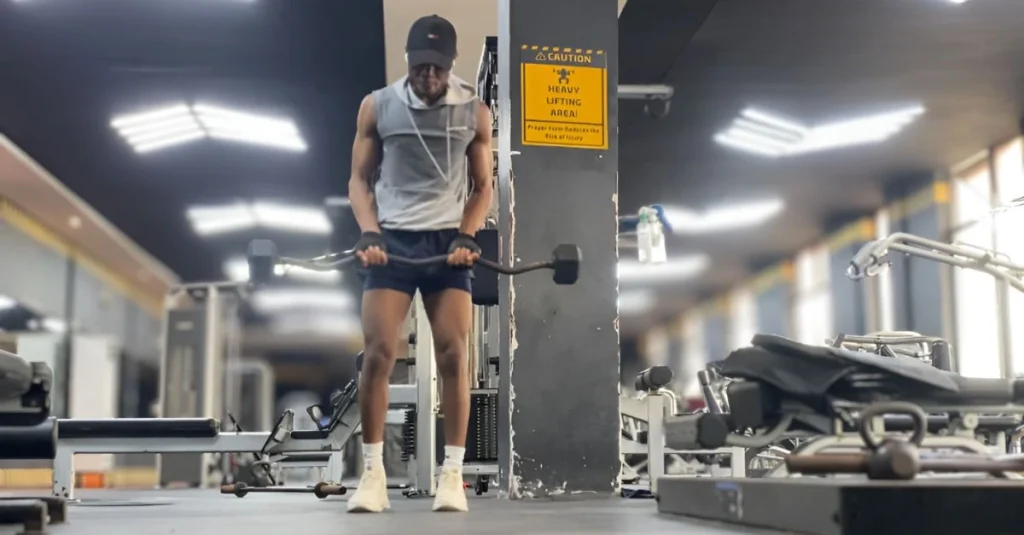
Build a Balanced Fitness Routine After 30
Now that you understand why fitness changes after 30 and have set realistic goals, it’s time to build a workout routine you can stick with.
The best fitness plan isn’t the most complicated one; it’s the one you can follow consistently.
Instead of trying to exercise every day or spending hours in the gym, focus on creating a balanced routine that includes strength training, cardio, flexibility, and recovery.
1. Make Strength Training Your Priority
If you’re over 30, strength training should be the foundation of your fitness routine.
As we age, our bodies naturally lose muscle mass, a process known as age-related muscle loss. Strength training helps slow this process while improving muscle strength, bone health, posture, balance, and metabolism.
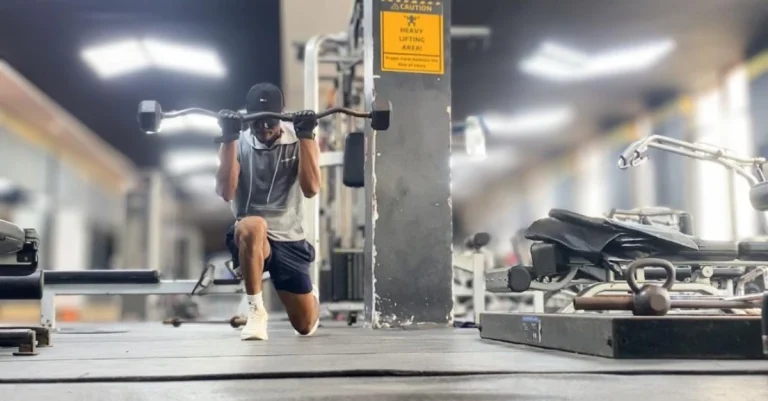
You don’t need expensive gym equipment to get started. Bodyweight exercises, such as squats, push-ups, lunges, glute bridges, and planks, are excellent for beginners. As you become stronger, you can gradually add resistance bands or dumbbells to continue challenging your muscles.
Aim to perform strength-training exercises at least two or three times per week, allowing enough time for recovery between sessions.
If you want a deeper understanding, our Ultimate Strength Training Guide for Adults Over 30 explains how to start safely, choose the right exercises, and make steady progress.
2. Don’t Skip Cardio
Cardiovascular exercise is another crucial aspect of maintaining good health after the age of 30.
Cardio strengthens your heart and lungs, improves endurance, burns calories, and can boost your mood. It also supports weight management when combined with a healthy diet and regular strength training.
You don’t have to spend hours running on a treadmill.
Choose activities you enjoy, such as:
- Brisk walking
- Cycling
- Swimming
- Jump rope
- High knees
- Dancing
- Hiking
The key is to stay active consistently.
If your goal is both fat loss and muscle building, you may wonder whether it’s better to perform cardio before or after lifting weights. The answer depends on your primary goal, which is why we explain it in more detail in our guide, Cardio Before or After Weights: Which Is Better After 30?
3. Improve Flexibility and Mobility
Fitness isn’t just about lifting heavier weights or running longer distances. Your ability to move comfortably also matters.
Stretching and mobility exercises can help improve flexibility, reduce muscle stiffness, and support healthy movement patterns during everyday activities.
Consider adding five to ten minutes of stretching after each workout. Yoga and mobility exercises can also help improve posture, balance, and joint function.
While flexibility may not seem exciting, it’s an important part of long-term fitness that becomes increasingly valuable as you get older.
4. Schedule Rest and Recovery
Many people believe they need to work out every day to see results. In reality, your body grows stronger during recovery, not during the workout itself.
Recovery allows your muscles to repair and adapt to the stress of exercise. Without enough rest, you may experience fatigue, poor performance, or even injuries.
Some simple recovery habits include:
- Getting seven to nine hours of sleep each night.
- Drinking enough water throughout the day.
- Eating enough protein to support muscle repair.
- Taking at least one or two rest days each week.
- Listening to your body when you feel overly tired or sore.
Remember, rest isn’t a sign of weakness; it’s an essential part of progress.
For a deeper look at building better recovery habits, check out our guide on Wellness and Recovery After 30.
Support Your Fitness Goals With Healthy Nutrition
Exercise is only part of the equation. What you eat has a major impact on your energy, recovery, and long-term results.
Rather than following restrictive diets, focus on building balanced eating habits that you can maintain over time.
Try to include:
- Lean sources of protein
- Whole grains
- Fruits and vegetables
- Healthy fats
- Plenty of water
Small improvements, such as cooking more meals at home, reducing sugary drinks, or eating more vegetables, can make a significant difference over time.
For a complete breakdown of healthy eating, meal planning, hydration, protein, and essential nutrients, explore our Nutrition After 30: A Complete Guide.
1. Prioritize Protein
Protein becomes especially important after age 30 because it helps repair muscles after exercise and supports muscle growth and maintenance.
Good protein sources include:
- Eggs
- Chicken breast
- Fish
- Greek yogurt
- Cottage cheese
- Beans
- Lentils
- Tofu
- Lean beef
Including a source of protein with each meal can help you recover more effectively and stay satisfied for longer.
If you’d like to learn more, read our complete guide, Protein After 30: Why It Matters for Muscle and Fat Loss.
2. Stay Hydrated
Hydration is often overlooked, but it’s essential for both performance and recovery.
Even mild dehydration can affect your energy levels, exercise performance, and concentration.
Make it a habit to drink water throughout the day, especially before, during, and after workouts. Your exact needs will vary depending on your activity level, the weather, and your overall health.
Our article Hydration After 30: Mistakes Slowing Fat Loss shares practical tips to help you stay properly hydrated every day.
In the next section, we’ll look at one of the biggest challenges adults face, staying consistent, and explore common mistakes that can slow your progress after 30.
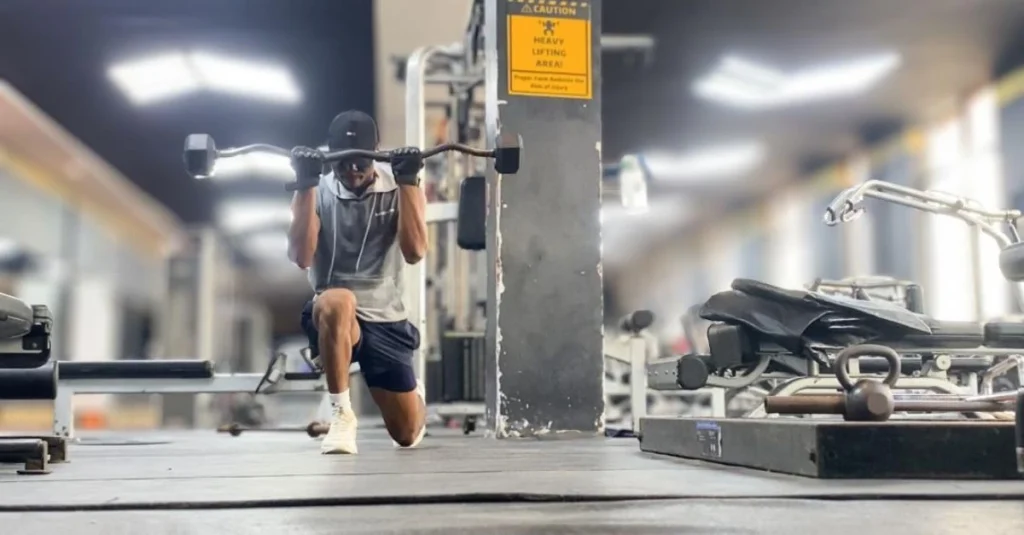
How to Stay Consistent With Fitness After 30
Starting a fitness routine is one thing; sticking with it is another.
Many people begin with excitement and motivation, only to stop after a few weeks when life gets busy or progress slows down. The key to long-term success isn’t motivation; it’s consistency.
Here are a few ways to stay on track:
- Create a Realistic Schedule: Choose workout days and times that fit your lifestyle. If you know you’re busy on weekdays, plan longer workouts for the weekend and shorter sessions during the week.
- Start Small: You don’t have to exercise for an hour every day. Even a 20- or 30-minute workout is better than doing nothing. As your fitness improves, you can gradually increase the duration or intensity.
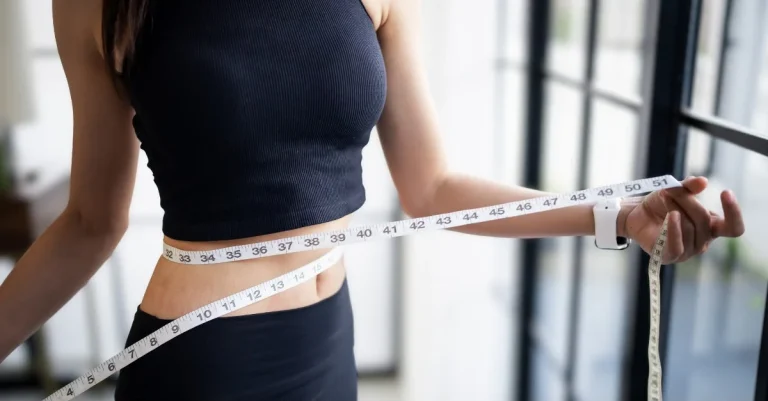
- Track Your Progress: Keep a record of your workouts, body measurements, or personal achievements. Progress isn’t always reflected on the scale. You may notice that you’re getting stronger, sleeping better, or feeling more energetic before you see physical changes.
- Expect Setbacks: Missing a workout doesn’t mean you’ve failed. Everyone has busy days, vacations, or unexpected events. Instead of giving up, get back to your routine as soon as possible.
If consistency has been a challenge for you, don’t miss our article, How to Stay Consistent With Fitness After 30, where we share practical strategies to help you build lasting habits.
Why You May Not Be Seeing Results
If you’ve been exercising consistently but aren’t seeing the results you expected, don’t get discouraged.
Several factors can slow your progress, including:
- Eating more calories than your body needs.
- Skipping strength training.
- Not getting enough protein.
- Inconsistent workouts.
- Poor sleep.
- Unrealistic expectations.
- Not allowing enough time for results.
Remember that healthy, lasting progress takes time. Most meaningful changes happen over months, not days or weeks.
Common Fitness Mistakes to Avoid
Many beginners unknowingly make mistakes that slow their progress.
Some of the most common include:
- Trying to do too much too soon.
- Following extreme diets.
- Skipping warm-ups and cool-downs.
- Ignoring rest days.
- Comparing yourself to others.
- Focusing only on weight instead of overall health.
- Giving up after a few weeks.
Avoiding these mistakes can make your fitness journey more enjoyable and sustainable.
To learn from real experiences, check out My Fitness Mistakes After 30, where I share lessons from my own journey and how I overcame them.
Why Most People Quit Fitness After 30
It’s easy to blame a lack of willpower, but that’s rarely the real reason.
People often quit because:
- They expect quick results.
- Their workout plan isn’t realistic.
- They don’t enjoy their routine.
- Life becomes busy.
- They lose motivation after missing a few workouts.
The solution isn’t finding more motivation; it’s building habits that fit your lifestyle.
If you’d like to understand these challenges in more detail, read Why Most People Quit Fitness After 30.
My Biggest Fitness Lessons After 30
Looking back, one of the biggest lessons I’ve learned is that fitness isn’t about being perfect.
It’s about showing up consistently.
Some weeks you’ll exercise more than others. Some meals will be healthier than others. That’s normal.
What matters is continuing to move forward.
I’ve also learned that:
- Progress is rarely linear.
- Strength matters just as much as appearance.
- Good nutrition supports every workout.
- Recovery is part of training.
- Small habits create lasting results.
If you’d like to read more about my personal experiences, don’t miss:
I hope my experiences encourage you to stay committed to your own journey.
Frequently Asked Questions
Is it harder to get fit after 30?
It can feel more challenging because of natural changes such as a slower metabolism, gradual muscle loss, and increased responsibilities. However, with regular exercise, healthy eating, and consistency, you can still achieve excellent results.
How many days a week should I exercise after 30?
Aim for at least 150 minutes of moderate-intensity physical activity each week, along with strength training on two or more days. Choose a routine that fits your schedule and allows enough time for recovery.
Can I build muscle after 30?
Absolutely. Building muscle is possible at almost any age when you combine strength training with enough protein, proper recovery, and consistent effort.
What’s the best exercise after 30?
There’s no single best exercise. A balanced routine that includes strength training, cardio, flexibility, and mobility exercises provides the greatest overall health benefits.
How long does it take to see results?
Everyone is different, but many people notice improvements in their energy, mood, and strength within a few weeks. Visible changes in body composition often take several months of consistent effort.
Final Thoughts
Fitness after 30 isn’t about chasing perfection or comparing yourself to others. It’s about making choices today that support your health tomorrow.
You don’t need the perfect workout plan, an expensive gym membership, or hours of free time to make progress. What you need is consistency, patience, and a willingness to keep showing up, even on the days when motivation is low.
Start where you are. Focus on one healthy habit at a time. Celebrate every small victory, and remember that lasting results come from the habits you build, not quick fixes.
No matter your age or fitness level, it’s never too late to become stronger, healthier, and more confident.
Join the Conversation
What has been your biggest fitness challenge after turning 30? Have you found a routine or healthy habit that works well for you?
Share your thoughts in the comments below. Your experience could inspire someone else who is just beginning their fitness journey.