
Why You Are Not Losing Weight After 30
Table of Contents
ToggleHave you been eating healthier, exercising consistently, but still wondering why the scale isn’t moving?
If so, you’re not alone. Many adults reach their 30s expecting weight loss to happen the same way it did in their 20s. But after weeks—or even months—of effort, it can be frustrating when the results don’t match your expectations.
I remember going through something similar. I was exercising regularly, cutting back on sugary snacks, and drinking more water, yet the scale barely changed. For a while, I assumed getting older was the problem.
The more I learned about fitness and nutrition, the more I realized my age wasn’t the real issue. I didn’t realize I was overlooking a few everyday habits that were quietly slowing my progress. Once I addressed those habits, I began seeing steady results.
If you’re in the same situation, don’t assume your metabolism is “broken” or that losing weight after 30 is impossible. In many cases, weight loss stalls because of lifestyle habits that can be identified and improved.
In this article, you’ll learn some common reasons you may not be losing weight after 30 and practical strategies to help you get back on track.
Does Turning 30 Really Make Weight Loss Harder?
One of the biggest myths in fitness is that your metabolism suddenly slows down the moment you turn 30.
While your body does change as you get older, turning 30 alone isn’t what causes weight gain.
Instead, several gradual changes often happen around this stage of life, including:
- A slow decline in muscle mass if you don’t strength train regularly.
- Less daily movement because of desk jobs, commuting, or family responsibilities.
- Higher stress levels from work, finances, or parenting.
- Poor sleep caused by busy schedules.
- Eating habits that become less consistent over time.
Together, these changes can reduce the number of calories you burn each day and make it easier to gain weight if your eating habits stay the same.
The encouraging news is that these are lifestyle factors, not permanent barriers.
By understanding what’s happening, you can make targeted changes that support long-term fat loss, rather than relying on restrictive diets or unrealistic workout plans.
Related Reading: If you’re looking for a complete roadmap to healthy fat loss, read Weight Loss After 30: The Ultimate Guide to Fat Loss, where I explain the fundamentals of creating a sustainable weight-loss plan.
Top 9 Reasons Why You Are Not Losing Weight After 30
Here are the most common reasons why you are not losing weight after 30, and learn practical strategies to improve your results and stay on track.
1. You’re Eating Healthy—But You’re Still Eating Too Much
One of the biggest misconceptions about weight loss is that healthy eating automatically leads to weight loss.
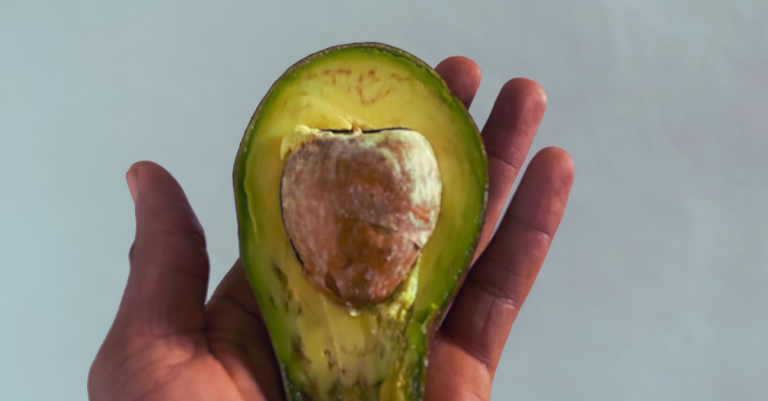
While nutritious foods like avocados, nuts, peanut butter, olive oil, and granola offer many health benefits, they’re also relatively high in calories. If your portions are larger than your body needs, they can make it harder to maintain the calorie deficit needed for weight loss.
For example, an extra spoonful of peanut butter or a few handfuls of nuts each day may not seem like much, but those calories can add up over time.
According to the Centers for Disease Control and Prevention (CDC), losing weight requires consuming fewer calories than your body uses. While choosing nutrient-dense foods is important for overall health, portion sizes still play a crucial role in managing your calorie intake.
Instead of cutting out healthy foods, focus on portion awareness. Occasionally measuring calorie-dense foods, reading nutrition labels, and filling more of your plate with vegetables can help you manage your intake without feeling deprived.
If you’re looking for foods that support healthy, sustainable weight loss, read my guide on Best Foods for Weight Loss After 30.
2. You’re Not Eating Enough Protein
Sometimes, the reason you’re constantly hungry isn’t that you’re eating too little; it’s because you’re not eating enough protein.
Protein helps you feel fuller after meals and plays an important role in preserving lean muscle while you’re losing weight. This is especially important as you age, when muscle mass naturally begins to decline if it isn’t maintained through proper nutrition and strength training.
If most of your meals are built around refined carbohydrates with very little protein, you may find yourself feeling hungry again shortly after eating. That can make it harder to stay in a calorie deficit and increase the temptation to snack throughout the day.
Instead of focusing on cutting calories, look at the balance of your meals. Aim to include a quality source of protein with breakfast, lunch, and dinner to help improve fullness and support your weight-loss goals.
If you’re unsure how much protein you need or which foods are the best sources, read my guides on Protein After 30: Why It Matters for Muscle and Fat Loss and My Protein Mistakes After 30, where I explain the common mistakes I made and how increasing my protein intake helped improve my training and recovery.

3. You’re Losing Muscle Instead of Fat
Many people who try to lose weight focus almost entirely on cardio while overlooking strength training.
While activities like walking, jogging, and cycling are excellent for burning calories and improving heart health, they shouldn’t be your only form of exercise. As you age, your body naturally begins to lose muscle mass if it isn’t challenged through regular resistance training.
According to the National Institute on Aging (NIA), strength training helps maintain muscle, improve strength, and support healthy aging.
Why does this matter?
Muscle burns more calories at rest than body fat, so preserving lean muscle during weight loss can help support a healthy metabolism, improve strength, and make it easier to stay active over time.
Aim to include strength training at least two or three times a week using bodyweight exercises, resistance bands, free weights, or gym machines. You don’t need to lift heavy weights or spend hours in the gym—even consistent, beginner-friendly resistance training can make a meaningful difference.
If you’re not sure where to begin, check out my guide on Best Weight Loss Exercises After 30, where I cover beginner-friendly exercises that can help you build strength while supporting healthy fat loss.
4. You’re Not Getting Enough Quality Sleep
If you’ve been focusing on your diet and workouts but not your sleep, you could be making weight loss harder than it needs to be.
Poor sleep can affect the hormones that regulate hunger and fullness, making you more likely to crave high-calorie foods and snack more throughout the day. It can also leave you feeling too tired to exercise or stay active, making it harder to maintain healthy habits.
Most adults should aim for seven to nine hours of quality sleep each night. Creating a consistent bedtime routine, limiting screen time before bed, and avoiding caffeine late in the day can all help improve your sleep quality.
Don’t underestimate the role sleep plays in your progress. Sometimes, improving your sleep is just as important as improving your diet.
To learn more, read Sleep After 30: How Poor Sleep Affects Weight Gain. You can also check out My Sleep Mistakes After 30, where I share the habits that were affecting my recovery and overall fitness.
5. You’re Moving Less Than You Think
Going to the gym three or four times a week is a great habit, but one workout can’t undo an otherwise sedentary lifestyle.
Many adults spend most of their day sitting at a desk, driving, or relaxing in front of a screen. Even if you exercise regularly, being inactive can reduce the number of calories you burn throughout the day.
The good news is that increasing your daily movement doesn’t mean spending more hours in the gym. Simple habits, such as taking a short walk after meals, using the stairs instead of the elevator, standing up and stretching every hour, or walking while talking on the phone, can all make a difference.
These small changes may seem insignificant, but when done consistently, they can help increase your daily calorie expenditure and support your weight-loss goals.
If your progress has stalled, don’t just look at how often you exercise; pay attention to how much you move throughout the rest of the day as well.
6. Stress Is Affecting Your Eating Habits
As you get older, life often becomes busier. Between work, family, finances, and other daily responsibilities, it’s easy to feel overwhelmed. While some stress is unavoidable, chronic stress can make it harder to stay consistent with healthy habits.
For many people, stress can lead to emotional eating or frequent snacking, especially on high-calorie comfort foods. It can also reduce your motivation to exercise, prepare balanced meals, or get enough sleep, all of which can slow your weight-loss progress.
Although you can’t eliminate stress, you can learn healthier ways to manage it. Going for a walk, exercising, practicing deep breathing, journaling, or doing activities you enjoy can all help you cope without relying on food for comfort.
If stress has become a regular part of your life, it’s worth addressing it just as seriously as your diet and exercise routine. For practical tips on reducing stress and building healthier coping habits, read my guide on How to Manage Stress After 30.

7. You’re Relying Too Much on the Scale
If the number on the scale isn’t changing, it doesn’t always mean you’re not making progress.
Your body weight naturally fluctuates from day to day because of factors such as water retention, sodium intake, hormones, and even the time of day you weigh yourself. These changes can temporarily hide fat loss and make it seem like your efforts aren’t paying off.
Instead of only relying on the scale, look for other signs of progress. Pay attention to how your clothes fit, take progress photos, measure your waist, or track improvements in your strength and fitness.
Remember, successful weight loss isn’t just about seeing a lower number on the scale; it’s about building healthier habits and improving your overall body composition over time.
8. Hidden Calories Are Adding Up
Sometimes, the calories that slow your progress aren’t coming from your main meals; they’re coming from the little extras throughout the day.
Sugary coffee drinks, soft drinks, fruit juices, alcohol, cooking oils, salad dressings, and frequent snacking can all add more calories than you might expect. Because these calories often go unnoticed, they can make it difficult to maintain the calorie deficit needed for weight loss.
That doesn’t mean you have to eliminate every treat or favorite drink. Instead, become more mindful of what you’re consuming between meals and how often you’re adding high-calorie extras to your food.
If your weight loss has stalled, try keeping a food diary for a few days. You may be surprised to discover where those hidden calories are from and also identify small changes that can make a big difference over time.
9. An Underlying Health Condition Could Be Contributing
If you’ve been eating well, exercising consistently, and getting enough sleep, and still aren’t seeing progress after several months, it may be worth speaking with your healthcare provider.
Certain medical conditions, hormonal changes, and some medications can make weight loss more challenging. While these factors don’t make weight loss impossible, they may require a different approach or medical guidance.
Instead of assuming something is wrong with your metabolism, consider getting a professional evaluation if your efforts haven’t produced the results you expected. A healthcare provider can help identify any underlying issues and recommend the most appropriate treatment or lifestyle changes.
Remember, weight loss isn’t the same for everyone. If you’ve been consistent with healthy habits and your progress has stalled, seeking medical advice is a sensible next step, not a sign of failure.
What to Do If Your Weight Loss Has Stalled
If you’re not losing weight after 30, don’t assume you’ve failed or that your metabolism is working against you. In many cases, making a few small adjustments can help you start seeing progress again.
Start by asking yourself these questions:
- Am I eating more calories than I realize?
- Am I getting enough protein?
- Am I strength training regularly?
- Am I moving enough outside of my workouts?
- Am I getting 7–9 hours of quality sleep?
- Is stress affecting my eating habits?
- Am I tracking my progress using more than just the scale?
You don’t have to change everything at once. Choose one or two areas to improve, stay consistent, and give your body time to respond. Sustainable weight loss is built on small habits repeated over time, not quick fixes.
If you’re looking for more common mistakes that may be slowing your progress, read my guide on Weight Loss Mistakes That Stop Progress After 30.
Frequently Asked Questions
Why is it harder to lose weight after 30?
Weight loss can feel more challenging after 30 because of gradual changes in muscle mass, activity levels, sleep, stress, and eating habits. While these changes can slow your progress, they don’t make weight loss impossible. With the right nutrition, regular exercise, quality sleep, and consistency, you can still achieve your goals.
Why am I exercising but not losing weight?
Exercise is only one part of the equation. You may be eating more calories than you realize, not getting enough protein, moving too little outside your workouts, or not getting enough sleep. It’s also worth looking beyond the scale, as improvements in muscle mass and body composition may not always be reflected in your weight.
Can stress stop you from losing weight?
Stress doesn’t directly stop weight loss, but it can make it harder to stick to healthy habits. Emotional eating, poor sleep, reduced physical activity, and frequent snacking are all common responses to chronic stress that can slow your progress.
Should I count calories after 30?
Not necessarily. Many people successfully lose weight by focusing on portion sizes, eating more whole foods, increasing protein intake, and staying active. However, tracking your food for a few days can help you identify hidden calories if your progress has stalled.
When should I see a doctor about weight loss?
If you’ve consistently followed healthy eating and exercise habits for several months without making progress, it’s a good idea to speak with your healthcare provider. They can determine whether an underlying medical condition, medication, or other factor may be affecting your ability to lose weight.
Final Thoughts
If you’re not losing weight after 30, don’t be too quick to blame your age or assume your metabolism is broken. In many cases, stalled progress occurs due to everyday habits that are easy to overlook, such as eating more calories than you realize, not getting enough protein, losing muscle, sleeping poorly, moving less throughout the day, or dealing with ongoing stress.
The good news is that these challenges aren’t permanent. By making small, consistent improvements to your nutrition, activity level, sleep, and daily routine, you can make progress again. Remember, sustainable weight loss isn’t about being perfect; it’s about building healthy habits you can maintain for the long term.
If this article helped you identify what’s been holding you back, take the first step today by choosing one habit to improve this week. Small changes made consistently often lead to the biggest results over time.
Join the Conversation
Have you been struggling to lose weight after 30?
Which of these reasons do you think has been slowing your progress the most? Or have you discovered something else that made a difference in your journey?
I’d love to hear your experience. Share your thoughts in the comments below, and let’s encourage each other to build healthier habits and achieve lasting results.