How to Lose Upper Body Fat After 30: A Complete Guide
Table of Contents
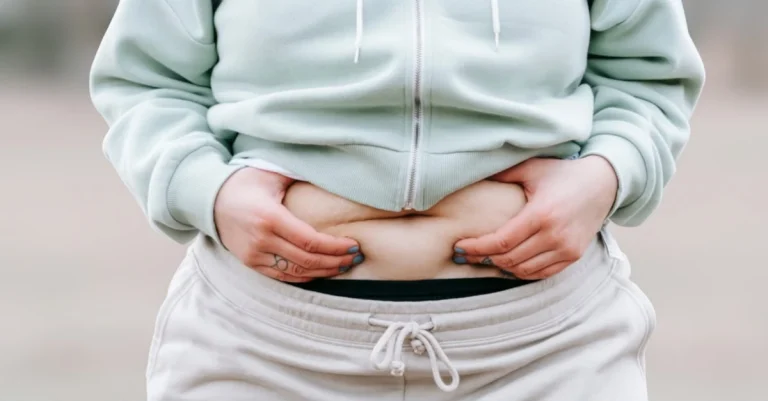
ToggleHave you ever looked in the mirror and wished you could reduce the extra fat around your arms, chest, shoulders, or upper back?
I remember when I first started my fitness journey. I assumed doing more upper-body exercises was the key. I didn’t realize I had it all wrong.
Over time, I learned that building muscle and losing body fat aren’t the same thing. Training one part of the body does not mean you’ll lose fat in that spot.
The moment I shifted my focus from targeting a specific area to improving my overall body composition, I began seeing better results.
If you’re over 30 and wondering how to lose upper body fat, this guide will explain what really works, the mistakes to avoid, and practical strategies to help you build a leaner, stronger, and healthier body.
Why Does Upper Body Fat Become More Noticeable After 30?
If you’ve noticed that fat around your arms, chest, shoulders, or upper back seems harder to lose than it used to, you’re not imagining it.
After the age of 30, the body undergoes several natural changes that can make fat loss more challenging. These changes don’t happen overnight, but they can gradually affect how your body stores fat and responds to exercise.
Some of the most common factors include:
- A gradual decline in muscle mass
- A slower metabolism
- Hormonal changes that influence body composition
- Reduced physical activity due to busy work or family schedules
- Poor sleep and increased stress
The good news is that these changes don’t mean you’re destined to gain weight. They mean that healthy habits become even more important as you age.
If your goal is sustainable fat loss, understanding these changes can help you focus on strategies that actually work rather than chasing quick fixes.
For a more in-depth look at how your body changes with age, be sure to read our Weight Loss After 30: The Ultimate Guide to Fat Loss, where we explore the science behind fat loss and practical ways to maintain a healthy weight.
Can You Lose Fat From Just Your Upper Body?
One of the biggest misconceptions in fitness is that you can burn fat from a specific area of your body by repeatedly exercising that area.
Unfortunately, that’s not how fat loss works.
This concept is known as spot reduction, and research has consistently shown that you can’t choose where your body loses fat first.
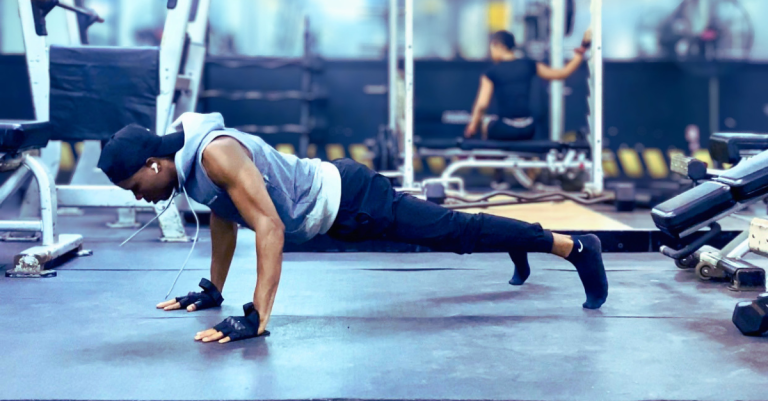
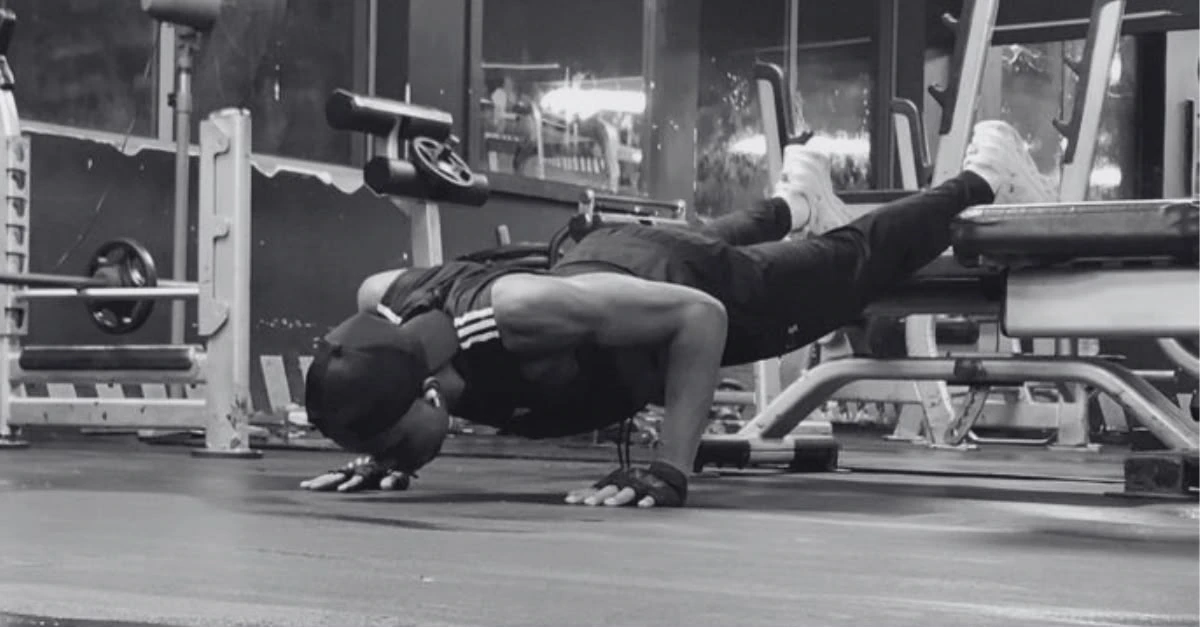
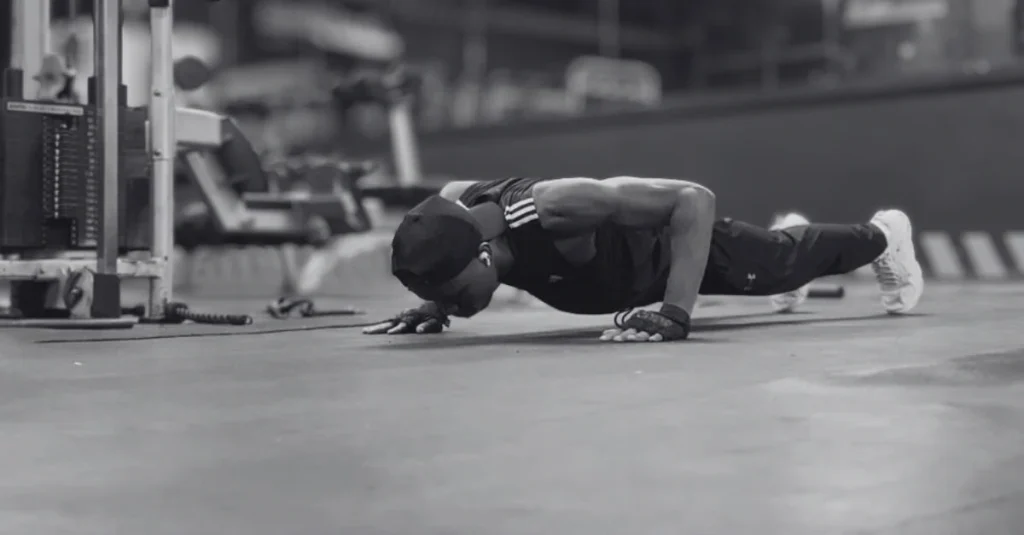
For example, doing hundreds of push-ups each week will strengthen your chest, shoulders, and triceps. Likewise, performing endless arm exercises will help build stronger muscles. However, neither approach will specifically burn fat from those areas.
Instead, your body loses fat from different areas based on factors such as genetics, hormones, age, and your overall body fat percentage.
According to the American Council on Exercise (ACE), reducing body fat requires creating a consistent calorie deficit through a combination of balanced nutrition and regular physical activity, rather than relying on exercises that target a single body part.
This may not be the answer many people hope to hear, but it’s actually good news. Once you understand how fat loss really works, you can stop wasting time on unrealistic workout routines and start focusing on habits that deliver lasting results.
That doesn’t mean upper-body exercises are unnecessary. On the contrary, they’re an important part of building lean muscle, improving strength, and giving your arms, chest, shoulders, and back a more defined appearance as your overall body fat decreases.
What Really Works for Losing Upper Body Fat?
Now that we’ve cleared up one of the biggest myths about fat loss, let’s look at what actually works.
Losing upper body fat isn’t about finding a magic exercise or following a restrictive diet. It’s about combining several healthy habits that work together to reduce your overall body fat while preserving the muscle underneath.
The most effective strategies include:
- Creating a sustainable calorie deficit
- Prioritizing protein at each meal
- Following a regular strength training program
- Including cardio to increase daily energy expenditure
- Getting enough sleep and managing stress
- Staying consistent over time
Let’s start with the most important factor, which is creating a calorie deficit.
1. Create a Sustainable Calorie Deficit
If there’s one factor that has the biggest impact on fat loss, it’s maintaining a consistent calorie deficit.
A calorie deficit means your body burns more calories than it consumes. When this happens consistently over time, your body begins to use stored fat for energy, helping to reduce overall body fat, including fat stored around your upper body.
It’s important to remember that this doesn’t mean starving yourself or following an extremely restrictive diet. In fact, eating too little can leave you feeling tired, increase hunger, and make it harder to stick to healthy habits in the long run.
Instead, focus on building a balanced eating pattern that includes:
- Lean protein
- Whole grains
- Fruits and vegetables
- Healthy fats
- Plenty of water
Small, sustainable changes are usually more effective than drastic diets because they’re easier to maintain over time.
If you’d like to learn more about creating healthy eating habits, be sure to read our Nutrition After 30: A Complete Guide to Healthy Eating, or Healthy Eating Habits After 30: A Complete Guide, where I discuss practical nutrition strategies for long-term success.
2. Prioritize Protein at Every Meal
One of the biggest changes I made during my own fitness journey was paying closer attention to my protein intake.
At first, I thought exercising harder was enough. But as I learned more about nutrition, I realized that getting enough protein played a major role in supporting my progress.
Protein is important because it helps:
- Preserve lean muscle while losing fat
- Support muscle recovery after exercise
- Keep you feeling fuller for longer
- Reduce unnecessary snacking between meals
Maintaining muscle becomes increasingly important after 30 because adults naturally begin to lose muscle with age if they don’t engage in regular resistance training.
The International Society of Sports Nutrition (ISSN) notes that higher protein intakes can help support muscle maintenance and recovery in physically active individuals.
Aim to include a quality source of protein with each meal, such as:
- Chicken breast
- Fish
- Eggs
- Greek yogurt
- Beans and lentils
- Tofu
- Lean beef
For a deeper look at protein requirements and practical meal ideas, check out our Protein After 30: Why It Matters For Muscle and Fat Loss.
3. Make Strength Training Your Priority
If your goal is to lose upper-body fat, don’t make the mistake of avoiding weights.
Many people worry that lifting weights will make them look bulky, but most adults find that strength training actually helps create a leaner, more toned appearance by preserving and building muscle while reducing body fat.
Focus on compound exercises that work multiple muscle groups at once, including:
- Push-ups
- Bench presses
- Dumbbell shoulder presses
- Bent-over rows
- Lat pulldowns
- Chest presses
These exercises not only strengthen your upper body but also burn more calories than isolation exercises because they recruit multiple muscles simultaneously.
Remember, strength training won’t magically burn fat from your arms or chest. Instead, it helps preserve muscle as you lose overall body fat, making those muscles more visible over time.
If you’re just getting started, our Strength Training After 30: A Complete Guide will help you build a safe and effective routine.
4. Don’t Skip Cardio
Although strength training should form the foundation of your workout routine, cardiovascular exercise can also support fat loss by increasing the number of calories you burn each day.
The best type of cardio is one you genuinely enjoy and can do consistently.
Some great options include:
- Brisk walking
- Cycling
- Swimming
- Jogging
- Rowing
- Jump rope
The Physical Activity Guidelines for Americans recommend that adults aim for at least 150 minutes of moderate-intensity aerobic activity each week, along with muscle-strengthening activities on two or more days.
Instead of choosing between cardio and strength training, combine both. Together with a balanced diet, they create a sustainable approach to reducing overall body fat and improving overall fitness.
The key takeaway is that there isn’t a single exercise that melts upper-body fat. Lasting results come from combining good nutrition, adequate protein, regular strength training, cardiovascular exercise, and consistency.
5. Choose Exercises That Build a Stronger Upper Body
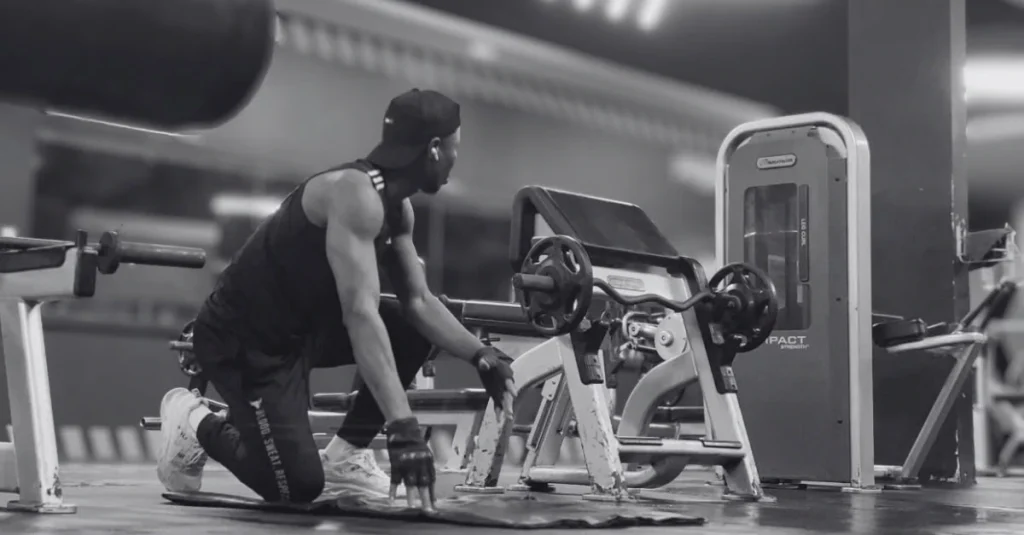
While you can’t spot-reduce fat, strengthening your upper-body muscles can improve your posture, increase your strength, and help create a more defined appearance as your overall body fat decreases.
Aim to include exercises that target all the major upper-body muscle groups rather than focusing on just one area.
Some excellent upper-body exercises include:
- Push-ups
- Dumbbell Chest Press
- Bent-Over Rows
- Lat Pulldowns
- Shoulder Press
- Dumbbell Lateral Raises
- Triceps Dips
- Bicep Curls
If you’re new to resistance training, start with a weight that allows you to perform each exercise with proper form. As you get stronger, gradually increase the weight to continue challenging your muscles.
Remember, consistency is more important than lifting the heaviest weights. A well-structured routine performed regularly will produce better long-term results than occasional intense workouts.
6. Prioritize Recovery and Quality Sleep
Exercise is only one part of the equation.
Your body also needs enough time to recover.
Quality sleep supports hormone regulation, muscle recovery, energy levels, and overall health. Poor sleep, on the other hand, may increase hunger, reduce motivation to exercise, and make healthy weight management difficult to maintain.
Likewise, chronic stress can encourage unhealthy eating habits and affect your consistency.
Aim for 7 to 9 hours of quality sleep each night and find healthy ways to manage stress, such as walking, stretching, meditation, or spending time outdoors.
To learn more about the connection between sleep and body weight, read our How Poor Sleep Affects Weight Gain After 30. You may also find our Wellness and Recovery After 30 guide helpful for building healthier recovery habits.
Common Mistakes That Can Slow Your Progress
When trying to lose upper-body fat, many people unknowingly make mistakes that delay their results.
Here are some of the most common ones to avoid.
- Trying to Spot Reduce Fat: As mentioned earlier, doing endless push-ups or arm exercises won’t specifically burn fat from your upper body. Instead, focus on reducing your overall body fat while building muscle through strength training.
- Skipping Strength Training: Some people rely only on cardio because they believe lifting weights will make them bulky. In reality, strength training helps preserve muscle while losing fat and supports a healthier body composition.
- Following Crash Diets: Extremely restrictive diets may produce quick weight loss initially, but they’re often difficult to maintain. They can also increase the risk of muscle loss and make it harder to sustain your progress. Choose an eating pattern you can realistically follow for months and years, not just a few weeks.
- Expecting Overnight Results: Healthy fat loss takes time. Your genetics, age, activity level, and starting body composition all influence how quickly you notice changes. Instead of chasing rapid results, focus on building habits you can maintain consistently. Small improvements repeated every day often lead to the biggest transformations over time.
Frequently Asked Questions
How long does it take to lose upper-body fat?
There’s no single timeline because everyone is different. Factors such as your nutrition, activity level, consistency, sleep, stress, and starting body composition all play a role. Focus on building sustainable habits instead of expecting immediate results.
What exercise burns the most upper-body fat?
No single exercise burns fat exclusively from the upper body. A combination of strength training, cardiovascular exercise, and a calorie-controlled diet is the most effective way to reduce overall body fat.
Can I lose upper-body fat without going to the gym?
Yes. Bodyweight exercises such as push-ups, chair dips, resistance band workouts, and brisk walking can all support fat loss when combined with healthy eating habits and consistency.
Final Thoughts
Losing upper body fat after 30 isn’t about finding a miracle workout or following the latest diet trend.
As I learned during my own fitness journey, real progress came when I stopped looking for shortcuts and started focusing on the habits that truly matter. Instead of trying to burn fat from a specific area, I focused on eating better, doing strength training, getting enough protein, improving my recovery, and staying patient.
Those small changes didn’t transform my body overnight, but they helped me build a healthier lifestyle that I could maintain.
Remember, your body loses fat, not from a targeted area. By combining balanced nutrition, regular strength training, cardiovascular exercise, quality sleep, and consistency, you’ll not only reduce overall body fat but also build a stronger and healthier body.
Join the Conversation
What’s been your biggest challenge when trying to lose upper-body fat after 30?
Share your experience in the comments below. I’d love to hear your story, and your tips or challenges may help encourage someone else on their fitness journey.