
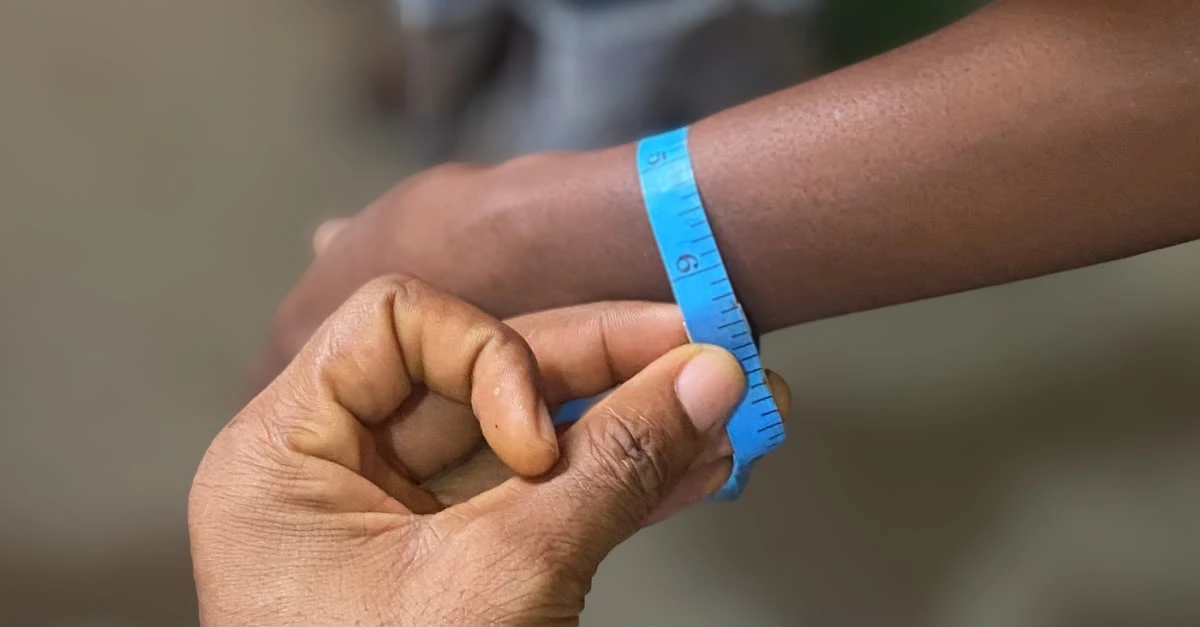
How to Track Weight Loss Progress Effectively
Table of Contents
ToggleHave you ever stepped on the scale expecting to see progress, only to find that your weight hasn’t changed, or has even gone up?
I’ve had moments like that myself, and it can be frustrating when you feel like you’re doing everything right, but the scale isn’t dropping.
This taught me that the scale doesn’t always tell the full story. Your weight can change from day to day because of water retention, food, sodium intake, digestion, and other normal factors.
That’s why tracking weight-loss progress effectively means looking beyond the scale. You also don’t need a complicated tracking system. A few simple methods, used consistently over time, can give you a much clearer picture of whether your efforts are working.
Let’s get started.
What Is the Best Way to Track Weight Loss Progress?
The best way to track weight loss is to use multiple measures rather than relying on the scale alone. Your body weight is useful, but combining it with other indicators can give you a clearer picture of how your body is changing.
You can track your progress by monitoring:
- Body weight to see your overall weight trend.
- Waist and body measurements to notice changes in your body size.
- Progress photos to compare physical changes over time.
- How your clothes fit as another simple non-scale indicator.
- Strength and fitness to see whether your physical performance is improving.
- Habits and observations through a journal or tracking app.
You don’t need to monitor everything. Choose a few practical methods that are easier for you and use them consistently.
The goal isn’t to collect as much data as possible, but to have enough information to recognize meaningful changes over time.
The next step is understanding how to use these methods properly, starting with one of the most common: tracking your body weight consistently.
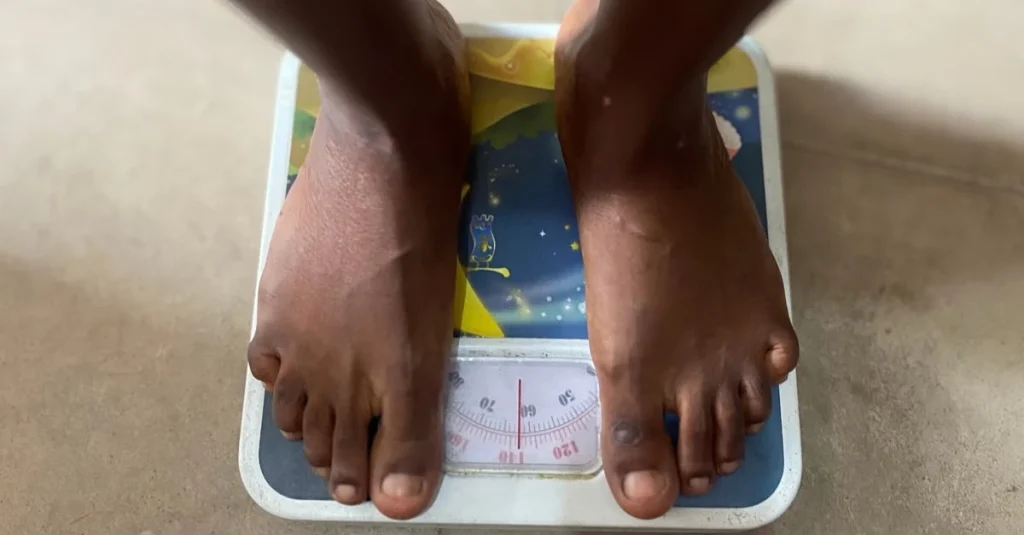
1. Track Your Body Weight Consistently
Tracking your body weight is one of the simplest ways to monitor your weight loss over time. However, don’t let a single weigh-in determine whether you think you’re making progress.
Your weight can naturally fluctuate from day to day because of factors such as water retention, food and fluid intake, sodium, digestion, and physical activity. A small increase doesn’t necessarily mean you’ve gained body fat, just as a sudden drop doesn’t always represent fat loss.
If you choose to weigh yourself, try to keep the conditions similar each time. For example, you could weigh yourself in the morning, after using the bathroom and before eating or drinking. Whether you weigh yourself daily, a few times a week, or once a week is largely a matter of personal preference.
If you weigh yourself regularly, focus on the overall trend rather than individual readings. You may see your weight move up and down throughout the week while the longer-term trend gradually moves downward.
For example, instead of worrying about going from 85 kg to 85.5 kg overnight, look at whether your average weight is gradually decreasing over several weeks.
The National Heart, Lung, and Blood Institute (NHLBI) includes monitoring weight as part of weight-management strategies, which can make it easier to recognize longer-term changes.
Most importantly, don’t let the scale become the only measure of success. Use your weight trend alongside other indicators such as waist measurements, progress photos, and changes in strength and fitness.
2. Measure Your Waist and Other Body Measurements
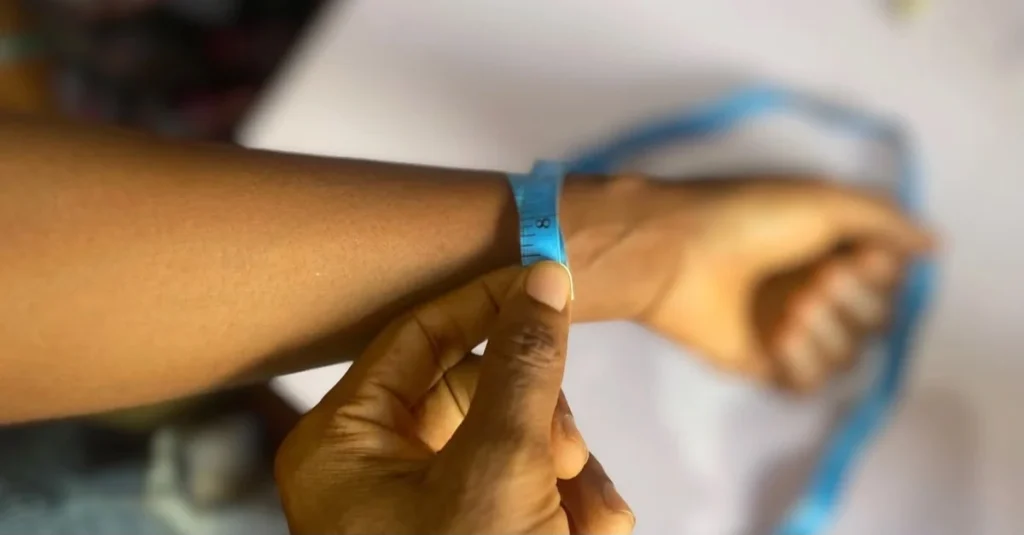
Your waist measurement can help you notice changes that aren’t always obvious from your body weight alone. This can be useful if you’re exercising regularly or trying to lose fat while maintaining or building muscle.
You can also track other parts of your body, such as your hips, chest, thighs, and upper arms. You don’t need to measure every area, though. Choose the relevant measurements that align with your goals and keep them consistent.
When taking measurements, use a flexible tape measure and try to measure under similar conditions each time. For example, measure at the same time of day and avoid pulling the tape too tightly. Record the result so you can compare it with future measurements.
Your measurements don’t need to change every week for your efforts to be working. Body changes can happen gradually, so look at the trend over several weeks rather than expecting noticeable differences after every measurement.
If your weight has remained relatively stable but your waist measurement is gradually decreasing, that can be a useful sign that your body composition is changing. This is one reason measurements can complement the scale rather than replace it.
For guidance on measuring waist circumference correctly, the National Heart, Lung, and Blood Institute (NHLBI) provides information on how waist circumference is measured and used along wth other health measures.
3. Use Progress Photos and Clothing Fit
Progress photos can help you notice physical changes that you can’t see on the scale or a measuring tape. When you see yourself every day, gradual changes can be difficult to recognize, but comparing photos taken several weeks apart can make them easier to spot.
For more meaningful comparisons, try to keep your photos consistent:
- Take them in the same or similar location.
- Use similar lighting.
- Wear similar clothing.
- Stand in the same position.
- Take front, side, and back photos.
- Take them every few weeks instead of every day.
You don’t need to share your photos with anyone. They can be a private way to compare your progress over time.
Pay Attention to How Your Clothes Fit
Your clothes can also provide a simple way to notice changes in your body. Your trousers that feel looser around your waist or a shirt that fits differently can sometimes reveal progress that isn’t obvious on the scale.
This can be especially useful when your weight isn’t changing much, but you’re losing body fat and maintaining or gaining muscle through strength training.
Clothing fit isn’t a precise measurement, so you shouldn’t use it to judge your progress. Instead, consider it another piece of information alongside your weight trend, measurements, photos, and fitness.
4. Track Your Strength and Fitness
If you’re exercising while trying to lose weight, don’t judge your progress by the scale alone. Changes in your strength and fitness can tell whether your body is adapting to your training, even when your weight changes slowly.
For example, you can keep track of:
- How many push-ups, squats, or other exercises you can perform
- The amount of resistance or weight you use
- The number of repetitions or sets you complete
- How long you can walk, jog, or exercise before getting tired
- How your workouts feel compared with a few weeks earlier
This becomes important if you’re losing fat while building or maintaining muscle. Muscle gain can offset some of the weight you lose from body fat, meaning the scale may change more slowly even when your body composition is improving.
For example, you might notice that your waist is getting smaller while you’re lifting more weight or completing more repetitions. Looking at those changes together gives you a better understanding of your progress than focusing only on your body weight.
Keeping a simple workout log can make these improvements easier to see. You don’t need to record every detail; note the exercises, resistance, sets, and repetitions so you can compare your performance over time.
If your goal includes getting stronger as well as losing fat, my strength training guide can be an important part of your overall approach.
5. Keep a Weight-Loss Progress Journal
A weight-loss journal can bring all your progress information into one place. Instead of trying to remember what your weight, measurements, or workouts looked like a few weeks ago, you can record them and look back for patterns.
You don’t need to write a long entry every day. A simple weekly record could include:
- Body weight: Your current weight or weekly average
- Waist measurement: If you’re tracking it
- Workouts: Exercises, sets, repetitions, or resistance
- Activity: Steps, walks, or other physical activity
- Sleep and energy: How rested and energetic you feel
- Observations: Changes in your clothes, appetite, mood, or how your workouts feel
You can use a notebook, spreadsheet, notes app, or a dedicated fitness app. The best option is simply the one you’re most likely to use consistently.
The National Institute of Diabetes and Digestive and Kidney Diseases (NIDDK) recommends tracking behaviors and progress as part of developing healthier habits. Keeping a record can also help you identify what is working and where you may need adjustments.
Your journal doesn’t need to be perfect. Think of it as a record that helps you see the bigger picture, not another task you have to complete perfectly.
6. Use Apps and Wearable Devices to Track Your Progress
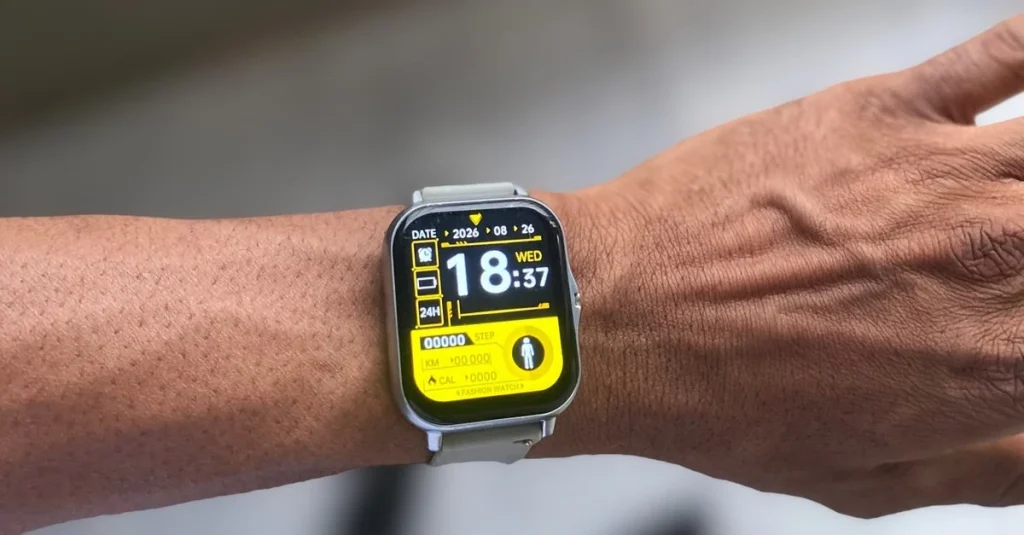
If you prefer using technology, apps and wearable devices can make tracking your progress more convenient. They can bring information such as body weight, physical activity, steps, workouts, and other measurements into one place.
You don’t need a fitness tracker to lose weight, but these tools can be useful if you already have one and enjoy monitoring your activity.
Samsung Health
Samsung Health is useful for recording your body weight and tracking activity, exercise, and other health-related information. This can make it easier to keep your weight and activity records together without relying on separate notes.
Apple Health and Apple Watch
If you use an iPhone or Apple Watch, Apple Health can help you organize health and fitness information from your devices and compatible apps. You can use it alongside other tracking methods to monitor changes in your activity and weight over time.
Oura Ring
An Oura Ring isn’t primarily a weight-loss tracker, but it can provide useful information about your sleep, activity, and recovery. These measurements can complement your weight-loss tracking, particularly if you’re trying to understand how your lifestyle and recovery affect your consistency.
The important thing is not to become overly dependent on technology. Use apps and wearables to make tracking easier, but focus on the overall pattern of your progress rather than trying to interpret every number they provide.
How Often Should You Track Weight Loss Progress?
There’s no need to measure every aspect of your progress every day. The best schedule is one you can follow consistently without making tracking feel like a chore.
A simple routine could look like this:
- Body weight: Daily, several times a week, or weekly. If you weigh yourself frequently, focus on the overall trend rather than individual readings.
- Waist and other measurements: About once a week or every few weeks.
- Progress photos: Every 2–4 weeks.
- Strength and fitness: Record your workouts as you train so you can compare your performance over time.
- Journal or app: Update it as often as needed to keep an accurate record of your progress.
Most importantly, give yourself enough time to see a meaningful pattern. Checking your progress too frequently and reacting to every small change can make normal fluctuations seem more significant than they really are.
Instead, review your results over several weeks. You may find your weight trending downward, your waist getting smaller, your clothes fit differently, or your workouts are improving, even if one measurement hasn’t changed much.
That bigger picture is what makes tracking useful.
What If You’re Losing Weight but the Scale Isn’t Moving?
One of the most frustrating parts of losing weight is doing your best to stay consistent while the scale seems stuck. If this happens, it doesn’t automatically mean that your efforts aren’t working.
Your body weight can temporarily stay the same because of normal changes in water, digestion, and other factors. And if you’re combining fat loss with strength training, you may also be maintaining or gaining muscle while losing body fat.
This is why it’s important to look at several signs of progress together.
For example, you might notice that:
- Your waist measurement is decreasing.
- Your clothes fit more comfortably.
- Progress photos show physical changes.
- You’re getting stronger during your workouts.
- You can exercise for longer or with less effort.
- Your overall weight trend is gradually changing, even if individual weigh-ins fluctuate.
If your weight hasn’t changed for several weeks and none of your other progress indicators are improving, it may be worth reviewing your overall approach.
If you need help with the bigger picture, our complete guide to weight loss after 30 covers the fundamentals of sustainable fat loss, including nutrition, physical activity, and lifestyle habits.
However, if you’ve been consistently following your plan for several weeks and none of your progress indicators are changing, it may be worth reviewing your nutrition, physical activity, and overall routine.
The important thing is to avoid letting one number determine how you feel about your progress. The scale is a tool, not the entire measurement of your success.
How Do You Know Your Weight Loss Progress Is Working?
Tracking your progress is only useful if you know what to look for. Instead of expecting every measurement to improve at the same rate, look for a consistent pattern of positive changes over time.
Some signs that your efforts may be working include:
- Your average body weight is gradually decreasing.
- Your waist measurement is getting smaller.
- Your clothes are fitting more comfortably.
- Your progress photos show noticeable changes.
- You’re maintaining or improving your strength while losing body fat.
- Everyday activities or workouts feel easier.
- You’re becoming more consistent with your nutrition and exercise habits.
You may not see all of these changes at once. For example, your weight might stay stable for a period, while your waist and your strength improve.
This is why it’s better to evaluate several indicators together rather than setting a goal for every measurement to change every week.
Give your body enough time to respond, record your results consistently, and review your progress over several weeks. The goal is to understand the overall direction of your progress, not to chase a perfect number every day.
Final Thoughts
Tracking weight loss isn’t just about watching the number on the scale. Your weight trend, waist measurements, progress photos, clothing fit, strength, fitness, and daily habits can all help you understand how your body is changing.
You don’t need to track everything. Choose a few methods that fit your routine, use them consistently, and give yourself enough time to see meaningful changes.
Most importantly, don’t let a single weigh-in define your progress. Look at the bigger picture, stay consistent, and use your results to understand what is working for you.
Join the Conversation
How do you track your weight loss progress after 30?
Do you rely on the scale, body measurements, progress photos, or fitness milestones?
Share your experience in the comments below. Your tips and insights could help someone else stay motivated on their weight loss journey.