

Why Belly Fat Increases After 30: Causes & What to Know
Table of Contents
ToggleHave you noticed that your belly seems to hold onto fat more easily than it did when you were younger?
For many people, changes in body composition and daily habits can make belly fat more noticeable as they move through their 30s and beyond.
But getting older doesn’t mean you will gain belly fat. Several factors can contribute. The way your body stores fat can change over time, and your waistline can be affected more than body weight alone.
In this guide, we’ll look at why belly fat increases after 30, whether belly fat really increases with age, why it can become more noticeable after 40, and the everyday factors that may contribute to it. We’ll also look at when a larger belly may be more than a cosmetic concern and what you can do about it.
Why Belly Fat Increases After 30?
Belly fat can become more noticeable after 30 for several reasons, but age is not the only explanation. As you get older, changes in muscle mass, physical activity, eating habits, sleep, stress, and the way your body stores fat can all play a role.
One important change is that adults can gradually lose muscle mass as they age, especially when they are not doing regular resistance exercise. Muscle tissue uses energy, so having less muscle can contribute to a lower daily energy expenditure. If your activity and eating habits don’t change as your energy needs change, it can become easier to gain body fat over time.
Your daily movement can also change. Work, family responsibilities, long periods of sitting, and other lifestyle changes may mean you are moving less than you did in your 20s. Even small reductions in daily activity can add up over time.
Eating habits can matter too. As life becomes busier, it can be easier to rely on larger portions, highly processed foods, sugary drinks, or frequent meals and snacks. These habits do not automatically cause belly fat, but regularly consuming more energy than your body uses can contribute to overall weight gain.
Sleep and stress may also influence your weight and eating habits. Poor sleep can affect appetite and food choices, while ongoing stress may make it harder to maintain healthy routines.
So, if you notice more fat around your waist after 30, it doesn’t necessarily mean that your metabolism suddenly stopped working. It is usually more helpful to look at the combination of changes happening in your body and daily life.
For a deeper look at the role of strength training and muscle as you get older, you can also read my guide on strength training after 30.
Does Belly Fat Increase With Age?
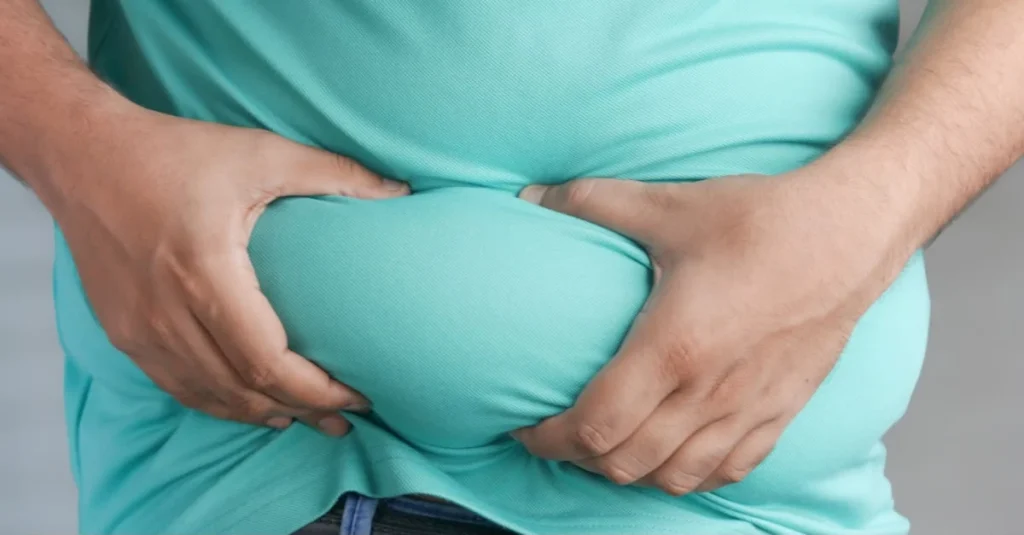
Yes, body composition can change as you get older, and those changes can make abdominal fat more noticeable. However, this doesn’t mean that everyone will automatically develop belly fat as they age.
One reason is that adults can gradually lose muscle mass as they get older, especially when they are not doing regular strength training. Since muscle contributes to how much energy your body uses, losing muscle while becoming less active can make it easier to gain body fat over time.
Fat distribution can also change with age. Some people may start storing body fat around the abdomen and trunk, even when their overall body weight does not change dramatically.
What About Belly Fat After 40?
The changes that can contribute to belly fat after 30 may become more noticeable as you move into your 40s. By this stage, years of reduced activity, gradual muscle loss, changes in eating habits, poor sleep, or other lifestyle factors can add up.
For some women, hormonal changes during the menopausal transition can also affect where fat is stored, with more fat tending to accumulate around the abdomen. Men can also experience changes in body composition as they age, although hormones are only one part of the picture.
Your daily routine matters too. Work, family responsibilities, long periods of sitting, and other lifestyle changes can gradually reduce how much you move compared with when you were younger.
So, if your waistline has changed in your 30s or 40s, it is not necessarily because your body suddenly stopped burning calories. Age can influence body composition and fat distribution, but your activity level, muscle mass, eating habits, sleep, stress, and other lifestyle factors also matter.
Getting older can change how your body composition responds to your habits, but it doesn’t make belly fat inevitable.

What Causes Belly Fat?
Belly fat doesn’t come from one single food, habit, or change in your body. It can develop from a combination of factors that influence your overall body fat and where your body tends to store it.
One major factor is taking in more energy from food and drinks than your body uses. The National Institute of Diabetes and Digestive and Kidney Diseases (NIDDK) explains that eating patterns, physical activity, sleep, medications, health conditions, family history, and genes can all affect body weight.
Your activity level matters as well. Spending more time sitting and moving less during the day can reduce the energy you use. As you get older, maintaining regular physical activity and muscle-strengthening exercise can help support muscle mass and healthy body weight.
Sleep and stress can also influence your eating habits and overall routine. For some people, poor sleep or ongoing stress can make it harder to maintain regular exercise and balanced eating habits.
Genetics can play a role too. Some people naturally tend to store more fat around their abdomen, while others store more fat around different parts of their body. This is one reason two people with similar body weights can have very different waistlines.
It is also important to distinguish between subcutaneous fat and visceral fat. Subcutaneous fat is stored just beneath the skin, while visceral fat is stored deeper inside the abdomen around internal organs. Having too much fat around the abdomen is associated with a higher risk of several health problems, which is one reason waist size can provide useful information beyond body weight alone.
So when you’re asking, “Why am I gaining belly fat?” the answer is usually more complicated than simply getting older. Your age, body composition, activity level, eating habits, sleep, genetics, and other factors can all contribute.
Why Does My Fat Belly Look Pregnant?
A belly can sometimes look larger or more rounded than you expect, even when the change is not entirely due to body fat. Fat distribution, bloating, posture, and the amount of food or gas in your digestive system can all affect how your abdomen looks.
Bloating is one possibility. It can make your abdomen feel full or swollen and may cause your belly to temporarily look larger than usual. According to the National Institute of Diabetes and Digestive and Kidney Diseases (NIDDK), bloating and abdominal distention can be associated with gas in the digestive tract, while digestive conditions can also contribute to these symptoms.
Constipation and certain food intolerances can also contribute to bloating. The NHS notes that common causes of bloating include excess gas, constipation, food intolerance, and some digestive conditions.
But if your abdomen is gradually becoming larger over time and the change is consistent, increased body fat may be part of the explanation. Where your body stores fat varies from person to person, and some people naturally carry more fat around their waist.
This is why it’s important to look at patterns rather than one day’s appearance. If your stomach looks flatter in the morning but becomes noticeably swollen after meals, for example, digestive bloating may be contributing. If your waist has gradually increased over months or years, changes in body fat may be more relevant.
If abdominal swelling is persistent, keeps coming back, or occurs alongside symptoms such as unexplained weight loss, significant pain, vomiting, changes in bowel movements, or a lump or swelling, it is worth speaking with a healthcare professional rather than assuming it is simply belly fat.

Can Stress and Poor Sleep Contribute to Belly Fat?
Stress and poor sleep may not directly “create” belly fat, but they can make healthy weight management more difficult.
When you are stressed, you may find it harder to maintain regular eating and exercise habits. Some people also eat or drink more when they feel stressed, bored, or overwhelmed.
Sleep matters too. Not getting enough sleep may increase hunger, affect food choices, and make it harder to stay physically active.
This does not mean that one stressful week or a few nights of poor sleep will suddenly cause belly fat. The bigger concern is when poor sleep and ongoing stress become part of your routine for a long time.
If you are trying to understand why your waistline has changed after 30, it is worth looking beyond food and exercise. Your sleep, stress levels, daily movement, and overall routine can all be part of the bigger picture.
For more practical information about improving your sleep and recovery alongside your fitness routine, also explore my guide on wellness and recovery after 30.
Can Hormonal Changes Affect Belly Fat?
Hormonal changes can influence where your body stores fat, but they are not the only reason belly fat may increase after 30.
For women, hormonal changes become relevant during the menopausal transition. As estrogen levels change, body fat may become more concentrated around the abdomen. This can happen alongside other changes, such as gradual loss of muscle mass and changes in physical activity.
Men can also experience changes in body composition as they age. However, it would be too simple to blame increasing belly fat on hormones alone. Your activity level, eating habits, muscle mass, sleep, genetics, and overall lifestyle can all influence your waistline at the same time.
This is important because it is easy to assume that any increase in belly fat must mean that something is wrong with your hormones. In reality, many everyday factors can contribute.
If you have noticed a sudden or unexplained change in your body, especially when it comes with other unusual symptoms, it is better to discuss it with a healthcare professional rather than assuming that hormones are responsible.
So, can hormones affect belly fat? Yes, they can play a role, but they are only one piece of the puzzle.

Is Belly Fat Dangerous?
Belly fat isn’t only a cosmetic concern. Having too much fat around the abdomen, particularly visceral fat stored deeper inside the abdominal cavity, increases the risk of several health problems.
Visceral fat is different from the fat you can pinch just beneath your skin. It surrounds internal organs and is metabolically active, meaning it can affect processes in the body. Higher amounts of abdominal fat have been associated with conditions such as type 2 diabetes, heart disease, and other metabolic health problems.
This does not mean that having a little extra fat around your waist automatically means you have a health problem. Body shape varies naturally from person to person, and waist size is only one part of assessing overall health.
However, a steadily increasing waistline can be worth paying attention to, particularly when it occurs alongside other changes such as increasing body weight, high blood pressure, or abnormal blood sugar levels.
This is one reason it is useful to look beyond the number on the bathroom scale. Two people can have the same body weight but very different body compositions and fat distributions.
If you are concerned about your waist size or have other health risk factors, a healthcare professional can help you understand what those changes mean for you.
The goal isn’t to be afraid of belly fat or obsess over having a completely flat stomach. It’s to understand how changes in abdominal fat relate to your overall health and make informed choices about your lifestyle.
Can You Reduce Belly Fat After 30?
Yes. Getting older doesn’t mean that belly fat is permanent.
The important thing to understand is that you cannot choose exactly where your body loses fat first. Instead, reducing overall body fat can gradually reduce fat around your waist.
A combination of regular physical activity, strength training, a balanced eating pattern, adequate sleep, and other healthy lifestyle habits can support healthy weight management. Building or maintaining muscle is also useful as you get older because it helps you stay strong and physically active.
You also do not need an extreme diet or exhausting workout routine to make progress. Consistent habits that you can maintain over time are generally more useful than short-term approaches that are difficult to sustain.
If your main goal is to reduce belly fat, I have a separate guide that goes into the practical steps in more detail: How to Lose Belly Fat.
The key point is that turning 30, 40, or even 50 doesn’t mean you have lost your ability to improve your body composition. Your age is one factor, but your habits and overall lifestyle still matter.
Final Thought
Belly fat can become more noticeable after 30, but getting older isn’t the only reason it happens. Changes in muscle mass, physical activity, eating habits, sleep, stress, fat distribution, and other lifestyle factors can all contribute.
It is also important to remember that everyone’s body changes differently with age. A larger waistline doesn’t automatically mean something is wrong, but a steady increase in abdominal fat can be a useful reason to pay more attention to your overall health and daily habits.
The good news is that turning 30 or 40 does not mean you have to accept belly fat as a permanent part of aging. Building healthy habits and maintaining regular physical activity can still make a difference.
Join the conversation
Have you noticed changes in your waistline after turning 30?
What habits have helped you stay healthy and consistent? Share your experience in the comments below.