Meal Plan for Weight Loss After 30: A 7-Day Guide
Table of Contents
ToggleLosing weight after 30 doesn’t mean you have to survive on salads, skip meals, or follow a strict diet that you cannot maintain.
A good weight-loss meal plan after 30 should provide enough food and nutrients to meet your needs while helping you create a calorie deficit over time. It should also include foods you enjoy, because a difficult plan is unlikely to become a lasting habit.
In this guide, you’ll find a practical 7-day meal plan for weight loss after 30, along with the basics of building balanced meals, creating a reasonable calorie deficit, getting enough protein, and making adjustments based on your needs. You’ll also learn how these same principles can help people lose body fat while maintaining muscle.
What Should a Meal Plan for Weight Loss Include?
A meal plan for weight loss after 30 shouldn’t be about eating as little as possible. The goal is to choose foods that provide the nutrients your body needs while helping you manage your overall calorie intake.
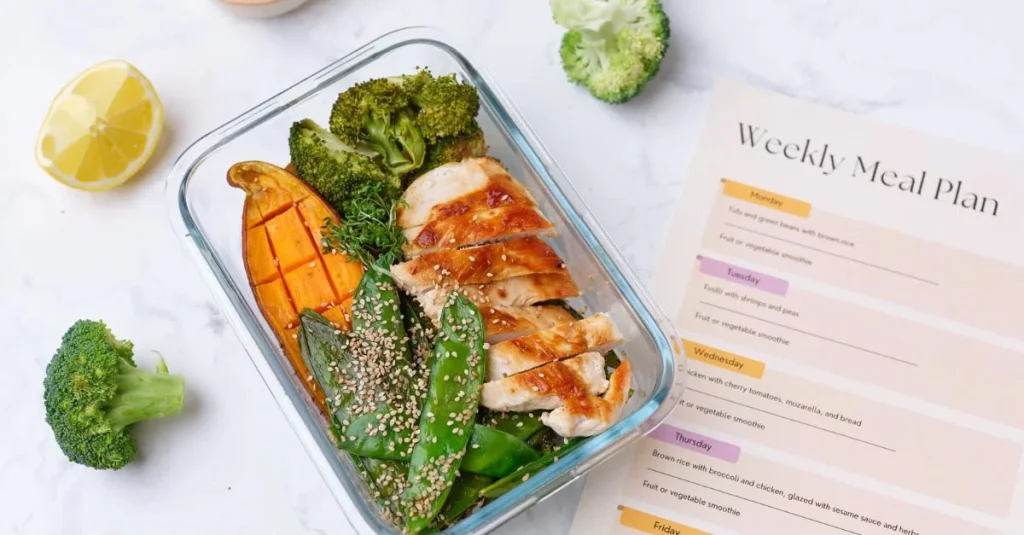
A balanced meal can include a source of protein, high-fiber carbohydrates, vegetables or fruit, and a moderate amount of healthy fat. The right portions will depend on your individual needs, activity level, and weight-loss goals.
1. Protein
Protein can help you maintain muscle while losing weight and may also help you feel satisfied after meals. Good options include eggs, fish, chicken, lean meat, beans, lentils, and plain or Greek yogurt.
If you are combining weight loss with strength training, making protein a regular part of your meals can be especially useful for supporting muscle maintenance. Learn more about why protein matters for muscle and fat loss in my detailed guide.
2. High-Fiber Carbohydrates
Carbohydrates don’t need to be avoided to lose weight. Instead, choose mostly minimally processed, fiber-rich options such as oats, brown rice, whole-grain foods, beans, potatoes, sweet potatoes, fruits, and vegetables.
Fiber can help make meals more filling and also support digestive health.
3. Vegetables and Fruits
Vegetables and fruits provide vitamins, minerals, fiber, and other beneficial nutrients. Including a variety throughout the day can make your meals more satisfying without relying heavily on highly processed foods.
Try to include vegetables with your main meals and choose whole fruits more often than fruit-based drinks.
4. Healthy Fats
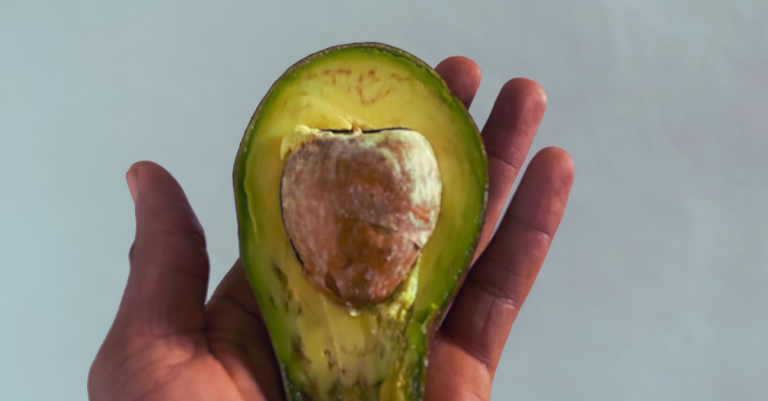
Foods such as avocado, nuts, seeds, and some vegetable oils can provide healthy fats and important nutrients. However, fats are high in calories, so portion size still matters when your goal is weight loss.
5. Water and Other Drinks
What you drink can also affect your overall calorie intake. Water is a simple choice, while unsweetened tea or coffee can also fit into a weight-loss meal plan.
Sugary drinks, sweetened juices, and other high-calorie beverages can add substantial calories without making you feel as full as a balanced meal.
The aim is not to create a perfect diet. It is to build meals that are nutritious, satisfying, and realistic enough for you to follow consistently.
How Does a Calorie Deficit Help With Weight Loss After 30?
If you want to lose weight, the amount of energy you get from food and drinks matters. A calorie deficit occurs when you consistently consume fewer calories than your body uses.
This doesn’t mean you need to reduce your intake. A reasonable calorie deficit can allow you to eat nutritious meals while gradually losing weight.
Your calorie needs are different from someone else’s. Factors such as your age, sex, body size, activity level, and overall lifestyle can affect how much energy your body uses each day. That is why copying another person’s calorie intake or meal portions may not produce the same results.
How to Create a Calorie Deficit With Food
You can make your meals more supportive of weight loss without removing entire food groups. Some practical approaches include:
- Choosing mostly whole or minimally processed foods
- Including protein in your main meals
- Eating plenty of vegetables and whole fruits
- Choosing high-fiber carbohydrate sources
- Being mindful of portions of calorie-dense foods
- Limiting sugary drinks and other foods that add a lot of calories without providing much satiety
You also do not need to make every meal extremely small. A balanced meal that keeps you satisfied may be easier to follow consistently than a restrictive diet.
What About Exercise?
Exercise can increase the amount of energy your body uses and can support your overall health. Strength training is also useful when your goal is to lose body fat while maintaining muscle.
However, you do not have to rely on exercise alone to create a calorie deficit. Your eating pattern, daily movement, exercise, sleep, and other lifestyle factors can all contribute to your overall weight-management approach.
The goal is to find an approach that creates a sustainable calorie deficit without leaving you constantly hungry or making your diet impossible to maintain.
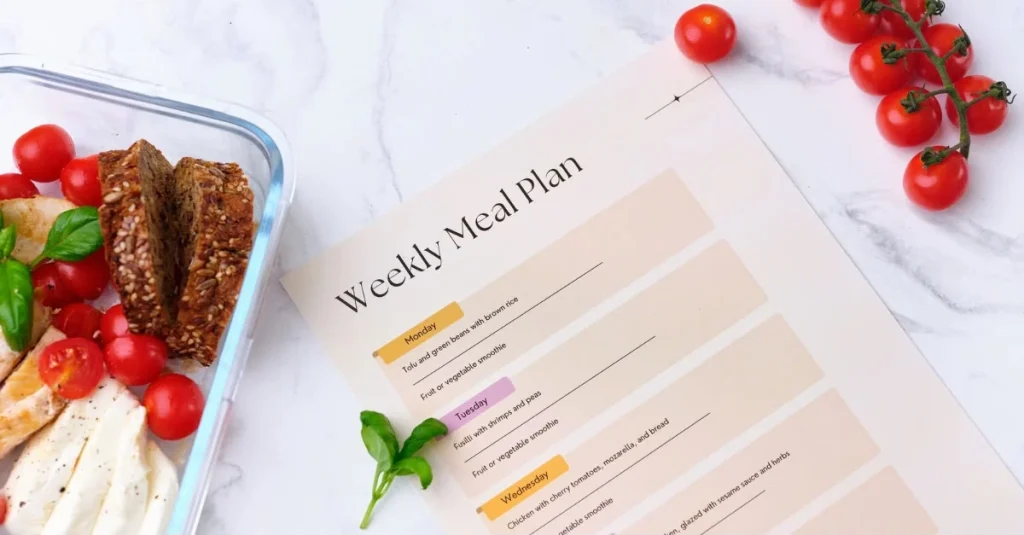
7-Day Meal Plan for Weight Loss After 30
The best meal plan for weight loss is one that helps you create a manageable calorie deficit while providing enough protein, fiber, vitamins, minerals, and other nutrients your body needs.
It also needs to be realistic enough for you to follow consistently. There is no single meal plan that works for everyone. Your food preferences, budget, activity level, calorie needs, and health goals can all affect which approach works for you.
For some people, that may mean eating familiar foods such as rice, beans, fish, chicken, vegetables, fruits, potatoes, or plantain while paying attention to portions. You do not necessarily need to eliminate your favorite foods to lose weight.
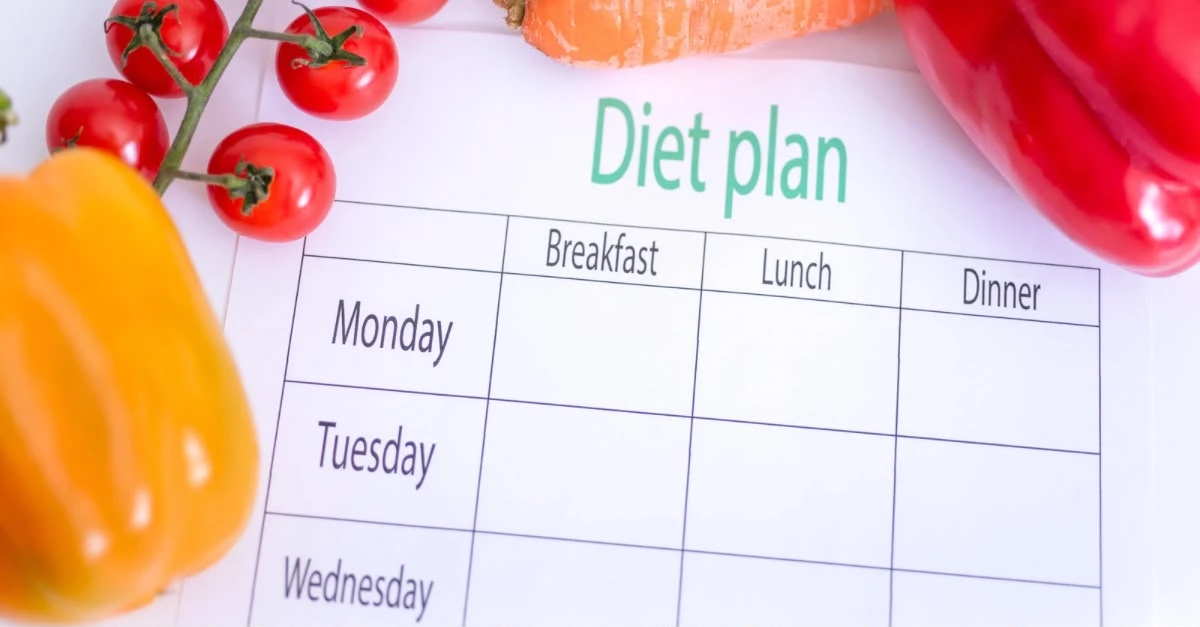
The 7-day meal plan below is therefore not a strict diet that you must follow perfectly. Instead, it gives you a practical framework for building balanced meals while working toward your weight-loss goal.
Day 1
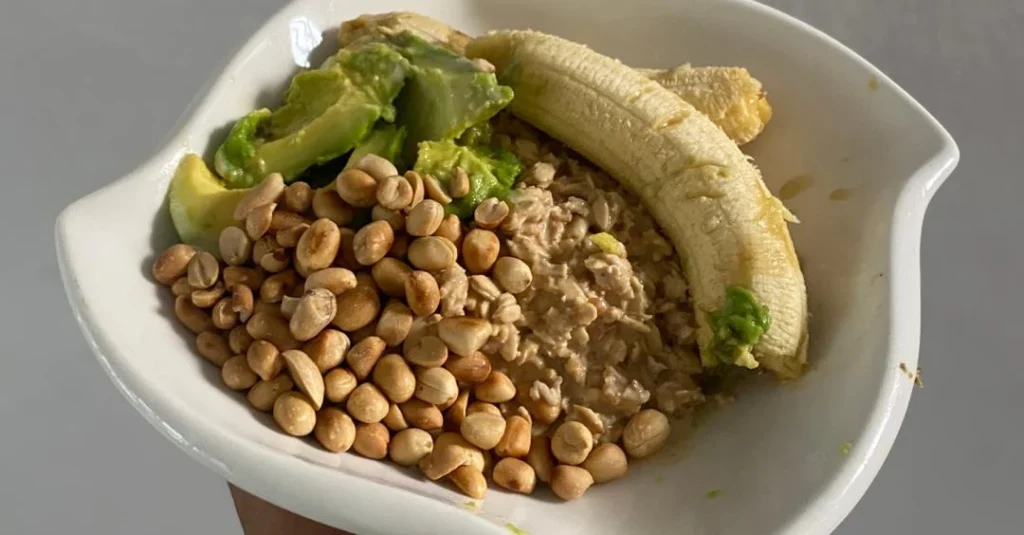
- Breakfast: Oatmeal topped with banana and a small amount of nuts or seeds.
- Lunch: Grilled chicken with brown rice and a generous serving of mixed vegetables.
- Dinner: Beans with a moderate portion of boiled or baked sweet potato and vegetables.
- Optional snack: A piece of whole fruit or plain yogurt.
Day 2
- Breakfast: Two eggs with whole-grain bread and a serving of fruit.
- Lunch: Grilled fish with boiled potatoes and a side of vegetables.
- Dinner: Chicken and vegetable stew with a moderate portion of brown rice.
- Optional snack: An apple, an orange, or a small handful of nuts.
Day 3
- Breakfast: Plain or Greek yogurt with oats, fruit, and a small serving of nuts.
- Lunch: Beans with a moderate portion of rice and vegetables.
- Dinner: Grilled chicken or fish with vegetables and boiled sweet potato.
- Optional snack: Whole fruit or plain yogurt.
Day 4
- Breakfast: Oatmeal with fruit and a boiled egg.
- Lunch: Brown rice with grilled fish or chicken and mixed vegetables.
- Dinner: Bean and vegetable meal with a small portion of boiled plantain.
- Optional snack: A piece of fruit and a small handful of nuts.
Day 5
- Breakfast: Eggs with whole-grain bread and fruit.
- Lunch: Chicken and vegetable stew with brown rice or another high-fiber carbohydrate.
- Dinner: Grilled fish with sweet potato and vegetables.
- Optional snack: Plain yogurt or whole fruit.
Day 6
- Breakfast: Oatmeal with banana and a small amount of nuts or seeds.
- Lunch: Beans with vegetables and a moderate serving of boiled plantain.
- Dinner: Grilled chicken with potatoes and a large serving of vegetables.
- Optional snack: An orange, an apple, or plain yogurt.
Day 7
- Breakfast: Eggs with whole-grain bread and fruit.
- Lunch: Grilled fish or chicken with rice and vegetables.
- Dinner: Beans with sweet potato and vegetables.
- Optional snack: Fruit or plain yogurt.
How to Customize This Meal Plan
You do not have to follow this 7-day meal plan exactly as written. Use it as a starting point and adjust the foods and portions to fit your preferences, budget, activity level, and individual needs.
For example, you can replace chicken with fish, eggs, or beans, or swap rice for potatoes, sweet potatoes, plantain, or another carbohydrate you enjoy. If you live in Nigeria, you can also build your meals around familiar foods rather than trying to follow a diet designed for another country.
Your portions may also need to change depending on your calorie needs and activity level. Someone who exercises regularly may need more food than someone less active.
Preparing some foods ahead of time can also make the plan easier to follow. Cooking beans, rice, chicken, fish, or vegetables in advance can give you nutritious options when you are short on time.
The goal is not to follow these seven days perfectly. It is to use the plan as a practical framework for creating balanced meals you can continue eating consistently.
Can You Lose Weight and Gain Muscle After 30?
Yes, it is possible to work toward losing body fat while maintaining or gaining muscle, although results vary from person to person. Your nutrition and training approach matter.
When your goal is to lose weight without unnecessarily losing muscle, your meal plan should provide enough protein and nutrients while avoiding an overly aggressive calorie restriction.
Include Protein at Your Meals
Protein provides amino acids that your body needs to build and maintain muscle. Good choices include eggs, fish, chicken, lean meat, beans, lentils, and yogurt.
Instead of getting all your protein from one meal, include a protein source regularly throughout the day.
Combine Your Meal Plan With Strength Training
Nutrition is only part of the equation. Resistance or strength training gives your muscles a reason to adapt and can help support muscle maintenance while you lose weight.
If you are new to strength training, start with exercises you can do safely and increase the challenge as you get stronger. You can learn more in my guide on Strength Training for Weight Loss After 30.
Avoid an Extremely Restrictive Diet
It can be tempting to cut your food intake dramatically when you want faster results. However, a very restrictive approach can make it harder to get enough protein, fiber, vitamins, minerals, and other nutrients.
Instead, focus on a moderate approach that you can maintain.
Does This Meal Plan Work for Men and Women?
The basic principles are similar for both men and women: eat a nutrient-dense diet, manage your calorie intake, consume adequate protein, and combine healthy eating with regular physical activity.
However, calorie and nutrient needs can differ between individuals. Factors such as body size, activity level, age, and sex can affect how much food someone needs.
For that reason, the meal plan above should be treated as a flexible example rather than a fixed diet that every man or woman should follow.
The goal is not simply to make the number on the scale smaller. A sustainable approach should help you lose excess body fat while giving your body the nutrition and support it needs to stay active and strong.
Can a Weight-Loss Meal Plan Help Support Healthy Blood Pressure?
A healthy meal plan can support more than weight management. The foods you choose and the amount of sodium in your diet can also play a role in blood pressure.
One eating pattern that has been well studied for blood pressure is the DASH (Dietary Approaches to Stop Hypertension) eating plan. The National Heart, Lung, and Blood Institute recommends an eating pattern that emphasizes vegetables, fruits, whole grains, fish, poultry, beans, nuts, and lower-fat dairy products while limiting foods high in saturated fat, added sugars, and sodium.
You don’t have to follow the DASH plan exactly to apply some of these principles to your weight-loss meals.
Choose More Foods Rich in Fiber and Nutrients
Vegetables, fruits, beans, whole grains, and other minimally processed foods can provide fiber and important nutrients while fitting into a calorie-conscious eating pattern.
For example, you could add vegetables to rice and chicken, include beans with a meal, choose whole fruit instead of sugary drinks, or replace some highly processed foods with simpler options.
Pay Attention to Sodium
Eating too much sodium can increase blood pressure. The CDC recommends reducing sodium intake and choosing more foods such as fruits and vegetables while limiting highly processed and prepared foods that can contain large amounts of sodium.
When preparing meals at home, you can gradually reduce the amount of salt you use and add flavor with herbs, spices, garlic, ginger, onions, or citrus instead.
Weight Loss and Blood Pressure Can Overlap
If you are overweight or obese, working toward a healthier weight can be part of a broader approach to blood-pressure management.
However, a meal plan for weight loss should not be presented as a replacement for medical care. If you have high blood pressure or take blood-pressure medication, speak with your healthcare professional before making major dietary changes.
A practical approach is to build meals around vegetables, fruits, whole grains, beans, fish, lean protein, and other nutrient-dense foods while being mindful of portions, sodium, and overall calorie intake. These principles can support both your weight-management goals and a heart-healthy eating pattern.
Common Mistakes to Avoid With a Weight-Loss Meal Plan After 30
Having a meal plan can make weight loss easier, but the way you follow it also matters. Some common mistakes can make an otherwise healthy eating plan difficult to maintain.
1. Eating Too Little
Cutting your food intake too aggressively may seem like a faster way to lose weight, but it can make your diet difficult to maintain and may make it harder to meet your nutritional needs.
Instead of trying to eat as little as possible, focus on balanced meals with protein, vegetables, fruits, high-fiber carbohydrates, and appropriate portions.
2. Eliminating Carbohydrates Completely
You don’t need to eliminate carbohydrates to lose weight. Foods such as oats, beans, rice, potatoes, sweet potatoes, fruits, and whole grains can all fit into a balanced meal plan.
What matters is the overall amount you eat and how those foods fit into your daily calorie needs.
3. Focusing Only on the Scale
Your body weight can change day to day for several reasons, so one weigh-in can’t tell you about your progress.
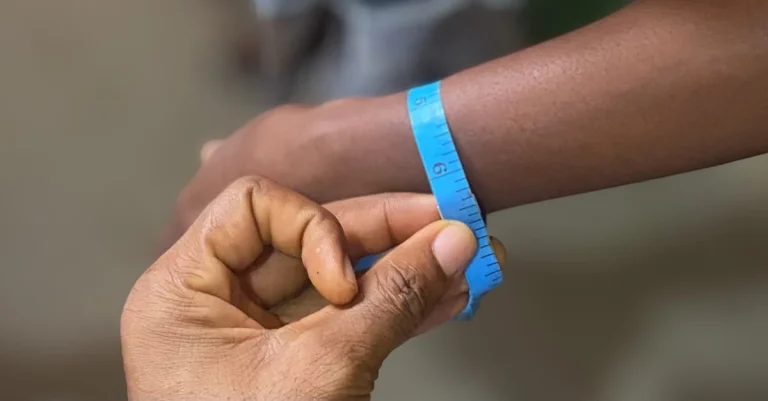
Instead, look at your progress over time. You can also pay attention to changes in your waist measurement, strength, energy levels, fitness, and how consistently you are following your eating plan.
4. Ignoring Portions Because the Food Is Healthy
Healthy foods still contain calories. Nuts, seeds, oils, avocado, rice, and other nutritious foods can be part of a weight-loss diet, but eating very large portions can make it harder to maintain a calorie deficit.
Learning reasonable portions can therefore be just as useful as choosing nutritious foods.
5. Trying to Follow Someone Else’s Exact Diet
A meal plan that works for one person may not provide the right amount of food for another.
Your calorie and nutrient needs can be affected by factors such as age, sex, body size, physical activity, and other individual circumstances.
Use the 7-day plan in this guide as a framework rather than a prescription.
6. Giving Up After One Unplanned Meal
Eating a meal that doesn’t fit your plan perfectly doesn’t mean you have failed.
You can return to your normal eating pattern at the next meal.
The goal is not perfection. It’s building habits that you can continue over time.
7. Forgetting About Drinks
It is easy to focus on food while overlooking what you drink. Sugary drinks, sweetened beverages, and some specialty coffees can add calories without providing the same fullness as a balanced meal.
Water can be a simple choice for everyday hydration, while unsweetened tea or coffee can also fit into many eating patterns.
If you want more ideas to support your weight-loss journey beyond food, you can also read my guide on Best Morning Habits for Weight Loss After 30.
Final Thoughts
Losing weight after 30 doesn’t require a perfect diet or a list of foods you can never eat again. A better approach is to build meals around nutritious foods, manage your portions, include enough protein and fiber, stay active, and create a calorie deficit that you can maintain.
The 7-day meal plan in this guide can give you a starting point, but you can adjust the foods and portions to fit your preferences, budget, culture, activity level, and individual needs.
If you are trying to lose body fat while maintaining muscle, combine your eating plan with regular strength training and adequate protein. If you have a health condition or specific nutritional needs, consider speaking with a qualified healthcare professional or registered dietitian before making significant changes to your diet.
Most importantly, don’t feel that you have to change everything at once. Start with a few realistic habits, stay consistent, and build from there.
Join the Conversation
Have you tried a meal plan to lose weight after 30? Join the conversation and share what has worked for you.