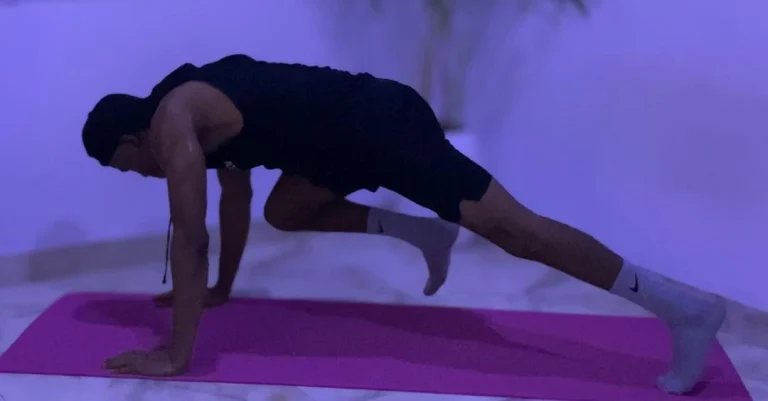

Home Workout Mistakes That Slow Your Progress After 30
Table of Contents
ToggleHave you been working out at home consistently but still not seeing the results you expected?
If so, your workout routine may not be the problem. Sometimes, a few simple mistakes can hold back your progress without you even realizing it.
After turning 30, building muscle, losing fat, and improving your fitness often require a smarter approach rather than simply exercising more. Factors such as proper technique, workout planning, nutrition, and recovery all play a role in helping you achieve long-term results.
I’ve experienced this myself. Early in my fitness journey, I believed that working out every day and pushing myself as hard as possible would produce faster results.
Instead, I often felt tired and frustrated because I wasn’t paying enough attention to recovery or following a structured plan. Once I focused on training with purpose instead of simply training harder, I began to notice steady progress.
In this guide, you’ll discover the most common home workout mistakes that slow your progress after 30, why they matter, and how to avoid them so you can train more effectively and stay consistent.
Why Avoiding Home Workout Mistakes Matters After 30
As we get older, our bodies naturally recover more slowly than they did in our twenties. That’s why making avoidable mistakes can have a greater impact on your progress.
Whether your goal is to build muscle, lose weight, or improve your overall fitness, following a well-balanced routine can help you get better results while reducing the risk of injury.
According to the American College of Sports Medicine (ACSM), adults should engage in muscle-strengthening activities at least 2 days a week along with regular aerobic exercise to support long-term health and physical function.
If you’re looking for a comprehensive guide to exercising at home, I recommend reading Home Workouts After 30: A Complete Guide to Staying Fit at Home. It covers everything from choosing the right exercises to creating a sustainable fitness routine.
8 Home Workout Mistakes That Slow Progress
Here are eight common home workout mistakes that can slow your progress after 30. By recognizing and avoiding these mistakes, you’ll be better prepared to build strength, lose fat, and achieve long-term fitness results.
1. Skipping Your Warm-Up
Many people are eager to start their workout and jump straight into the first exercise. While this might save a few minutes, it can reduce your performance and increase your risk of injury.
A proper warm-up prepares your muscles, joints, and cardiovascular system for exercise. It also improves mobility and helps your body transition safely into more demanding movements.
A simple warm-up can include:
- Brisk walking or marching in place.
- Arm circles.
- Bodyweight squats.
- Leg swings.
- Dynamic stretches.
You don’t need a long warm-up; just 5 to 10 minutes is enough for most home workouts.
If you’re new to exercising, my Beginner Home Workout Plan After 30 includes beginner-friendly routines that start with proper preparation and gradually increase in intensity.

2. Exercising Without a Plan
One of the biggest mistakes I made was deciding what to do only after I started my workout. Some days I focused only on cardio, while other days I repeated the same exercises because they felt familiar. Although I was staying active, I wasn’t making consistent progress.
Having a structured workout plan helps you train all major muscle groups, balance strength training with cardio, and schedule recovery days. It also makes it easier to stay motivated because you know exactly what you’ll be doing each day.
A good weekly routine should include:
- Strength training sessions.
- Cardiovascular exercise.
- Mobility or flexibility work.
- Rest and recovery.
If you’re not sure how to organize your workouts, my guide How to Plan Weekly Home Workouts After 30 will help you build a routine that fits your goals, fitness level, and schedule.
For those who are starting, you can also find Beginner At-Home Strength Training helpful for learning the fundamentals of safe and effective resistance training.
3. Doing Too Much Cardio and Not Enough Strength Training
Cardio is an excellent way to improve heart health, increase endurance, and burn calories. However, relying only on cardio while neglecting strength training is one of the most common home workout mistakes after 30.
As we age, maintaining muscle mass becomes increasingly important. Strength training helps preserve lean muscle, supports bone health, boosts metabolism, and makes everyday activities easier.
A balanced fitness routine should include both cardio and resistance training rather than focusing on only one.
If you’re new to lifting weights, my Strength Training Guide After 30 explains why resistance training is essential for long-term health.
If your primary goal is fat loss, don’t assume cardio is your only option. My guide, Best Home Workouts for Weight Loss After 30, explains how combining strength training with cardio can produce better long-term results.
4. Not Challenging Yourself
Doing the same workout with the same weight and number of repetitions every week may eventually slow your progress.
Your body adapts to exercise over time. To continue building strength and improving your fitness, you need to increase the challenge. This is known as progressive overload.
You can apply progressive overload by:
- Increasing the weight you lift.
- Performing more repetitions.
- Adding an extra set.
- Slowing down each repetition to increase muscle tension.
- Reducing rest time between sets when appropriate.
I’ve experienced this myself. For several weeks, I repeated the same routine and wondered why my progress had stalled.
The moment I began making small adjustments instead of trying to change everything at once, I started noticing improvements in both strength and endurance.
5. Using Poor Exercise Form
Good technique is more important than lifting heavier weights or completing more repetitions.
Using poor form reduces the effectiveness of an exercise because the wrong muscles often end up doing most of the work. It can also place unnecessary stress on your joints and increase your risk of injury.
Take time to learn proper technique before increasing the intensity of your workouts.
For example, when performing exercises like the Goblet Squat or Upright Row, maintaining proper posture and controlled movement helps target the intended muscles more effectively.
If you’d like to improve your technique, my articles ‘Goblet Squat Muscles Worked After 30 and Upright Row Exercise After 30 explain proper form, common mistakes, and practical tips for getting better results.

6. Being Inconsistent
You can have the best workout program in the world, but it won’t produce results if you only follow it occasionally.
Consistency is one of the most important factors in achieving long-term fitness success. Even short workouts performed regularly are usually more effective than long workouts completed at once.
One of the biggest changes I made was stopping the search for the “perfect” workout. Instead, I focused on completing the workouts I had planned each week. That simple shift helped me build a routine I could maintain, and the results followed over time.
If you’re struggling to stay motivated, my article How to Stay Consistent with Home Workouts shares practical strategies for building lasting fitness habits and overcoming common obstacles.
7. Neglecting Nutrition
Your workouts don’t end when you put the weights down or finish your last exercise. What you do after training plays a major role in how well your body recovers and adapts.
Many people focus entirely on exercise while overlooking nutrition, hydration, sleep, and recovery. Over time, this can make it harder to build muscle, lose fat, and improve your overall fitness.
Make these habits part of your routine:
- Eat enough protein to support muscle repair and growth.
- Stay hydrated throughout the day.
- Aim for 7–9 hours of quality sleep each night.
- Include rest days in your weekly workout plan.
One lesson I’ve learned is that I don’t have to train every single day to make progress. Some of my biggest improvements happened after I started taking recovery more seriously. Giving my body enough time to rest helped me return to each workout feeling stronger and more energized.
If you’d like to learn more, these guides can help:
- Protein After 30: Why It Matters for Muscle and Fat Loss
- Hydration After 30: Mistakes Slowing Your Fat Loss
- Why Recovery Matters After 30
- Wellness and Recovery: A Guide to Better Health
According to the World Health Organization, regular physical activity, healthy eating, and other healthy lifestyle habits work together to improve overall health and reduce the risk of chronic diseases.
8. Comparing Yourself to Others
One mistake that often goes unnoticed has nothing to do with exercise technique; it’s comparing your progress to someone else’s.
Social media makes it easy to believe that everyone else is making faster progress, lifting heavier weights, or achieving results more quickly. The truth is that every fitness journey is different.
I’ve learned that the only comparison that truly matters is comparing myself to where I was a few weeks or months ago. Focusing on my own progress has helped me stay motivated rather than becoming discouraged by unrealistic expectations.
Celebrate small improvements, whether that’s completing an extra repetition, lifting a slightly heavier weight, or simply staying consistent with your workouts for another week.
How to Avoid Home Workout Mistakes
To get the most from your home workouts:
- Follow a structured workout plan
- Prioritize proper form
- Include strength training
- Allow time for recovery
- Eat a balanced diet
- Stay consistent
- Track your progress
Small improvements over time create lasting results.
Frequently Asked Questions
What is the biggest home workout mistake after 30?
One of the biggest mistakes is being inconsistent. Even the best workout program won’t produce results if you only follow it occasionally. Consistency, combined with proper nutrition and recovery, is the key to long-term success.
Can home workout mistakes prevent muscle growth?
Yes. Poor exercise technique, skipping strength training, inadequate protein intake, and insufficient recovery can all slow muscle growth and reduce your overall progress.
How long does it take to see results from home workouts?
Everyone progresses at a different pace. Many people begin noticing improvements in strength, energy levels, and endurance within a few weeks of consistent training, while more noticeable physical changes often take longer.
Final Thoughts
Making mistakes is a normal part of every fitness journey. What matters most is recognizing them, learning from them, and making small improvements over time.
Looking back, I realized that my progress didn’t improve because I started working out longer or harder. It improved because I trained with a plan, paid attention to my technique, prioritized recovery, and stayed consistent. Those simple changes made a bigger difference than any single workout ever could.
If you’re over 30, remember that success isn’t about being perfect. It’s about building habits that you can maintain for years to come. Every workout, every healthy meal, and every good night’s sleep brings you one step closer to your goals.
Join the Conversation
Which home workout mistake have you struggled with the most?
Share your experience or your biggest lesson in the comments below; you might encourage someone else who’s on the same journey.