
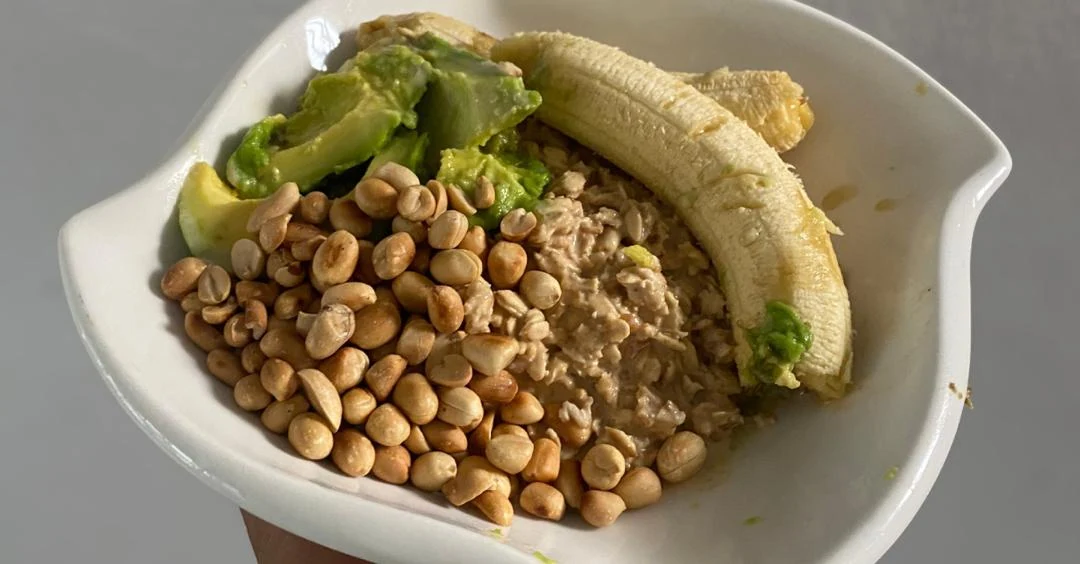
Nutrition After 30: A Complete Guide to Healthy Eating
Table of Contents
ToggleHave you noticed that staying healthy and maintaining your fitness feels different after age 30?
Many people find that losing weight takes longer, recovering from workouts isn’t as quick, and building muscle requires more effort than it did in their 20s.
I experienced this myself. Early in my fitness journey, I focused almost entirely on exercise and paid very little attention to my nutrition. While I stayed active, my results didn’t truly improve until I started making healthier food choices and eating with a purpose.
The truth is, you don’t need a restrictive diet or expensive supplements to stay healthy after 30. What matters most is building balanced eating habits that support your changing body.
In this complete guide, you’ll learn everything you need to know about nutrition after 30, including the nutrients your body needs most, the best foods to eat, meal-planning tips, common nutrition mistakes to avoid, and practical strategies for maintaining your health in the years ahead.
Why Nutrition After 30 Becomes More Important
As you age, your body naturally goes through changes that affect how you burn energy, build muscle, and recover from exercise. While these changes are a normal part of aging, they don’t mean you have to give up on your fitness goals.
Instead, they highlight the importance of making healthier food choices.
Proper nutrition provides your body with the fuel it needs to stay active, maintain muscle, support bone health, and reduce the risk of chronic diseases. Combined with regular exercise, healthy eating can help you stay strong, energetic, and independent as you age.
According to the American College of Sports Medicine (ACSM), combining regular physical activity with healthy lifestyle habits, including good nutrition, helps support long-term health, muscle function, and overall well-being. Likewise, the National Institute on Aging (NIA) recommends eating a variety of nutrient-dense foods to promote healthy aging and reduce the risk of chronic diseases.
Making nutrition a priority after 30 can help you:
- Maintain lean muscle mass
- Support a healthy metabolism
- Improve workout recovery
- Strengthen your immune system
- Support heart and bone health
- Increase energy levels throughout the day
- Promote healthy aging
The good news is that you don’t have to overhaul your entire diet overnight. Small, consistent changes often lead to long-term results.
What Happens to Your Body After 30?
Many people notice physical changes after turning 30, but these changes don’t happen overnight. Understanding what happens inside your body can help you make smarter nutrition and lifestyle choices.
1. You Gradually Lose Muscle Mass
Beginning in your 30s, your body naturally starts to lose muscle mass, especially if you aren’t regularly strength training.
Muscle plays a role in supporting your metabolism, improving balance, and making everyday activities easier. Losing muscle can also make it harder to maintain a healthy weight because muscle tissue burns more calories than fat, even at rest.
One of the biggest lessons I learned during my fitness journey was that strength training became even more important as I got older.
Instead of exercising only to lose weight, I started focusing on building and maintaining muscle, and I quickly noticed improvements in both my strength and confidence.
Eating enough protein alongside resistance training can help support muscle maintenance as you age.
If you’d like to learn more about how protein supports muscle growth, recovery, and fat loss, read my complete guide on Protein After 30: Why It Matters for Muscle and Fat Loss. I also share the lessons I learned in My Protein Mistakes After 30: What I Learned, including mistakes that slowed my own progress.
2. Your Metabolism May Slow Down
Many people assume their metabolism tends to slow down after the age of 30. While the change is usually gradual, factors such as reduced muscle mass, lower activity levels, and lifestyle habits can make it easier to gain weight over time.
Fortunately, this doesn’t mean weight gain is inevitable.
A balanced diet, regular exercise, and strength training can help support a healthy metabolism and make it easier to manage your weight.
3. Recovery Takes Longer
If you’ve ever noticed that muscle soreness lasts longer than it used to, you’re not alone.
As we age, our body generally needs time to recover from physical activity. Nutrition plays a key role in this process.
After improving my eating habits, I found that I recovered better from workouts and had more energy to stay consistent with my training.
Eating enough protein, drinking plenty of water, and including nutrient-rich foods in my meals made a noticeable difference.
4. Bone Health Deserves More Attention
Healthy bones are essential for maintaining mobility and reducing the risk of fractures later in life.
Bone density naturally declines with age, making nutrients such as calcium, vitamin D, magnesium, and protein increasingly important.
Combining a balanced diet with weight-bearing exercises can help support stronger bones and improve overall physical function.
5. Hormonal Changes Can Affect Your Body
Hormonal changes occur naturally as we age and can influence muscle growth, fat storage, appetite, and energy levels.
While these changes are normal, healthy eating and regular physical activity can help support overall hormonal health and make it easier to maintain a healthy body composition.
6. Your Risk of Chronic Diseases Increases
The risk of developing conditions such as heart disease, type 2 diabetes, and high blood pressure generally increases with age.
Although genetics play a role, your daily nutrition habits have a significant impact on your long-term health.
Eating more fruits, vegetables, whole grains, lean proteins, and healthy fats while limiting highly processed foods can help support heart health, maintain healthy blood sugar levels, and reduce the risk of many chronic diseases.
Nutrition and Exercise Go Hand in Hand
One thing I’ve learned throughout my fitness journey is that nutrition and exercise work best together.
You can’t consistently out-train poor eating habits, and healthy eating alone won’t build strength without regular movement.
When you combine balanced nutrition with strength training, cardio, quality sleep, and proper recovery, you create a solid foundation for long-term health and fitness.
If you’re starting your journey, I recommend reading my guide on How to Start a Fitness Journey After 30. You may also find My Fitness Journey After 30: What I Learned helpful, where I share the lessons that changed my approach to health and fitness.
Essential Nutrients Your Body Needs After 30
After understanding how your body changes with age, the next step is learning which nutrients can help you stay strong, active, and healthy.
You don’t need a perfect diet or expensive supplements to eat well after age 30. Instead, focus on eating a variety of nutrient-dense foods that provide the vitamins, minerals, and macronutrients your body needs every day.
Let’s take a closer look at the essential nutrients that deserve a place on your plate.
1. Protein: The Foundation of Healthy Aging
Protein is one of the most important nutrients after 30.
As we age, maintaining muscle becomes more challenging. Eating enough protein helps repair muscles after exercise, supports strength, and keeps you feeling full for longer.
I didn’t always prioritize protein. Early in my fitness journey, I focused mostly on exercising and assumed that was enough.
The moment I became intentional about including a good source of protein in each meal, I noticed I recovered better after workouts and felt stronger during my training sessions.
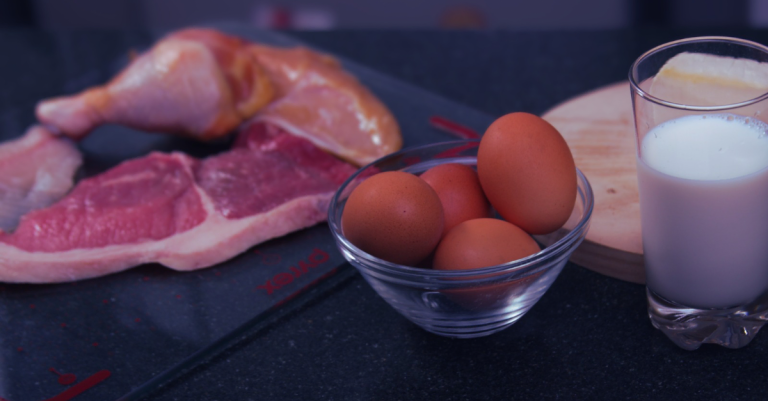
Good protein sources include:
- Chicken breast
- Turkey
- Fish
- Eggs
- Greek yogurt
- Cottage cheese
- Beans
- Lentils
- Tofu
- Lean beef
Aim to include a quality source of protein with every meal rather than eating most of it at dinner.
If you’d like to learn more about how protein supports muscle growth, recovery, and fat loss, read my complete guide on Protein After 30: Why It Matters for Muscle and Fat Loss. I also share the lessons I learned in My Protein Mistakes After 30: What I Learned, including mistakes that slowed my own progress.
2. Healthy Carbohydrates Provide Lasting Energy
Carbohydrates often get a bad reputation, but they are your body’s preferred source of energy.
Instead of avoiding carbs completely, focus on choosing complex carbohydrates that digest more slowly and provide steady energy throughout the day.
Healthy carbohydrate choices include:
- Oats
- Brown rice
- Sweet potatoes
- Quinoa
- Whole-grain bread
- Whole-wheat pasta
- Beans
- Fruits
- Vegetables
These foods also provide fiber, vitamins, and minerals that support overall health.
Highly processed carbohydrates, such as sugary cereals, pastries, and soft drinks, should be enjoyed in moderation because they can cause rapid spikes and crashes in blood sugar.
3. Healthy Fats Support Your Heart and Brain
Not all fats are unhealthy.
In fact, healthy fats are essential for hormone production, brain function, heart health, and the absorption of fat-soluble vitamins, such as vitamins A, D, E, and K.
Healthy fat sources include:
- Avocados
- Olive oil
- Salmon
- Sardines
- Almonds
- Walnuts
- Chia seeds
- Flaxseeds
- Natural peanut butter
Including moderate amounts of healthy fats in your meals can also help you stay satisfied between meals.
4. Fiber Supports Digestion and Weight Management
Many adults don’t consume enough fiber.
Fiber helps maintain healthy digestion, supports heart health, improves blood sugar control, and that promotes fullness after meals.
Excellent sources of fiber include:
- Vegetables
- Fruits
- Beans
- Lentils
- Whole grains
- Oats
- Chia seeds
- Nuts
Increasing your fiber intake gradually while drinking enough water can help prevent digestive discomfort.
5. Vitamins and Minerals Become Even More Important
While every vitamin and mineral plays a role in your health, several deserve special attention after 30.
Calcium
Calcium supports strong bones and healthy muscle function.
Good food sources include:
- Milk
- Yogurt
- Cheese
- Fortified plant-based milk
- Leafy green vegetables
Vitamin D
Vitamin D helps your body absorb calcium and supports immune function.
Sources include:
- Fatty fish
- Egg yolks
- Fortified dairy products
- Sunlight exposure
Magnesium
Magnesium supports muscle function, nerve health, and energy production.
Good sources include:
- Pumpkin seeds
- Almonds
- Spinach
- Black beans
- Whole grains
Potassium
Potassium helps regulate fluid balance, supports muscle contractions, and contributes to healthy blood pressure.
Foods rich in potassium include:
- Bananas
- Potatoes
- Sweet potatoes
- Beans
- Tomatoes
- Spinach
Vitamin B12
Vitamin B12 plays an important role in nerve function and red blood cell production.
Good food sources include:
- Fish
- Eggs
- Dairy products
- Lean meat
- Fortified breakfast cereals
6. Water Is Just as Important as Food
Hydration is often overlooked, yet it plays a vital role in your health.
Water helps:
- Regulate body temperature
- Transport nutrients
- Support digestion
- Lubricate joints
- Improve exercise performance
I used to underestimate hydration. The moment I made drinking water a daily habit rather than waiting until I felt thirsty, I noticed I felt more energized during training and recovered better afterward.
Carry a reusable water bottle throughout the day as a simple reminder to stay hydrated.
Hydration plays a much bigger role than many people realize. If you’re making common hydration mistakes, they could be affecting your workouts and fat-loss progress.
Learn more in Hydration After 30: Mistakes Slowing Your Fat Loss, and read My Hydration Mistakes After 30: What I Learned to avoid the mistakes I made early in my fitness journey.

Build Your Plate with Balance
Rather than focusing on strict diets, aim to build balanced meals that include:
- A lean source of protein
- Whole-grain or high-fiber carbohydrates
- Healthy fats
- Plenty of colorful vegetables
- A serving of fruit when appropriate
This balanced approach helps provide steady energy, supports muscle recovery, and makes it easier to maintain long-term healthy eating
Remember, healthy eating isn’t about perfection. It’s about making consistent choices that nourish your body and fit your lifestyle.
The Best Foods to Eat After 30
Now that you understand the nutrients your body needs after 30, the next step is knowing which foods can help you meet those needs.
You don’t need to follow a complicated meal plan or eliminate entire food groups. Instead, focus on eating a variety of whole, nutrient-dense foods that provide your body with the fuel it needs to stay healthy, support your workouts, and recover properly.
Here are some of the best foods to include in your diet after 30.
1. Lean Protein
Protein becomes increasingly important as you age because it helps maintain muscle mass, supports recovery after exercise, and keeps you feeling full between meals.
Excellent sources of lean protein include:
- Chicken breast
- Turkey
- Fish
- Eggs
- Greek yogurt
- Cottage cheese
- Tofu
- Lentils
- Beans
- Lean cuts of beef
If you’re trying to build strength or preserve muscle, combine these foods with a regular resistance-training routine.
2. Whole Grains
Whole grains provide complex carbohydrates, fiber, and essential nutrients that support energy production and digestive health.
Unlike refined grains, whole grains digest more slowly, helping you stay energized throughout the day.
Healthy choices include:
- Oats
- Brown rice
- Quinoa
- Whole-grain bread
- Whole-wheat pasta
- Barley
Starting your day with oatmeal or choosing brown rice instead of white rice are simple ways to increase your whole-grain intake.
3. Colorful Fruits and Vegetables
Fruits and vegetables are packed with vitamins, minerals, antioxidants, and fiber.
Eating a variety of colorful fruits helps support your immune system, heart health, digestion, and overall well-being.
Aim to include different colors throughout the week, such as:
Green vegetables
- Spinach
- Broccoli
- Kale
Orange vegetables
- Carrots
- Sweet potatoes
- Pumpkin
Red fruits and vegetables
- Tomatoes
- Strawberries
- Watermelon
Purple foods
- Eggplant
- Blueberries
- Purple cabbage
The more colorful your plate is, the more diverse the nutrients you’re likely consuming.
4. Healthy Fats
Healthy fats play an important role in supporting brain function, heart health, hormone production, and the absorption of essential vitamins.
Some of the best sources include:
- Avocados
- Olive oil
- Almonds
- Walnuts
- Chia seeds
- Flaxseeds
- Salmon
- Sardines
Remember, healthy fats are calorie-dense, so moderation is still important.
5. Legumes
Beans, lentils, chickpeas, and peas are affordable, versatile, and highly nutritious.
They provide:
- Plant-based protein
- Fiber
- Iron
- Magnesium
- Potassium
Legumes are excellent for supporting heart health and keeping you feeling satisfied after meals.
If you’re looking for budget-friendly healthy foods, legumes deserve a regular place in your meal plan.
6. Dairy or Fortified Alternatives
Milk, yogurt, and cheese provide calcium and protein, which support the bones and muscles.
If you avoid dairy, consider fortified alternatives such as:
- Soy milk
- Almond milk
- Oat milk
Choose unsweetened varieties whenever possible to reduce added sugar intake.
7. Nuts and Seeds
Nuts and seeds are nutrient-rich snacks that provide healthy fats, protein, fiber, and important minerals.
Good choices include:
- Almonds
- Walnuts
- Cashews
- Pistachios
- Chia seeds
- Pumpkin seeds
- Sunflower seeds
A small handful makes a satisfying snack or can be added to oatmeal, yogurt, or salads.

Build Balanced Meals Instead of Chasing Perfection
One lesson I’ve learned is that healthy eating doesn’t have to be perfect.
Earlier in my fitness journey, I thought every meal had to be flawless. If I ate something less healthy, I felt like I had ruined my progress.
Over time, I realized consistency matters far more than perfection.
Now, I aim to include a good source of protein, vegetables, whole grains, and healthy fats in most of my meals. That approach has been much easier to maintain, and it’s helped me stay consistent with both my nutrition and workouts.
Remember, one healthy meal won’t transform your health overnight, just as one unhealthy meal won’t undo months of good habits
Smart Snacking After 30
Snacks can keep your energy levels stable between meals when chosen wisely.
Healthy snack ideas include:
- Greek yogurt with berries
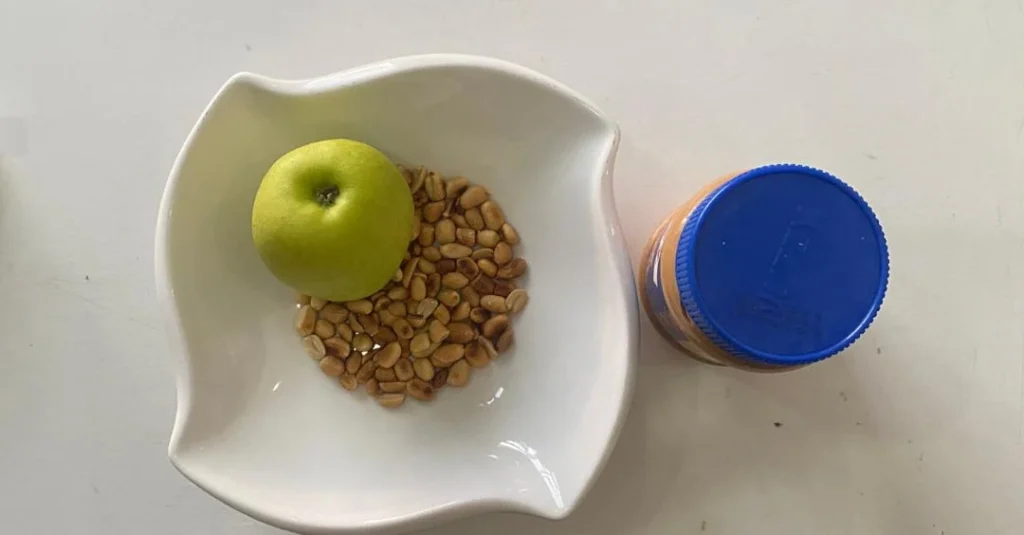
- Apple slices with peanut butter
- Mixed nuts
- Cottage cheese and fruit
- Carrot sticks with hummus
- Boiled eggs
- A protein smoothie made with fruit and milk
Planning healthy snacks ahead of time can also help reduce the temptation to reach for highly processed convenience foods.
If you’re looking for healthy meal inspiration, check out my articles on
Foods to Eat More Often
As a simple guide, try filling your grocery cart with more of these foods:
- Lean proteins
- Whole grains
- Fruits
- Vegetables
- Beans and lentils
- Healthy fats
- Low-fat dairy or fortified alternatives
- Nuts and seeds
These foods provide the nutrients your body needs to support healthy aging while helping you stay energized and active.
Meal Planning, Weight Management, Foods to Limit, and Common Nutrition Mistakes
Healthy eating after 30 doesn’t have to be complicated. You don’t need to prepare gourmet meals every day or follow the latest diet trend. What matters most is creating a routine that fits your lifestyle and helps you make healthier choices consistently.
Here are some practical strategies that can help.
1. Meal Planning Tips After 30
Planning your meals ahead of time can make healthy eating easier, especially if you have a busy schedule. It also helps reduce the temptation to rely on fast food or highly processed meals when you’re short of time.
Here are a few simple meal-planning tips:
- Plan Your Meals for the Week: Take a few minutes each week to decide what to eat for breakfast, lunch, dinner, and snacks. Having a plan can save time, reduce stress, and make grocery shopping more efficient.
- Prepare Food in Advance: Meal prepping doesn’t have to be complicated. Cooking proteins, chopping vegetables, or preparing grains in advance can make it easier to put together balanced meals during the week.
- Keep Healthy Foods Within Reach: Stock your kitchen with nutritious options, such as fruits, vegetables, whole grains, nuts, yogurt, and lean proteins. When healthy choices are easily available, you’re more likely to eat them.
- Read Nutrition Labels: Learning to read food labels can help you compare products and make informed choices. Pay attention to serving sizes, added sugars, sodium, saturated fat, and fiber when shopping.
One thing that helped me stay consistent was preparing some of my meals ahead of time. On busy days, I no longer had to choose between skipping a meal or ordering fast food because I already had healthier options ready.
2. Nutrition for Healthy Weight Management After 30
Losing or maintaining weight after 30 isn’t about following extreme diets. Instead, focus on building habits you can maintain for the long term.
- Prioritize Protein: Protein helps preserve muscle while keeping you feeling satisfied between meals. Including a source of protein with each meal may also help reduce unnecessary snacking.
- Choose Whole Foods More Often: Whole foods such as fruits, vegetables, lean proteins, legumes, and whole grains are generally more filling and nutrient-dense than highly processed foods.
- Stay Physically Active: Healthy eating works best when combined with regular physical activity. Strength training, walking, cycling, swimming, or other forms of exercise all contribute to overall health and weight management.
If your goal is to become more active, you may find these guides helpful:
3. Don’t Forget Sleep
Sleep is often overlooked when discussing nutrition, but it plays an important role in maintaining a healthy weight.
Poor sleep can affect hormones that regulate hunger and appetite, increase cravings for high-calorie foods, and make it more difficult to make healthy food choices throughout the day.
Aim for 7–9 hours of quality sleep each night alongside a balanced diet and regular exercise to support your overall health and fitness goals.
If you’d like to learn more, read my guide on Sleep After 30: How Poor Sleep Affects Weight Gain, where I explain how sleep influences your metabolism, appetite, and long-term weight management.
Foods to Limit
Healthy eating doesn’t mean you can never enjoy your favorite treats. Instead, try limiting foods that offer too many calories but few nutrients.
Examples include:
- Sugary drinks
- Candy and sweets
- Highly processed snacks
- Fried foods
- Processed meats
- Pastries and baked desserts
- Foods high in added sugar
- Foods high in sodium
Enjoying these foods occasionally is perfectly fine. The goal is to build a balanced eating pattern where nutrient-rich foods make up most of your diet.
Common Nutrition Mistakes After 30
Even people with good intentions can develop habits that slow their progress.
Here are some common mistakes to avoid.
- Skipping Meals: Skipping meals can leave you feeling overly hungry later in the day, increasing the likelihood of overeating. Instead, aim to eat balanced meals at regular intervals that fit your schedule.
- Not Eating Enough Protein: Many adults underestimate how much protein they need. Including protein with your meals can help support muscle maintenance, recovery, and overall health.
- Drinking Too Little Water: Mild dehydration can affect your energy levels, exercise performance, and concentration. Carry a reusable water bottle with you to encourage regular hydration throughout the day.
- Relying Too Much on Processed Foods: Convenience foods can be useful occasionally, but regularly choosing highly processed foods may increase your intake of added sugars, unhealthy fats, and sodium. Whenever possible, prepare meals using whole, minimally processed ingredients.
- Following Restrictive Diets: Many diets promise quick results, but they can be difficult to maintain. I’ve learned that consistency beats perfection every time. Rather than eliminating entire food groups, I focus on eating balanced meals most of the time while still allowing myself to enjoy my favorite foods occasionally. That approach has been much easier to maintain over the years.
- Ignoring Portion Sizes: Even healthy foods contain calories. Paying attention to portion sizes can help you maintain a healthy balance without feeling deprived. Using smaller plates, reading serving sizes, and eating slowly can make portion control easier.
Many of these lessons came from my own experience. In My Nutrition Mistakes After 30 guide, I share the nutrition habits that held me back and the changes that helped me make lasting progress.
Healthy Habits That Support Long-Term Success
Good nutrition isn’t about making perfect choices every day. It’s about creating habits you can maintain for years.
Some simple habits include:
- Planning meals ahead of time.
- Cooking at home more often.
- Drinking enough water each day.
- Including vegetables with most meals.
- Eating protein regularly.
- Staying physically active.
- Getting enough sleep.
- Being patient with your progress.
Remember, lasting results usually come from small, consistent improvements rather than dramatic changes.
Building healthy habits is one of the best ways to improve your nutrition without following restrictive diets. For more practical strategies, check out Healthy Eating Habits After 30, where I share simple habits that can make healthy eating easier to maintain.
Sample One-Day Healthy Meal Plan After 30
This sample meal plan is designed to provide a balance of protein, healthy carbohydrates, healthy fats, and fiber. Adjust portion sizes based on your age, activity level, and personal goals.
Breakfast
- Oatmeal topped with blueberries and chia seeds
- Two boiled or scrambled eggs
- A glass of low-fat milk or fortified soy milk
This meal provides complex carbohydrates, protein, fiber, and healthy fats to help fuel your morning.
Mid-Morning Snack
- Greek yogurt
- A handful of almonds
This snack provides protein, calcium, and healthy fats to help keep you satisfied until lunch.
Lunch
- Grilled chicken breast
- Brown rice
- Steamed broccoli and carrots
- Mixed green salad with olive oil dressing
This balanced meal supplies lean protein, whole grains, vegetables, and healthy fats.
Afternoon Snack
- Apple slices with natural peanut butter
This combination provides fiber, vitamins, and healthy fats while helping control hunger between meals.
Dinner
- Baked salmon
- Roasted sweet potatoes
- Steamed green beans
Salmon provides high-quality protein and omega-3 fatty acids, while sweet potatoes and vegetables supply vitamins, minerals, and fiber.
Evening Snack (Optional)
If you’re hungry later in the evening, choose a light snack such as:
- Cottage cheese
- A banana
- A small handful of walnuts
Frequently Asked Questions
What is the best diet after 30?
There isn’t one perfect diet for everyone. The best eating pattern is one you can maintain for the long term, while focusing on lean proteins, whole grains, fruits, vegetables, healthy fats, and plenty of water.
Can I lose weight after 30?
Yes. Although your body changes with age, losing weight after 30 is still possible through a balanced diet, regular exercise, quality sleep, and consistency.
How much protein do adults over 30 need?
Protein needs vary based on body weight, activity level, and fitness goals. Generally, physically active adults may benefit from higher protein intakes than sedentary adults, especially if they’re trying to build or maintain muscle.
If you have specific medical conditions, speak with a registered dietitian or healthcare professional for personalized recommendations.
Should I avoid carbohydrates after 30?
No.
Carbohydrates are your body’s primary source of energy. Instead of eliminating them, choose nutrient-rich carbohydrates such as oats, brown rice, sweet potatoes, fruits, vegetables, and whole grains.
Are supplements necessary after 30?
Most people can meet their nutritional needs through a balanced diet. However, some individuals may benefit from supplements if they have specific nutrient deficiencies or increased nutritional needs.
Before taking supplements, consult a healthcare professional.
Key Takeaways
Here are the most important lessons to remember:
- Prioritize whole, nutrient-dense foods.
- Include protein with every meal.
- Eat plenty of fruits and vegetables.
- Choose whole grains more often.
- Include healthy fats in moderation.
- Drink enough water throughout the day.
- Stay physically active.
- Get enough sleep.
- Build habits you can maintain for life.
Small improvements made consistently often produce better long-term results than drastic diets that are difficult to maintain.
Final Thought
Healthy eating after 30 isn’t about following restrictive diets or giving up every food you enjoy. It’s about making consistent choices that support your body as it changes with age.
Looking back on my own fitness journey, one of the biggest lessons I learned was that nutrition is just as important as exercise. I used to believe that working out alone would produce the results I wanted, but lasting progress came when I started paying closer attention to what I was eating.
Choosing more whole foods, eating enough protein, staying hydrated, and planning my meals helped me recover better, feel more energized, and stay consistent with my workouts.
The good news is that you don’t have to change everything overnight. Start with one or two healthy habits, build on them over time, and focus on progress rather than perfection.
Remember, the choices you make today can have a lasting impact on your health, strength, and quality of life in the years ahead.
Join the Conversation
What healthy eating habit has made the biggest difference in your life after 30? Share your experience in the comments below. I’d love to hear from you!


One Comment