Burpee Exercise After 30: Benefits, Proper Form & Beginner Guide
Table of Contents
ToggleHave you ever wondered why the burpee exercise is considered one of the most effective full-body workouts?
When I first tried burpees, I assumed they were only for athletes or military fitness programs. But after incorporating them into my workouts, I realized they could improve strength, endurance, coordination, and cardiovascular fitness, all without requiring any equipment.
If you’re over 30, burpees can be a valuable addition to your routine. They challenge multiple muscle groups, helping you build functional strength while improving your overall fitness. However, using proper form and progressing gradually is essential to reduce unnecessary stress on your joints.
In this guide, you’ll learn what a burpee exercise is, its benefits, the muscles it works, how to perform it correctly, common mistakes to avoid, and beginner-friendly modifications to help you exercise safely and effectively.
What Is a Burpee Exercise?
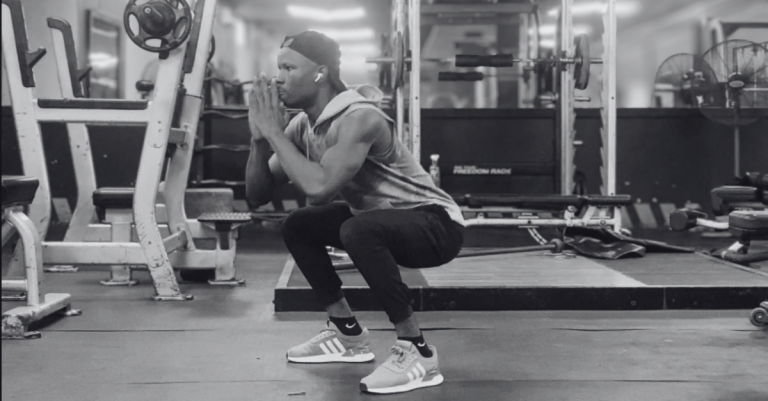
A burpee exercise is a full-body bodyweight movement that combines a squat, a plank, and a jump into one continuous movement. It raises your heart rate quickly while strengthening both your upper and lower body, making it a popular choice for high-intensity interval training (HIIT), circuit workouts, and general fitness programs.
A standard burpee typically involves these steps:
- Stand with your feet about shoulder-width apart.
- Lower into a squat and place your hands on the floor.
- Jump or step your feet back into a high plank position.
- Keep your core engaged while maintaining a straight line from your shoulders to your heels.
- Jump or step your feet back toward your hands.
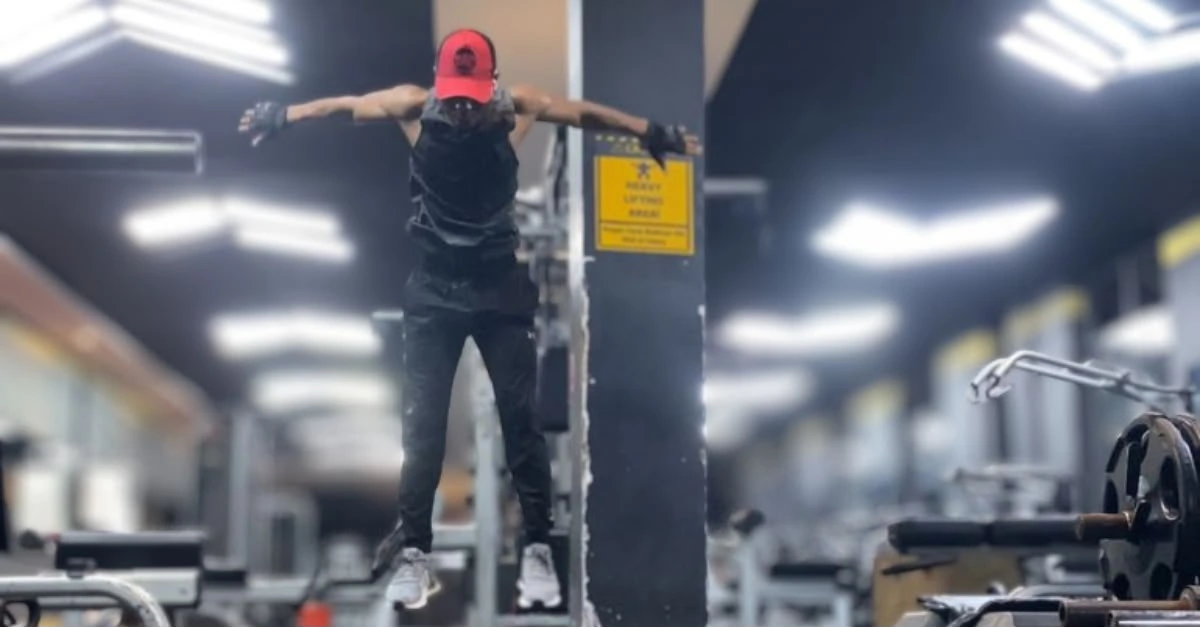
- Stand up and finish with a controlled jump, reaching your arms overhead.
Although the movement looks simple, it requires coordination, balance, strength, and cardiovascular endurance. Because it combines several movements into one exercise, burpees can provide an efficient full-body workout in a short time.
For adults over 30, the goal isn’t to perform burpees as fast as possible. Instead, focus on maintaining good technique, moving with control, and choosing a variation that matches your current fitness level. Building proper movement patterns first can help reduce the risk of injury and make the exercise more effective.
Benefits of the Burpee Exercise
The burpee exercise is more than just a challenging cardio movement. Because it combines squatting, planking, and jumping into one continuous motion, it trains multiple components of fitness. Whether your goal is to improve endurance, build strength, or burn calories, burpees can be an efficient addition to your workout routine.
If you’re over 30, incorporating functional bodyweight exercises like burpees can help maintain muscle mass, improve cardiovascular health, and support everyday movement patterns.
According to the American College of Sports Medicine, regular aerobic activity combined with muscle-strengthening exercises helps support overall health and physical function throughout adulthood.
1. Works Multiple Muscle Groups
Unlike isolation exercises that target one muscle group at a time, burpees engage multiple muscles throughout the body.
These include:
- Chest
- Shoulders
- Triceps
- Core
- Glutes
- Quadriceps
- Hamstrings
- Calves
Because so many muscles work together during each repetition, burpees also improve functional strength that carries over into daily activities such as climbing stairs, lifting groceries, or getting up from the floor.
2. Improves Cardiovascular Fitness
Burpees elevate your heart rate, making them an effective cardiovascular exercise.
Performing several repetitions consecutively challenges your heart and lungs, helping improve endurance over time. According to the Centers for Disease Control and Prevention (CDC), regular physical activity is an important part of maintaining overall health. Burpees, as a vigorous bodyweight exercise, can be included in a balanced fitness routine when appropriate.
If you’re new to higher-intensity workouts, start with a modified version and gradually increase the number of repetitions.
3. Helps Burn Calories
Because burpees combine strength training and cardiovascular exercise, they require a considerable amount of energy.
The exact number of calories burned depends on factors such as:
- Body weight
- Workout intensity
- Exercise duration
- Fitness level
While burpees can contribute to calorie expenditure, sustainable weight loss still depends on maintaining an overall calorie deficit through a combination of regular exercise and a balanced diet.
If your goal is fat loss, you may also find our guide on Best Home Workouts for Weight Loss After 30 helpful.
4. Improves Functional Fitness
Functional exercises mimic movements you perform in everyday life.
Burpees help develop:
- Balance
- Coordination
- Agility
- Mobility
- Explosive power
These qualities become increasingly important after age 30, when maintaining mobility and physical independence can support long-term health and reduce the risk of injury.
5. Requires No Equipment
One of the biggest advantages of the burpee exercise is that it can be performed almost anywhere.
Whether you’re training at home, outdoors, or while traveling, you don’t need expensive equipment or a gym membership.
If you enjoy equipment-free workouts, you may also like our guide on Jump Rope Exercise After 30, another efficient way to improve cardiovascular fitness using minimal equipment.
6. Can Be Modified for Any Fitness Level
Many people assume burpees are only suitable for advanced exercisers.
Fortunately, that’s not true.
If you’re over 30 or returning to exercise after a long break, you can modify the movement by:
- Stepping back instead of jumping.
- Removing the push-up.
- Eliminating the jump at the top.
- Reducing the number of repetitions.
These adjustments let you build confidence and improve technique before progressing to more advanced variations.
What Muscles Does the Burpee Exercise Work?
One reason why the burpee exercise remains popular is that it trains multiple muscle groups in a single movement. Instead of isolating the body, burpees combine strength, stability, and cardiovascular effort, making them an efficient full-body exercise.
Each phase of the movement activates different muscles, which is why burpees can help improve overall fitness while enhancing coordination and functional strength.
Here are the muscles worked during a burpee exercise.
Lower-Body Muscles
1. Quadriceps
Your quadriceps, located at the front of your thighs, work as you lower into the squat and extend your knees to stand back up. They also help generate power during the jump at the end of each repetition.
Strong quadriceps support everyday movements such as climbing stairs, standing from a chair, and walking uphill.
2. Glutes
The gluteal muscles are responsible for extending your hips as you stand and jump. They play a crucial role in maintaining balance, improving posture, and producing lower-body power.
If you’re looking to strengthen your glutes, our Walking Lunges After 30 guide explains another excellent bodyweight exercise that targets the hips and legs.
3. Hamstrings
Hamstrings are located at the back of your thighs. They assist your glutes during the upward phase of the burpee while helping stabilize your knees and hips throughout the movement.
4. Calves
Your calf muscles help absorb impact during landing and assist with the explosive jump at the end of each repetition.
Landing softly with your knees slightly bent can help reduce unnecessary stress on your ankles and knees.
Upper-Body Muscles
1. Chest (Pectoralis Major)
If your burpee includes a push-up, your chest muscles work to push your body away from the floor.
Even if you skip the push-up, your chest helps stabilize your upper body while it supports your weight during the plank position.
For a deeper explanation of chest activation, read our What Muscles Do Push-Ups Work After 30? guide.
2. Shoulders
The shoulders stabilize your upper body while supporting your body weight in the plank position.
Strong shoulder muscles also help improve posture and make everyday tasks, such as pushing, easier.
If you want to build stronger, healthier shoulders, check out our Full Shoulder Workout guide, which includes exercises to improve strength, stability, and mobility while reducing the risk of injury.
3. Triceps
Your triceps help extend your elbows during the push-up phase.
Over time, strengthening the triceps can enhance pushing strength for exercises like push-ups and overhead presses.
Core Muscles
Many people think burpees mainly target the legs, but your core remains active throughout the entire exercise.
Your abdominal muscles, obliques, and lower back work together to:
- Keep your spine stable.
- Maintain proper posture.
- Prevent excessive lower-back movement.
- Transfer force between your upper and lower body.
Keeping your core engaged throughout the movement can improve both performance and exercise technique.
Burpees Build Functional Strength
Because burpees require several muscle groups to work together, they help develop functional strength rather than isolated muscle strength.
Functional strength makes everyday tasks easier, including:
- Lifting heavy objects
- Climbing stairs
- Getting up from the floor
- Carrying groceries
- Playing recreational sports
For adults over 30, maintaining functional strength is important because muscle mass naturally declines with age if it isn’t challenged through regular resistance training.
Do Burpees Build Muscle?
Burpees can help develop muscular endurance and improve strength, especially for beginners or individuals returning to exercise.
However, if your primary goal is significant muscle growth (hypertrophy), burpees are best viewed as a complement to a structured strength-training program rather than a replacement for progressive resistance exercises.
For example, combining burpees with other strength-training exercises can provide a more balanced workout that supports both muscle development and cardiovascular fitness. To build a well-rounded fitness routine, explore our guide on Strength Training Exercises After 30.
How to Do the Burpee Exercise Correctly
Learning proper burpee technique is important to reduce the risk of injury. Although burpees are often performed quickly, focusing on controlled movement and correct form is more important than speed, especially if you’re over 30 or new to high-intensity exercise.
If you’re starting, master each phase of the movement before increasing your pace or adding more repetitions.
Step 1: Start in a Standing Position
Stand with your feet about shoulder-width apart and keep your arms relaxed by your sides.
Maintain a neutral spine, engage your core, and keep your head straight ahead. This stable starting position helps you maintain balance throughout the movement.
Tip: Avoid locking your knees. Keep a slight bend to prepare for the squat.
Step 2: Lower into a Squat
Push your hips back and bend your knees to lower into a squat.
Place both hands firmly on the floor in front of your feet, keeping them approximately shoulder-width apart.
Keep your chest lifted as much as possible and avoid rounding your back.
Common mistake: Bending only at the waist instead of using your hips and knees.
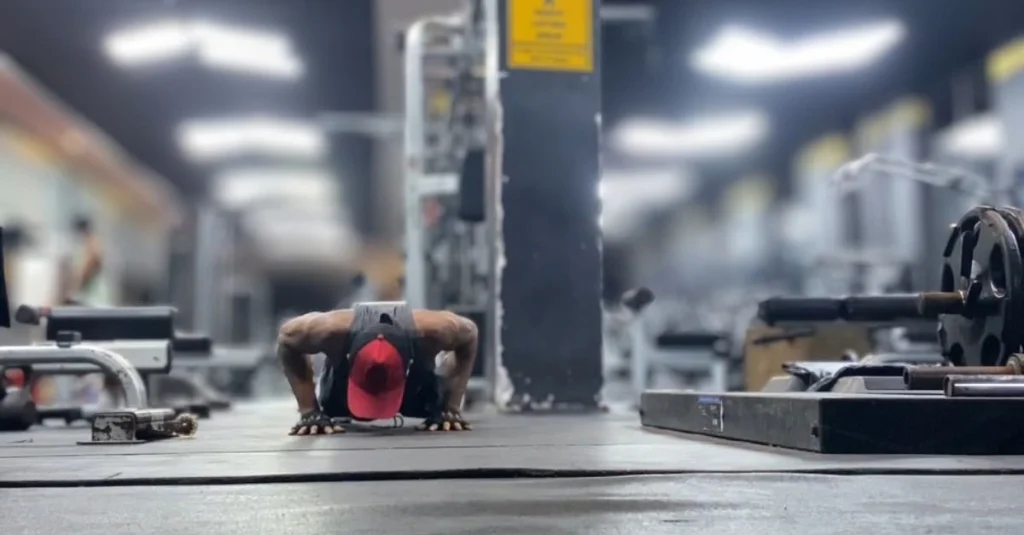
Step 3: Move into a Plank Position
From the squat, jump both feet backward into a high plank position. If you’re a beginner, step one foot back at a time instead of jumping.
Your body should form a straight line from your head to your heels.
During this phase:
- Keep your shoulders directly above your wrists.
- Brace your core.
- Squeeze your glutes.
- Avoid letting your hips sag or rise too high.
Maintaining a stable plank helps protect your lower back and improves exercise efficiency.
Step 4: Perform a Push-Up (Optional)
Many traditional burpees include a push-up, while others do not.
If you’re performing the push-up variation:
- Lower your chest toward the floor.
- Keep your elbows at about a 45-degree angle from your body.
- Push yourself back up until your arms are fully extended.
If you’re still building upper-body strength, you can skip the push-up and move directly to the next step.
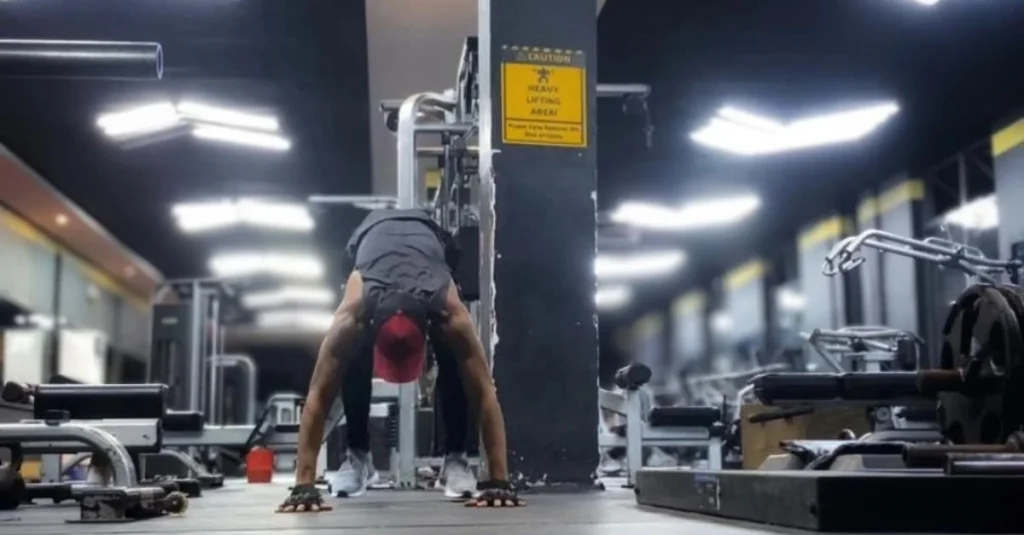
Step 5: Return to the Squat Position
Jump or step your feet forward until they land just behind your hands.
As you bring your feet forward:
- Keep your heels flat if possible.
- Maintain a neutral spine.
- Engage your core for stability.
This movement prepares your body for the final upward phase.
Step 6: Jump and Reach Overhead
Drive through your heels, stand up, and finish with a small, controlled jump.
As you jump:
- Extend your arms overhead.
- Land softly with your knees slightly bent.
- Absorb the impact through your hips and legs.
Once you land, prepare for your next repetition while maintaining proper form.
Proper Form Tips
To perform burpees safely and effectively:
- Keep your core engaged throughout the movement.
- Maintain a neutral spine.
- Land softly after every jump.
- Prioritize quality over speed.
- Breathe consistently instead of holding your breath.
If your form begins to break down because of fatigue, pause and rest before continuing.
Beginner Modification
If a standard burpee feels too challenging, try this beginner-friendly variation:
- Squat and place your hands on the floor.
- Step one foot back, then the other into a plank.
- Step both feet forward.
- Stand up without jumping.
This modification reduces impact while still helping you build strength, coordination, and confidence. As your fitness improves, you can gradually progress to the full burpee.
Common Burpee Exercise Mistakes to Avoid
Performing the burpee exercise with proper technique is just as important as completing the movement itself. While burpees are an effective full-body exercise, poor form can reduce their benefits and place unnecessary stress on your muscles and joints.
If you’re over 30, paying attention to your technique can help you train more safely, improve performance, and reduce your risk of injury.
Here are some of the most common burpee mistakes and how to avoid them.
1. Sacrificing Form for Speed
Many people rush through burpees in an attempt to complete as many repetitions as possible. Unfortunately, moving too quickly often leads to poor technique, making the exercise less effective.
Instead of focusing on speed, perform each repetition with better control. Once you can consistently maintain proper form, you can gradually increase your pace.
2. Allowing Your Hips to Sag in the Plank
During the plank phase, letting your hips drop toward the floor places unnecessary strain on your lower back.
To maintain proper alignment:
- Engage your core.
- Keep your shoulders directly above your wrists.
- Form a straight line from your head to your heels.
A strong plank position not only improves your burpee technique but also helps develop core stability for other exercises.
3. Landing with Stiff Legs
The jump at the end of a burpee should be controlled. Landing with straight legs increases the impact on your knees, hips, and ankles.
Instead:
- Land softly.
- Bend your knees slightly.
- Allow your hips to absorb the impact.
This simple adjustment can make burpees more comfortable, especially if you’re exercising after 30.
4. Holding Your Breath
Breathing is often overlooked during burpees, particularly when the exercise becomes more challenging.
Try to establish a consistent breathing pattern throughout the movement. For example, inhale as you lower into the squat and exhale as you stand and jump.
Proper breathing helps you maintain rhythm and can improve your exercise performance.
5. Progressing Too Quickly
One of the biggest mistakes is attempting advanced burpee variations before mastering the basic movement.
Start with a beginner or low-impact variation if needed, then gradually increase the difficulty as your strength, coordination, and endurance improve.
Key Takeaway
The burpee exercise is most effective when performed with proper form and controlled movement. By avoiding these common mistakes, you improve your technique, reduce unnecessary stress on your joints, and get the best out of every repetition.
Remember, consistency is more important than speed. Focus on quality movement first, and your strength, endurance, and confidence will improve over time.
Burpee Exercise Variations
One of the biggest advantages of the burpee exercise is its versatility. Whether you’re just starting or looking for a greater challenge, several variations can help you match the exercise to your current fitness level and goals.
1. Beginner Burpee
The beginner burpee is ideal if you’re new to exercise or returning after a long break.
Instead of jumping your feet back into a plank, step one foot back at a time. You can also stand up without adding the final jump.
Best for:
- Beginners
- Adults over 30 returning to exercise
- Building confidence and proper technique
2. Standard Burpee
The standard burpee involves a squat, plank, and vertical jump.
This variation improves:
- Cardiovascular endurance
- Functional strength
- Coordination
- Overall fitness
Once you can perform the beginner variation comfortably, you can gradually progress to the standard burpee.
3. Burpee with a Push-Up
Adding a push-up increases the emphasis on your chest, shoulders, triceps, and core.
This variation is suitable if your goal is to build upper-body strength while maintaining the cardiovascular benefits of burpees.
4. Low-Impact Burpee
If jumping causes discomfort in your knees or ankles, replace each jump with a controlled step.
Stepping into and out of the plank position reduces impact while still allowing you to improve strength and cardiovascular fitness.
If you experience persistent joint pain during exercise, consult a healthcare professional before continuing.
5. Burpee with a Tuck Jump
For experienced exercisers, replacing the standard jump with a tuck jump increases the intensity of the movement.
This advanced variation develops explosive power and coordination but also places greater demands on your muscles and joints. Only attempt it after mastering the standard burpee.
Which Burpee Variation Is Best?
The best burpee variation depends on your current fitness level, mobility, and training goals.
- If you are new to exercise? Start with the beginner burpee.
- IF you are looking for general fitness? Choose the standard burpee.
- If you want to build upper-body strength? Try the push-up variation.
- If you need a joint-friendly option? Use the low-impact burpee.
- If you are ready for a challenge? Progress to the tuck jump variation.
The American College of Sports Medicine recommends progressing exercises gradually as your strength and fitness improve, rather than increasing intensity too quickly.
Frequently Asked Questions About the Burpee Exercise
Is the burpee exercise good for weight loss?
The burpee exercise can support weight loss because it involves strength training with cardiovascular exercise, increasing your heart rate and calorie expenditure. However, long-term weight loss depends on maintaining a calorie deficit through regular physical activity and a balanced diet.
How many burpees should beginners do?
Beginners should focus on proper technique before increasing the number of repetitions.
A good starting point is:
- 5–10 repetitions per set
- 2–3 sets
- 60–90 seconds of rest between sets
As your strength and endurance improve, you can gradually increase the number of repetitions or incorporate burpees into a circuit workout.
Can I do burpees every day?
While burpees are an effective full-body exercise, performing them every day may not allow enough time for recovery, especially after high-intensity workouts.
Including rest days and alternating burpees with strength training, walking, or mobility exercises can help reduce fatigue and support muscle recovery.
Are burpees suitable for adults over 30?
Yes. Burpees can be an excellent exercise for adults over 30 when performed with proper form and appropriate modifications.
If you’re returning to exercise after a break or have joint concerns, start with a low-impact or beginner variation and increase the intensity as your fitness improves.
Final Thought
The burpee exercise is one of the most effective bodyweight exercises for improving strength, cardiovascular fitness, coordination, and muscular endurance. Because it works multiple muscle groups simultaneously, it provides an efficient full-body workout that requires little or no equipment.
If you’re over 30, focus on mastering proper technique before increasing your speed or intensity. Starting with a beginner-friendly variation and progressing gradually can help you build confidence, reduce your risk of injury, and stay consistent with your fitness routine.
Whether your goal is to improve your overall fitness, support weight management, or add variety to your workouts, the burpee exercise can be a valuable addition to a balanced training program.
Join the Conversation
Have you tried the burpee exercise before, or are you planning to add it to your workout routine after 30?
I’d love to hear about your experience. Leave a comment below and let me know.